
Charcoal Hearth
- Attraction
- County: Kronobergs län
- 6852.96 km away from you
Actions
Description
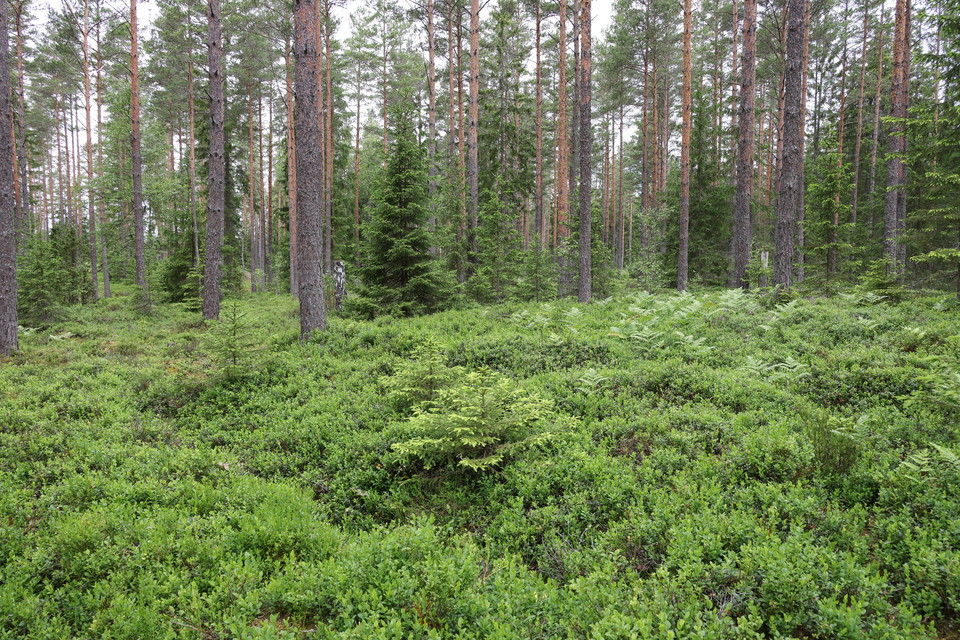
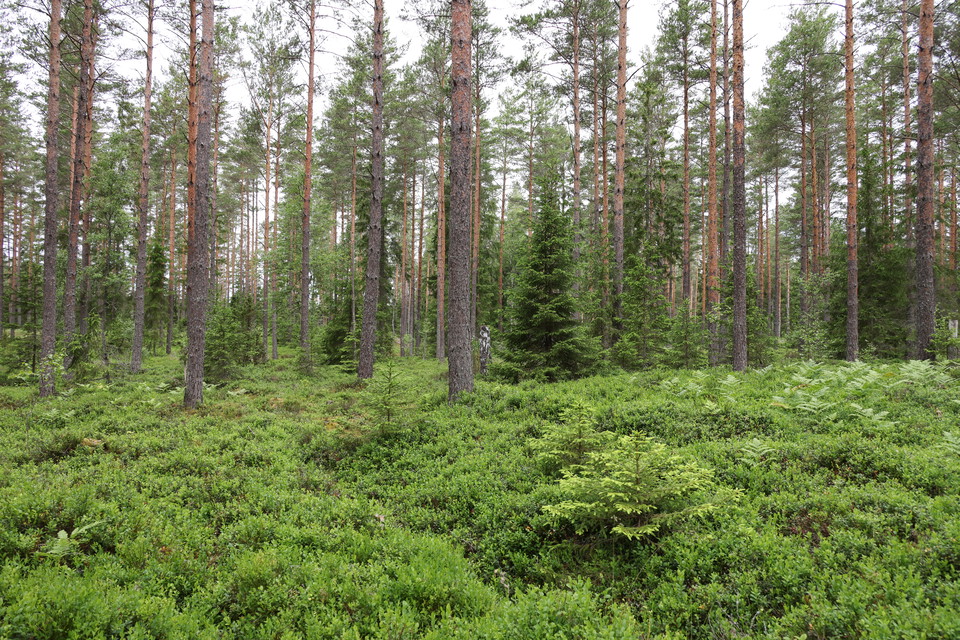
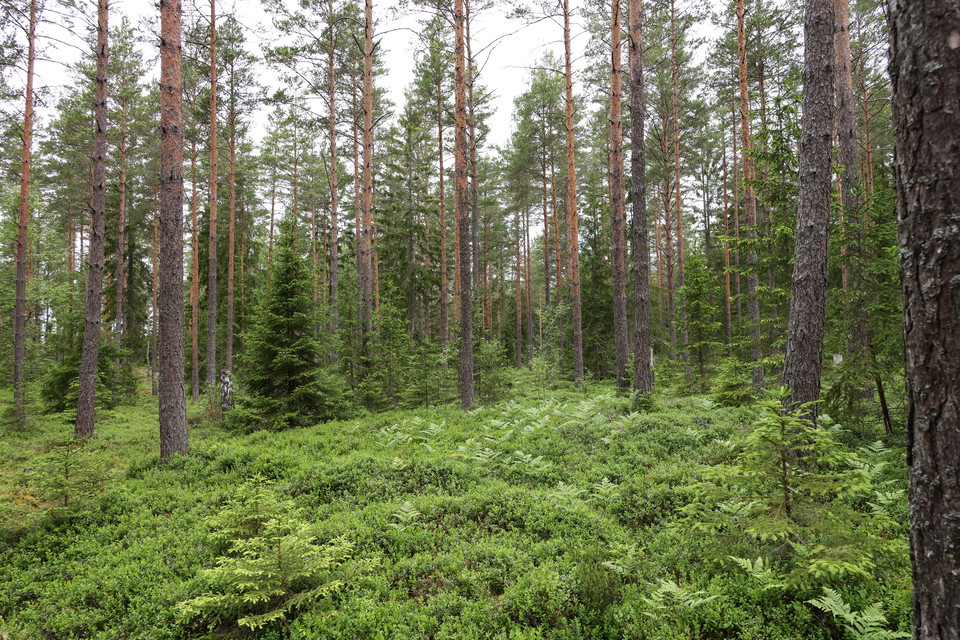
The elevation in the landscape that you can see here is the remnants of an old charcoal kiln. If you dig into the ground, you will soon find remnants of old charcoal dating back to the 19th and early 20th centuries. Charcoal production in the autumn was a way for farmers to supplement their income on smaller farms. The wood was cut the year before to allow it to dry properly before being placed in the kiln. Typically, both deciduous and coniferous trees were used—essentially any type of timber that was available and needed to be cleared, cut, or thinned. The kiln was then covered with brush, moss, stubble, and soil to regulate airflow and prevent the wood from burning completely. After about ten days of careful monitoring, the charcoal was ready.
The first type of kilns lacked chimneys and the process was slow. When chimney-equipped kilns began to be used in the early 1900s, charcoal production became significantly more efficient. The chimney allowed for better draft regulation through a channel, improving the quality of the charcoal. The charcoal-making process is a form of dry distillation, which means that the temperature must reach 270 degrees Celsius before the process begins.
The reason so much charcoal was needed in the early 1900s was that coal was still used to produce pig iron in large blast furnaces. Shortly after, coal was replaced by hard coal, and today steel manufacturers compete to offer the most climate-neutral steel on the market. The farmers' additional income from charcoal production has long since disappeared, although there are now small-scale producers of high-quality grilling charcoal.
Activities And Facilities
- Attraction
Contact
Email address
Jenny Ramnér
I’ve been here
I want to go here
Questions & Answers
Ask a question to other Naturkartan users.
Reviews
0 reviews
- 5 :
- 4 :
- 3 :
- 2 :
- 1 :
Users images
No user images yet. Be the first to share!