
-
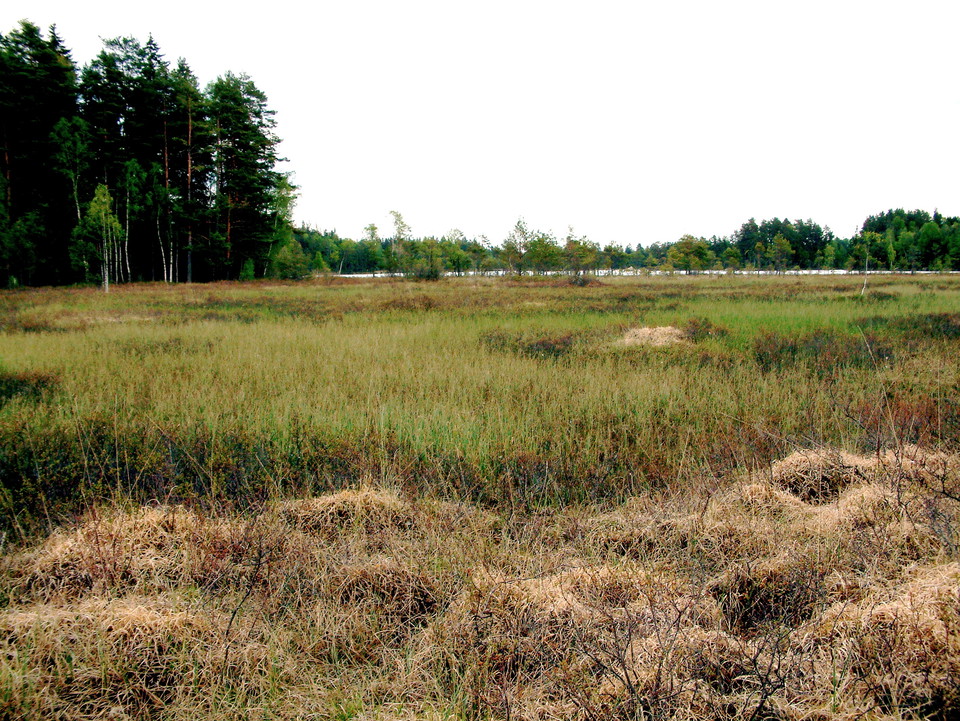
Maden nedanför Sjömålen har dels flacka, låga stråk med starrväxter, dels mosstuvor med pors och tranbär.
Photo: Gert Knutsson -
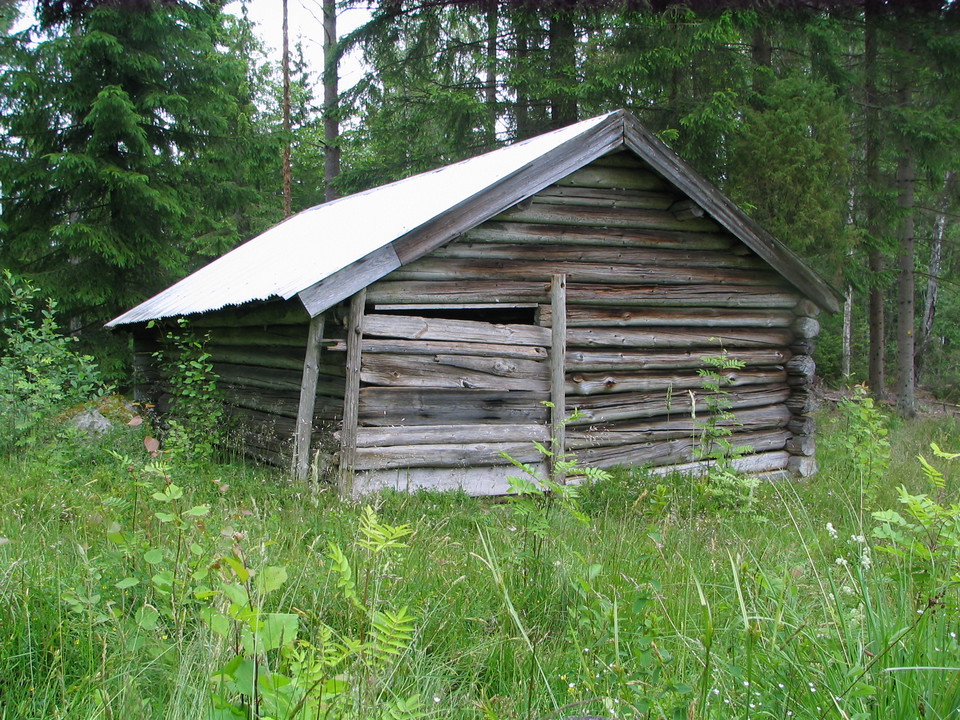
Mahus
Photo: Per Melin
Maderna
- Point of interest
- County: Kalmar län och Öland
- 6863.56 km away from you
Actions
Description
Keeping animals alive in winter required a lot of feed. Grazing land was vital. If you lived near lakes and rivers, you also had access to the succulent 'grass' on the moors. This is the name given to the marshlands that spread around lakes and rivers in Småland. They are flooded at high tide and thus receive an extra supply of nutrients.
The moors were therefore used in these forested areas as hay meadows, and 'mahöet' was the second most important winter feed for livestock, after hay from the broadleaf meadows. The moors are thus very carefully rotated. On the extensive fields along the Lyckebyån river between Rostockasjön and Getasjön, even villages and farms that are far from the river have their own parcels and they also had so-called "mahus", i.e. barns to store the hay in until it could be brought home to the farm by sledge in winter. Haymaking has long since ceased but is still practiced in some nature reserves along the Lyckebyån river, most notably at Huvudhultakvarn north of Broakulla, see Knutsson (1977).
Activities And Facilities
- Point of interest
Contact
Email address
Please be aware that some of these texts have been automatically translated.
I’ve been here
I want to go here
Questions & Answers
Ask a question to other Naturkartan users.
Reviews
0 reviews
- 5 :
- 4 :
- 3 :
- 2 :
- 1 :
Users images
No user images yet. Be the first to share!