Nidingen, Naturreservat
- Nature reserve
- County: Hallands län
Actions
Description
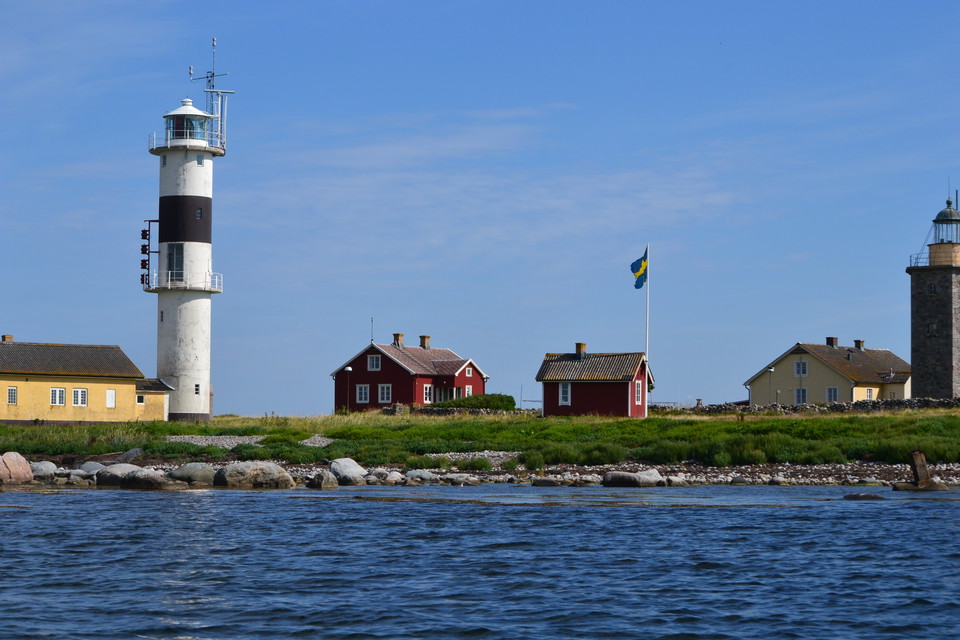
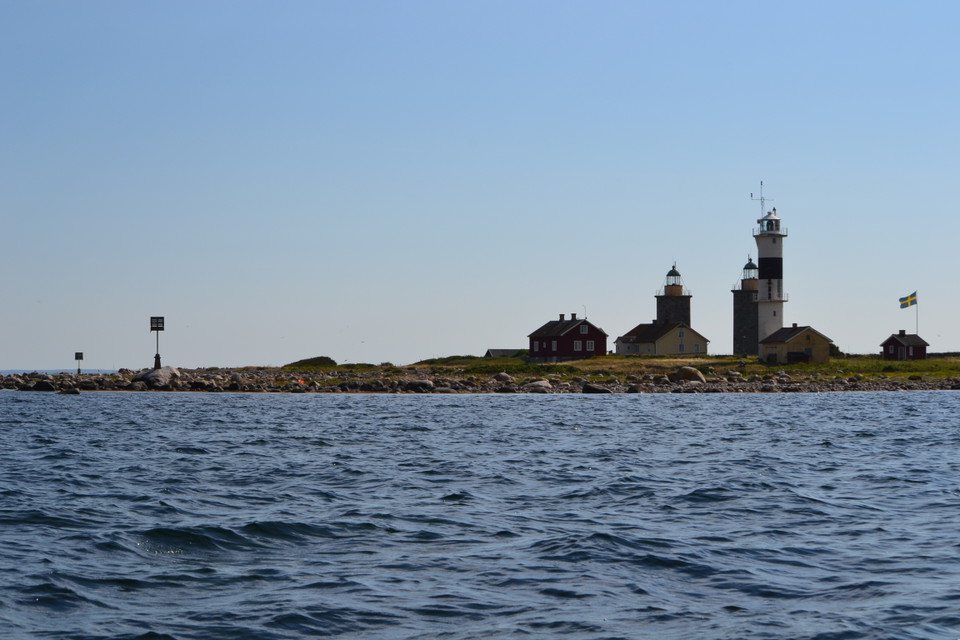
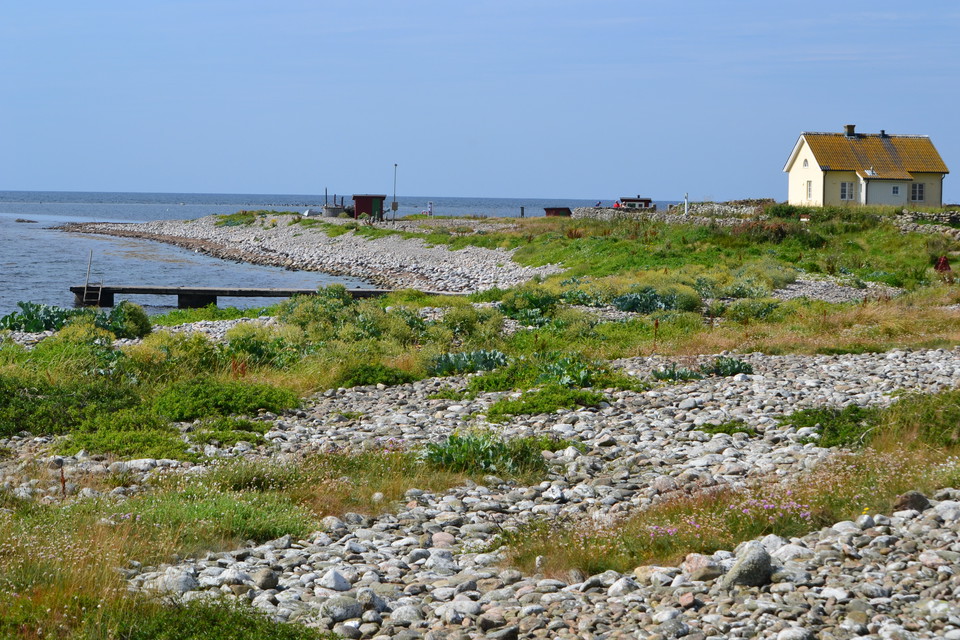
Nidingen is one of Halland's finest bird islands. After the Peace of Brömsebro, in 1645, Nidingen came under Swedish administration and thus became Sweden's first lighthouse. Due to sensitive bird life, access to most of the island is prohibited from April 1 to July 15. In summer, there are boat trips to Nidingen
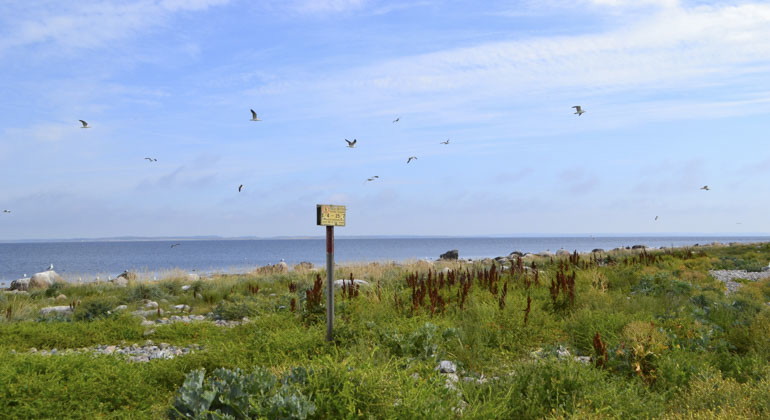
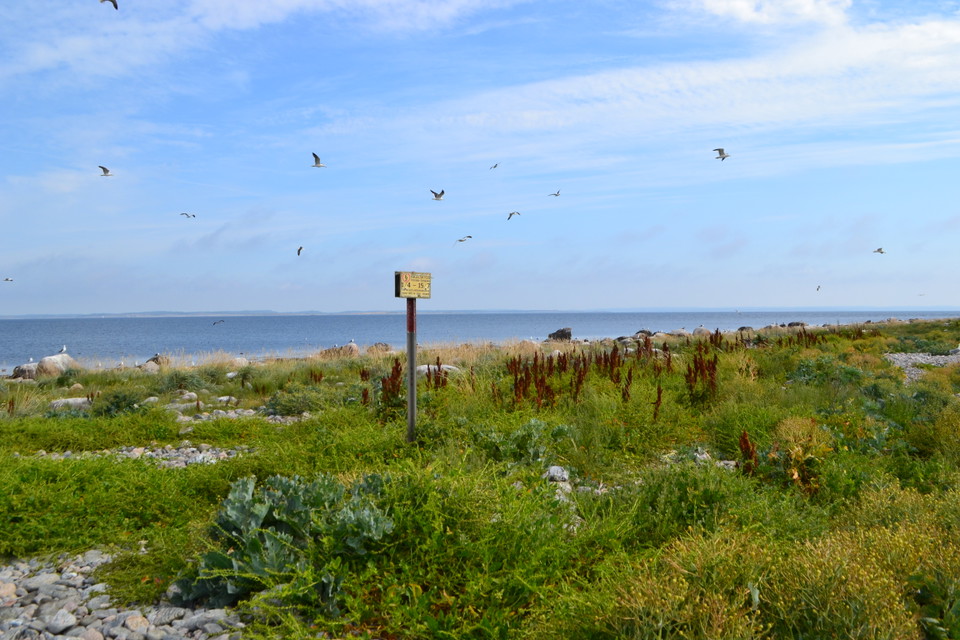
On Nidingen there is a rich bird life. The island is home to large populations of Kentish tern, sanderling and little auk. In addition, Sweden's only colony of three-toed gulls is found here. There has been a bird station on the island for over 30 years. The Gothenburg Ornithological Society runs the activities, which revolve around ringing, research and other bird studies. In 2016, almost 9,000 birds of 110 different species were ringed. Read more about the bird station on the association's website.
During the summer there are also seal colonies on the island. The island's flora consists mainly of seashore plants such as sea beet, sea kale, sea buckthorn, sea horsetail and sea wormwood.
Treacherous reefs
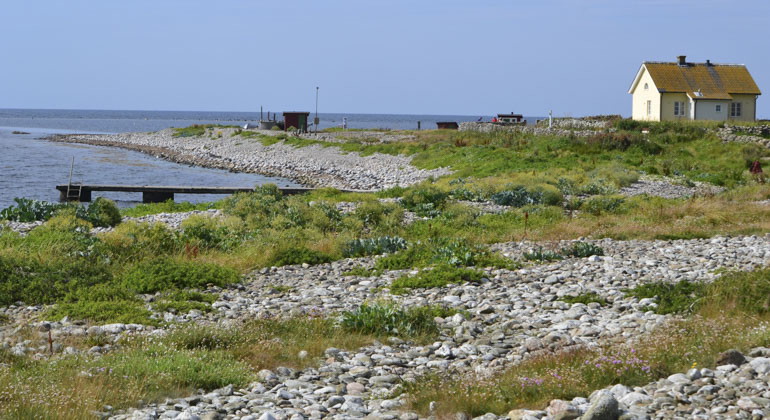
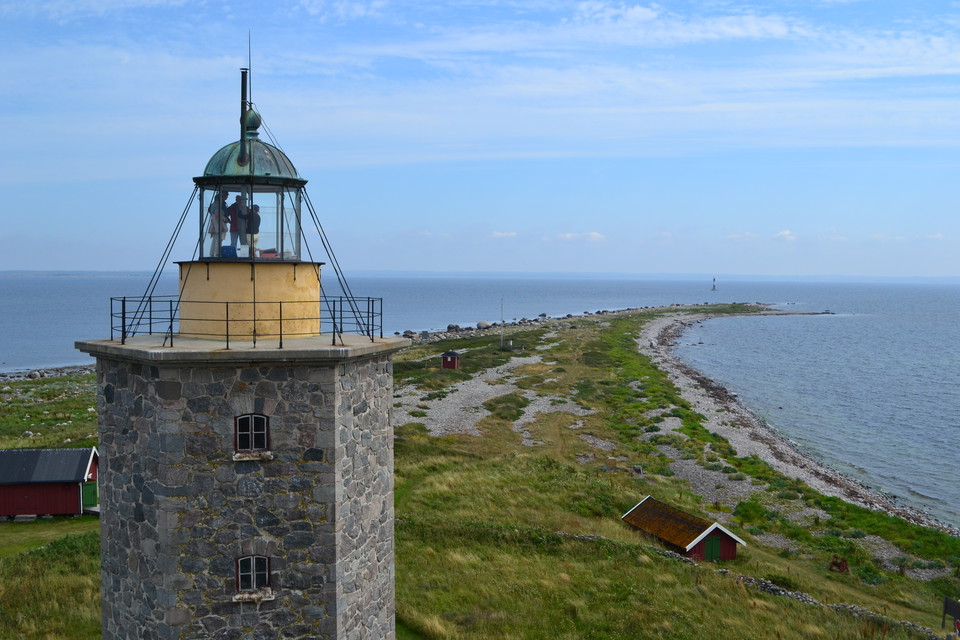
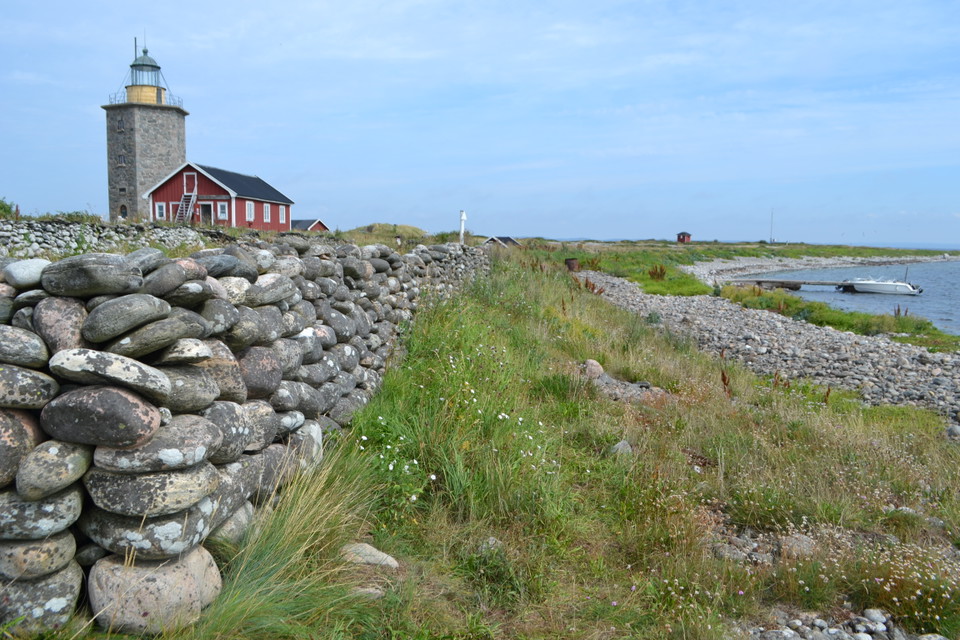
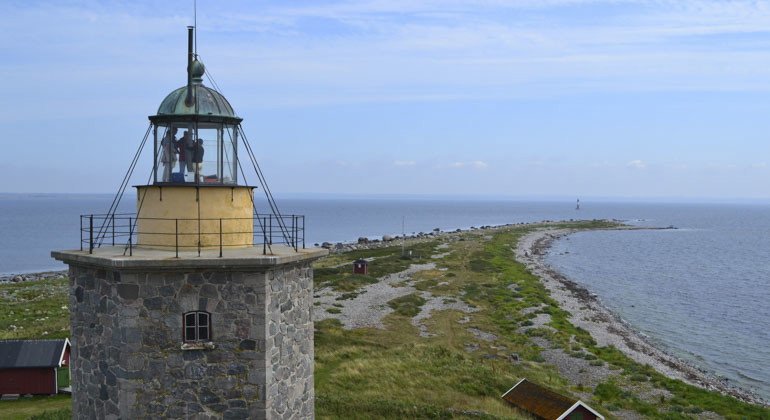
The island is about one kilometer long and three hundred meters wide, and is probably an end moraine that has been eroded. End moraines form in front of and at the edge of the glacier as the ice sheet pushes loose material in front of it as it grows. This partly explains the shifting and treacherous reefs nearby. Although there has been a lighthouse on the island throughout its Swedish history, over 600 maritime accidents have occurred in the waters around the island. This is reflected in the island's graves. These include the 'priest's grave' on the eastern end and the 'Dutchman's grave' in one of the lighthouse's potato fields.
First lighthouse already in the 17th century
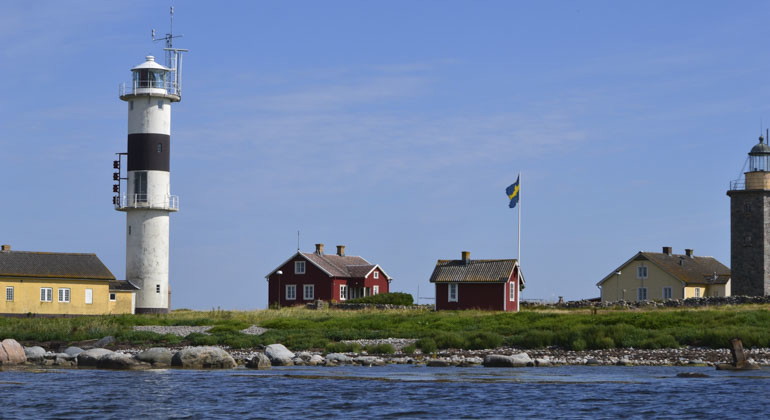
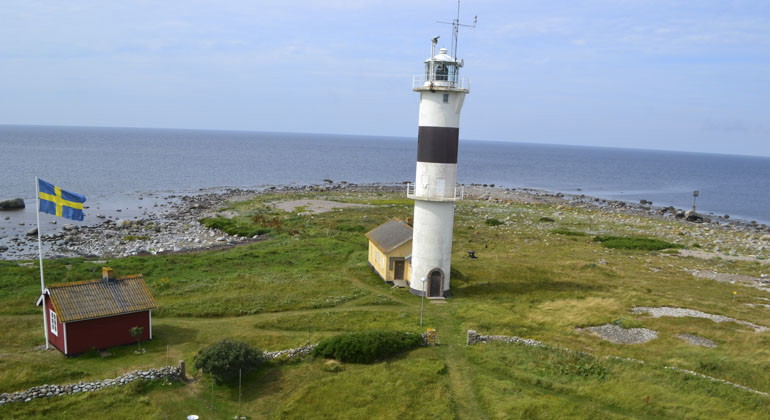
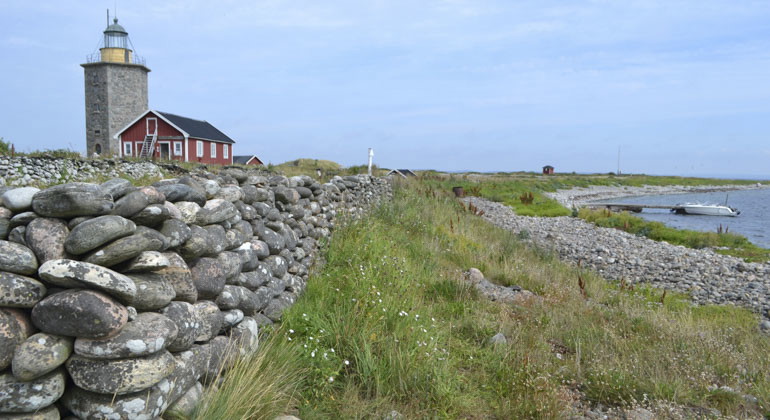
The Danes built the first lighthouse as early as 1624, which consisted of two wood-fired 'tilting lighthouses'. In 1834, two hexagonal lighthouses were built, which are now listed buildings. At the same time, a larger residential building was built for the lighthouse keepers and their families. The number of residents on Nidingen has periodically been large. In 1916 there were three families on the island and no less than 23 children. In addition to their work, they had various side jobs to supplement their diet. They grew berries and vegetables, fished and hunted seals and seabirds. Seals brought cash for their blubber and skins.
No one lives on the island today
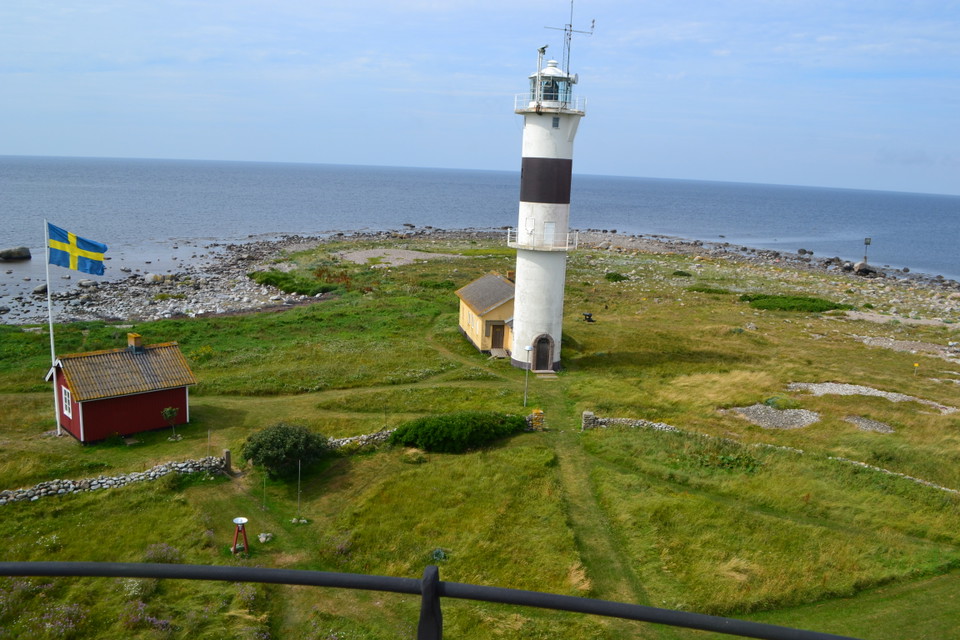
After the Second World War in 1946, a major modernization of the lighthouse site was carried out, including the construction of a new lighthouse tower. In 1973, the actual lighthouse task disappeared from the staff when the lighthouses were automated. When the lighthouses became automatic, the tasks consisted mainly of regular reports to SMHI and the Navy. In 1996, these were also automated and today there are no permanent residents on the island.
Activities And Facilities
- Nature reserve
Facts
Dominant habitat type: Chert
Municipality: Kungsbacka
Area: 725 hectares, of which the island is 13.5 hectares
Protected since: 1980
Owner: National Property Board
Trustee: County Administrative Board
Other: The area is part of Natura 2000
Directions
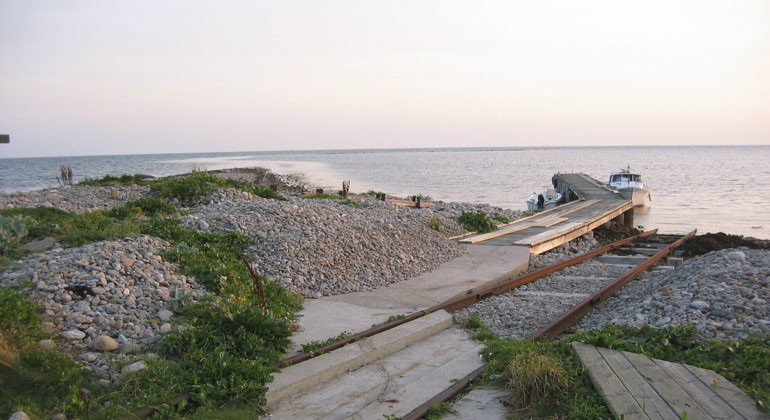
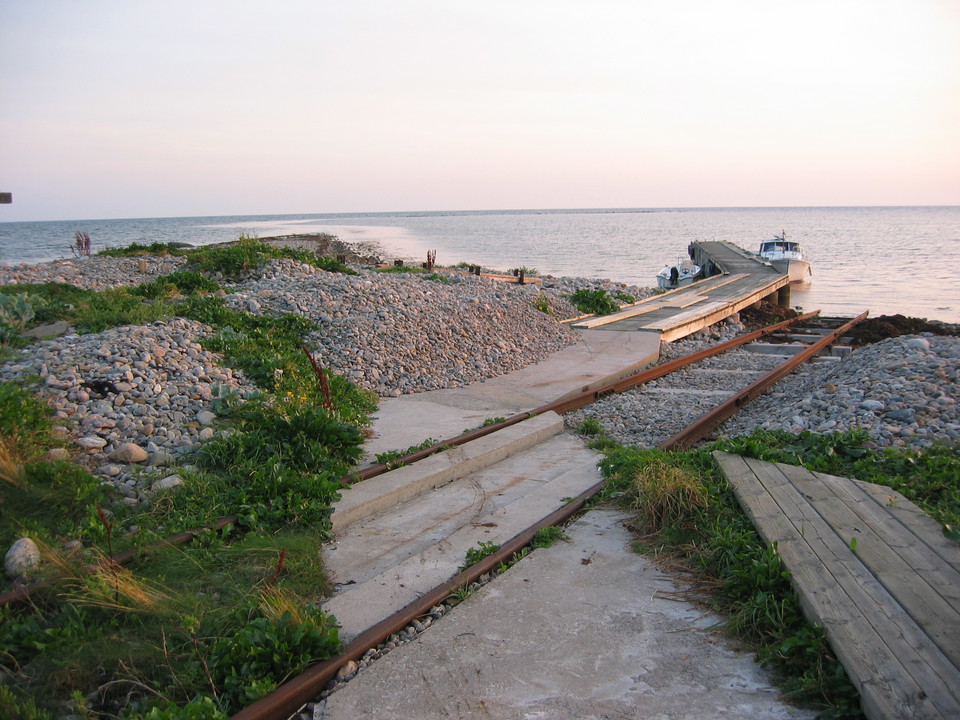
The island is located southwest of Malön off the southern tip of the Onsala Peninsula in Kungsbacka municipality. Directions: Nidingen is only accessible by boat. In summer, boat trips go to Nidingen. For more information contact Kungsbacka Gottskär Hotell, telephone: 0300-60089.
Regulations
To protect the nature reserve, the County Administrative Board has decided on special regulations, including those that you as a visitor to the area must follow and respect.
In addition to what applies under other legislation, it is forbidden to:
- during the period 1 April to 15 July annually, land with a boat or stay on Nidingen or within the surrounding water area up to a distance of 100 meters from the shore with the exception of the southwestern part of the island and the adjacent water area (see map in the reserve decision). The prohibition does not apply to state or municipal officials on official business.
- damage vegetation, for example by digging up plants
- disturbing wildlife, e.g. by behaving inappropriately towards flightless young birds,
- taking animals or plants while diving
- camping
- bringing an unleashed dog or other stray pet
- using radios, tape recorders and the like in a disruptive manner, and
- setting fires.
Contact
Address
Kontakta reservatsförvaltningen för frågor, synpunkter och felanmälan.
Email address
Länsstyrelsen i Hallands län
Organization logotype
Please be aware that some of these texts have been automatically translated.
I’ve been here 1
I want to go here
Questions & Answers
Ask a question to other Naturkartan users.
Reviews
0 reviews
- 5 :
- 4 :
- 3 :
- 2 :
- 1 :
Users images
No user images yet. Be the first to share!