
Outdoor life
Images
-
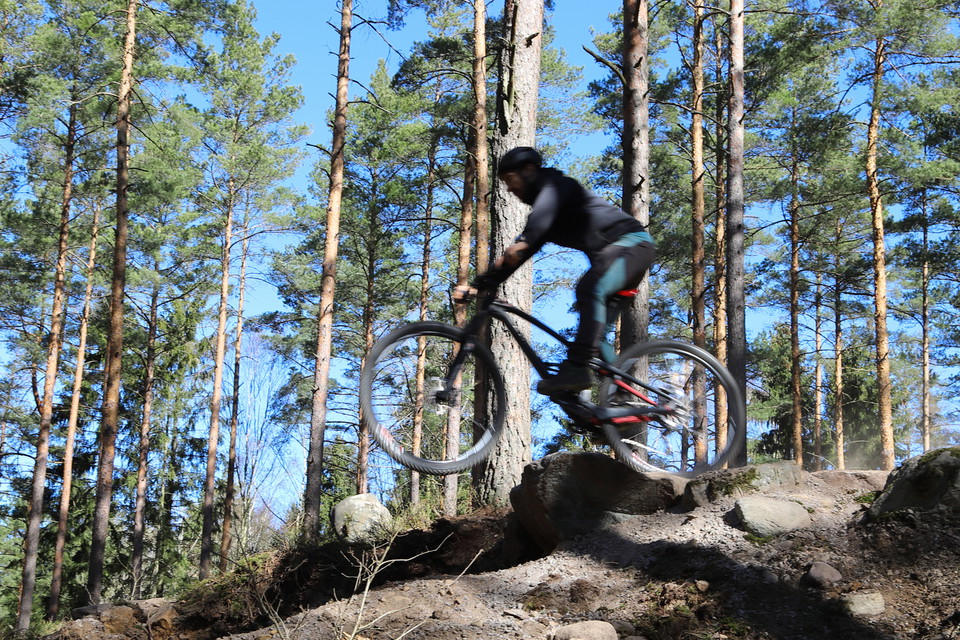
Photo: Kalmar Kommun -
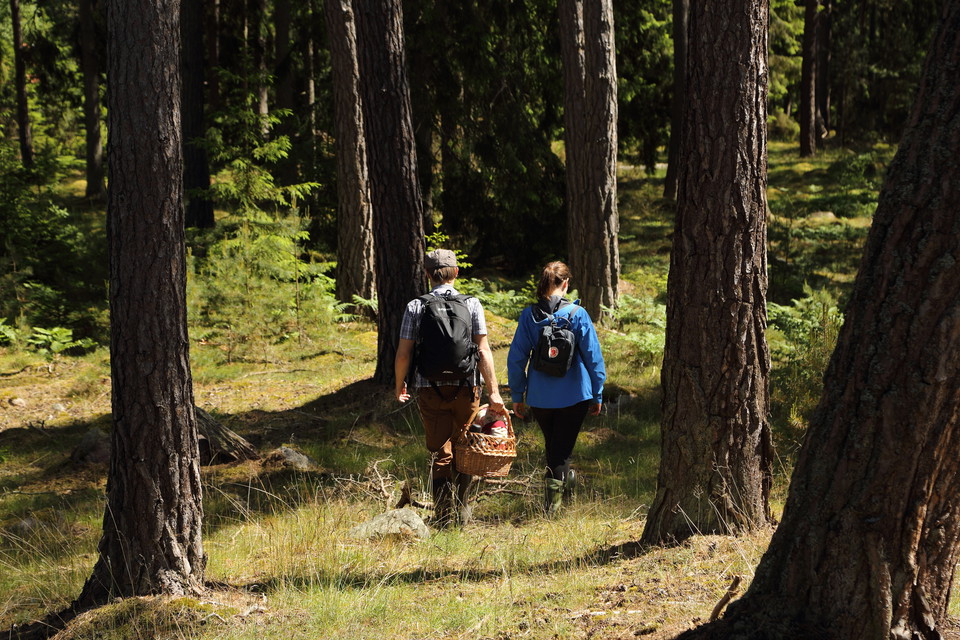
Photo: Kalmar Kommun -
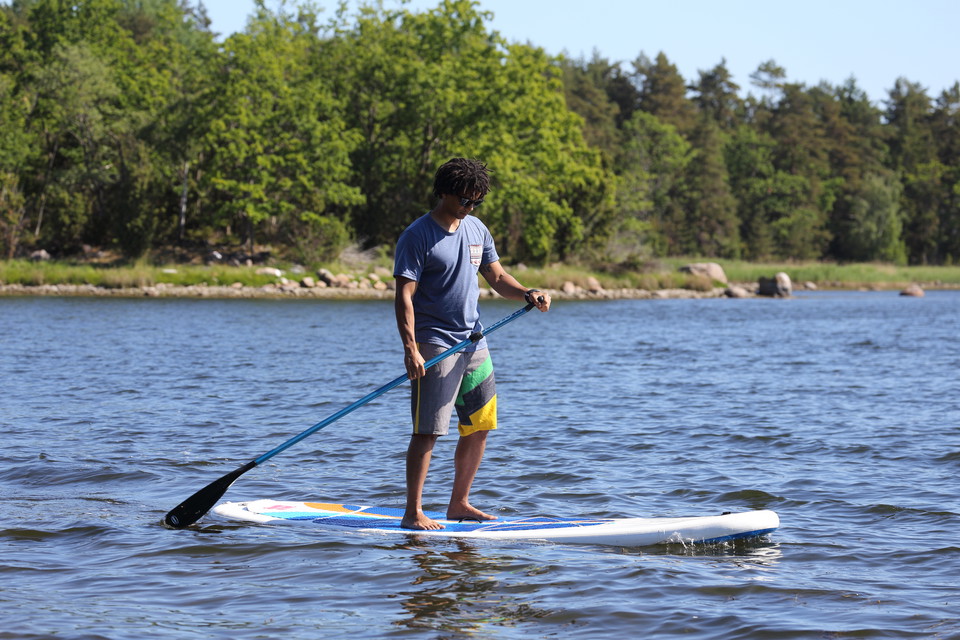
Photo: Kalmar Kommun -
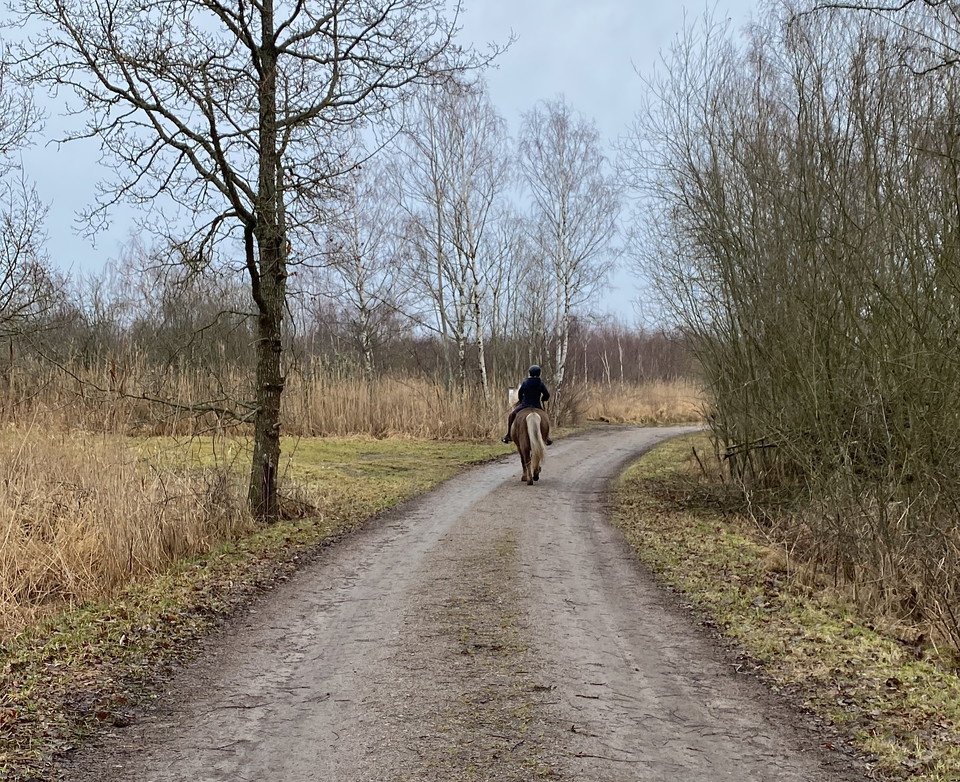
Photo: Lina jakobsson
Let the adventure begin!
Fun, safe and educational adventures for everyone, all year round. In the forest, on the water or in the mountains.
The traditions and origins of outdoor life in the Scandinavian countries, particularly Sweden and Norway, are rooted in values such as simplicity, humanity’s relationship with nature, and the individual’s opportunity to live and dwell in nature. Spending time outdoors in natural and cultural landscapes for well-being and nature experiences.
Why outdoor life?
Outdoor activities contribute to physical and mental health. Fresh air, sunlight and physical activity are essential to our well-being.
Outdoor activities and spending time outdoors foster a deeper understanding of the natural world, ecosystems and biodiversity.
Outdoor recreation can stimulate local economies, promote tourism and create jobs related to outdoor activities.
History
The concept of outdoor life dates back as far as the early 18th century in Sweden. It was then that what has come to be known as the ‘green wave’ took hold, meaning that nature came to play a vital role in society at that time, as well as in people’s opportunities for recuperation and for invigorating both body and mind. Previously, nature had been perceived as frightening and associated with uncertainty and danger. However, it now became a place where health-promoting activities such as walking, visits to parks or newly built bathing houses constituted the primary outdoor activities. However, these were mainly used by the upper classes and the wealthy during this period, as they were considered exclusive and required considerable financial means.
During the 19th century, outdoor recreation became popular and accessible even to the lower social classes, partly as a result of industrialisation and urbanisation, but above all due to the emergence of several organisations promoting nature, such as Svenska Turistföreningen (STF) and Friluftsfrämjandet.
Industrialisation and urbanisation in the 1930s led to increased prosperity in Scandinavian cities, which created better opportunities for the general public to enjoy outdoor activities.
Better working conditions and more leisure time were followed by the ‘third green wave’ in the 1950s, with a growing interest in environmental and nature issues. The public was introduced to outdoor life from new perspectives through the media and politics. Among other things, welfare began to be discussed from an environmental perspective. Hostels and campsites were built, whilst the range of hiking trails across Sweden increased significantly.
During the 1960s and 1970s, opportunities for outdoor recreation in the local area increased as fitness centres and outdoor recreation centres were built on the outskirts of towns and cities. Common outdoor activities included canoeing, hiking and cross-country skiing.
Since its inception in 2014, Swedish Outdoor Day has been celebrated every year on 29 April to highlight all the positive effects that spending time outdoors has, both in leisure time and during the school and working day.
Sweden's outdoor objectives
Sweden’s overarching objective for outdoor recreation is to ensure that everyone has access to experiences of nature, well-being, social interaction and a greater understanding of nature and the environment by promoting opportunities for people to spend time outdoors and take part in outdoor activities.
The Right of Public Access - Allemansrätten
In 1974, the right of public access was enshrined in law, marking an important milestone and laying the foundations for outdoor recreation and its development in Sweden. Even today, it is regarded as something unique and creates countless opportunities for outdoor recreation and for moving freely in Sweden’s natural environment.
Find out more about what the right of public access entails at Friluftsfrämjandet.
In 2025, Naturvårdsverket launched ‘The right of the public access’. This is new and updated material designed to provide information about the right of public access.
So whether you’re hiking a mountain trail, paddling on a calm lake or simply sitting under a tree, remember that the great outdoors is more than just an activity – it’s a way of celebrating the beauty of our natural world.
You can find more information about the great outdoors here;
Friluftsfrämjandet - Find your adventure!
Contact
Email address
Eva-Lena Larsdotter