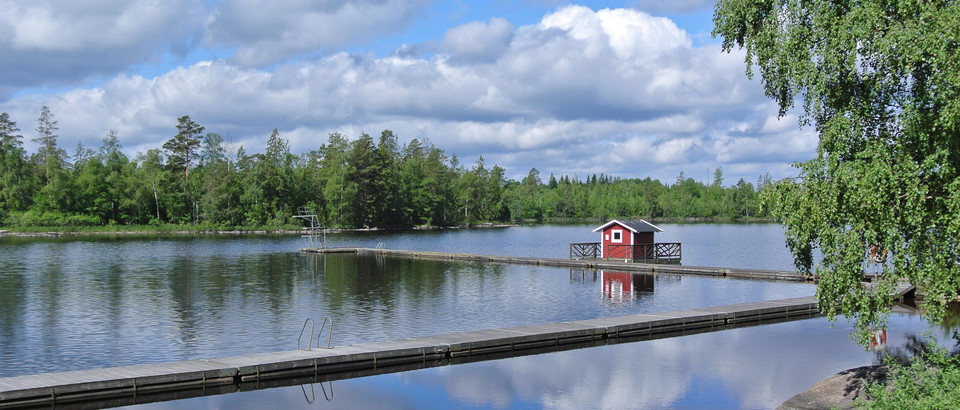

The nature reserve consists of Stensjön with surrounding varied woodlands and large open marshes with high botanical values.
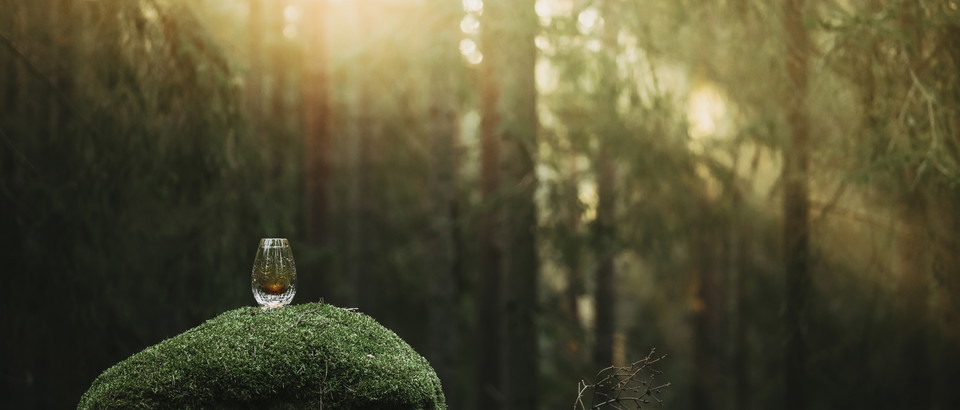
Stensjön is a relatively shallow lake that is home to perch, pike, roach and tench, but also rainbow trout that have been planted. The woodland within the reserve is of varying character - from older lean and dry pine forests to richer deciduous forests on moist land. Some parts of the forest have not been cultivated for a long time and have the character of natural forest. The mainly pine-dominated coniferous forests contain old, coarse pine with elements of deciduous trees such as oak, aspen and birch. Some of the really large oaks have particularly high natural values. Many of the natural values in Smedjevik are also linked to dead wood in various forms and stages of decomposition.
Bird life in the woodland is rich. Some of the species you may encounter are wolverine, black grouse, capercaillie, lesser spotted woodpecker, crane and pearl owl. At Stensjön you may also see Eurasian bittern and osprey. The flora includes interesting species such as the wood bumblebee moss, flower beard lichen and breadfruit. Many insects thrive in the old trees, such as the brown wood borer, Russian hightail and red-necked black beetle. South of Stensjön you will find two large open marsh complexes. These wetland areas are home to the unusual orchids bog and marsh orchids, and butterfly species such as the neglected moth, rose-breasted fritillary and black-spotted fritillary. On some of the moors there is an abundance of the otherwise western species bellflower and marsh lily.
The moist and fertile hayfields around Stensjön were shared by many villages. The availability of large areas of hay meadows was necessary to cope with the winter keeping of the animals. Even in the 1940s, some previously wet areas were used as fields in the western part of the reserve. When the cultivation of these fields ceased, they became damp again and have since been used to some extent for grazing.
There are abundant slag heaps (piles of residual products from iron production) within the reserve that testify to the iron production of older times. Iron-containing bottom sludge has been extracted and processed from the lake and its adjacent marshes. The name Smedjevik probably originates from extensive iron processing at the site.
Year of decision: 2006
Area: 487.7 hectares of which 413.9 hectares is land
Municipality: Nybro
Landowners: Swedish Environmental Protection Agency, Nybro municipality and individuals
Administrator: Kalmar County Administrative Board
About 6 kilometers north of Flerohopp.
In the nature reserve you are not allowed:
If you have obtained a permit from the County Administrative Board, you may:
C. Regulations according to Chapter 7, Section 30 of the Environmental Code on the right to travel and stay in the reserve and on order in general within the reserve.
It is forbidden to enter the reserve:
Regulation C6 does not apply in connection with hunting.
Per Markus Jönsson
Please be aware that some of these texts have been automatically translated.


Ask a question to other Naturkartan users.
0 reviews
No user images yet. Be the first to share!