-
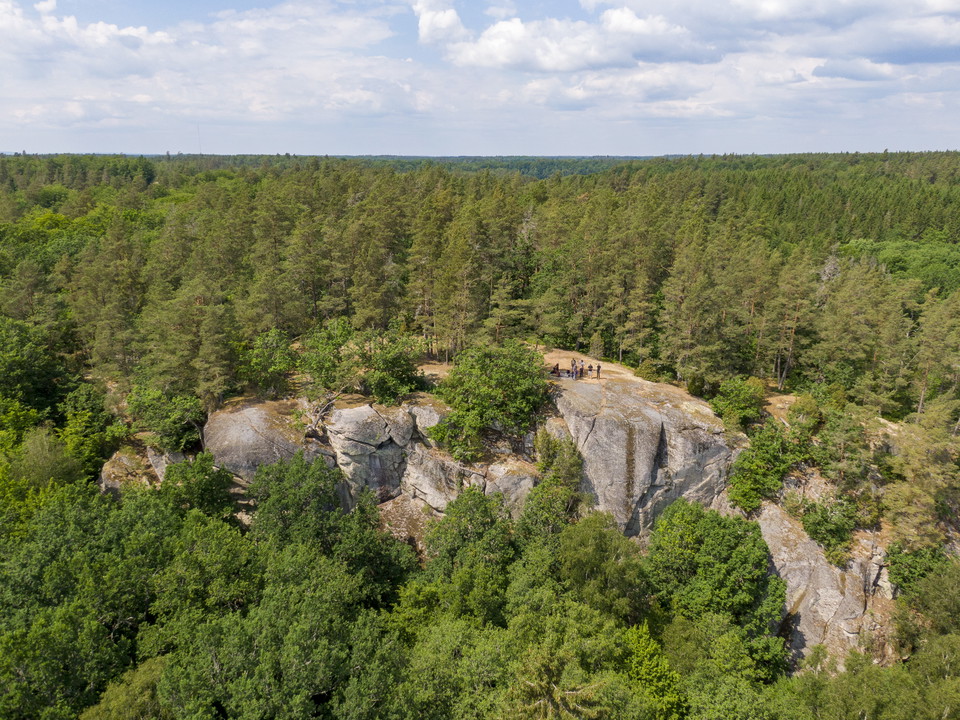
Valberget, drönarfoto.
Photo: Robert Ekholm/Länsstyrelsen Blekinge -
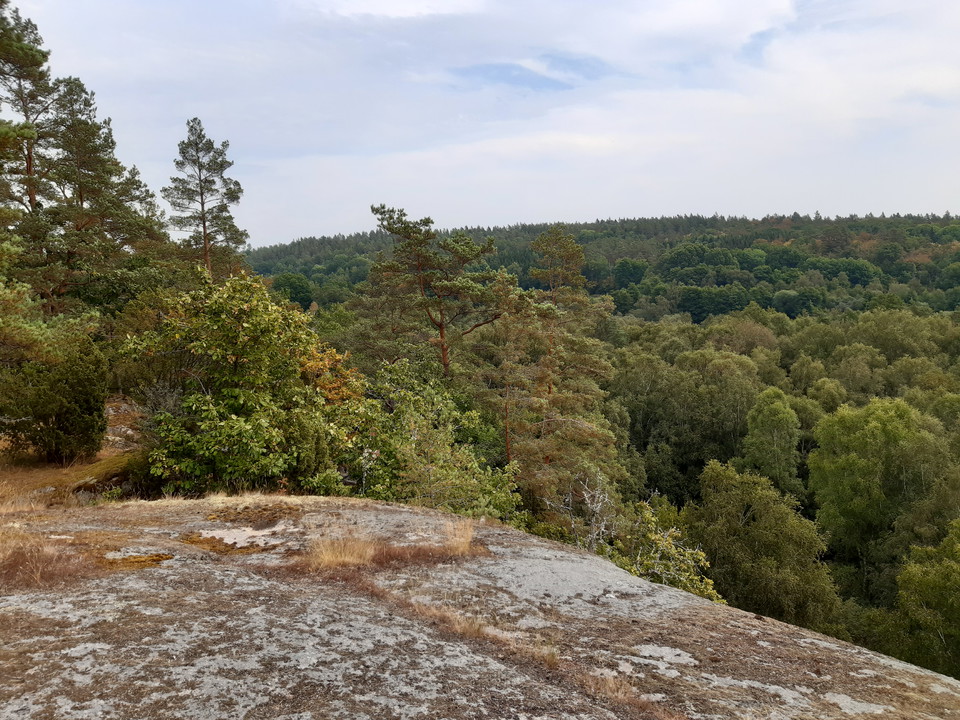
på Valberget.
Photo: Åke Widgren/Länsstyrelsen Blekinge -
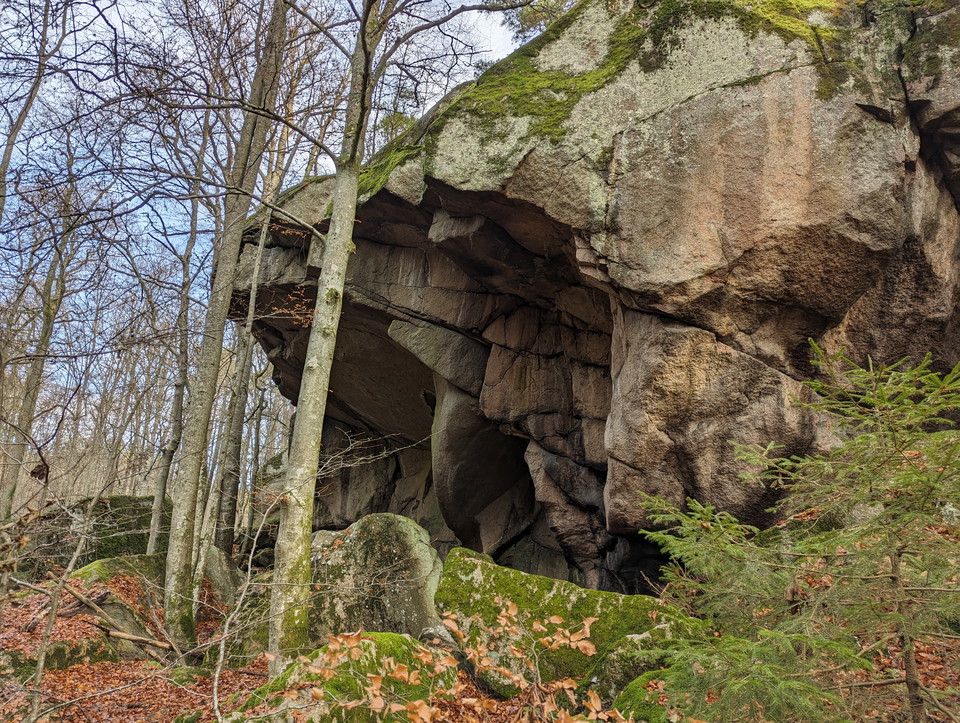
Överhänget Kyrkan.
Photo: Jonatan Wollmér/Länsstyrelsen Blekinge -
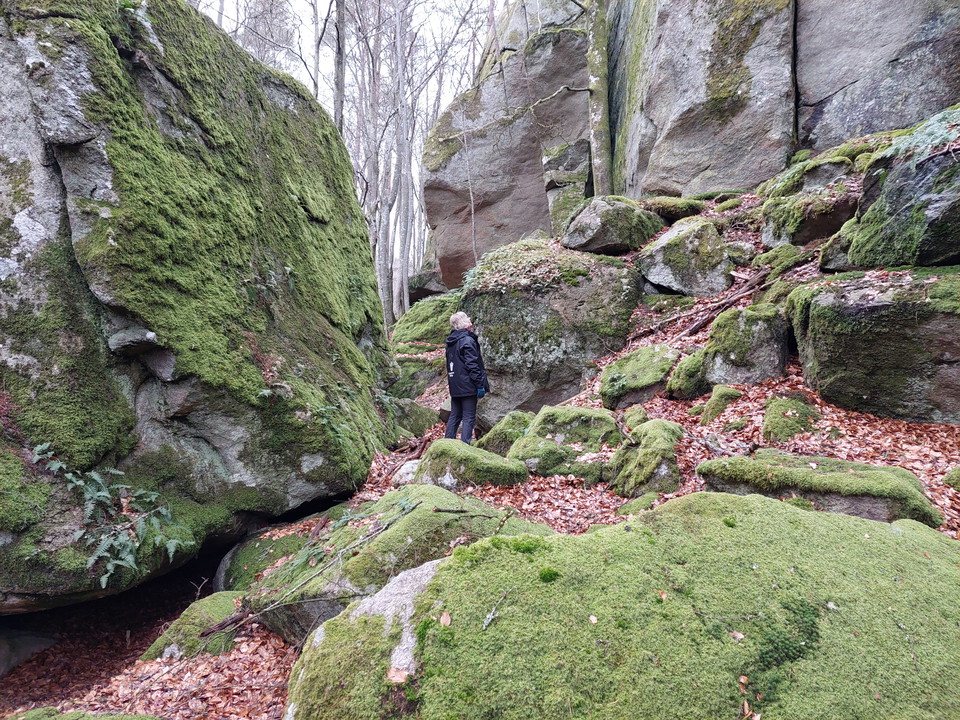
Storblockigt.
Photo: Elisabet Wallsten/Länsstyrelsen Blekinge -
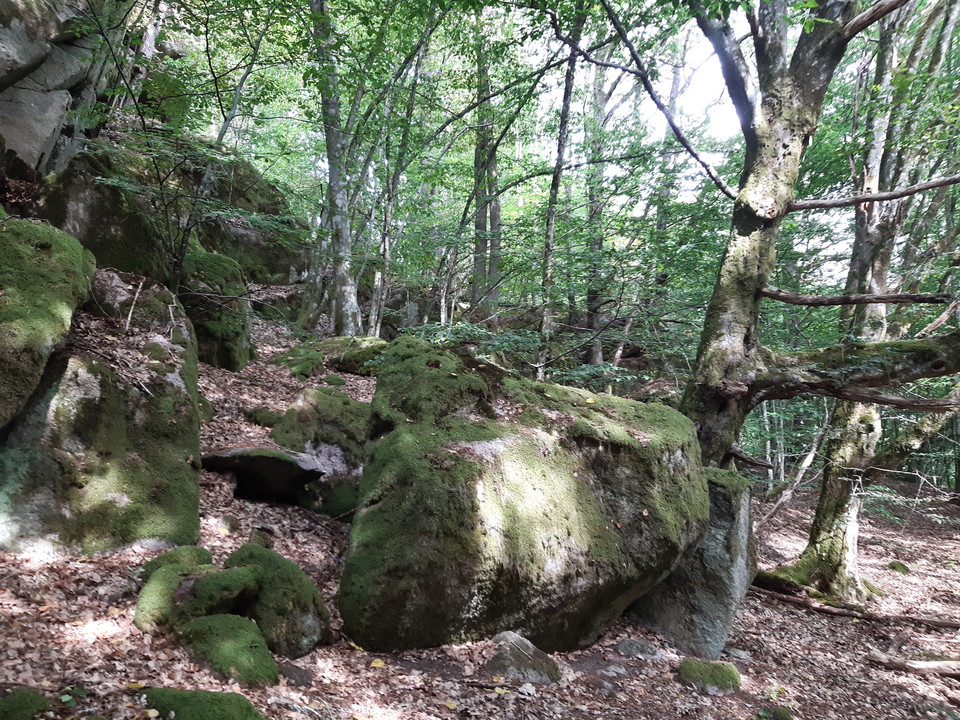
Blockrik ädellövsluttning.
Photo: Åke Widgren/Länsstyrelsen -
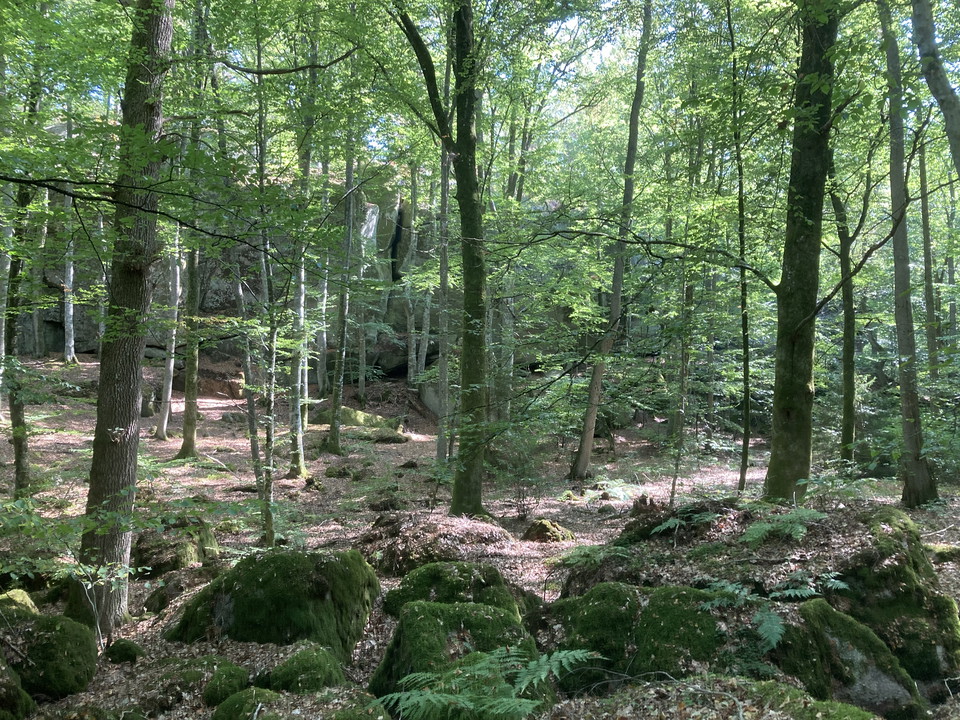
Ädellövskog.
Photo: Ulrika Widgren/Länsstyrelsen Blekinge -
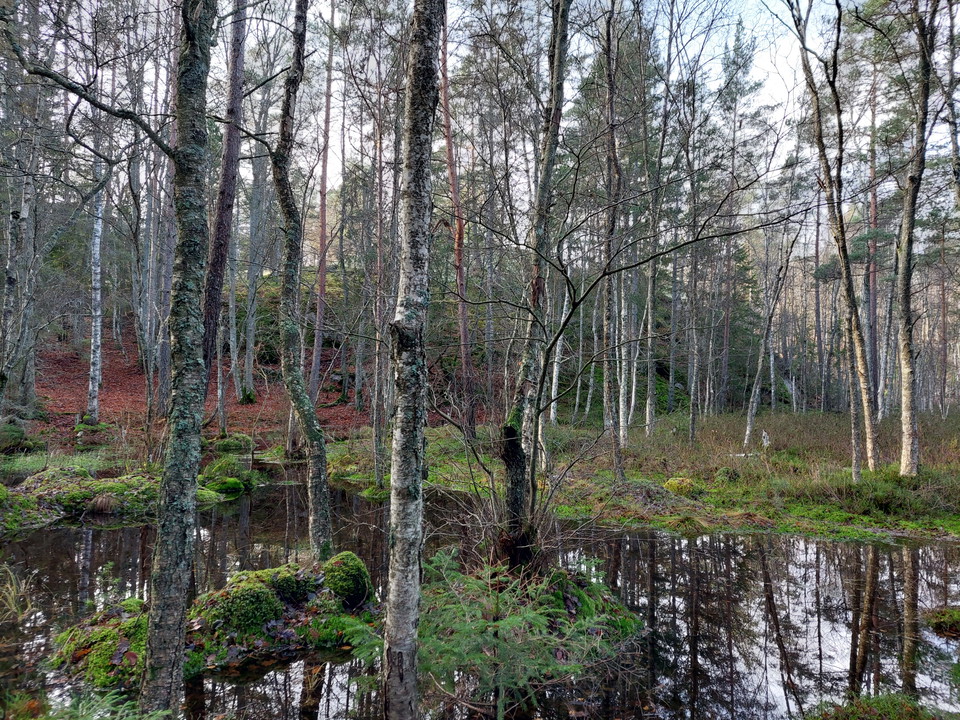
Myren.
Photo: Elisabet Wallsten/Länsstyrelsen Blekinge -
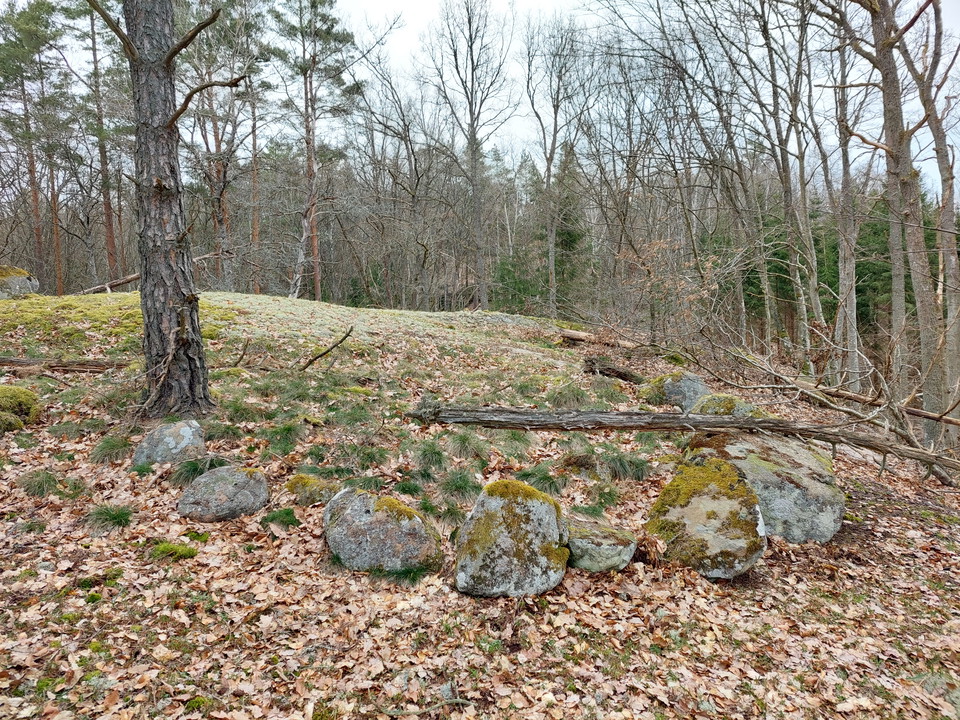
stensättning.
Photo: Elisabet Wallsten/Länsstyrelsen Blekinge -
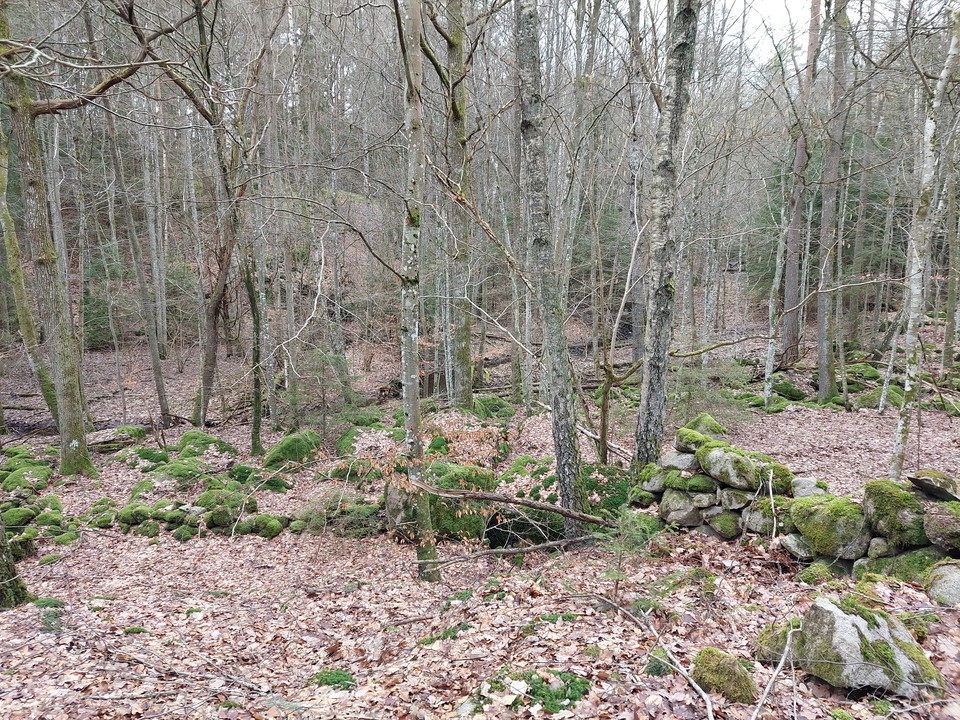
torpinäga.
Photo: Elisabet Wallsten/Länsstyrelsen Blekinge
Valberget, Naturreservat
- Nature reserve
- County: Blekinge län
Actions
Description
Valberget is a spectacular mountain, with mighty lodge walls rising above the surrounding landscape. The hilly terrain of the nature reserve is dominated by deciduous and pine forests.
Outdoor recreation and accessibility
The nature reserve is relatively inaccessible, about 2 kilometers from Tararp and 1.5 kilometers from Kölja, and there is currently no reserve parking in the area. But once you get here, the nature reserve is well worth a visit, not least the viewpoint up on Valberget. There is also the mighty overhang, called Kyrkan, and large boulders. Paths and small dirt roads lead through the area's forests. The vertical walls of Valberget are popular climbing areas and there are several climbing routes.
There are no accessibility facilities within the nature reserve and due to its inaccessible location and hilly terrain, none are planned.
Continuity forests and high nature values
The nature reserve is characterized by oak, hornbeam and pine mixed forests as well as beech forests, swamp forests and a hydrologically intact wooded bog. The forests are of different ages with a large number of older trees, up to 150 years old. Within the nature reserve there are red-listed and other species of natural value interest, including orange-powdered scribble lichen, rust spot, trap moss, golden curl moss, rock fennel, western hook moss, ivy and missne. Several of these are associated with broadleaf forests with high natural values and areas where there has been unbroken forest for a very long time. On damp or silted-up rock faces, foxtail moss and Siberian moss can be found.
A small part of Lake Agnsjön, with its shores and outlet to the south, is also included in the nature reserve. Agnsjön is one of two lakes in Blekinge where there is leech.
Below the vertical walls of Valberget, directly east of the nature reserve, there was previously a lake, Valsjön. It was drained in the 1920s to create farmland. Most of the former lake bottom is now forested.
Pilgrimsfalksberg, prehistoric graves and croft land
There are many myths and stories about Valberget. In the 18th century, the mountain's name was linked to the Valhall(a) of Norse mythology, which according to today's place name research is not correct. The name has also been linked to the Old Norse word valr, which means falcon. In the 19th century, it was said that peregrine falcons nested at Valberget and had done so since "time immemorial". Peregrine falcons are said to have nested at the mountain at least into the 1930s. But the mountain's name probably comes from another older word, the Swedish-Danish val, which means stick or staff and which here is supposed to refer to the high stone pillars that make up the mountain's south-eastern side. It has also been said that the mountain was a hereditary stupa, but according to modern research this is probably a myth.
Valberget Nature Reserve is located on old outlying land on the border between Tararps and Köljas villages, Asarums and Hällaryds parishes. Despite the area's relatively inaccessible location today, there are plenty of cultural and historical traces and remains. The oldest are stone circles, which are probably cremation graves, from the Bronze-Iron Age, located on some of the slightly lower mountains in the southeastern part of the nature reserve. This type of grave was, as here, usually built on mountain heights, clearly visible from ancient travel routes and settlements.
From recent centuries there are several stone walls that show old property and land ownership boundaries. Some older roads also run through the area. In the southern part of the reserve, during the 19th century, there were cultivated fields and meadows belonging to a croft, Wahltorpet. There are still many remains on the croft land, including stone walls, cairns, building foundations and remaining stump-grown broad-leaved trees. Parts of the land continued to be farmed until the 1970s and the surrounding forests were grazed by cows until the 1980s.
Activities And Facilities
- Nature reserve
Facts
Protection year: 2024
Municipality: Karlshamn
Type of environment: Forest land, Wetland
Characteristics: Mountain slopes, vertical walls, boulder fields, outlying forests with broad-leaved trees and pine, wetlands, outdoor life, cultural history
Area: Total 20.5 hectares, of which 20.1 hectares are land and 0.4 hectares water
Landowner: Private
Manager: Blekinge County Administrative Board
Type of protection: Nature reserve
Directions
From Tararpshållet: Along Tararps byväg, a couple of hundred meters south of Tararpsvägen, there is a small wooden sign for Valberget. Turn east there, onto a small road and follow it for about 1.5 kilometers to the nature reserve.From Köljahållet: From Gamla riksvägen, west of Hällaryd/Trensum, north along Köljavägen and then on small farm roads to the nature reserve, a total of about 3 kilometers.There is currently no parking associated with the nature reserve and no suitable parking facilities otherwise, so it is difficult to take a car to the area. Work is underway to find solutions to this, in the meantime we ask you to respect individual and private roads in the area.From the bus stop "Froarpsvägen" in Asarum it is 5 kilometers via Tararp to the nature reserve.From the bus stop "Aplakärr", Trensum, it is 3 kilometers via Kölja to the nature reserve.
Regulations
You are welcome to visit the Valberget Nature Reserve, but please note that it is not allowed to:
- drill, hack, blast, carve, dig, paint or in any way damage rock, soil or stone, on land or in water, or to redeposit or remove rock. However, replacing or placing new climbing bolts within existing climbing areas is permitted,
- damage stone walls or other cultural heritage sites
- unduly damage or disturb wildlife
- capture or collect plants, fungi or animals in such a way as to damage or destroy their habitats
- damaging living or dead, standing or lying trees and shrubs, removing or burning dead wood
- picking mosses, lichens or wood-living fungi, other than what is reasonably necessary for species identification. However, edible mushrooms may be picked for personal use, provided they are not protected,
- digging up or pulling up plants
- plant, sow or propagate plants, animals, fungi or other organisms
- drive motor vehicles
- camping or otherwise encamping for more than two days
- light fires or use barbecues or similar, other than in a specially prepared barbecue area,
Without permission from the county administrative board, you may not:
- carry out surveys involving sampling, marking, trapping, installation of equipment or other interference with the natural environment. When it comes to collection by destructive methods, for example so that substrates are destroyed, or systematic collection with traps, permission cannot be granted,
- using the area for competitions, exercises, events or other organized activities that may disturb nature or the public's outdoor life
- put up a board, poster, poster, sign, box, fence, signpost, inscription or similar device, other than temporarily (for a maximum of one week) in connection with hunting or organized outdoor activities.
Contact
Email address
Länsstyrelsen Blekinge
Organization logotype
Please be aware that some of these texts have been automatically translated.
I’ve been here
I want to go here
Questions & Answers
Ask a question to other Naturkartan users.
Reviews
0 reviews
- 5 :
- 4 :
- 3 :
- 2 :
- 1 :
Users images
No user images yet. Be the first to share!