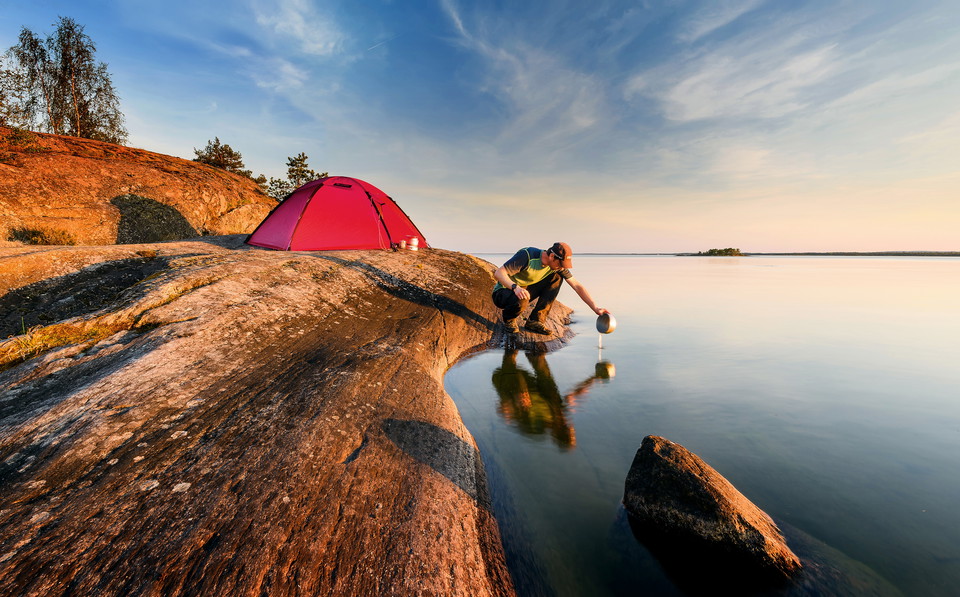
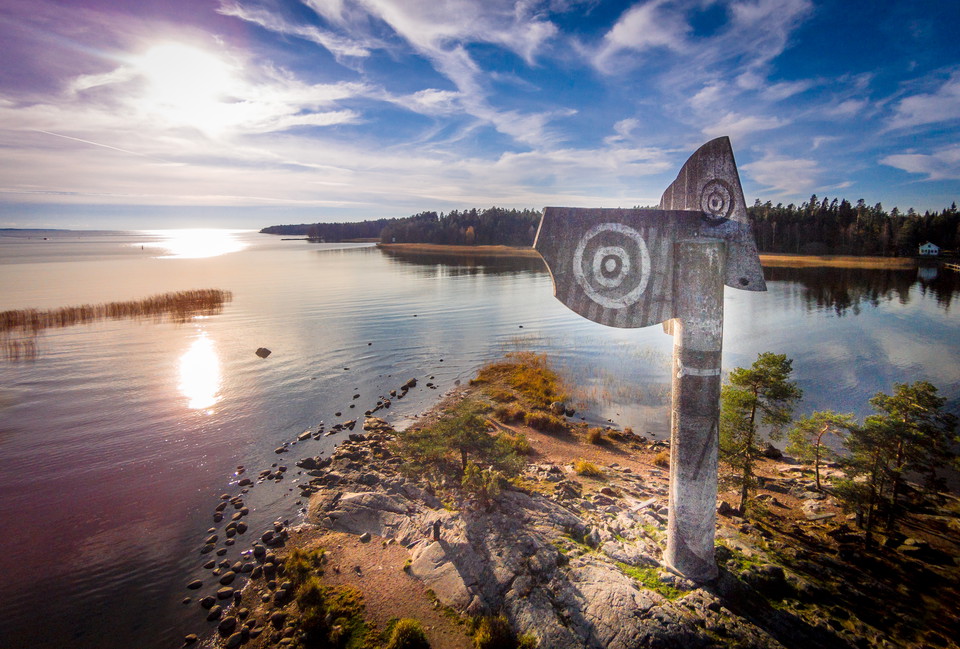
This reserve includes rocky beaches, water areas, forests and an ancient cultural landscape.
Show consideration for grazing animals
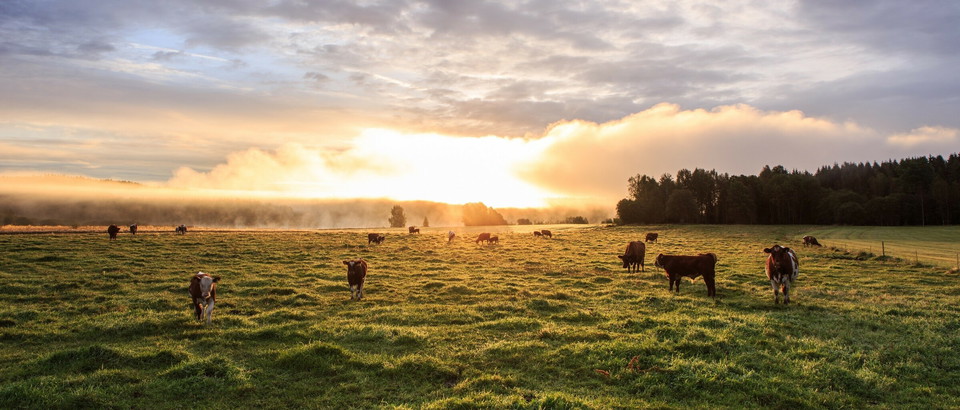
From May 1, there may be cows grazing on the land in the nature reserve. Please show consideration for the animals and do not bring your dog into the pastures.
Dyrön is mentioned for the first time in writing in the 1539 tax roll, but then with the name "Dijwröön". The hardwood-dominated land around the farm has long been grazed by the farm's cows. The former open fields were reduced as the cows became fewer, and eventually none at all. The light pastures gave way to today's fairly dense deciduous forests.
The varied nature, the secluded location and the unspoiled beaches have a very high value for plants, animals and outdoor recreation. One of the cornerstones of the reserve is to preserve the peace and quiet that prevails on Dyrön, for the benefit of both wildlife and visitors.
The reserve was established to care for and preserve the diversity of plants, animals and habitats. At the same time, the reserve will meet the need for areas for outdoor recreation. Dyrön is part of the EU's network of protected nature, Natura 2000, and is located within Kilsviken's RAMSAR area (wetland of international importance).
Animals and plants
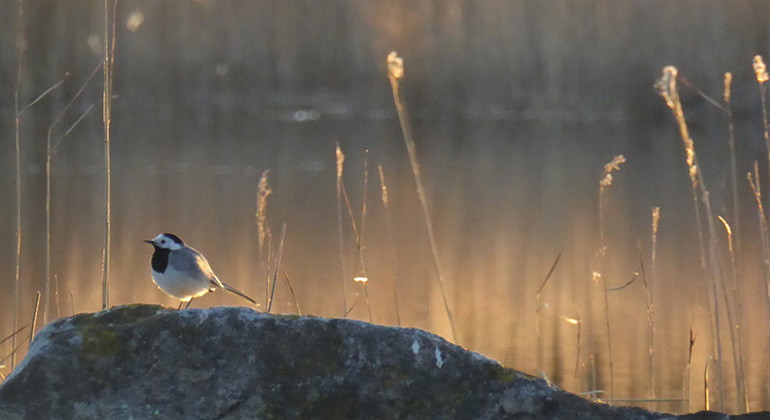
Dyrön's land has been protected by previous owners. The absence of car-borne bathers, boat docks and summer cottages on the beach helps to give the area a peace and quiet that is increasingly difficult to find. There are both osprey and common guillemot here, as well as the occasional sea eagle on a temporary visit.
The lush deciduous forests of the former pastures have a rich plant and animal life. Among other things, you can find bluebells, cornflowers and hogweed. The birdsong is occasionally deafening and there are some unusual species such as the lesser spotted woodpecker, great tit, common duck and stone curlew. In the coastal meadows you can hear lapwings, greenlegs and teals. The outer parts of the peninsula have a more barren nature with sparse pine forests, small pine bogs with fragrant water hemlock and rocky beaches with curtains of alder.
Before your visit
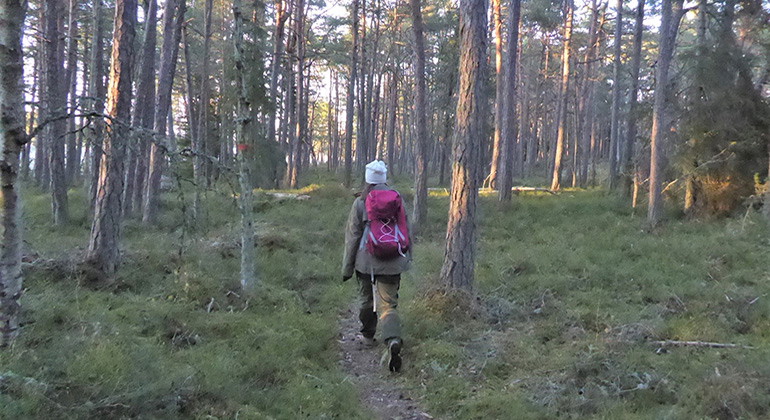
The hiking trails pass through pastures. The animals are generally in place from May to mid-October. It is NOT advisable to bring dogs into the pastures when the animals are there.