
-
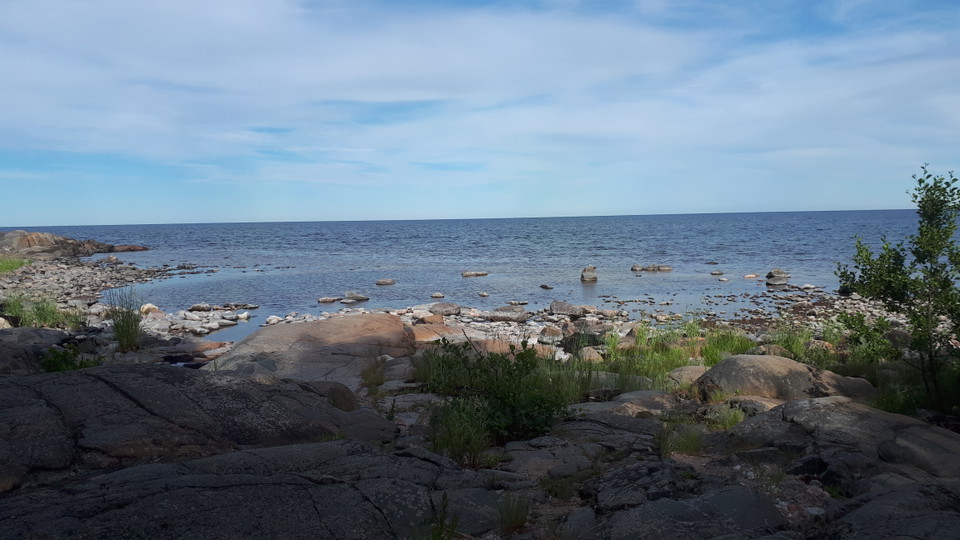
Tullviksbäckens mynning
Photo: Kjell Andersson -
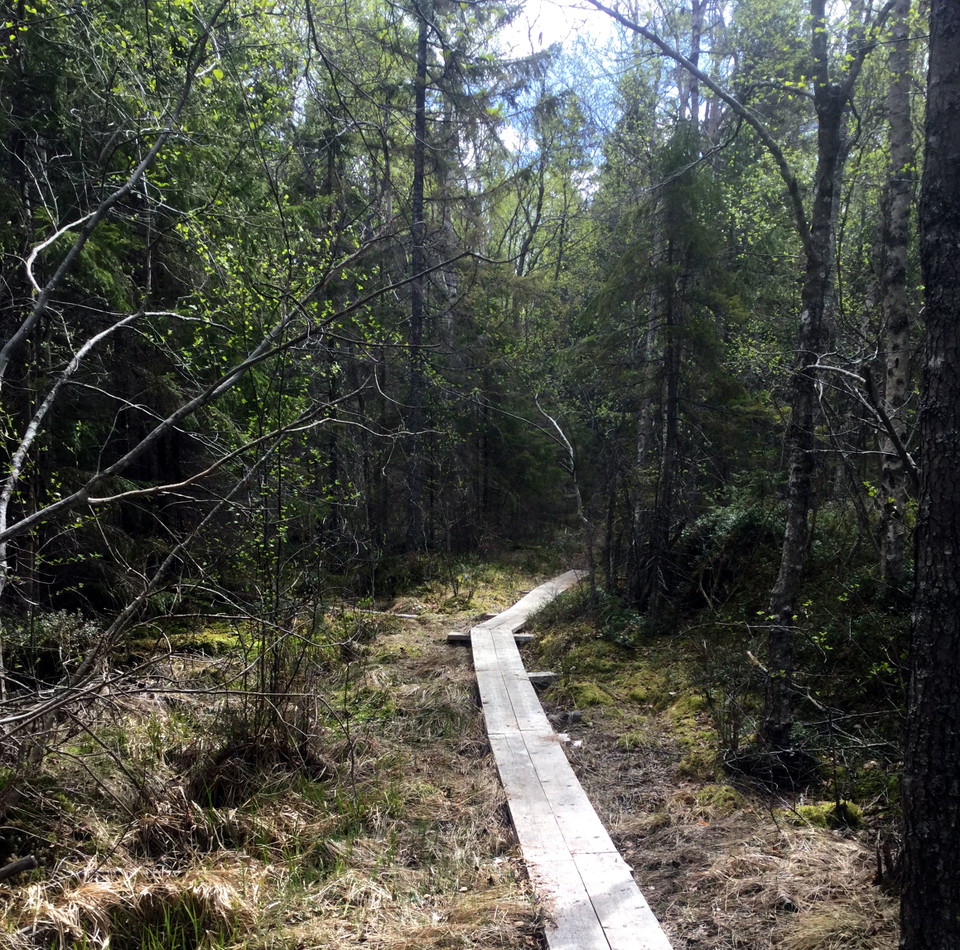
Vindlande led i Tullviksbäckens naturreservat.
Photo: Länsstyrelsen Stockholm -
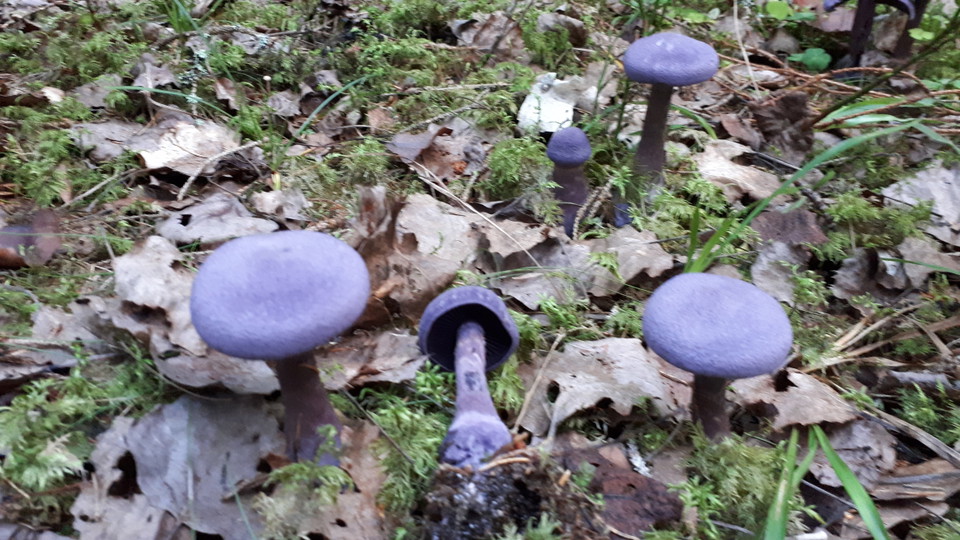
Violspindelskivling i Tullviksbäckens naturreservat.
Photo: Kjell Andersson -
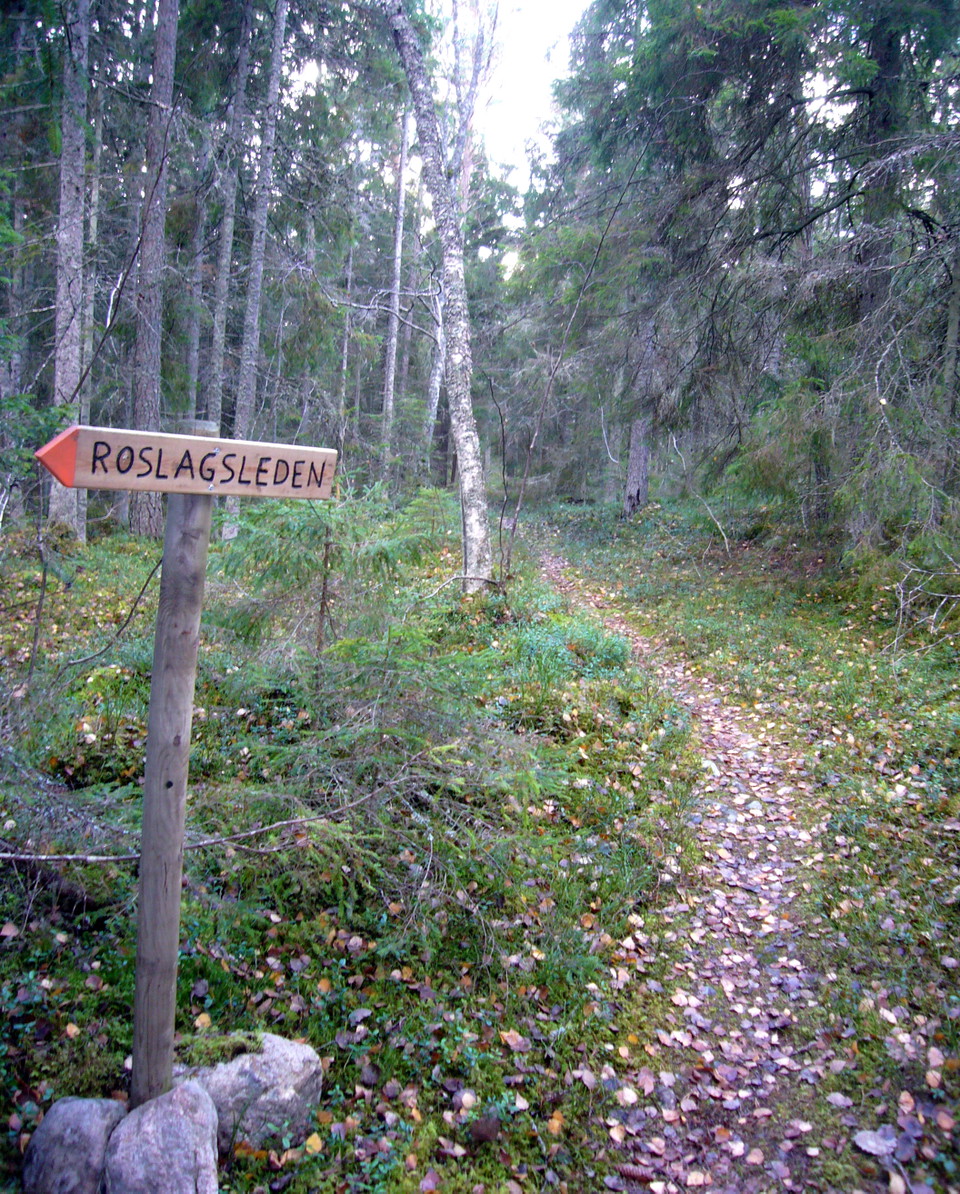
Roslagsleden passerar genom reservatet.
Photo: Länsstyrelsen Stockholm -
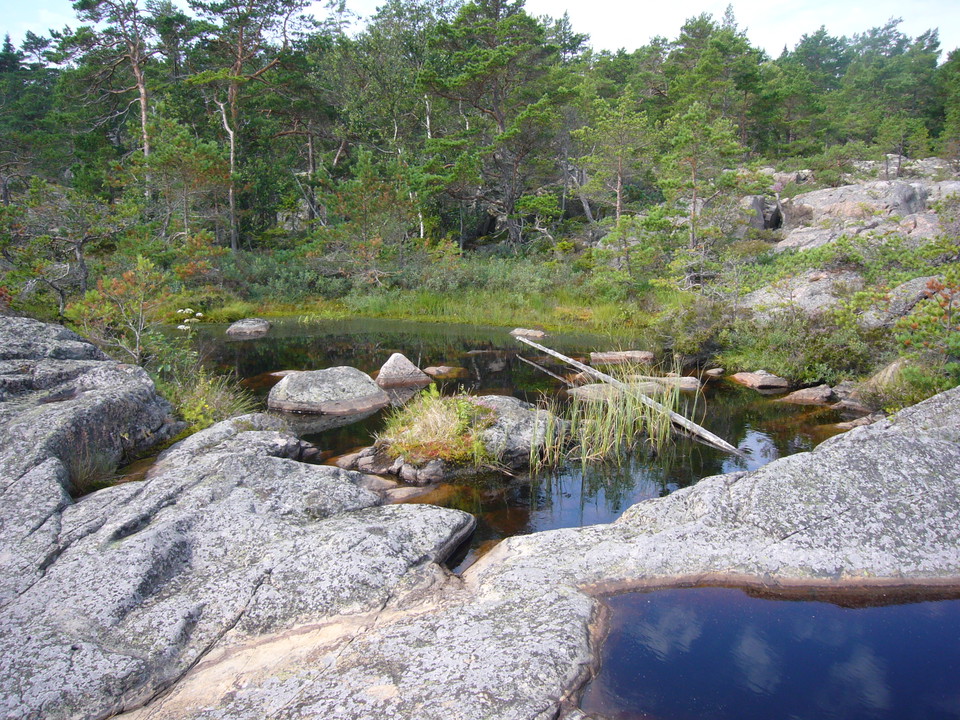
Spännande småvatten i Tullviksbäckens naturreservat.
Photo: Länsstyrelsen Stockholm -
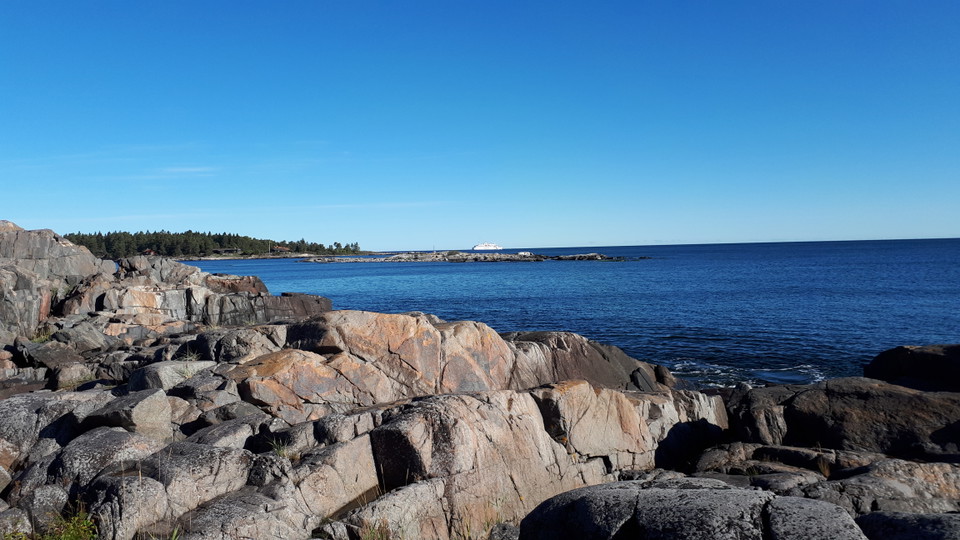
Tullviksbäckens naturreservat med utsikt mot farleden i norr.
Photo: Kjell Andersson -
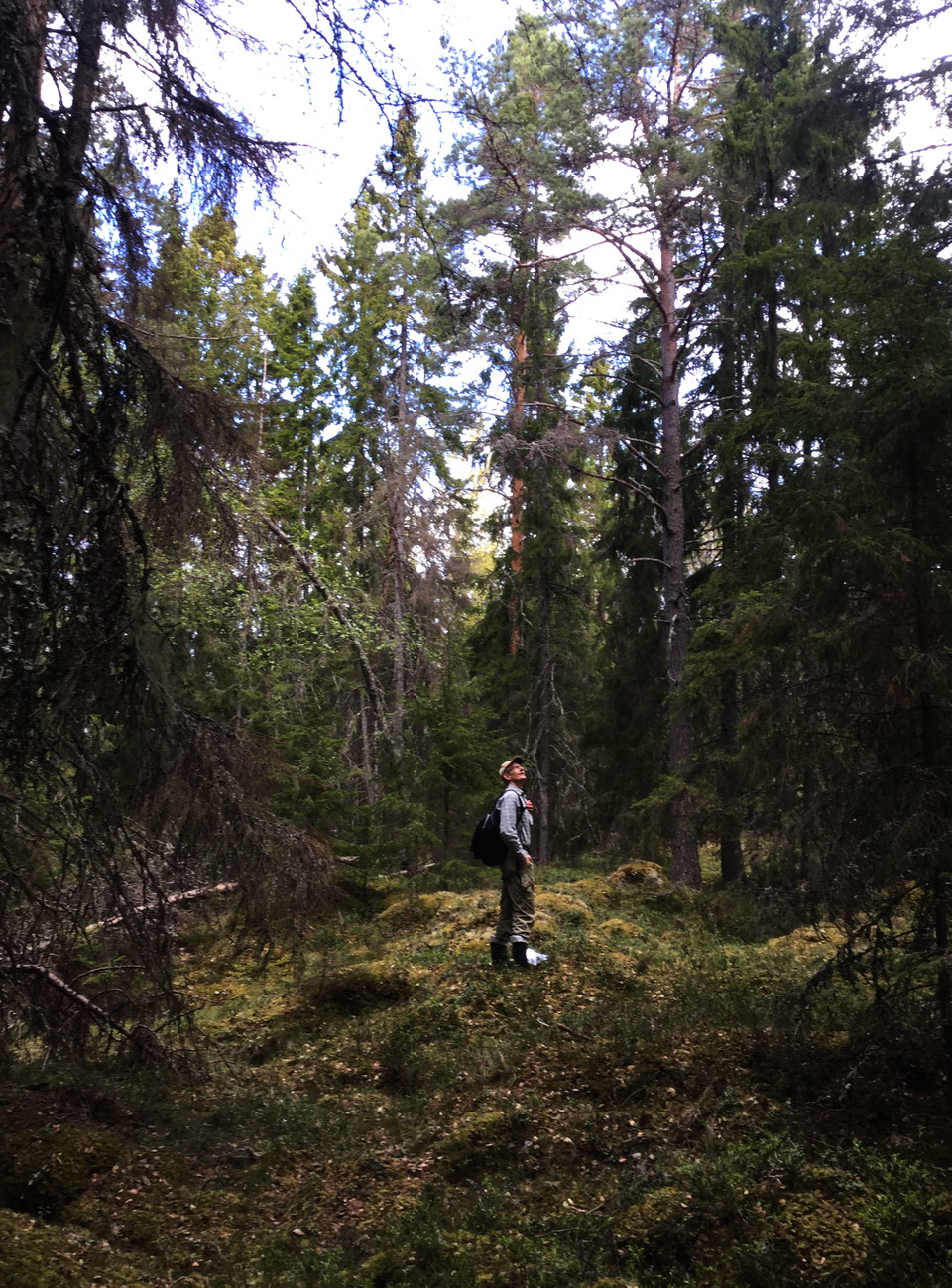
Bland stora träd i Tullviksbäckens naturreservat.
Photo: Länsstyrelsen Stockholm -
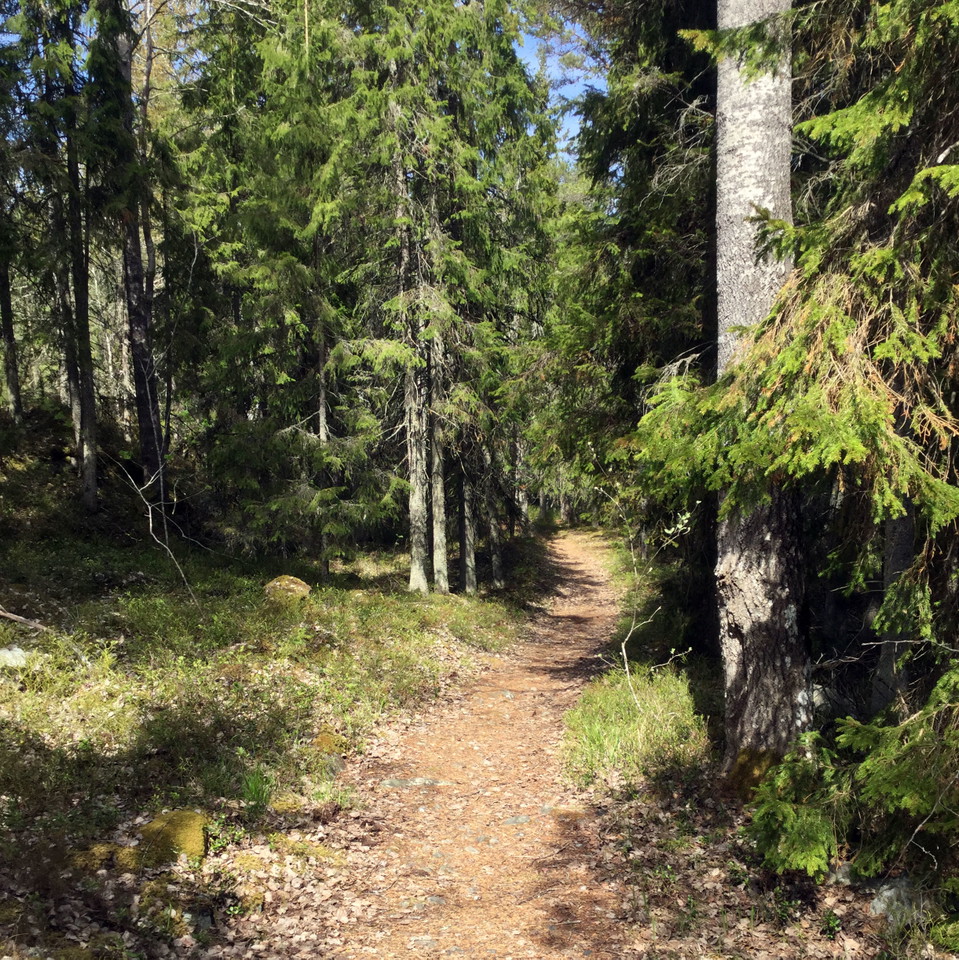
Fjädrande stig i Tullviksbäcken.
Photo: Länsstyrelsen Stockholm
Tullviksbäcken
- Nature reserve
- County: Stockholms län
Actions
Currently
Warning!
The reserve has scattered infestations of spruce bark beetle. This means that there are a lot of dead standing spruces in the forest and along the paths.
The trees can fall suddenly and without warning. Keep an eye out and avoid visiting the reserve when it is windy!
Description
The Tullviksbäcken creek consists of two creeks that wind their way through the forest in different directions before joining and flowing out into the sea. This creek is one of the region's most important mating grounds for brown trout. A special fish, the river lamprey, also has its mating grounds here. This fish is considered a "living fossil", having remained practically unchanged since it first appeared in the fossil record 360 million years ago.
Closer to the sea, alder marshes and spruce forests rich in flowering plants line the creek's edge. Along the coastline, the forest becomes sparse and wind-blown, with gnarled pines and bare cliffs. In the water-filled pools in the bedrock, you can catch a glimpse of both great crested and smooth newts! Sea buckthorn, a durable plant that can withstand exposure and salt, grows along the beaches.
In the southern part of the reserve, there are old coniferous forests rich in aspen, as well as areas with deciduous trees like oak, linden and ash. Rare species of fungi can also be found here. Plants like wood sanicle, common hepatica and baneberry reveal the presence of limestone in the soil.
Section 11 of the Roslagsleden trail runs along the coastline and through the reserve.
Activities And Facilities
- Nature reserve
Facts
Protected since : 1989
Size : 238 of which hectares of land 130 hectares
Character : coniferous forest, waterways, marine environments
Municipality : Norrtälje
Manager : County Administrative Board
Form of protection : nature reserve
Other : Natura 2000 area Tullviksbäcken SE0110147
Directions
The nature reserve is located on the north side of Väddö island.
By foot: Stage 11 of the Roslagsleden trail (Sandviken - Grisslehamn) passes through the nature reserve.
** By public transit: ** You can catch an SL bus along the stretch between Norrtälje and Grisslehamn. From the Söderfjäll mellersta bus stop, it is a 3 km walk to the south-western part of the reserve. The northern parts of the reserve are a 3 km walk from the Tomta övre bus stop.
** By car: ** The nature reserve can be reached by car via Route 283 to Grisslehamn. Parking is available by the southern road near the Fjällboholmar summer cottages, as well as just north of the reserve at Kvarnsand.
Regulations
In order to protect the Tullviksbäcken nature reserve, please respect the following rules.
Within the reserve, it is forbidden to:
- destroy or damage permanent natural structures or surfaces by drilling, cutting, blasting, carving, painting or similar,
- disturb wildlife (e.g. by deliberately being close to bird nests or by climbing nesting trees),
- bring dogs, cats or other pets that are not on a leash,
- operate motorised vehicles outside of designated roads,
- park outside of designated parking areas or park a motorhome or caravan,
- camp for more than two consecutive nights in the same place without consent from the landowner,
- make a fire,
- fish in the creek,
- haul boats onto land outside of designated sites,
- break branches, fell or in any other way damage living or dead trees and bushes or damage the vegetation in general by digging up plants, such as shrubs, herbaceous plants, mosses or lichens or by removing fungi growing on wood.
In addition, fishing in the sea within 500 m of the outlet of the Tullviksbäcken creek is prohibited from September 1 - December 31, according to regulations for protected coastal areas issued by the Swedish Agency for Marine and Water Management (FIFS 1994:12).
Contact
Email address
Länsstyrelsen i Stockholm
Organization logotype
Please be aware that some of these texts have been automatically translated.
I’ve been here 19




I want to go here 17



Questions & Answers
Ask a question to other Naturkartan users.
Reviews
0 reviews
- 5 :
- 4 :
- 3 :
- 2 :
- 1 :
Users images
No user images yet. Be the first to share!