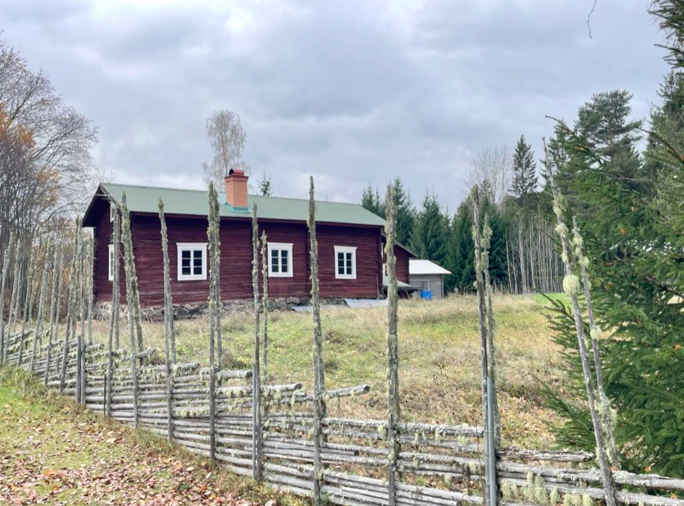
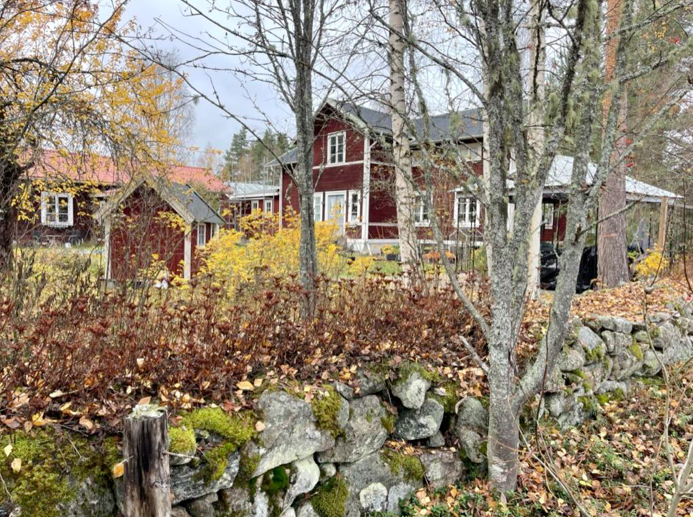
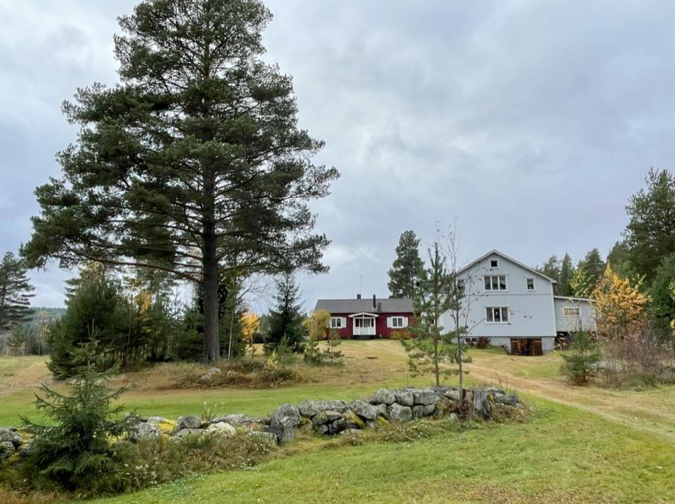
There have been many soldier's villages in Långhed and here around Västibacken there were the soldier's villages of Murs, Viks, Greva, Krigs, Harsa and Pils.
The system of soldier's villages was introduced in 1682 and continued until 1901, so that the crown would always have access to foot soldiers and it was based on the size of the village's ancestral home/farm. A soldier was supported by one or more ancestral homes/farmsteads and they were called rote. The soldier received a piece of land, housing, grain, potatoes and hay from his rote, and on the land they could grow whatever they wanted. Soldiers in Hälsingland, Värmland and Dalarna, unlike the rest of the country, where the family had to move out of their home if the husband died in battle or quit, were allowed to stay. In Sweden, the successor soldier had to rebuild on new land. This procedure meant that, generations later, there could be several soldier's crofts on the same root's land, where only one croft was actively farmed by a soldier.
The result was a development of detached houses, small farms and in many cases wealthy farms. Having your own croft or small farm contributed significantly to the cultivation of the landscape.
The benefit for the farmers was that they themselves, plus one of the farmer's boys, were exempted from military service.
The soldiers often became skilled craftsmen and helped to build canals, for example.
Every three years, the Crown had a crop inspection to ensure that the peasants fulfilled their duties to the soldier, just like Gustav Vasa's "house inspection".
At home in the croft, the soldier had to learn to read and write.
Alfta Company, which included Långhed, Voxna, Alfta and part of Bollnäs, provided the Crown with 150 soldiers. The village of Långhed contributed seven soldiers.
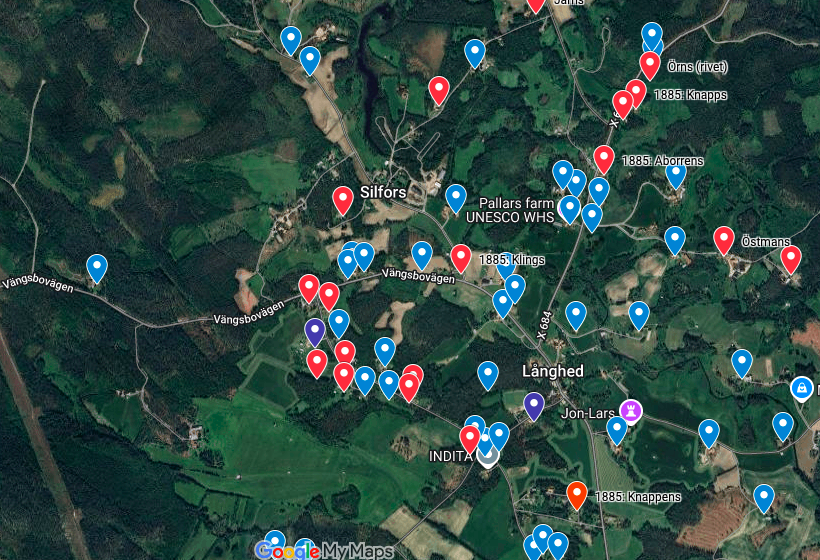
Here you can see a google-map where all known soldier's villages are added:
https://www.google.com/maps/d/u/0/edit?mid=1uEstub3InSTuJBfYJqvvi1_AMq-TFR4&ll=61.392246602086566%2C16.04114261964894&z=17