• Vy från plattformen.
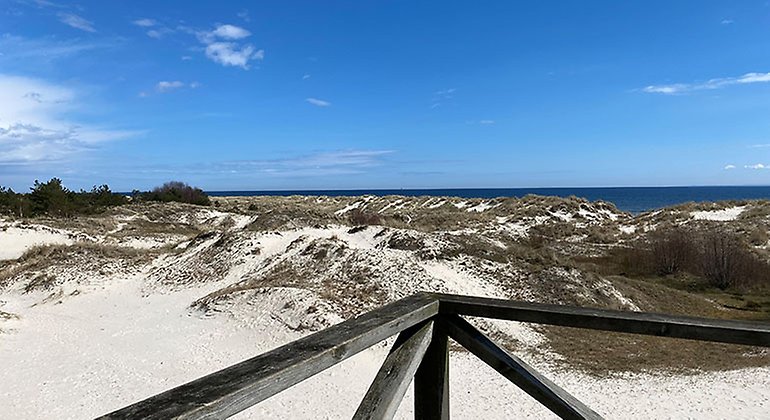
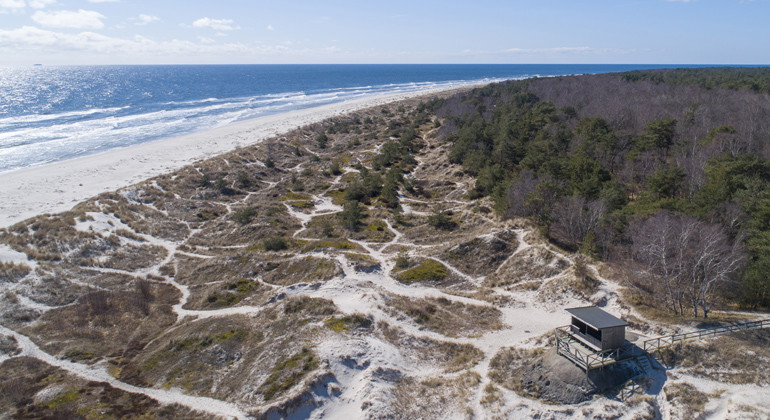
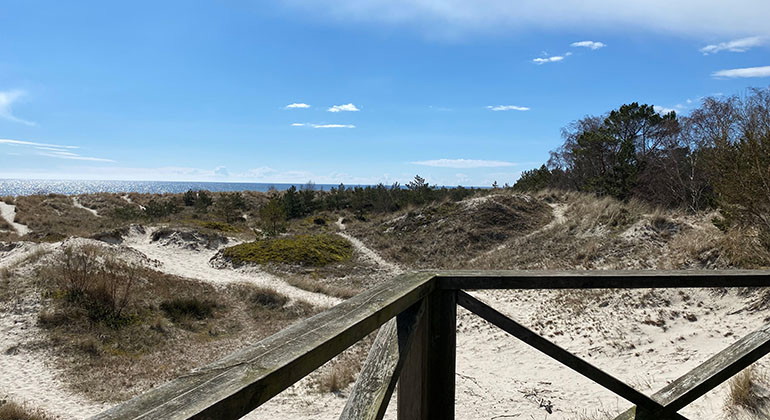
    Vy från plattformen.
    Photo: Carina Zätterström
  • Photo: Alex Regnér
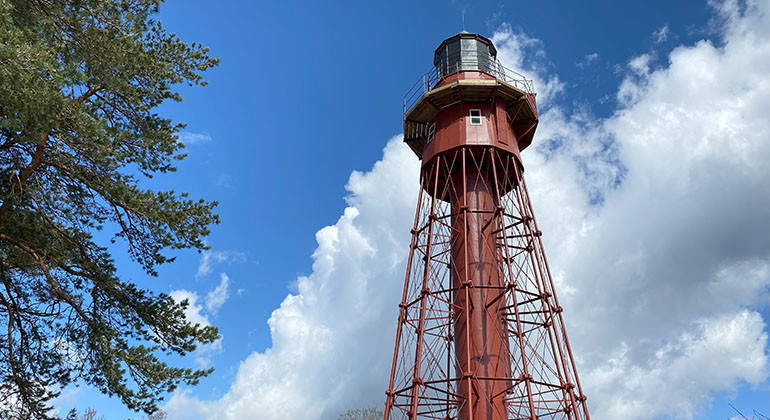
  • Sandhammarens fyr.
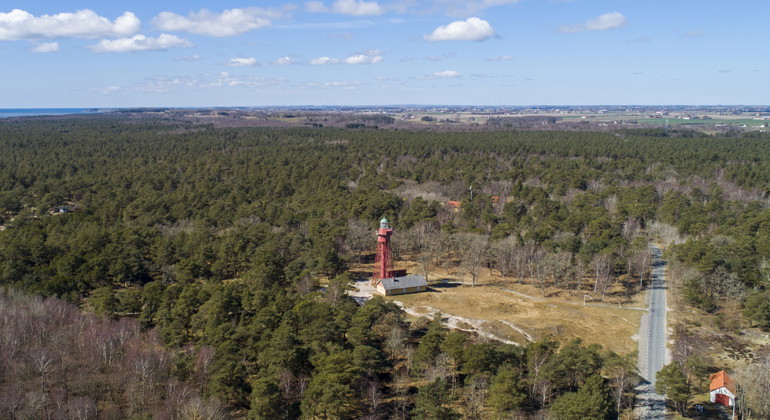
    Sandhammarens fyr.
    Photo: Alex Regnér
  • Photo: Alex Regnér
  • Skåneleden går genom reservatet.
    Skåneleden går genom reservatet.
    Photo: Mona Persson
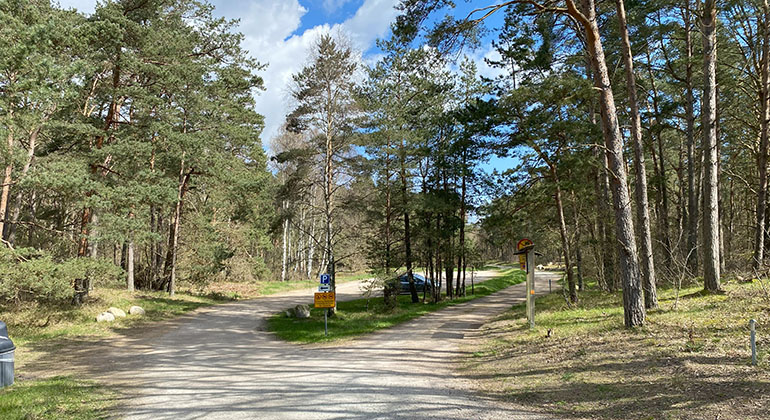
  • Vid stora parkeringen vid havet.
    Vid stora parkeringen vid havet.
    Photo: Carina Zätterström
  • Fyren.
    Fyren.
    Photo: Carina Zätterström
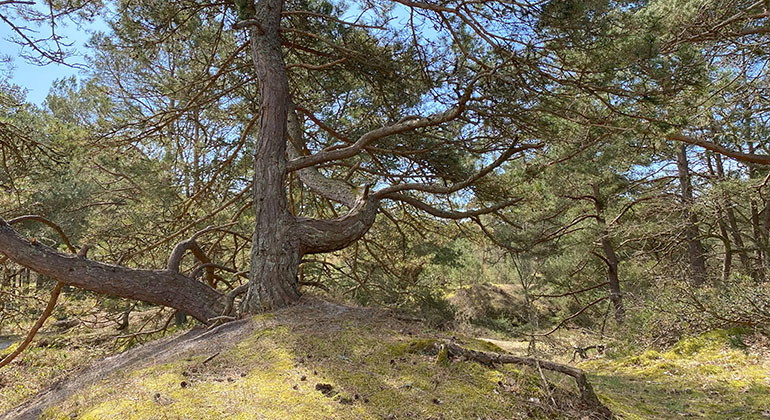
  • Tallskog.
    Tallskog.
    Photo: Carina Zätterström
  • Museum.
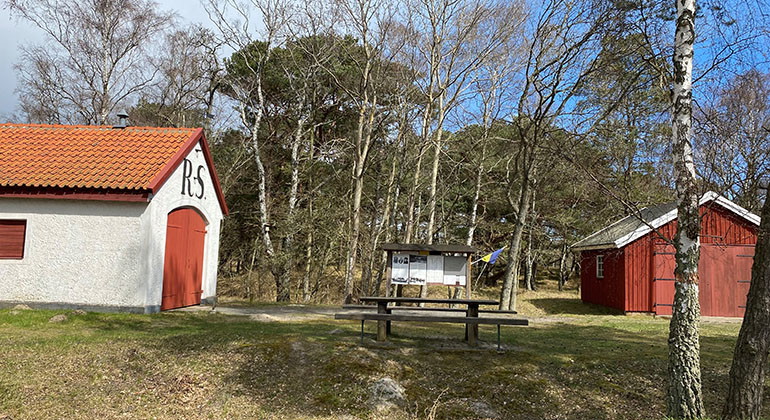
    Museum.
    Photo: Carina Zätterström
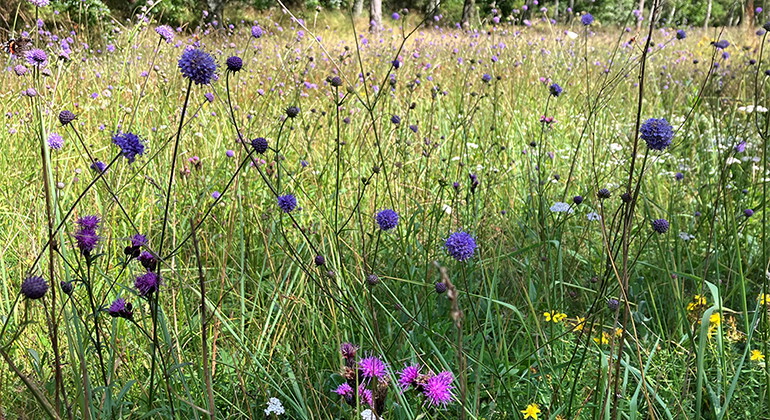
  • Slåtteräng.
    Slåtteräng.
    Photo: Magnus Jönsson
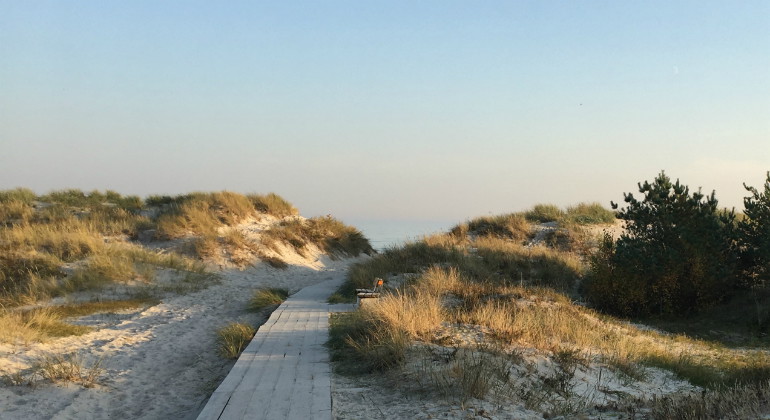
  • Spång ned mot havet.
    Spång ned mot havet.
    Photo: Ann-Sofie Pellas
  • Photo: Sofie Falinder
  • Photo: Mona Persson
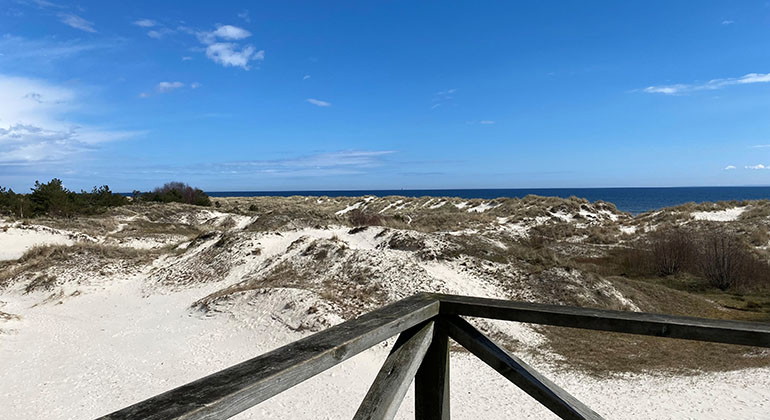
  • Vy från plattformen.
    Vy från plattformen.
    Photo: Carina Zätterström
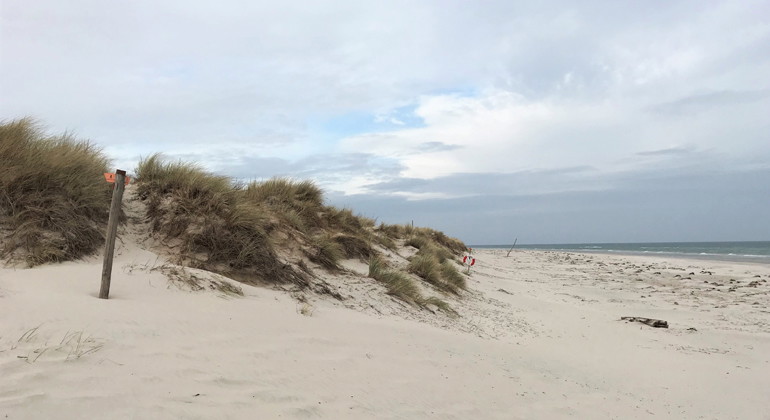
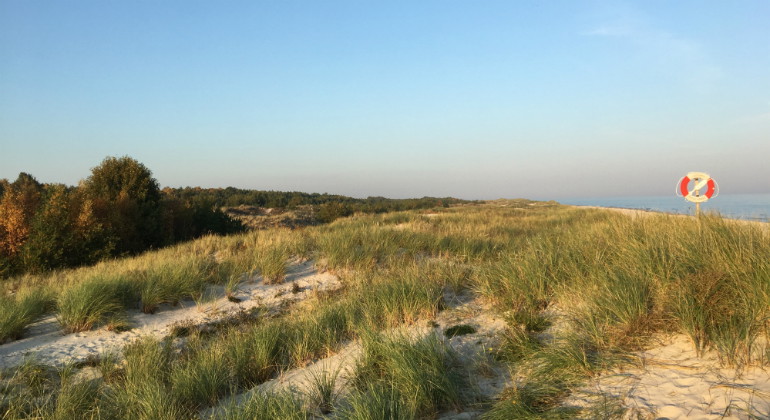
  • Vy över sanddynerna.
    Vy över sanddynerna.
    Photo: Ann-Sofie Pellas
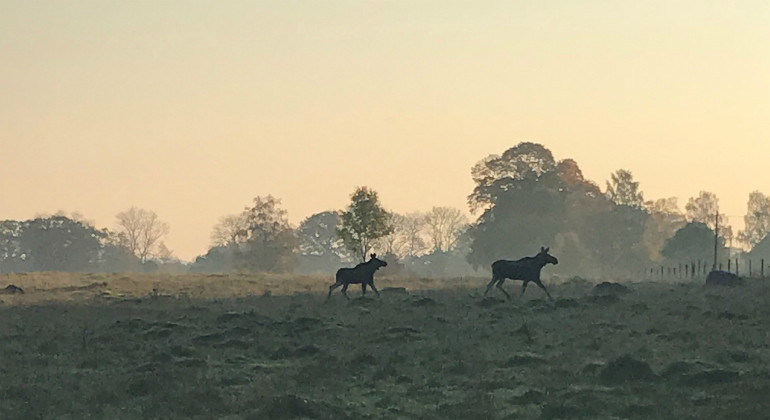
  • Älgar.
    Älgar.
    Photo: Joakim Roswall
  • Tallskog
    Tallskog
    Photo: Ann-Sofie Pellas
  • Parkering uppe vid stora vägen.
    Parkering uppe vid stora vägen.
    Photo: Carina Zätterström
  • Photo: Alex Regnér
  • Alskog.
    Alskog.
    Photo: Carina Zätterström
  • Alskog.
    Alskog.
    Photo: Carina Zätterström
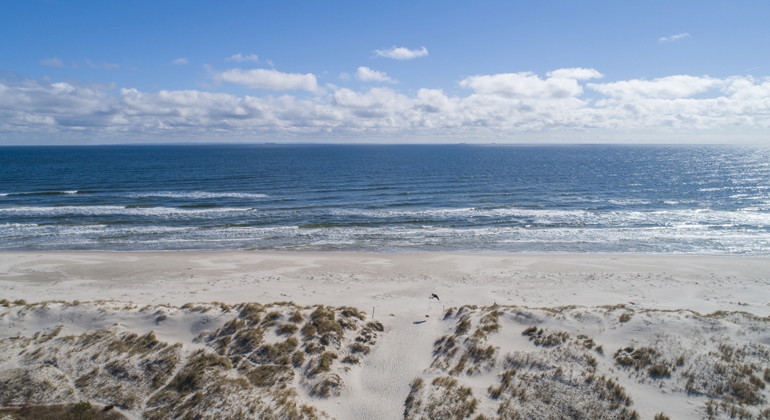
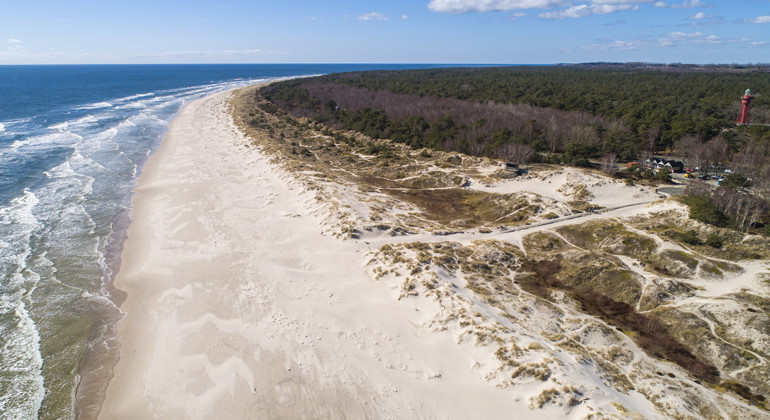
  • Sandhammarens breda strand sett från ovan.
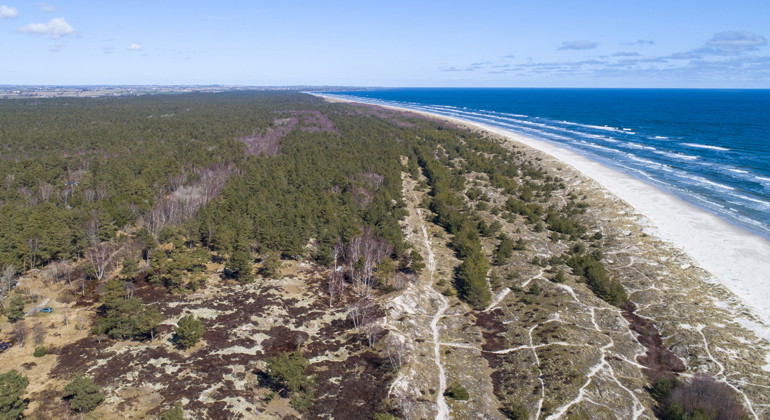
    Sandhammarens breda strand sett från ovan.
    Photo: Alex Regnér

Sandhammaren, Naturreservat

  • Nature reserve
3.0 of 5 stars
3.0    See reviews

Actions

Description

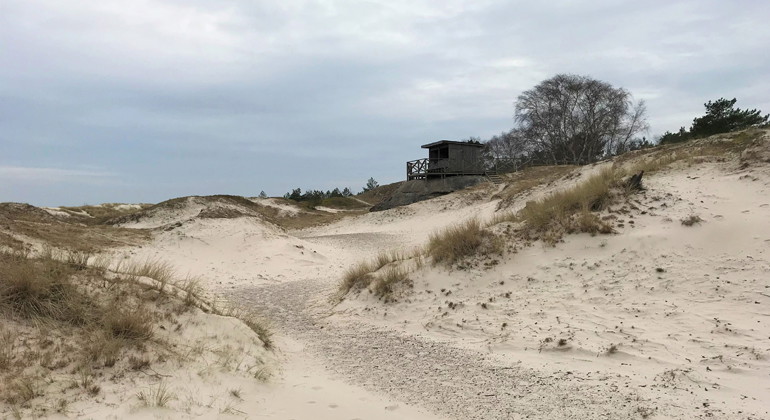
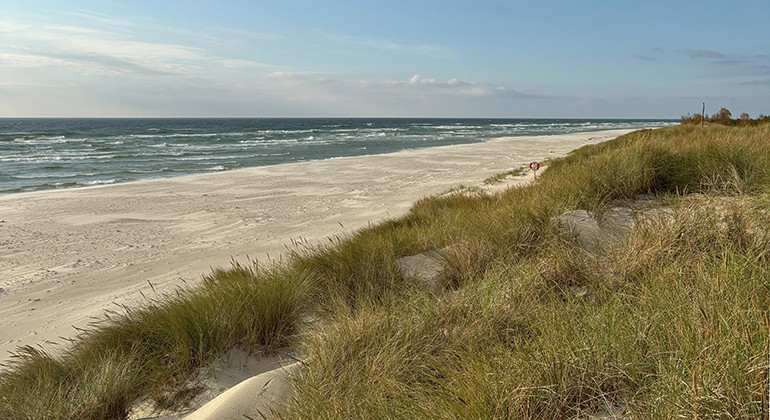
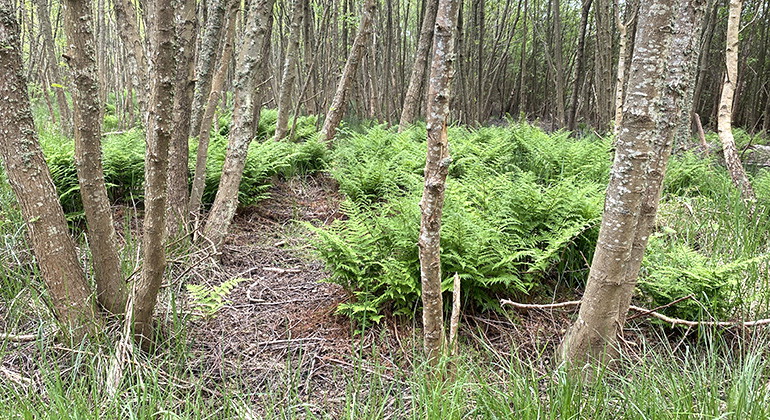
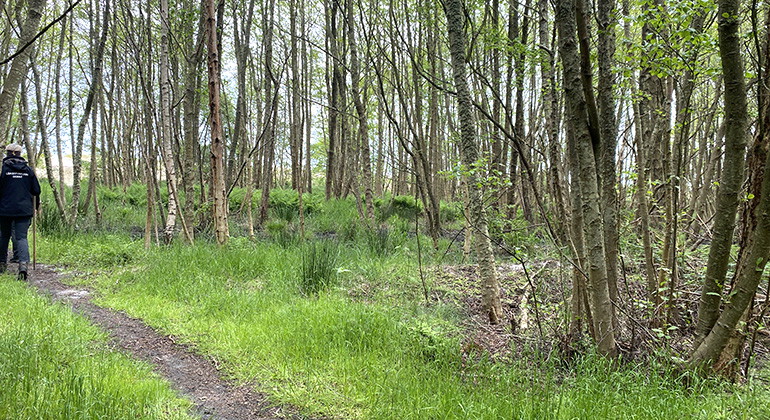
Sandhammaren's mighty dunes are constantly being built up with new sand. The sand is brought here by the sea currents from Löderup and Hagestad, where the beaches are shrinking instead. Inside the open dunes is pine forest, which was planted in the 19th century to protect against sand drift. There is also windswept, creeping oak forest, known as scrub forest, which in early summer offers an abundance of lily of the valley. During spring and fall, many migratory birds pass Sandhammaren, which attracts many birdwatchers. In summer, it is instead sun, swimming and walking that attracts.

From white to gray dunes

The sand dunes closest to the sea are constantly reshaped by the wind. Among the few plants that can cope with the harsh environment are the large grasses sand reed and beach rye. As new dunes are formed, they provide

there is shelter in the dunes behind. Mosses and lichens migrate in and the dune changes color to a so-called grey dune, with denser vegetation of sand sedge, heather and crowberry. Eventually, trees and shrubs may also take hold. The gradual change is clearly visible if you walk through the dune landscape from the sea to the land.

The sandfly and the pines

As late as the 16th century, an original oak forest grew at Sandhammaren. But by the end of the 18th century, the dune landscape was almost treeless with grazed grasslands and heaths. The trampling of the grazing animals caused sandy patches and the sand blew across the fields inland, destroying the crops.

The pine forests that still dominate the area were planted to stop the sand drift. Most of the plantations date from the 19th century.

Scrub oak forest with sun-warmed sand and unusual insects

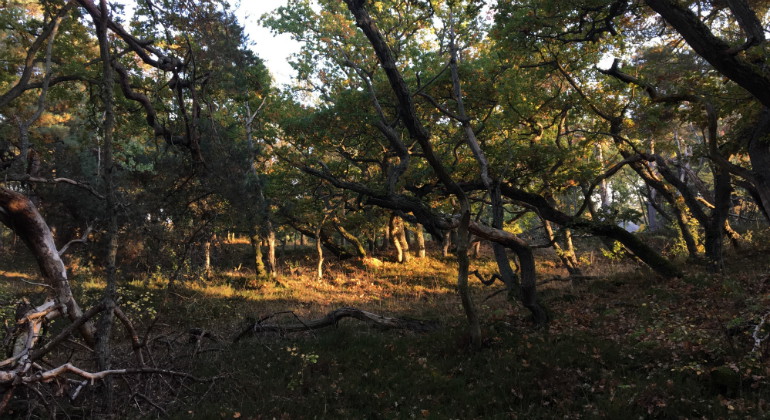
Remnants of the original oak forests also remain. This forest is sparse with low-growing, gnarled and multi-stemmed oaks, known as scrub oaks. Scrub oak forest is an unusual habitat type and one reason why the area is protected as a nature reserve. The scrub forest is home to the rare butterfly

scrub fritillary butterfly. The insect fauna in the reserve is generally rich in species, but dependent on the forest not closing in. Open dunes and clearings with sun-warmed sand are needed for the area's unique sandy soil species to survive. Sometimes the winds bring in temporary guests, insects that actually belong further south...

Ship graveyard and lighthouse

In the water off Sandhammaren, the currents are strong and the sandbars are constantly moving. Sandhammaren was long a feared place for sailors. Countless sailing ships have sunk in the area, which is one of the most wreck-dense in the Baltic Sea. The Sandhammaren lighthouse was built in 1861 to facilitate shipping and is now a listed building.

Spring bird migration

In the spring, large numbers of seabirds fly around Sandhammaren on their way to their breeding grounds. The eider migration starts in March and on peak days up to 100,000 eiders can pass through. In April and May, barnacle goose and bar-headed goose migrate. Common goldeneye, common scoter and dunlin are other species that can be seen from the shore.

Annual mowing for more meadow flowers

Every year, 30 hectares of meadows are mowed manually in about 30 nature reserves in Skåne! Most are mowed in late summer so that as many flowers as possible can set seed - the more seeds, the richer the flowering next year. One of the meadows is here in Sandhammaren, with hogweed, meadowsweet and meadowsweet. Other examples of reserves with hay meadows are Sporrakulla, Ivö klack, Hovdala, Åraslövs mosse, Kungsmarken and Christinelunds ädellövskog. Much of the work is done with the help of the Swedish Forest Agency and their teams.

Outdoor life

Sandhammaren has small walking trails, but it is also possible to roam freely in the forest, dunes and on the beach. The beach is popular with bathers and extends far beyond the boundaries of the reserve. In the middle of the reserve is Sandhammaren lighthouse, where guided tours are possible. There are also toilets and a restaurant. There are several picnic areas in the area. There are parking lots along the main road that runs through the reserve. Remember to take your rubbish home. The nearest bus stop is Sandhammaren, which is about 1 km north.

Sandhammaren is one of several nature reserves located along the south coast of Skåne. Skåneleden (SL4 Österlen, stages 2 and 3) passes through Sandhammaren and offers a longer hike.

In English

Welcome to Sandhammaren Nature Reserve

Along Skåne's south-east coast, between Löderup and Mälarhusen, lies one of the largest and most valuable coastal dune areas in the country. The area is mostly protected by the reserves Hagestad, Hagestad Järarna, Backåkra and Sandhammaren.

Sand in Constant Motion

An open sandy beach runs along the coast, which attracts swimmers and sunbathers in summer. The beaches along the coast of south-east Skåne are, however, in a state of constant change. In stormy weather the ridge Kåsebergaåsen - between Hammars Backar and Löderup - is subject to serious erosion. In recent year, the sea has reclaimed more than 200 meters of beach at Löderups Strandbad and in Hagestad Nature Reserve. The sand is then carried east by the coastal currents, towards Sandhammaren which is thus constantly expanding.

The Reserve is More than Just Sand

Inland of the beach at Hagestad, there is an area of open dunes, heather and grass heath, woodlands and carrs. The highest dunes can be found along the beach to the east of the stream Tyge Å that runs through the reserve. Large parts of the area are covered with planted Scots pine that are mixed in with oak, birch and other broad-leaved trees.

Oak Heath Woodland

Here by the coast grows oaks with a special growth pattern. They are low-growing, multi-trunked, creeping and knotty. The flora of this type of oak woodland is dominated by Lily of the Valley, which, in certain places, can cover all of the ground.

Rich Fauna

The area contains a large number of small birds. Many small birds nest in the broad-leaved woodland, and keep a look-out on the open ground for the rare Tawny Pipit. In autumn and spring migrating sea-birds pass through here and large numbers of small birds such as thrushes, song birds and flycatchers often stop to rest. The sand lizard can be found in the warm areas of exposed sand.

Hagestad and Sandhammaren constitute the only large area of woodlands in south-east Skåne and have a rich fauna which includes moose, roe deer, rabbits and squirrels.

Ship graveyard

The waters outside Sandhammaren are rough and the sandbanks are constantly shifting.

Countless sailing ships and vessels have sunk in the area, which is one of the most wreck-infested stretches of water in the Baltic Sea. Sandhammaren light house was built in 1861 to aid navigation and is today a historic building.

Regulations

Within Sandhammaren Nature Reserve it is forbidden to:

  • bore, blast, chisel, dig, excavate, dredge, fill or tip,
  • dig up plants or pick plants for commercial purposes,
  • camp or park caravans, campers or similar,
  • make a fire,
  • drive motor vehicles other than on designated roads and parking areas,
  • park other than in assigned places,
  • deliberately disturb wildlife, except for fishing,
  • cause disturbance by using radio, musicrecorder, music instrument or similar,
  • ride horses within the reserve, except for in a 25 meter zone nearest the waterline during 1 September - 30 April,
  • permanently lay up boats on the beach,
  • bring dogs that are not on a leash,
  • remove seaweed from shore plain and dunes,
  • enter enclosed areas with no admittance,
  • put up notice boards, signs, inscriptions, posters, trail-marking strips or similar.

Without the permission of the County Administrative Board it is further forbidden to:

  • collect insects.

Other Reserves Along the Coast

Other reserves or nature conservation areas along this stretch of coast are Hagestad, Hammars Backar-Kåseberga, Ystad Strandskog and Mälarhusen.

Weather forecast (at 12:00)

Loading...

Get here by public transport

Activities And Facilities

  • Nature reserve

Facts

Established: 1987

Size: 530 hectares

Municipality: Ystad

Administrator: County Administrative Board of Skåne

Protection type: Nature reserve and Natura 2000

Directions

Walk, cycle, take public transport or drive here. Map and directions via Google maps or coordinates (WGS84).

Regulations

**Within the area, special rules and restrictions apply to the right of public access.

For example, it is forbidden to:

  • riding, except within a 25-meter wide zone closest to the waterline from 1 September to 30 April
  • enter fenced areas where access is prohibited
  • keep dogs off the lead
  • make fires
  • camping
  • set up a caravan/mobile home
  • disturbing the surroundings
  • permanently placing boats on the beach

It is important to note that this is only a selection of the rules.

Full regulations for visitors

In addition to regulations and prohibitions in other laws and regulations, it is forbidden to:

  1. drilling, blasting, chiseling, digging, excavating, dredging, filling or tipping
  2. digging up plants or picking plants for sale
  3. camping or setting up a caravan, camper van or similar
  4. build a fire
  5. drive a motorized vehicle other than on a designated road or place
  6. park other than in specially designated places
  7. deliberately disturbing wildlife other than fishing
  8. use a radio, tape recorder, musical instrument or similar in a disruptive manner
  9. ride within the area except within a 25 meter wide zone closest to the waterline during the period 1 September - 30 April
  10. permanently mooring boats on the beach
  11. bring an unleashed dog
  12. remove seaweed from the beach and dunes
  13. entering fenced areas where access is prohibited
  14. affixing a board, poster, placard, sign, inscription or similar device.

Furthermore, it is prohibited without the permission of the County Administrative Board:

15. collect insects.

Contact

Address

Under LÄNKAR kommer du till aktuell reservatssida på Länsstyrelsens webbplats, med fördjupande information som kartor, broschyrer och hänvisning till relevanta aktörer. Här finns även en rapportfunktion för dig som vill lämna uppgifter om naturreservaten som vi förvaltar.

Email address

skane@lansstyrelsen.se

Please be aware that some of these texts have been automatically translated.

I’ve been here 8

I want to go here 2

Questions & Answers

Ask a question to other Naturkartan users.

Reviews

3.0

1 review

3.0 of 5 stars

5 :
0.0%
4 :
0.0%
3 :
100.0%
2 :
0.0%
1 :
0.0%
3 of 5 stars

Bitte beachten Sie, dass das Schlafen im Windschutz verboten ist. Es wird von Vogelbeobachtern genutzt.

Users images

No user images yet. Be the first to share!

Naturkartan

Open this in the app