
-
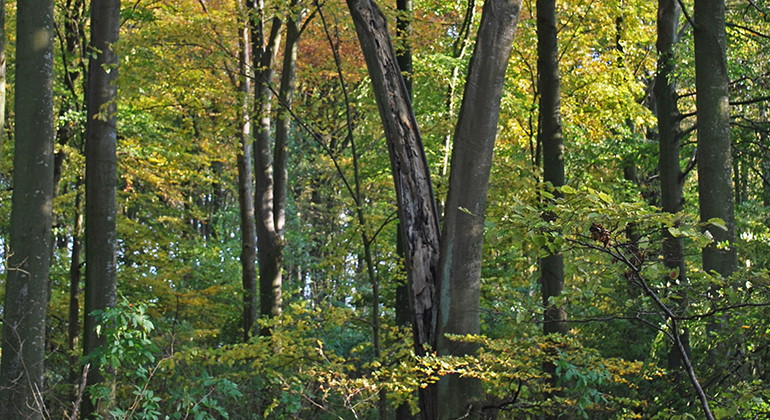
Skog i höstfärger.
Photo: Mona Persson -
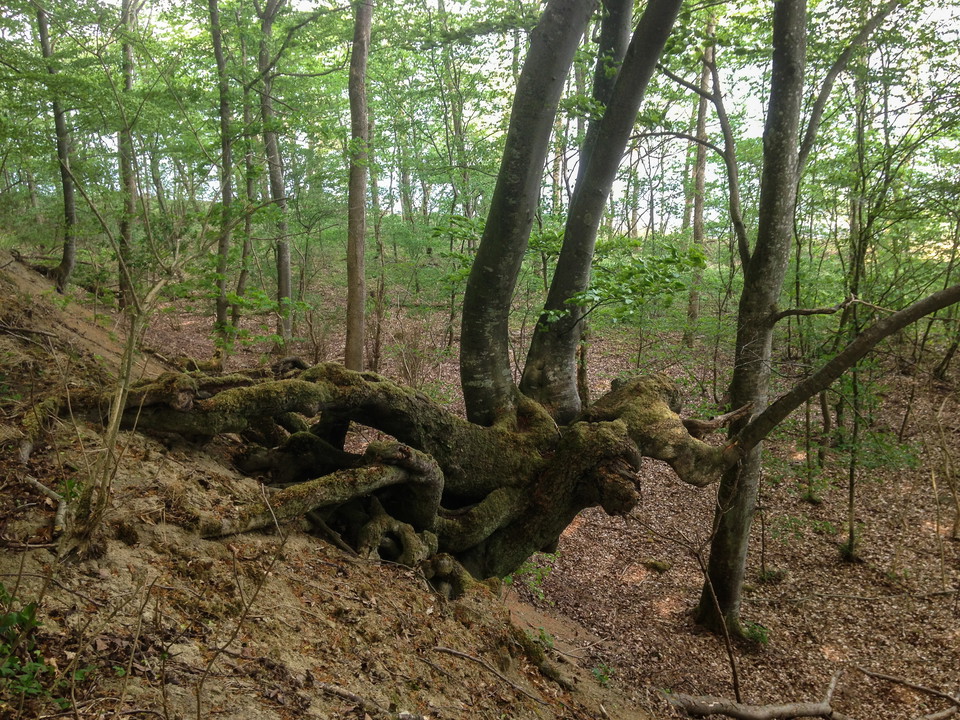
Photo: Stina Deurell -
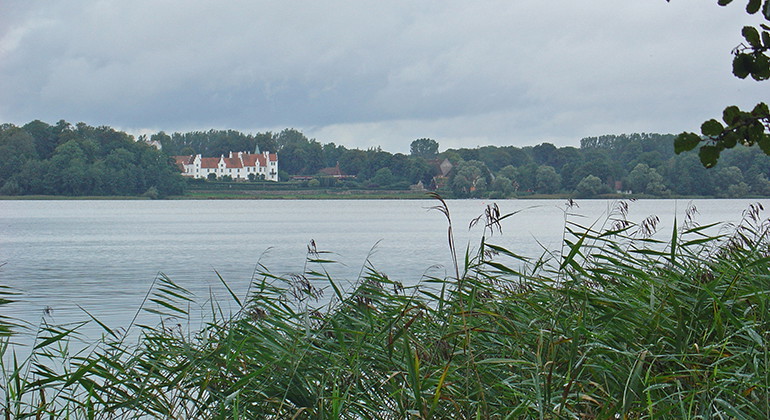
Utsikt mot Bosjökloster.
Photo: Mona Persson -
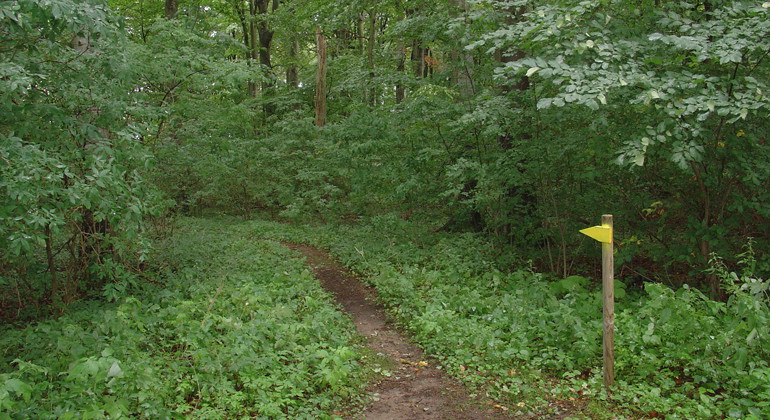
Vandringsstig.
Photo: Mona Persson -
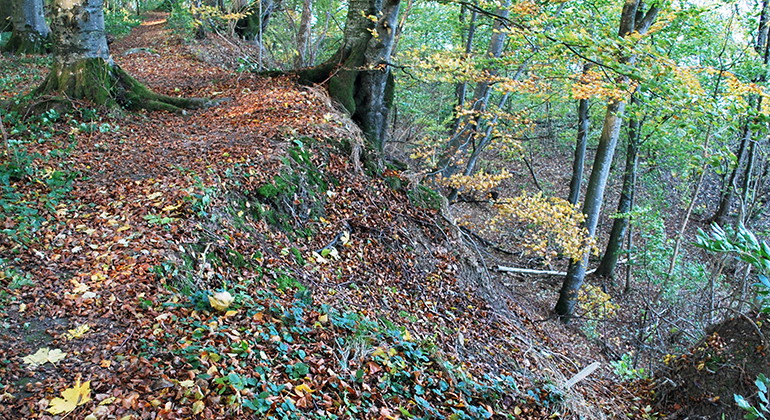
Photo: Mona Persson -
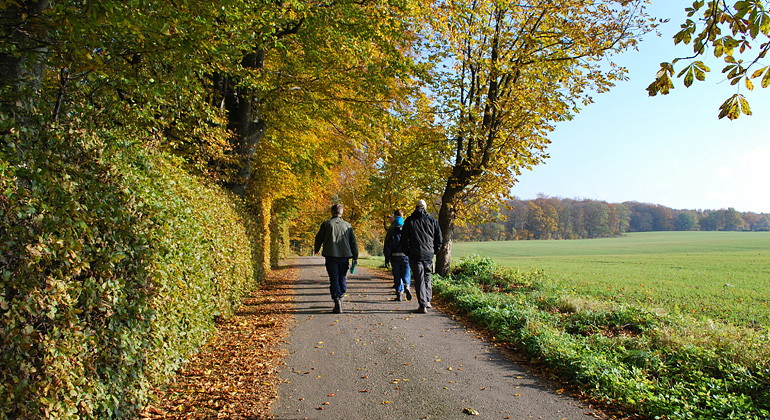
Photo: Mona Persson -
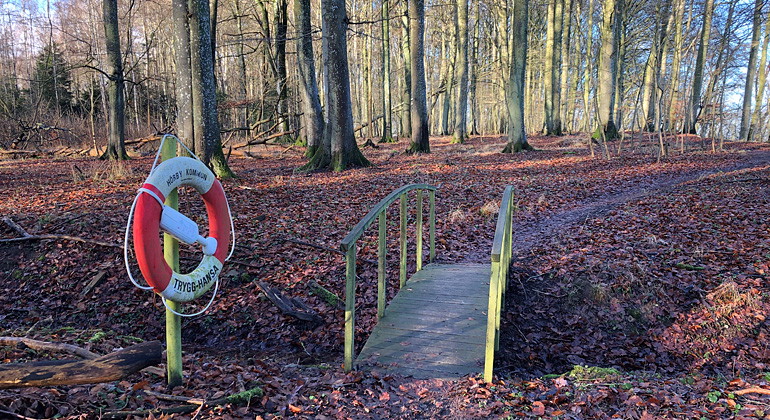
Photo: Carina Zätterström -
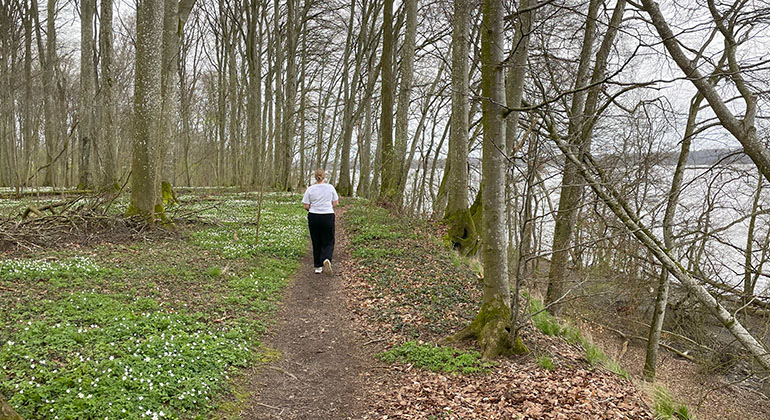
Photo: Carina Zätterström -
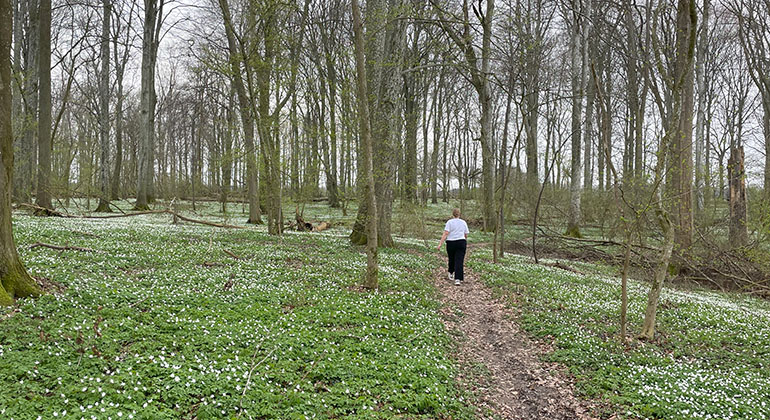
Photo: Carina Zätterström -
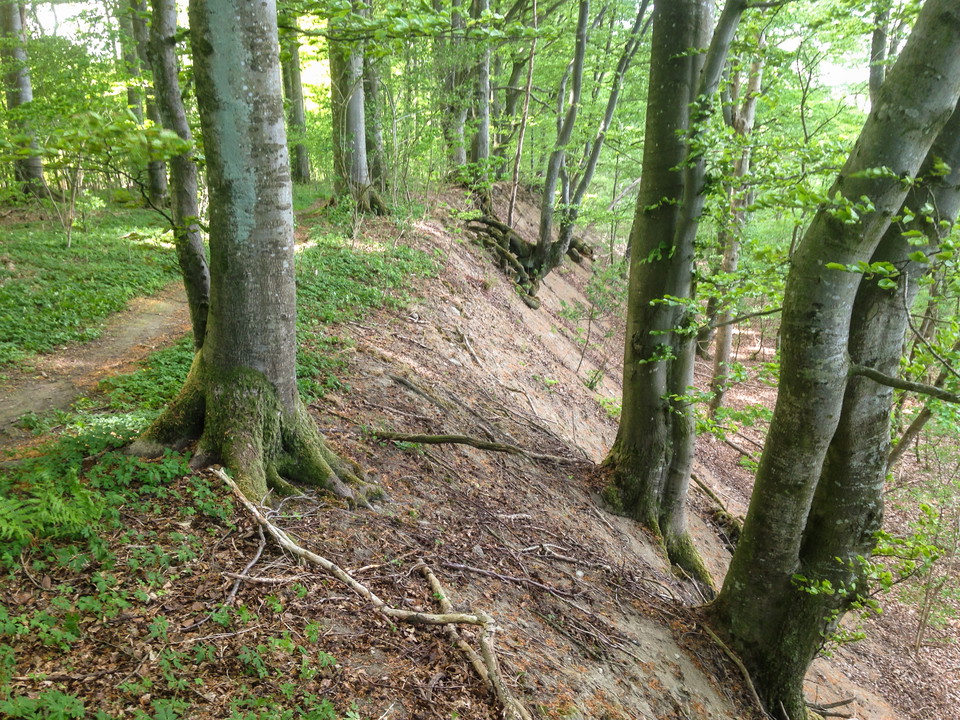
Photo: Stina Deurell
Klintaskogen, Naturreservat
- Nature reserve
- Near Public Transport
- County: Skåne län
Actions
Description
Activities And Facilities
- Nature reserve
Accessibility
- Near Public Transport
Facts
Established: 2004
Size: 22 hectares
Municipality: Höör
Administrator: County Administrative Board of Skåne
Protection type: Nature reserve and Natura 2000
Parking
Park at the rest area just south of Ringsjö Wärdshus. Then it's a 700 meter walk east past the houses before you reach the forest.
Communications
Bus 440 departs from Höörs station and stops at the rest area.
Directions
Walk, cycle, take public transport or drive here. Map and directions via Google maps or coordinates (WGS84).
Regulations
**Within the area, special rules and restrictions apply to the right of public access.
For example, it is forbidden to:
- have a dog unleashed
- camping
- setting up a caravan/mobile home
- make fires
- ride a horse
- ride a bicycle
It is important to note that this is only a selection of the rules.
Full regulations for visitors
In addition to regulations and prohibitions in other laws and regulations, it is forbidden to:
- dig, remove, cover, drill, chisel, paint or otherwise damage boulders, stone walls, living or dead trees, bushes and stumps
- pick or dig up vascular plants, mosses and lichens
- remove dead wood, break twigs, fell or otherwise damage trees and shrubs
- planting plant or animal species alien to the area
- catch or collect insects or other animals, or otherwise damage wildlife, without the permission of the county administrative board
- make a fire
- ride a bicycle, motor vehicle or motorized vehicle
- bring an unleashed dog or other stray pet
- ride or drive a horse
- camping or setting up a camper, caravan or similar
- park other than in parking spaces intended for the purpose
- affix a board, poster, poster, sign, signpost, inscription or similar device
- organize competitions, camps or exercises
- use a radio, gramophone, tape recorder, CD player, musical instrument or similar in a disruptive manner
- launch a boat or other craft.
Contact
Address
Under LÄNKAR kommer du till aktuell reservatssida på Länsstyrelsens webbplats, med fördjupande information som kartor, broschyrer och hänvisning till relevanta aktörer. Här finns även en rapportfunktion för dig som vill lämna uppgifter om naturreservaten som vi förvaltar.
Email address
Organization logotype

Please be aware that some of these texts have been automatically translated.
I’ve been here 1

I want to go here 12


Questions & Answers
Ask a question to other Naturkartan users.
Reviews
0 reviews
- 5 :
- 4 :
- 3 :
- 2 :
- 1 :
Users images
No user images yet. Be the first to share!