





Göteborgs friluftsguide
Välkommen till Göteborgs friluftsguide!

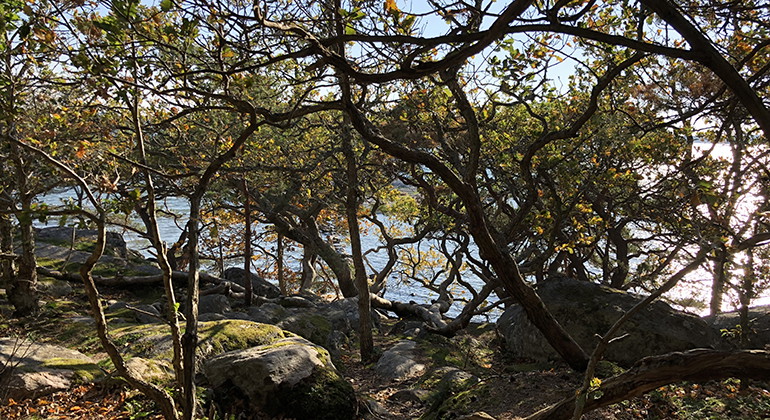
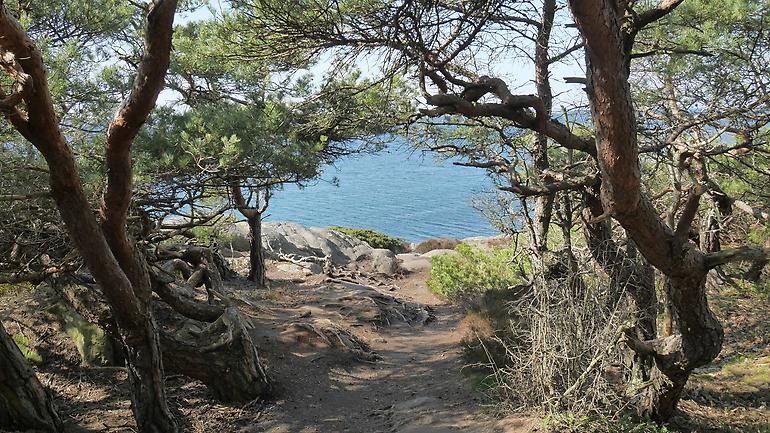
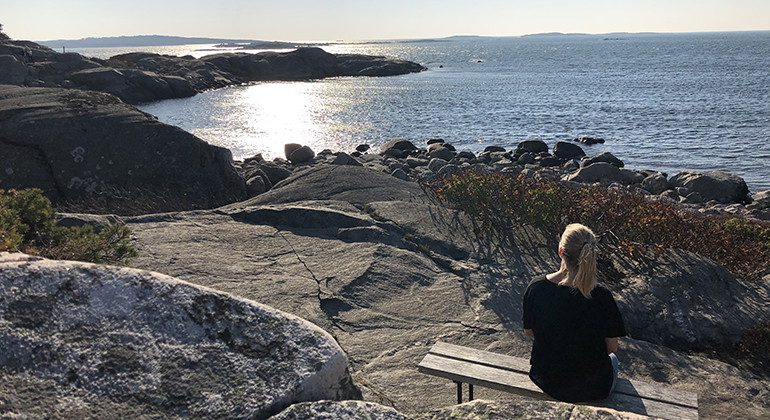
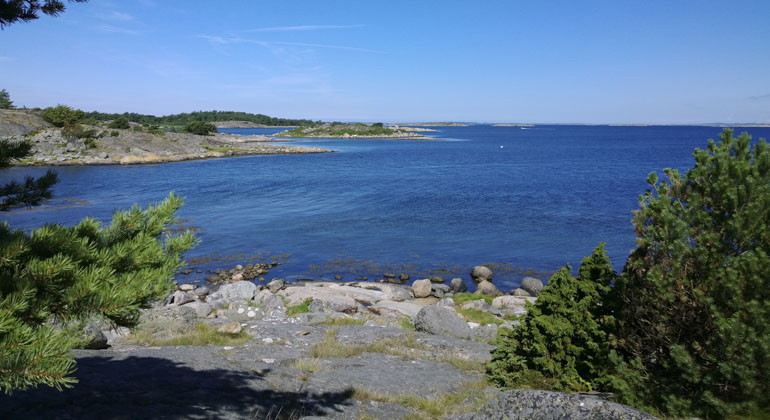
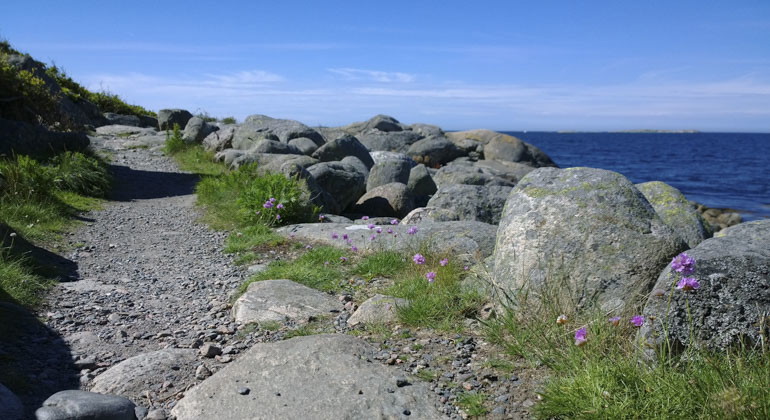
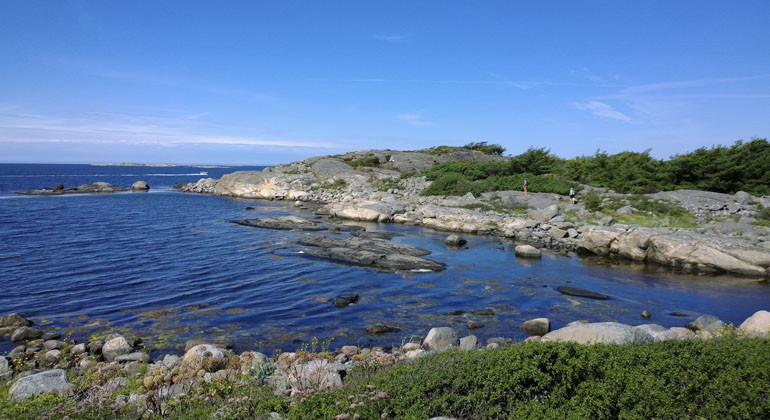
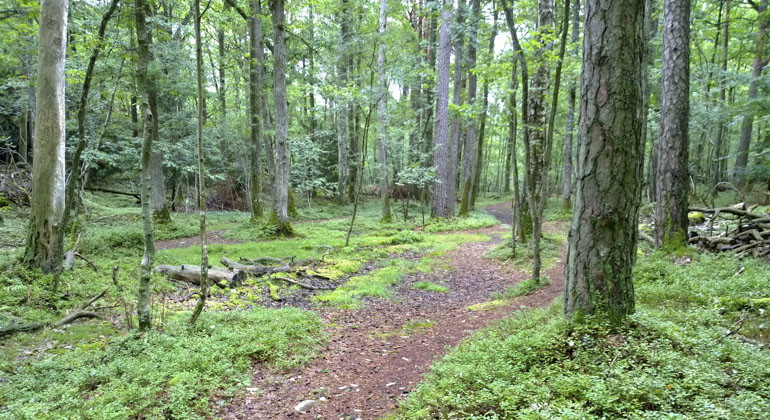
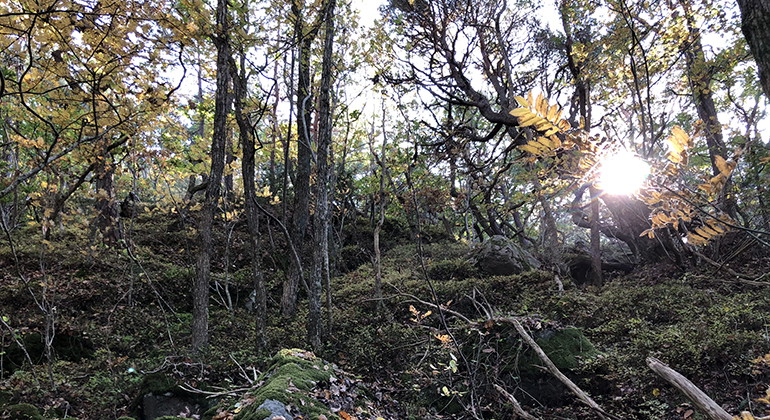
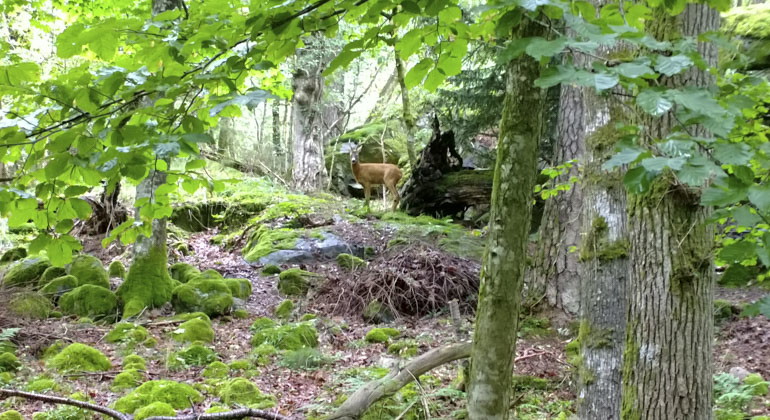
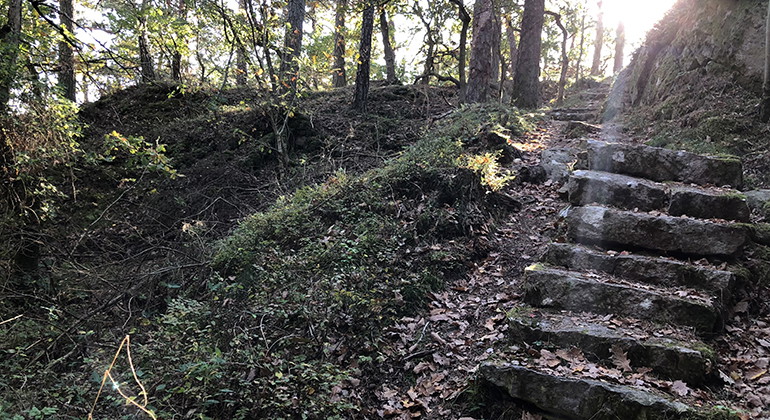
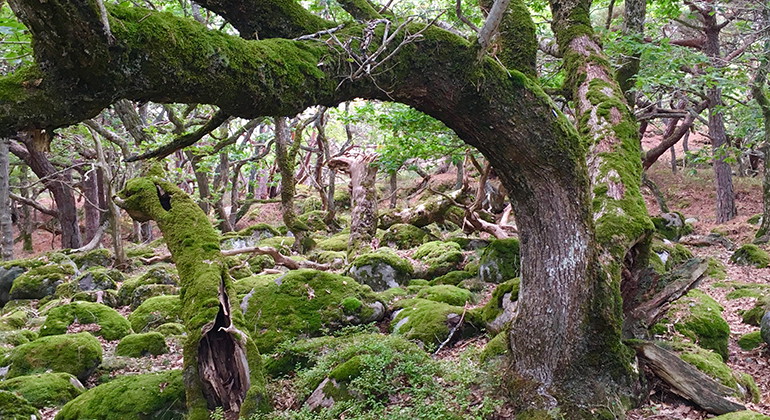
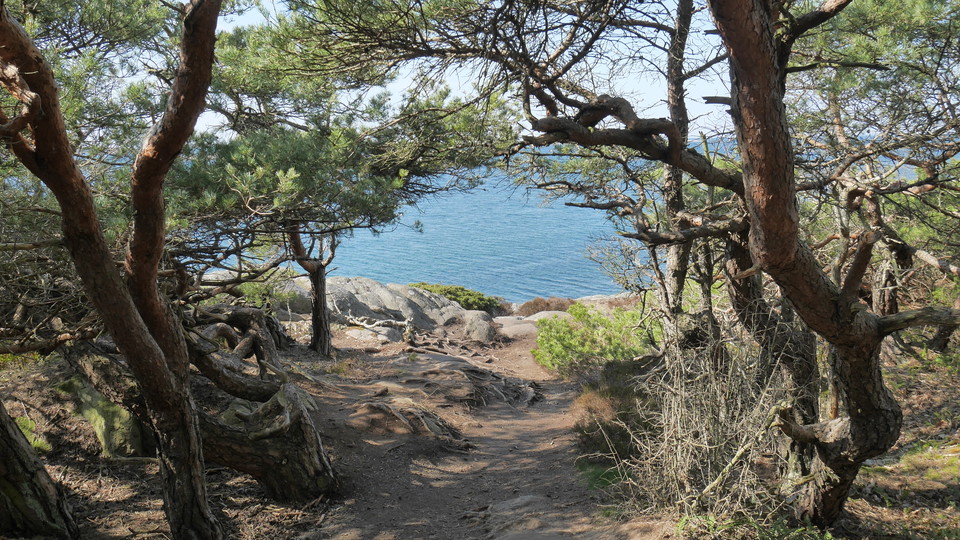
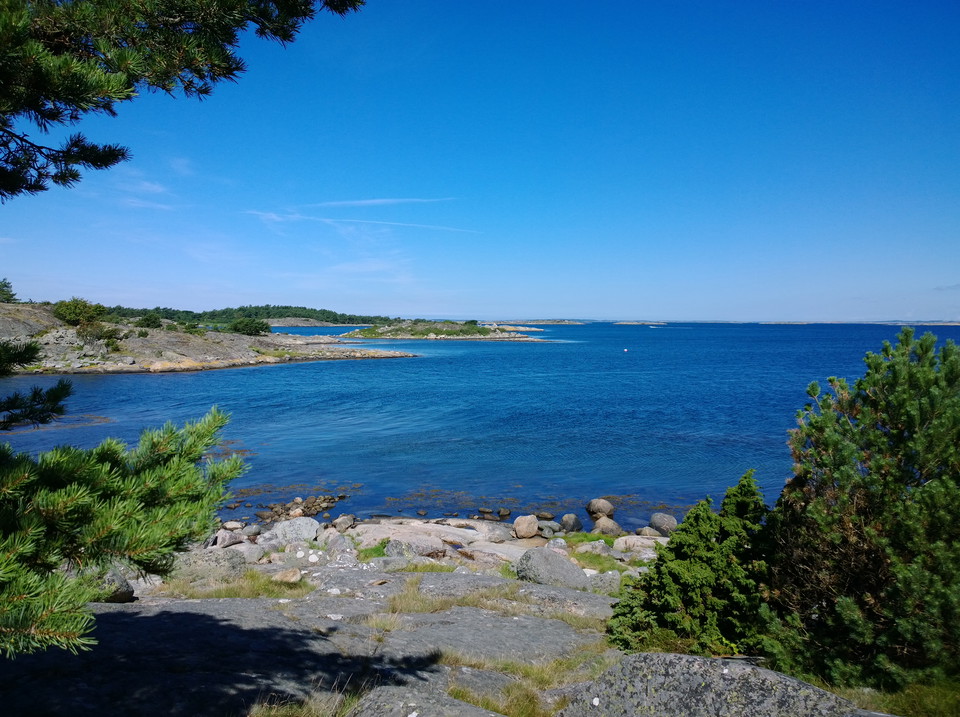
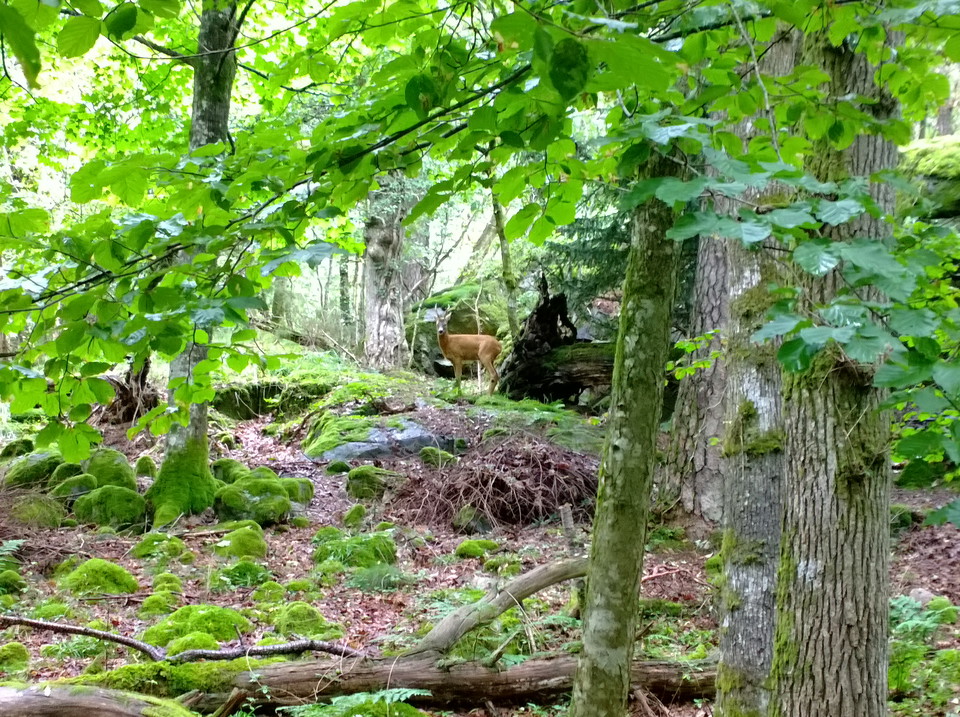
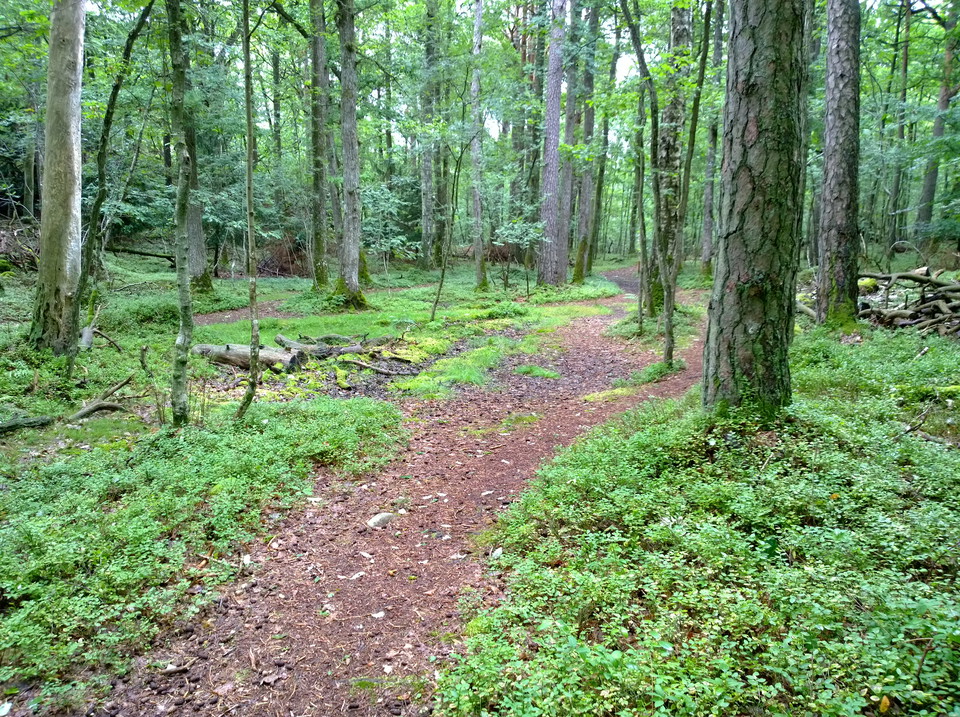
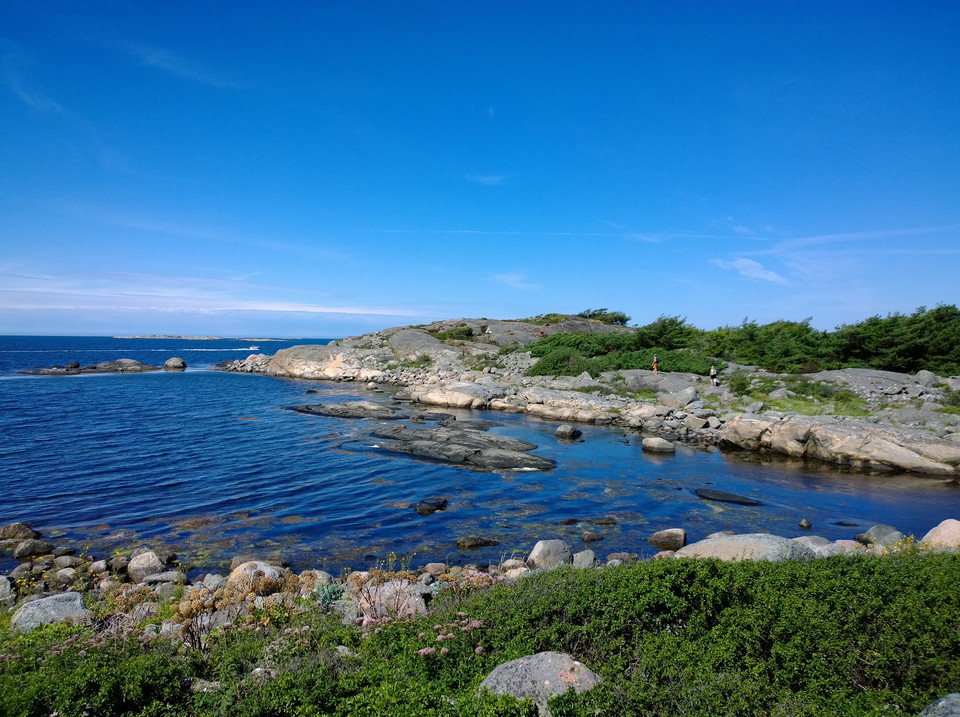
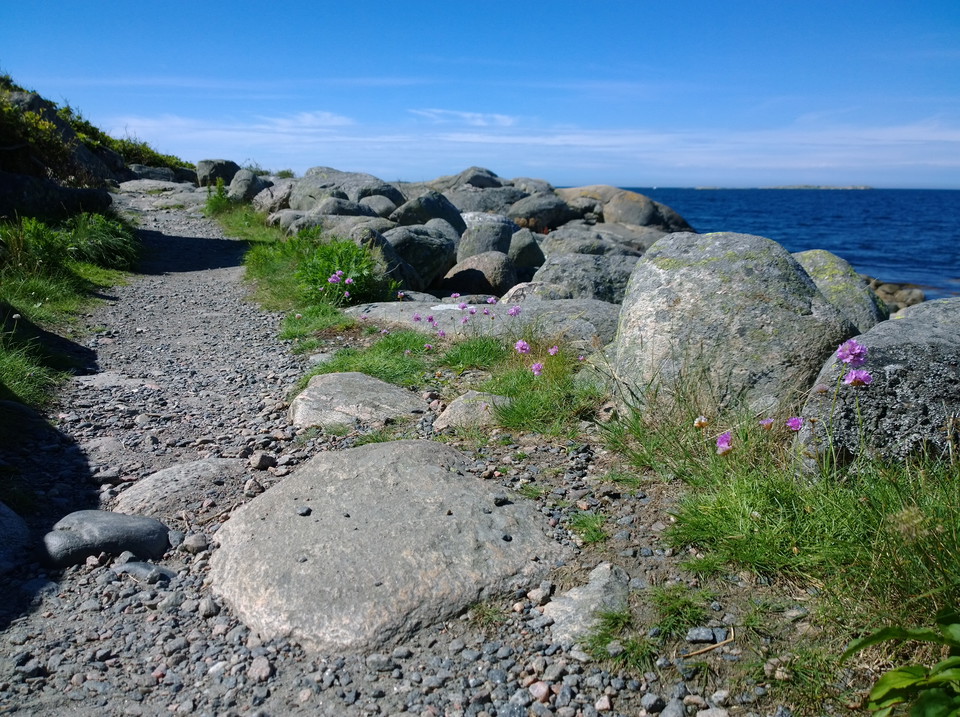
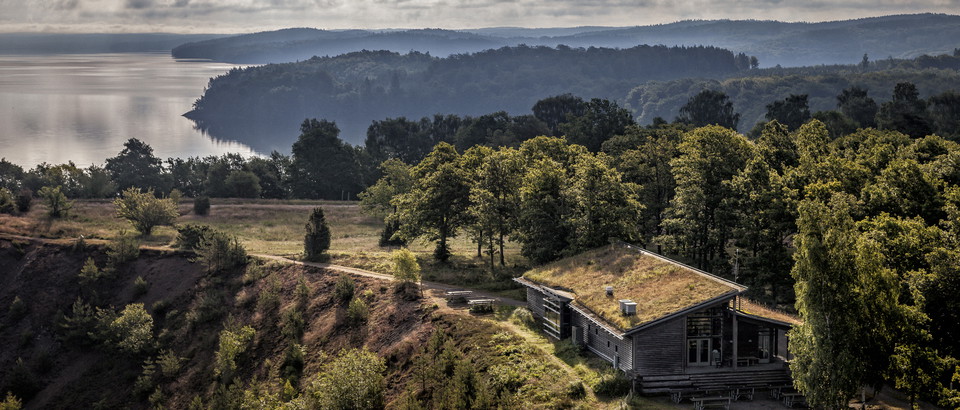
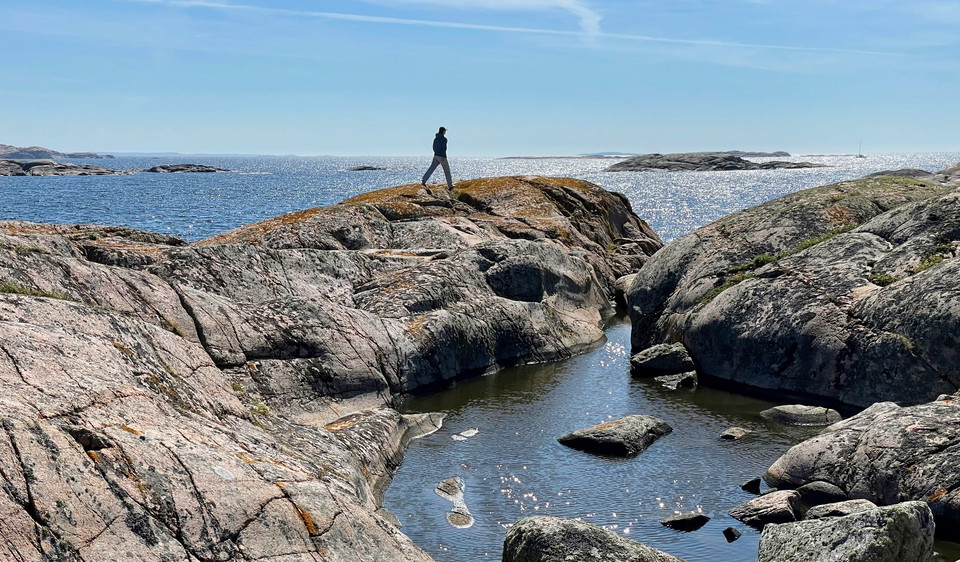
Särö Västerskog is, as the name suggests, a forest west of Särö. Here you will find oaks and pines that are between 200 and 300 years old. In Särö Västerskog you can make your way on walking-friendly paths. If you go up on a rocky knoll, you get a good view of the forest and the archipelago. If you want to swim, you can choose between a sandy beach, rocks and boulders.
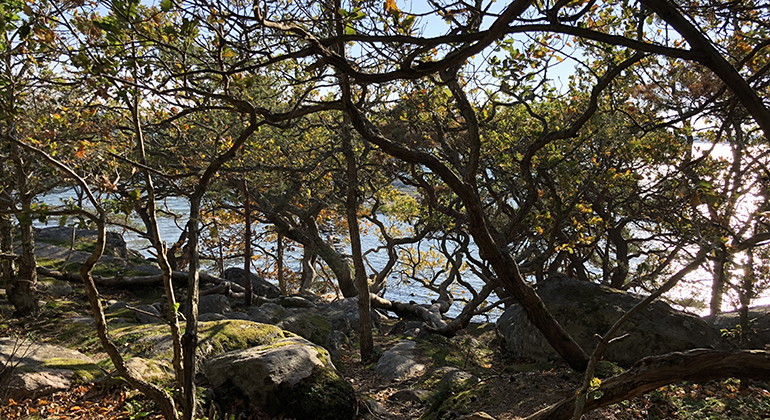
It is believed that this area has been forested ever since the ice sheet retreated over 10,000 years ago. It is perhaps the old pine forest that gives the reserve its special character. Closer to the coast you will find more or less creeping pines that have been killed by the weather, while in more sheltered locations you can encounter real pine bears. After the pine, the oak is the most common feature of the forest. Some trees have grown up during periods when the peninsula was grazed. They have become wide-crowned pasture oaks. Others are smaller and thinner. They have grown more slowly and under lean conditions and are called scrub oaks.
The reserve is criss-crossed by trails, two of which are color-coded. The yellow loop measures 1.4 kilometers and the blue one 3 kilometers.
The great wealth of old trees and dead wood has made Särö Västerskog one of the county's foremost forest areas in terms of known occurrences of red-listed species. A red-listed species means that it is so rare that it is in danger of disappearing. In Särö, it is mainly various lichens that grow on oaks, but tree fungi and beetles are also represented. Most of them love light and warmth and do not thrive in dark, dense forests. To benefit the rare species and the old oaks, the open character of the area needs to be maintained.
There is a poisonous tree with red berries on the peninsula that has made Särö famous in botanical circles. It is the yew. In the so-called "yew marsh" you will find coarse, tall alders and plenty of yew in the edge areas. There is also a rich vegetation with species such as witch hazel, wood anemone, toothwort, woodruff, woundwort, wood anemone and starflower. The yew has spread throughout the area, darkening the lives of the light-loving species that live with the oaks. The yew is therefore kept under control by clearing.
The open and sunny parts of the reserve are home to the now rare species of sand lizard, hazel snake and bastard pearl butterfly. The area also has a rich bird life with breeding birds such as wood pigeons, lesser spotted woodpeckers, skylarks and green wrens.
There is a toilet in the southern part of the reserve. In nearby Särö there is a B&B and hotel. There is also a restaurant here.
In some of our most attractive reserves, you can also collect a nice stamp when you visit the reserve. You stamp either directly in your guidebook or on your own paper/book. In Särö Västerskog, the stamp is located at the viewpoint at the top of the peninsula, which is reached via the yellow trail.
Dominant habitat types: Pine and oak mixed forest
Municipality: Kungsbacka
Area: 55 hectares
Protected since: 1974/2006
Owner: Swedish Environmental Protection Agency
Trustee: County Administrative Board
Other: The area is part of Natura 2000
Särö Västerskog is located in the northwestern part of Kungsbacka municipality.Bicycle: Turn off the Kattegatt Trail in Särö and follow the signs to the reserve (1 km).
To protect the nature reserve, the County Administrative Board has decided on special regulations, including those that you as a visitor to the area must follow and respect.
In addition to what applies under other legislation, it is forbidden to:
Kontakta reservatsförvaltningen för frågor, synpunkter och felanmälan.
Länsstyrelsen i Hallands län
Please be aware that some of these texts have been automatically translated.





Ask a question to other Naturkartan users.
0 reviews
No user images yet. Be the first to share!