Granbyhällen
- Municipality: Vallentuna
- 6823.39 km away from you
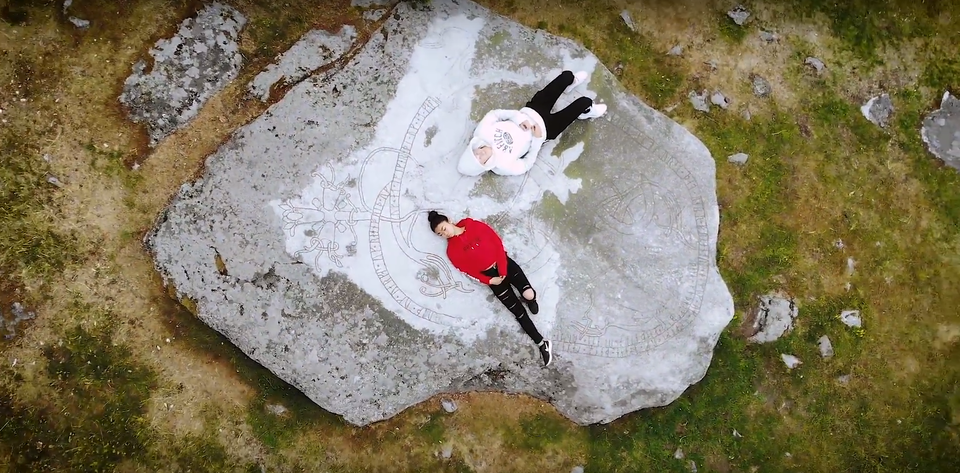
Granbyhällen - Uppland's largest rune carving in terms of surface area contains 185 runes. There are also remains of a house foundation measuring 40 x 14 meters.

Stockholms län
Granbyhällen - Uppland's largest rune carving in terms of surface area contains 185 runes. There are also remains of a house foundation measuring 40 x 14 meters.
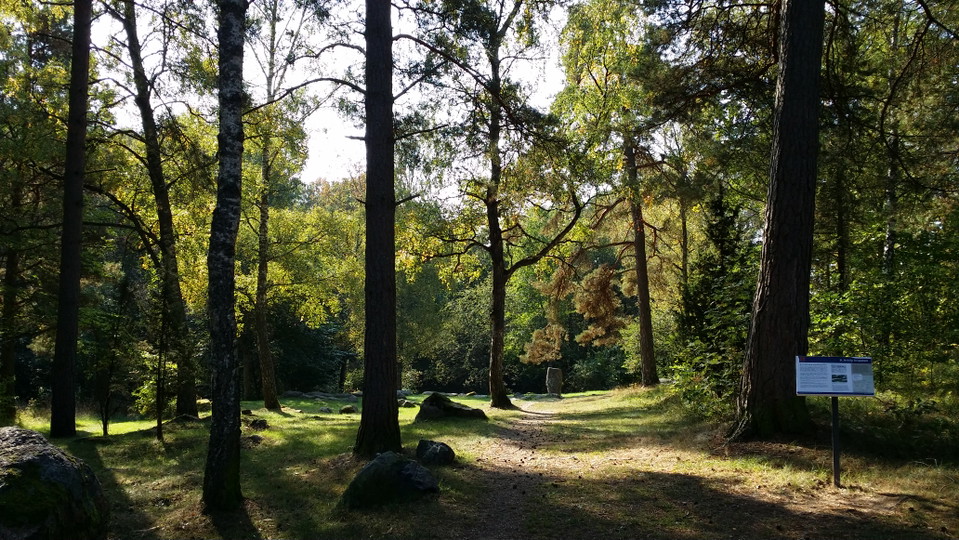
Here is a large burial ground that today is called Enekullarna. It consists of more than 100 graves from the Late Iron Age (500 - 1100 AD). The graves consist mostly of round mounds, built up of stone and earth. The size of the graves was meant to be impres…
In the middle of the Lennartsnäshalvön, located on a ridge of hills and moraines, lies the Asker burial field (Kungsängen 52:1). Here some of the largest Bronze Age burial mounds in the Mälardalen region can be found. The three mounds are aligned along the…
On Bockholmen hill you will find two graves in the form of stone settings, probably from the Late Iron Age (c. AD 550–1050). They might be graves of seafarers who travelled the fairway here. Edsviken was an important communication route.
Biskopstuna is a medieval castle ruin in Österskär. The castle may have been built as early as the end of the 13th century by the Archbishop of Uppsala, who then owned the farm Tuna. You can visit the castle by borrowing the key from Österåker library. In t…
Here on Stäksön, it is well worth visiting one of Sweden's largest medieval castle ruins, namely the Archbishop's Castle. The castle ruin is situated along the historically significant waterway towards Sigtuna and Uppsala. Historical sources suggest that th…
At the place in Bällsta known as Arkil's tingstad, there is a square stone with a ten-meter side and two of the Skålhamra family's rune stones. The stones have a coherent text. They tell the story of Ulv i Skålhamra and his sons who had the stone erected. T…
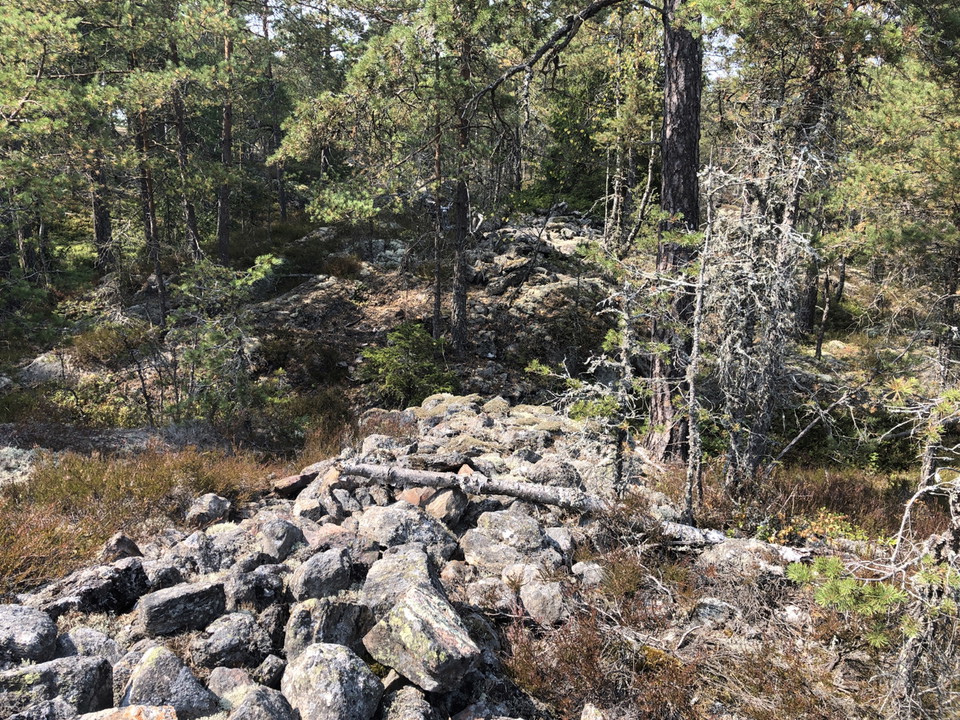
In the reserve there are traces of the so-called Russian Wall. It was previously thought that the wall was built by Russian prisoners of war in the 18th century. However, later investigations have shown that the wall is a cultivation cairn from the 19th cen…
The so-called Russian Wall runs through the reserve. It was previously thought that the wall was built by Russian prisoners of war in the 18th century. However, later investigations have shown that the wall is a cultivation cairn from the 19th century.
Skärholmens fornborg is an ancient castle from the Migration Period and the Viking Age, located just northeast of Skärholmens gård.
On Borgberget mountain, there are ruins of an ancient hillfort from the late Iron Age.
Along Lake Maren's western shore lies the ruin of Stenhuset—the first manor house built in Sundby. The manor was completed in 1669 but was burned to the ground on August 19, 1719, during the Russian Pillage. Construction of the new manor began in 1721.
Kaknäs was a medieval village with land that covered a large part of Ladugårdsgärdet. The burial ground west of the road tells us that people were already living here in the Late Iron Age (550-1050 AD). The Kaknästornet tower was built in 1964-1967 for the…
Mellanjärva gård (Mellanjärva farm) is located along the old main road to Uppsala in the centre of a large cemetery from the Late Iron Age (c. AD 550–1050). North of the property you will find two burial mounds from the 5th-6th century. Mellanjärva is one o…
The burial ground is beautifully situated on a hillside overlooking Djurgårdsbrunnsviken. From this location, it was possible to see another Viking Age burial ground located on the other side of the water near Djurgårdsbrunnsbron. The burial ground was a cl…