
-
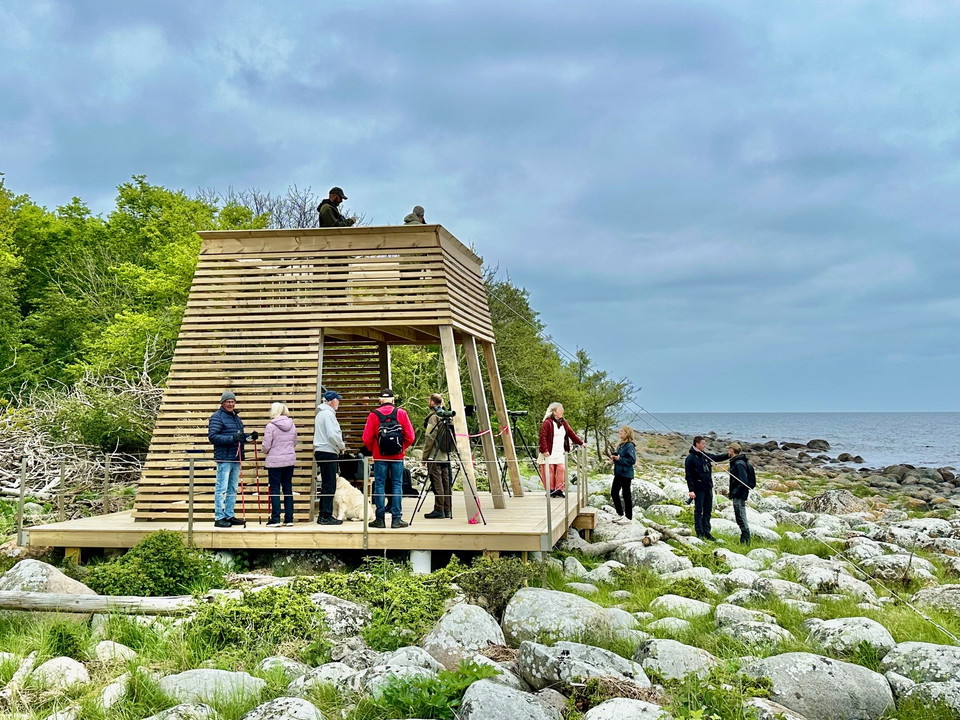
Photo: Robert Ekholm -
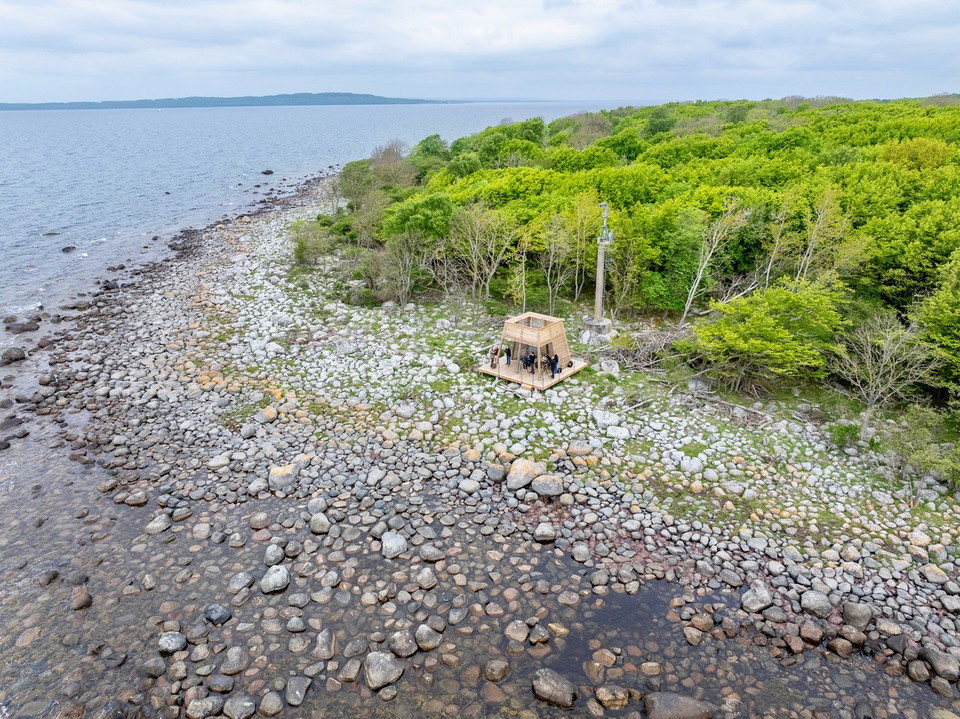
Photo: Robert Ekholm -
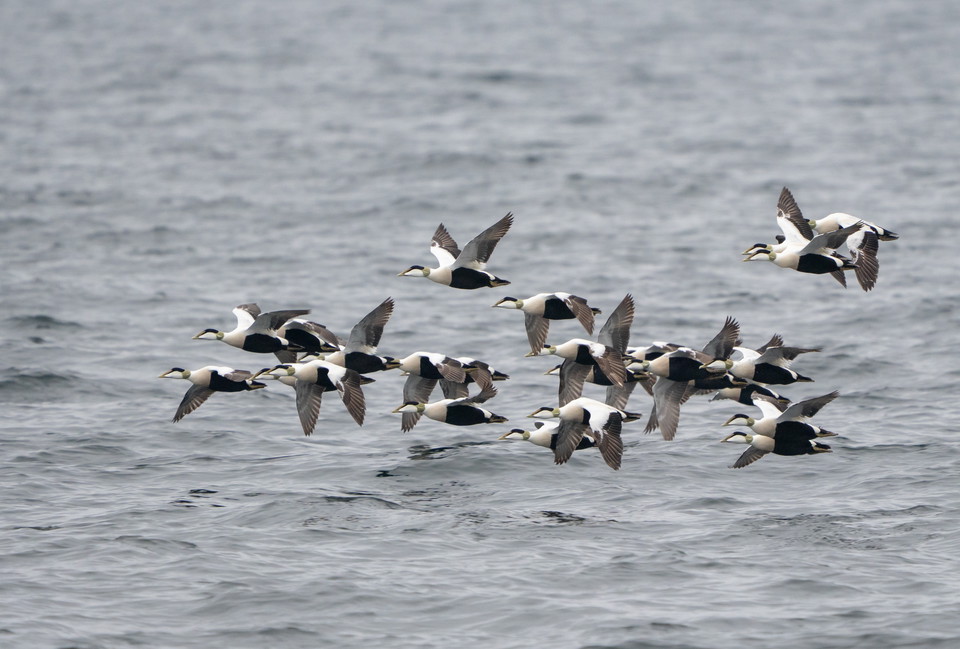
Ejderflock fotograferad från tornet.
Photo: Sölvesborgs kommun -
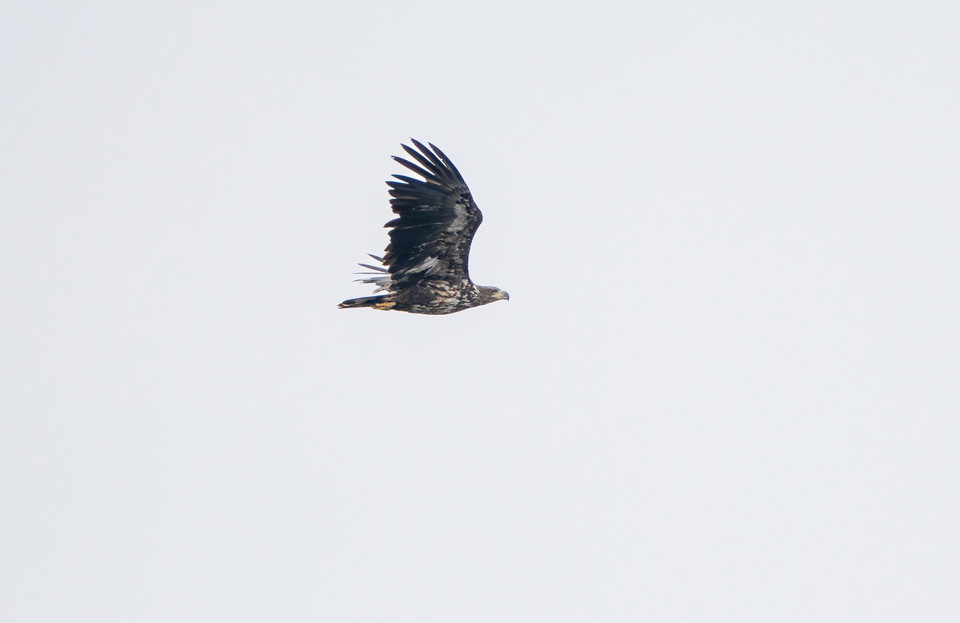
Havsörn ses regelbundet i området
Photo: Sölvesborgs kommun
Äspuddens fågeltorn
- Bird watching
- County: Blekinge län
- 6861.68 km away from you
Actions
Description
The newly built bird tower at the southern end of the island is an excellent place to study the seabird migration that passes south of Hanö. The tower is large and can accommodate many people. On the ground floor, a large wooden deck has been built with several movable benches and a large coffee table. The upper floor is five meters high and has a fantastic view of the Baltic Sea. The easiest way to get to the tower is to follow the white path south from the village, the distance is about 600 meters in terrain. The path is not recommended for people with reduced mobility.
The range of species from the tower is extremely variable depending on the month you visit the island. April-May and August-October are the months when seabird migration is most intense and it is during these periods that you can expect the most activity. It should also be added that birds prefer to migrate mainly from dawn and well into the morning, so the early birds are usually the most rewarded.
The early spring migration in March-April is dominated by different types of ducks. Eider is the species seen in highest numbers during this period, historically days with over ten thousand eiders have been seen from Äspudden. A little later in April, the number of species increases as the heat returns. Common Scoter, Black Scoter, Common Goldeneye, Pintail, Teal, Oystercatcher and Curlew are species that pass the island in higher numbers in mid-April. In May, the stretch is dominated by terns and sandwich terns, barnacle goose, bar-headed goose, and little and common guillemots.
In late summer you can enjoy the wonderful wader migration before all the ducks return south in September. Generally, birds are not in as much of a hurry in the fall as they are during spring migration, which means they move for much longer periods. So you normally get a much greater variety of species in September-October than you do in spring.
In the hornbeam forest next to the bird tower there is a wonderful concert in the spring with many different species of warblers, nightingales, thrushes and both great and lesser spotted woodpeckers. Outside the tower there is also a good chance of seeing harbor seals, gray seals and otters.
Activities And Facilities
- Bird watching
Directions
Walk about 600 meters south on the white path from the village. 150 meters before the tower, follow the blue-white path where the white path turns east into the forest.
Contact
Address
Telefon: 0456 81 61 81
Email address
Sölvesborgs Turistbyrå
Organization logotype

Please be aware that some of these texts have been automatically translated.
I’ve been here
I want to go here
Questions & Answers
Ask a question to other Naturkartan users.
Reviews
0 reviews
- 5 :
- 4 :
- 3 :
- 2 :
- 1 :
Users images
No user images yet. Be the first to share!