
-
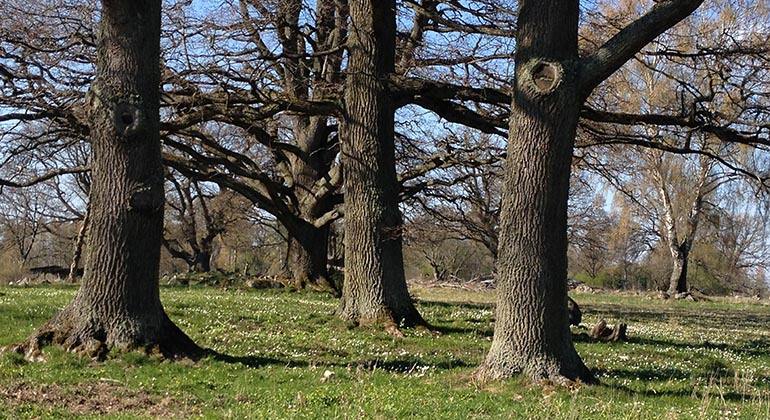
Segersjö.
Photo: Daniel Gustafson -
-
-
Segersjö, Naturreservat
- Nature reserve
- County: Örebro län
Actions
Description
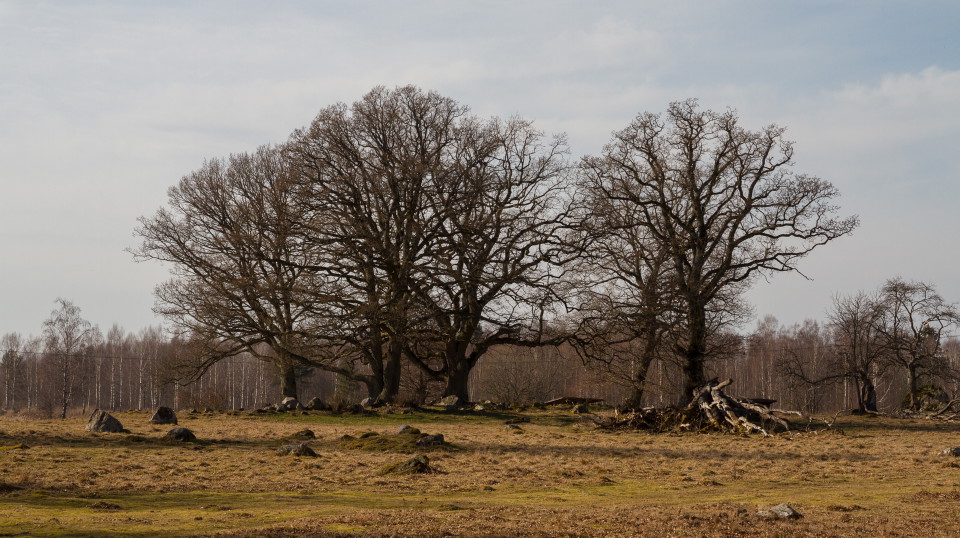
The Segersjö Giant Oaks Nature Reserve tells the story of a bygone era, when ships were built from oak, the king had unlimited power and the agricultural landscape looked completely different from today. The old oaks are also home and habitat for rare insects and lichens.
Iron Age burial grounds
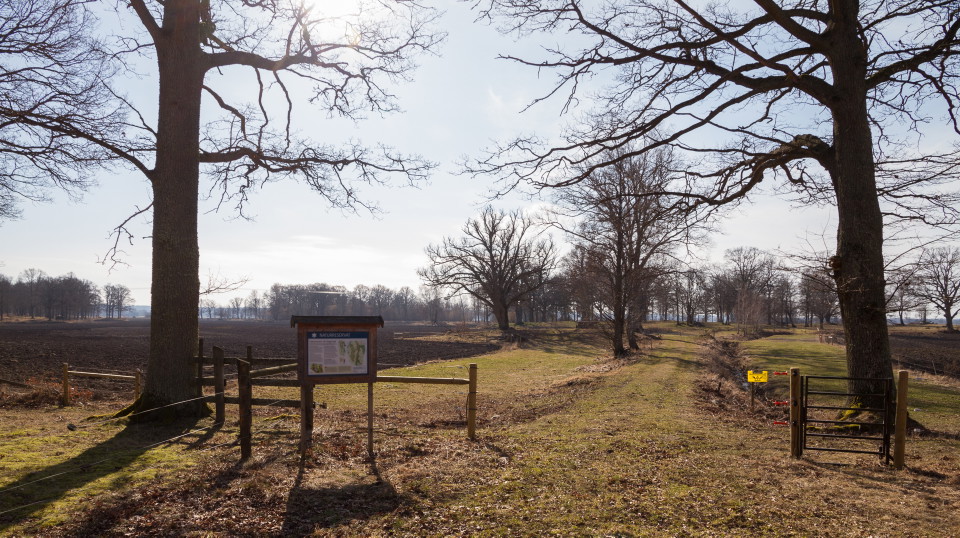
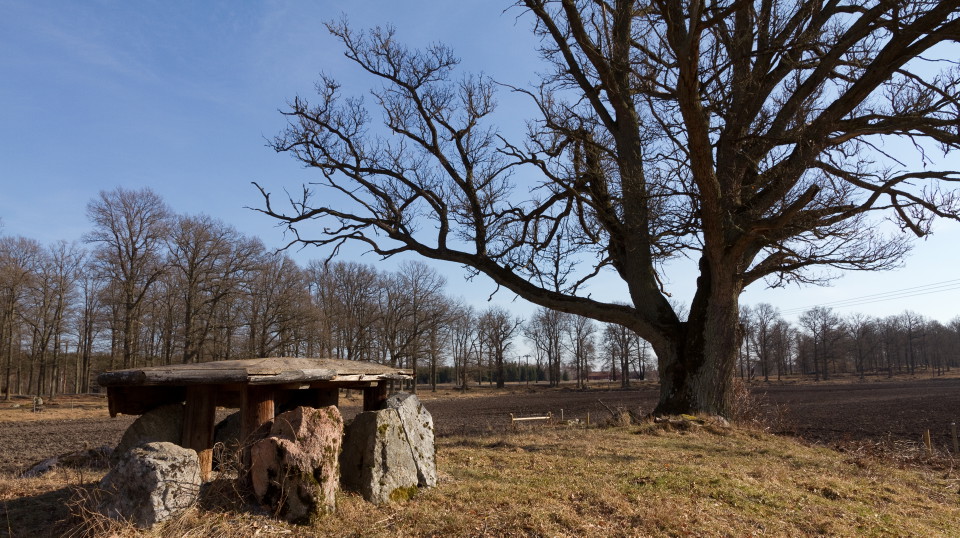
The oak landscape at Segersjö is located in an old cultural settlement that has been inhabited and farmed for a very long time. There are several ancient remains in the area. Within the reserve there are, among other things, burial grounds with burial mounds and a ring of judges from the Iron Age (500 BC-1050 AD). The road through the reserve is an old route that follows the heights through the otherwise flat landscape. The Segersjö farm dates back to the Middle Ages.
King's oaks
The oaks are also part of the cultural history of the area. The Segersjö nature reserve has been established to preserve a unique remnant of an oak landscape. In addition, 36 large oak trees outside the reserve have been protected as a natural monument. Large oaks and entire landscapes with scattered oaks were more common in the past. One reason was that all the oaks belonged to the king. This was so that there would be enough good wood to build warships. The ban on cutting down oak trees applied from the Middle Ages until the 19th century. The nobility were exempt from the ban, but the oaks remained on the land of the nobility because they signaled wealth.
Tree-rich meadows were common in the past
The agricultural landscape also looked very different in the past. Before the use of commercial fertilizers, large meadows were required. Meadows provided winter fodder for livestock, which in turn provided manure for the fields. The landscape was therefore long dominated by wooded meadows and pastures. The oak landscape in Segersjö gives a picture of what large parts of the landscape looked like a few hundred years ago.
Rare insects and fungi
Over 1000 species are more or less dependent on oak. The oak has a special status as a host tree for various lichens, insects and fungi. But not just any oaks will do. It is the old, coarse and often hollow oaks with sunlit bark that are most interesting. As these trees become rarer, the species that live in and on them have also become rarer.
This is where the golden beetle thrives
Segersjö's oak trees are home to the unusual beetles brown golden beetle and blunt-toothed leafcutter, among others. Both are dependent on mulm - a brown flour consisting of decomposed wood, animal remains, old bird nests and other things that collect inside hollow trees. Other rare species in Segersjö's oak groves are the lichens oak lichen and brown needle lichen, which grow in sunlit bark cracks.
Accessibility
Segersjö belongs to level 1 in the County Administrative Board's leveling of the county's nature reserves, which means that the reserve lacks outdoor recreation facilities except for a few gates that allow you to pass the fence in some places in the pastures. Be considerate of the grazing animals, be sure to close the gates and keep your dog on a leash.
Sign language information
Activities And Facilities
- Nature reserve
Facts
Municipality: Örebro
Year established: 2006
Area: 28 hectares
Landowner: Private
Manager: County Administrative Board
Reserve creator: County Administrative Board
Directions
From road 52 turn north at Lännäs church and drive about 2.5 km. The reserve is located on both sides of the road, just over 1 km south of Segersjö farm.
Regulations
In the reserve it is not allowed to:
- damage living or dead trees
- light a fire
Contact
Email address
Organization logotype

Please be aware that some of these texts have been automatically translated.
I’ve been here 1

I want to go here
Questions & Answers
Ask a question to other Naturkartan users.
Reviews
0 reviews
- 5 :
- 4 :
- 3 :
- 2 :
- 1 :
Users images
No user images yet. Be the first to share!