
-
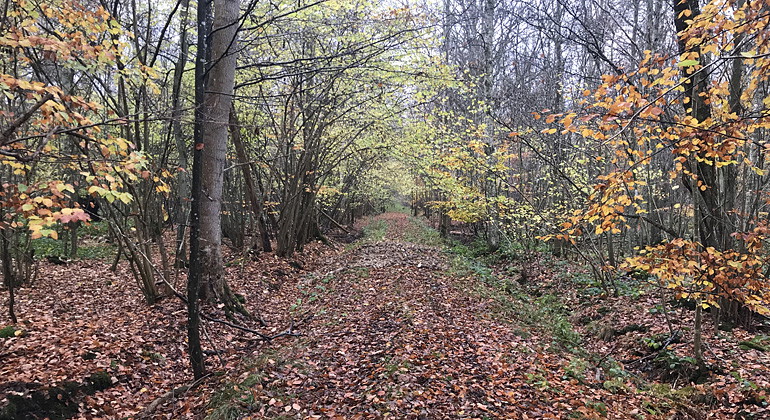
Photo: Johan Johnmark -
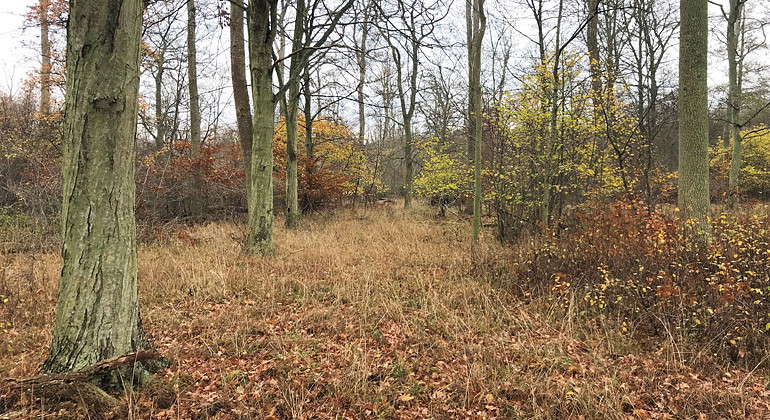
Photo: Johan Johnmark -
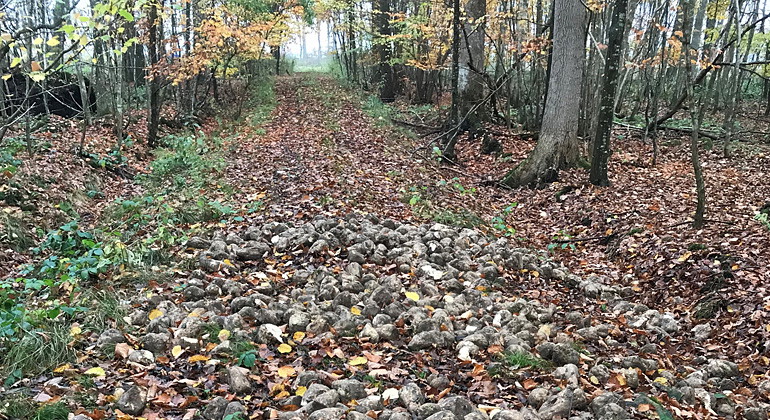
Photo: Johan Johnmark -
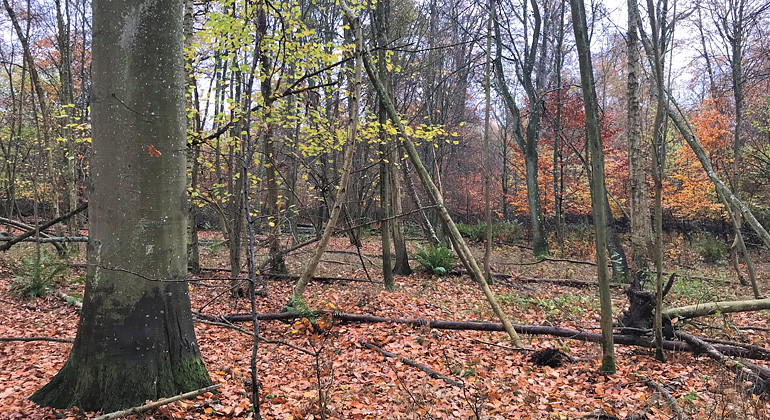
Photo: Johan Johnmark -
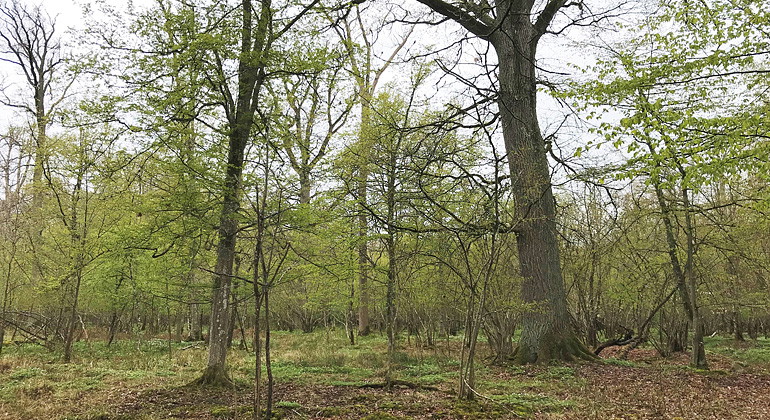
Photo: Johan Johnmark -
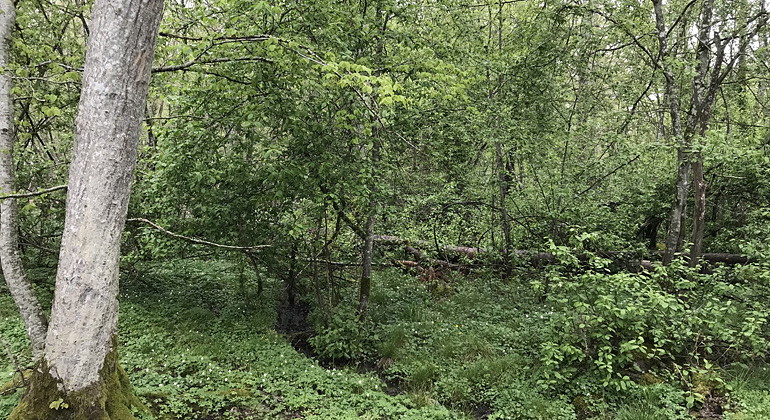
Photo: Johan Johnmark -
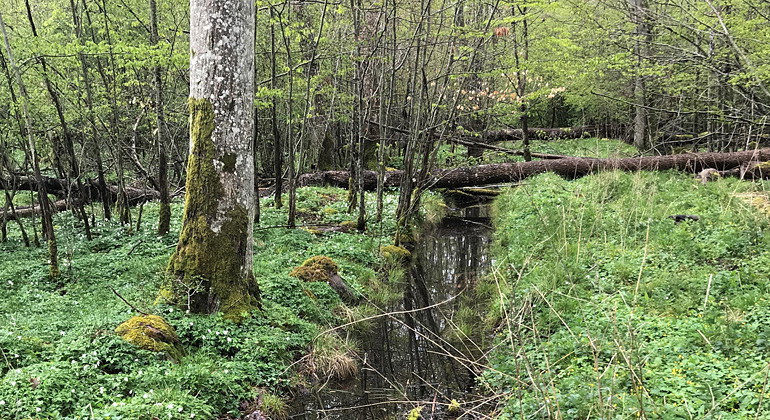
Photo: Johan Johnmark -
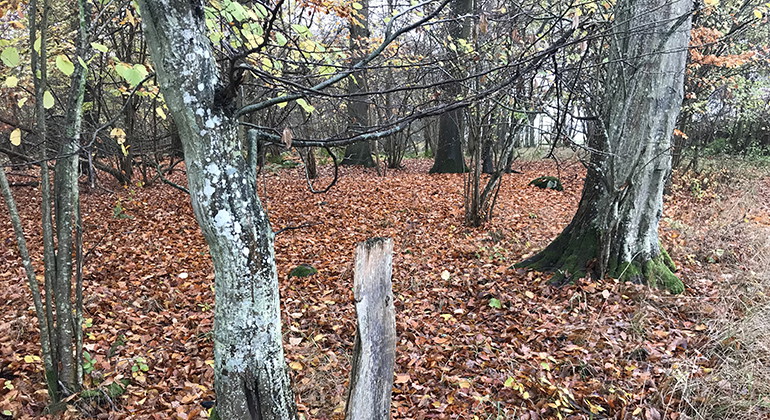
Photo: Johan Johnmark -

-

-

Tursköpsskogen, Naturreservat
- Nature reserve
- County: Skåne län
Actions
Description
Tursköpsskogen consists of broadleaf and deciduous swamp forest and is surrounded by farmland. This forest is of particular importance as a stopover site for migratory birds. The area is particularly important for migrating birds of prey, but also for large numbers of passerines and thrushes. Svedberga kulle Open in new window, another wooded nature reserve, is located about 2.5 km northwest of Tursköpsskogen, while the Christinelund nature reserve is located about 7.5 km southwest.
Important roosting place for birds
This forested island surrounded by open farmland is of great importance as a roosting site for birds during spring and fall migration. It is particularly important for birds such as ospreys, bees, sparrowhawks, buzzards and skylarks. But there are also birds that stay here more permanently. Among the birds of prey, peregrine falcons and white-tailed eagles are seen for much of the year. Other birds in the reserve include the greenfinch, yellowhammer, birch thrush, chiffchaff and black and white flycatcher. Ornithologists have found 100 different bird species in Tursköpsskogen.
Old meadows from the Iron Age
In 1753, the area was called Tursköpings lund and was then a meadow with trees and shrubs. The land has probably been used as meadow and pasture since the Middle Ages / Iron Age. In the 1814 land consolidation, the area is called Tursköping meadows. Since the 1900s, trees have become increasingly dominant in the area.
Nowadays species-rich deciduous forest with old trees and dead wood
The forest contains a lot of coarse oak, beech and hornbeam. In places there are also maple, alder, ash, birch and hazel. The clay-rich soil also contributes to a rich shrub layer with various hawthorn species, grapevine and elder. In places, there are older broad-crowned trees reminiscent of the time as a meadow with more sunlight and only scattered trees and shrubs.
Both the amount of old, coarse trees and the amount of dead wood contribute to today's high species richness. Almost 40 different red-listed species have been found in the area. 12 of these rare species are insects. Two of the more exclusive ones are the blue-black brown beetle and the beech ox, both of which indicate that this is a very valuable broadleaf forest.
Among the golden curl moss and oxeye daisy
Rare mosses in the reserve have names such as flat feather moss, goldilocks moss, shadow moss and wavy silk moss. Lichens that indicate high natural values are beech wart lichen, orange-powdered scribble lichen, dull spotted lichen and violet-grey porcupine lichen. The most exclusive mushroom in Tursköpsskog is the spider moss, but there are also oxtongue mushrooms and sulphur mushrooms that are a little easier to find.
The forest's green carpets
A typical grove flora spreads out on the ground. In spring, carpets of wood anemones are visible. In places, wood sorrel, witch hazel and common ragwort appear. Among the more conspicuous species are green-white night-flowering violet, wood anemone and St. John's wort. The most unusual of the flowers is probably the wood veronica.
Bats live in hollow old trees
Old trees are also home to bats. Of the 19 bat species found in Sweden, six species have been found in the reserve. It is likely that the area is also very important for migrating bats.
Outdoor life and accessibility
The area lacks a path system and trees are in places over the road that runs through the area. There will be no trails or facilities other than a small parking lot in the northern part.
Funded by the European Union
Activities And Facilities
- Nature reserve
Facts
Established: 2021
Size: 31 hectares
Municipality: Helsingborg
Manager: County Administrative Board of Skåne
Protection type: Nature reserve
Directions
Walk, cycle, take public transport or drive here. On the map, you can click on a parking lot or access point. For directions, click on the 'Find here' arrow (below the map).
Regulations
**Within the area, special rules and restrictions apply to the right of public access.
For example, it is forbidden to:
- keeping a dog unleashed
- setting up a camper van at night
- make fires other than in outdoor kitchens
It is important to note that this is only a selection of the rules.
Full regulations for visitors
In addition to regulations and prohibitions in other laws and regulations, it is forbidden to
- remove, dig, drill, paint or otherwise damage soil, stone, stone walls, natural objects or cultural relics,
- set up a motorhome or equivalent in the parking lot between 00.00 - 05.00,
- bring a dog (or other pet) that is not kept on a physical leash,
- dig up or otherwise damage plants (including mosses), lichens or woody fungi. Does not apply to the collection of single specimens, provided that the collection does not violate the conservation regulations or that the species is classified as red-listed and that the finding is reported to the Species Portal.
- make fires other than with an outdoor stove,
- deliberately breaking or collecting and removing dead wood
- use music or sound equipment (musical instruments or similar) in a disruptive or noisy manner
- organize competitions, training or similar events
- placing objects foreign to the reserve.
Furthermore, it is prohibited without the written permission of the County Administrative Board
10. collect invertebrates, such as beetles or molluscs
Contact
Address
Under LÄNKAR kommer du till aktuell reservatssida på Länsstyrelsens webbplats, med fördjupande information som kartor, broschyrer och hänvisning till relevanta aktörer. Här finns även en rapportfunktion för dig som vill lämna uppgifter om naturreservaten som vi förvaltar.
Email address
Organization logotype

Please be aware that some of these texts have been automatically translated.
I’ve been here
I want to go here 1

Questions & Answers
Ask a question to other Naturkartan users.
Reviews
0 reviews
- 5 :
- 4 :
- 3 :
- 2 :
- 1 :
Users images
No user images yet. Be the first to share!