Naturkartan på ny teknisk plattform

Naturkartan har bytt teknisk plattform. Driftstörningar kan förekomma på webb och i app under inkörningsperioden. Rapportera problem till emil@outdoormap.com.

Read more
  • Photo: Alex Regnér
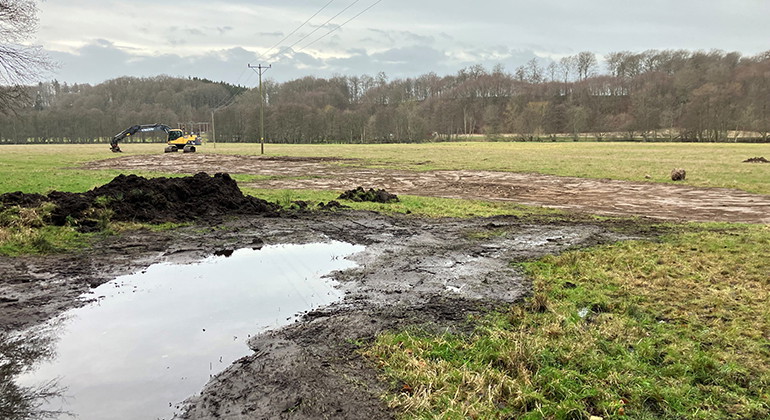
  • Åtgärder i Trydeån i början av 2025.
    Åtgärder i Trydeån i början av 2025.
    Photo: Magnus Jönsson
  • Photo: Gunilla Davidsson Lundh
  • Photo: Gunilla Davidsson Lundh
  • Photo: Gunilla Davidsson Lundh
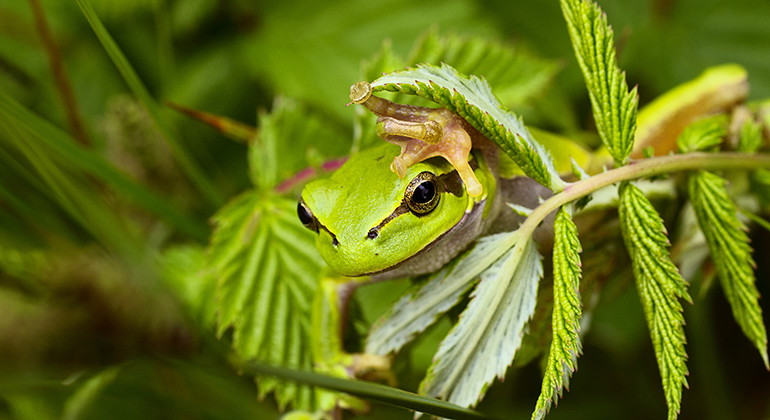
  • Lövgroda.
    Lövgroda.
    Photo: Björn Olsson
  • Photo: Gunilla Davidsson Lundh
  • Photo: Maria Sandell
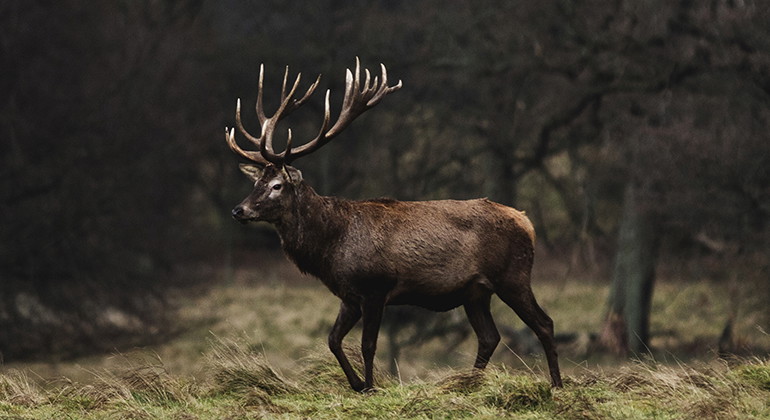
  • Kronhjort.
    Kronhjort.
    Photo: Alex Regnér
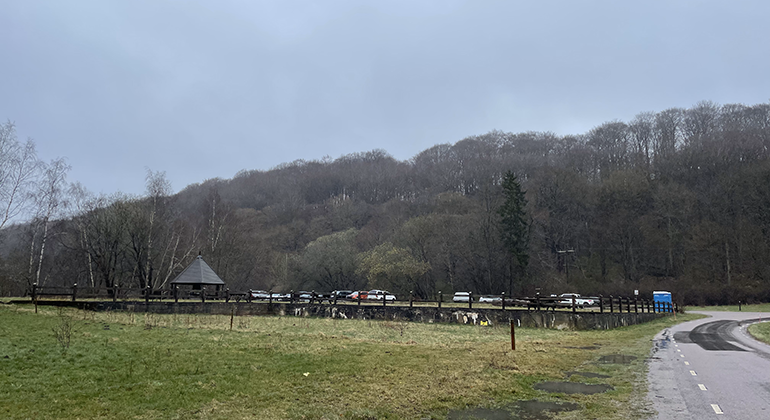
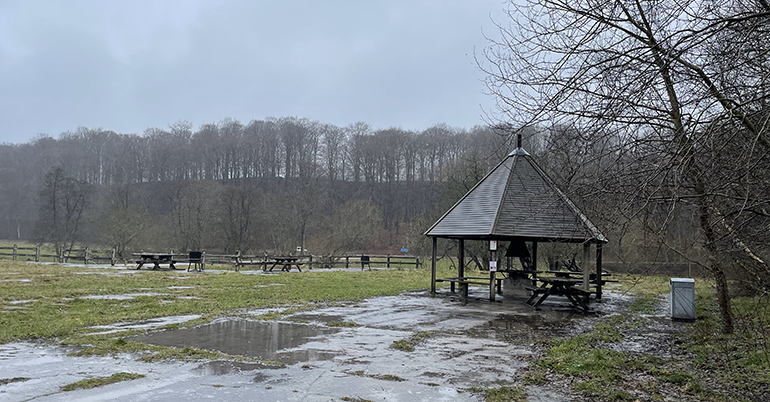
  • Rastplats och parkering.
    Rastplats och parkering.
    Photo: Carina Zätterström
  • Stensimpeleden.
    Stensimpeleden.
    Photo: Carina Zätterström
  • Stensimpeleden.
    Stensimpeleden.
    Photo: Carina Zätterström
  • Photo: Carina Zätterström
  • Stensimpeleden.
    Stensimpeleden.
    Photo: Carina Zätterström
  • Stensimpeleden.
    Stensimpeleden.
    Photo: Carina Zätterström
  • Photo: Gunilla Davidsson Lundh
  • Rastplats.
    Rastplats.
    Photo: Carina Zätterström
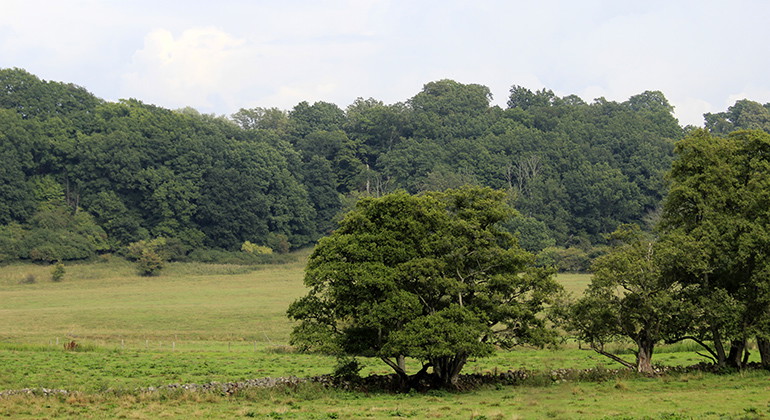
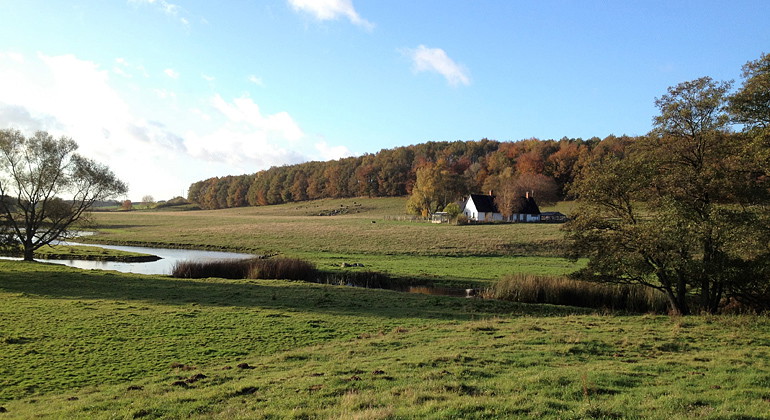
  • Betesmark vid Åhuset.
    Betesmark vid Åhuset.
    Photo: Gunilla Davidsson Lundh

Naturreservatet Fyledalen, Naturreservat

  • Nature reserve
of 5 stars

Actions

Description

With its magnificence and rarely seen diversity, Fyledalen is one of Skåne's most exciting natural areas. In addition, there are good opportunities for outdoor activities right here.

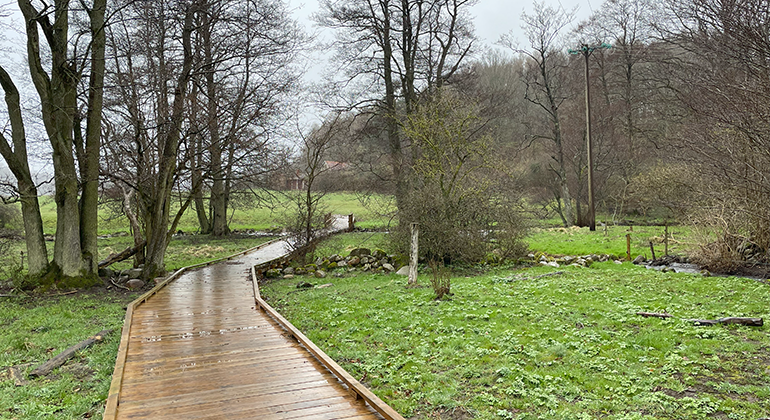
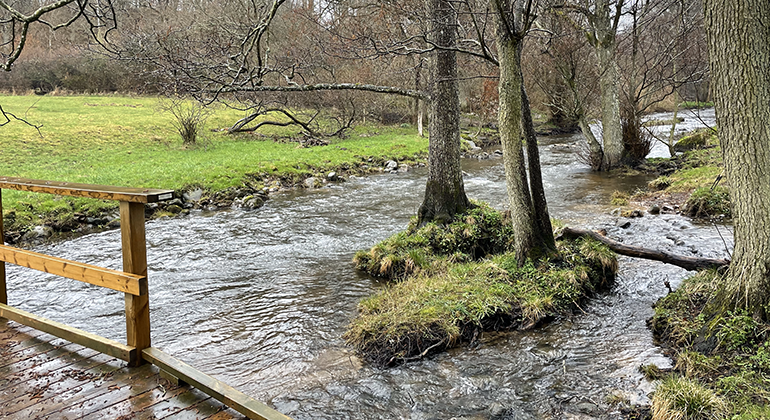
Spring measures in Trydeån ready

  • More movement in the water and standing places for fish since stones and blocks have been put back in the river channel.
  • The river can flow out over the meadows at high tide after the natural floodplain has been restored.
  • Biodiversity will benefit and the river will be able to flow more easily over the floodplain after trees and logs have been placed in the water.
  • A new tributary of the river has been created with about 400 m of flowing water.
  • Nutrients are retained and more easily taken up by plants as parts of the water flow over grassland and through two new smaller ponds.

When water stays longer in the landscape, biodiversity increases and eutrophication of the sea decreases. More water also has time to seep down and replenish groundwater. Restoring the floodplain also reduces the risk of flooding further down the water system.

Beetle-rich beech forests

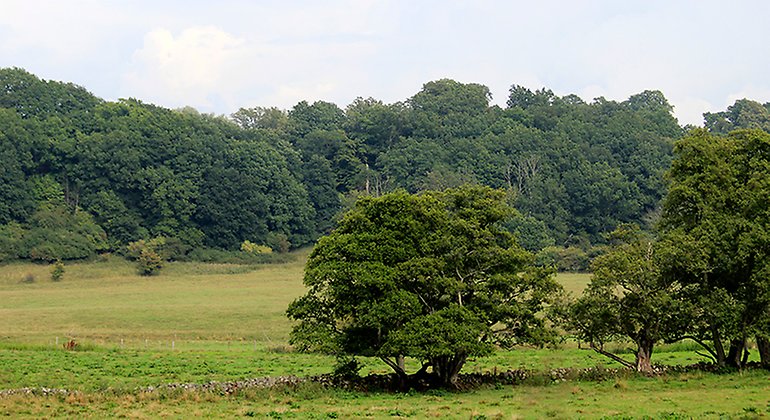
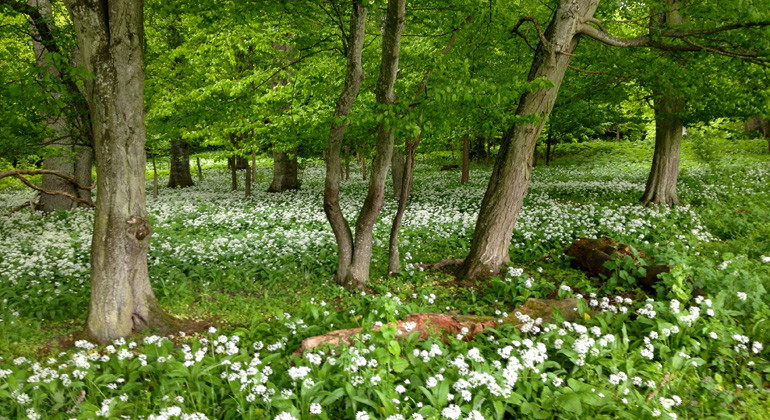
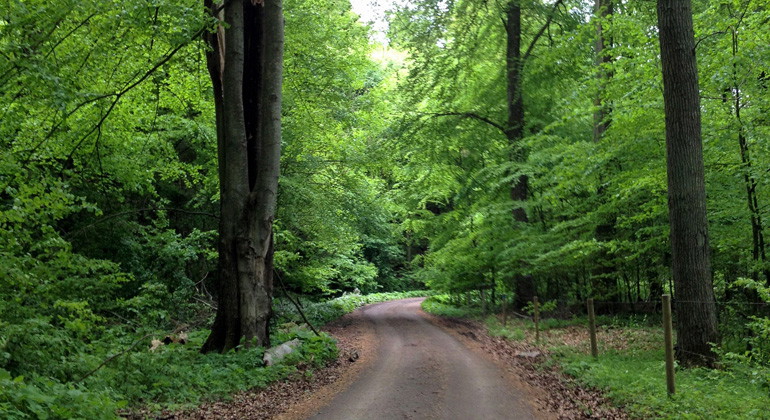
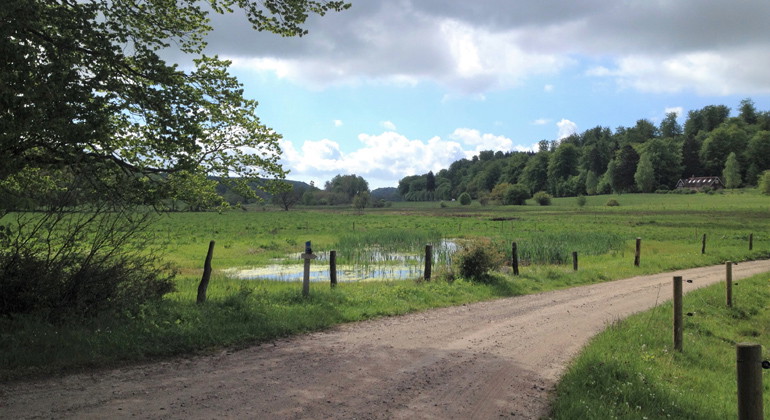
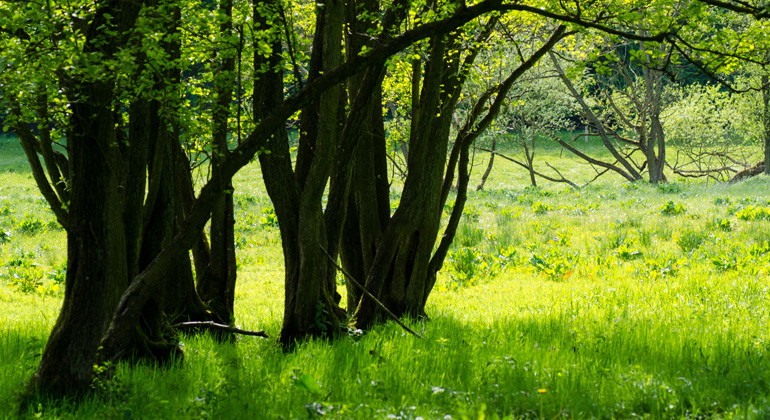
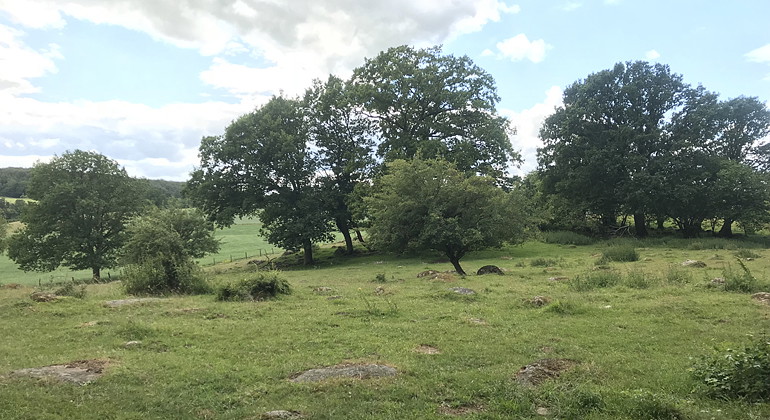
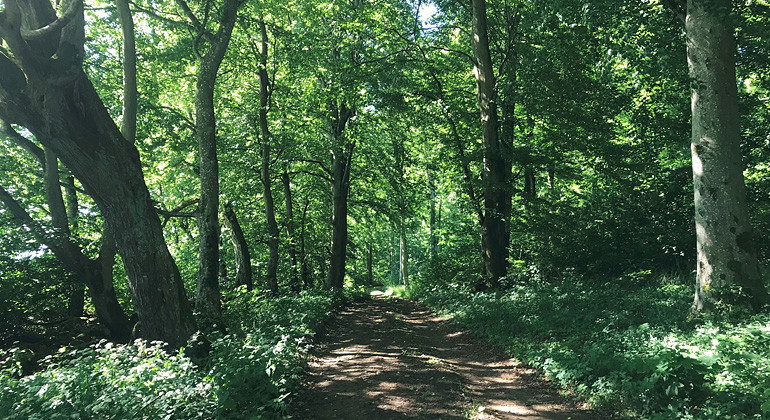
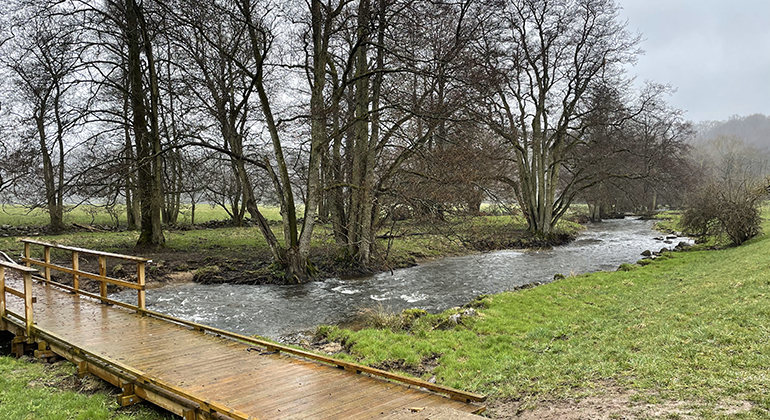
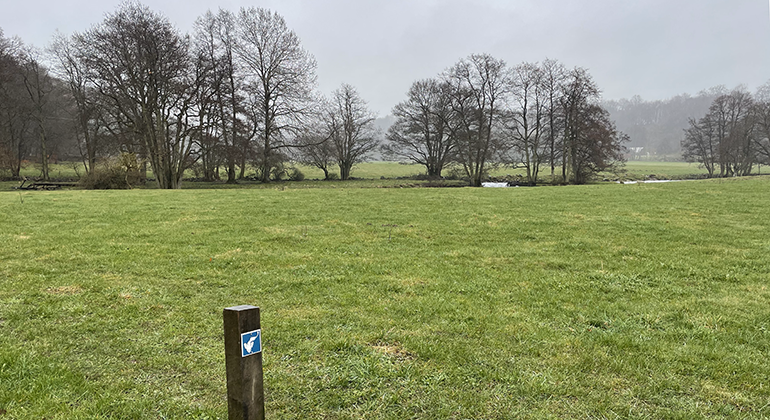
The road down into the valley winds through the steep, forested slopes. Down at the bottom of the valley, the pastures spread out with the quiet Fyleån river in the middle. The area contains everything from beech-covered slopes to frog-rich wetlands. However, most of the reserve is characterized by older beech forest. The forest in the area is particularly rich in species. Among other things, there are thousands of species of beetles here.

Both small and large animals

The species that can be found in the reserve are many and varied. Everything from red deer to bell frogs can be found here. The leaf frog, the great crested newt, the mushroom, the vineyard fungus and the endangered bat species, the barbastelle, can also be found in the area. Fyledalen Nature Reserve is even Sweden's most species-rich bat site. A total of 17 of the country's 19 species have been seen in the area. In addition, there are also plenty of grazing-dependent plants such as cowslip, brideweed and almond flower in Fyledalen.

Exciting geology

Even those interested in geology can find a lot in Fyledalen. The area has clear geological traces from the Quaternary period, for example. Among the geological finds are erosion terraces, drainage valleys and diabase galleries. In addition, it is possible to see finds such as shark teeth, mussels and sea urchins from the marine environment that existed in Fyledalen 70 million years ago. The geological evidence has meant that the Fylde Valley is often used for research and teaching.

Outdoor life

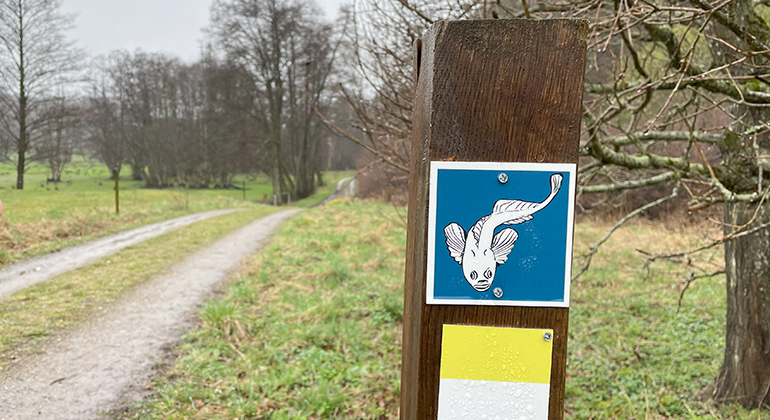
Experience Fyledalen by walking one of the hiking trails Pdf, 1.6 MB.. Starting from the parking lot in the central parts of the reserve, you can choose between Stenbyrundan (2.2 km, yellow), Stensimperundan (2.8 km, white) and Drottningleden (5.7 km, red). In the far north, there is instead the Bat Trail (4.1 km, blue). There are also unmarked forest roads. Here you can get around on foot, by bike or on horseback. Just north of the reserve is the Skåneleden trail (SL4 Österlen, stage 11). There is a rest area with a barbecue at the parking lot in the central parts of the area. Bring charcoal if you are going to barbecue and remember to take your rubbish home. The nearest bus stops are Benestad Church and Benestad Örvabyvägen. Remember to show consideration for the grazing animals.

In English

Welcome to Fyledalen Nature Reserve

Fyledalen's almost 20 kilometer long valley was formed by movements of the earth's crust. Fyledalen got its current appearance with steep slopes and the flat valley floor when a mighty glacial river surged forward during the last ice age, leaving behind sand and gravel.

Today Fyleån stream meanders through the valley. Beech forests cover the valley's steep slopes. The closer you get to the valley's floor the damper the ground is. In open and calcareous areas there are elements of small rich fens.

Old trees and dead wood create good conditions for many insects and fungi. Nearly one thousand different species of beetles have been found in Fyledalen. The valley's water bodies attract frogs and salamanders, including tree frogs and fire-bellied toads. Tree frogs are our smallest amphibians, but when they are playing (in May and June) they can be heard several kilometers away.

In the dry, sandy soils along the embankment you may encounter sand lizard. Fyledalen is also one of Sweden's most species-rich areas for bats. In the darkness they hunt insects along the edge of the forest and across pastures and water bodies. It is also common to see roe deer, fallow deer and red deer emerge from the forest to graze on the open land in the valley.

Regulations

In the Fyledalen Nature Reserve it is forbidden to:

  • park caravans, camper vans, buses or similar except for between 6 am and 12 am in the designated areas,
  • remove dead wood, break branches, fell or otherwise damage trees and shrubs,
  • dig up plants or pick plants for commercial use,
  • erect any kind of equipment or set up objects that do not belong in the nature reserve,
  • ride or cycle other than on the existing paths,
  • launch or land an aircraft, or fy a remotely operated unmanned aircraft (including model airplanes),
  • bring dogs unless they are kept on a lead.

Without the written permission of the County Administrative Board, it is also forbidden to:

  • put up boards, placards, signs, inscriptions, posters, route tape or similar,
  • hide geocaches,
  • conduct scientifc or other experiments that may damage or disrupt the natural environment,
  • catch insects, spiders, snails, clams or other invertebrates other than by using nets, picking them up by hand or other selective methods with subsequent repopulation of the nature reserve. The repopulation requirement does not cover single specimens of each species, provided that the findings are recorded in the Species Reporting System (Artportalen) and that their collection does not violate protection laws.
  • collect mosses, lichens or wood eating fungi with the exception of single specimens.

Weather forecast (at 12:00)

Loading...

Get here by public transport

Activities And Facilities

  • Nature reserve

Facts

Established: 2015

Size: 946 hectares

Municipality: Sjöbo, Tomelilla, Ystad

Administrator: County Administrative Board of Skåne

Protection type: Nature reserve and Natura 2000

Directions

Walk, cycle, take public transport or drive here. Map and directions via Google maps or coordinates (WGS84).

Regulations

Full regulations for visitors

In addition to regulations and prohibitions in other laws and regulations, it is forbidden to:

  1. set up or park caravans, motorhomes, buses or the like other than between 06:00 and 24:00 in designated areas
  2. remove dead wood, break twigs, cut down or otherwise damage trees and shrubs
  3. dig up plants or pick plants for commercial use
  4. erect any form of construction or set up objects foreign to the nature reserve
  5. ride horses and bicycles other than on existing roads
  6. take off or land by aircraft, or fly remotely operated unmanned aircraft (including model airplanes)
  7. carry a dog other than on a physical leash

Furthermore, it is prohibited without the written permission of the County Administrative Board:

8. Put up a board, poster, sign, inscription, poster, string or similar device

9. place geocaching

10. conduct scientific or other studies that may

damage or disturb the natural environment

11. catch insects, spiders, shells, mussels or other invertebrates other than by scooping, hand picking or other selective method with subsequent release within the nature reserve. The requirement for release does not apply to single specimens of each species, provided that the finds are registered in the Species Portal and that the collection does not violate the conservation regulations

12. collect mosses, lichens or woody fungi with the exception of single specimens

Contact

Address

Under LÄNKAR kommer du till aktuell reservatssida på Länsstyrelsens webbplats, med fördjupande information som kartor, broschyrer och hänvisning till relevanta aktörer. Här finns även en rapportfunktion för dig som vill lämna uppgifter om naturreservaten som vi förvaltar.

Email address

skane@lansstyrelsen.se

Please be aware that some of these texts have been automatically translated.

I’ve been here 5
I want to go here 5

Questions & Answers

Ask a question to other Naturkartan users.

Reviews

0 reviews

of 5 stars

5 :
0.0%
4 :
0.0%
3 :
0.0%
2 :
0.0%
1 :
0.0%

Users images

No user images yet. Be the first to share!

Naturkartan

Open this in the app