
-
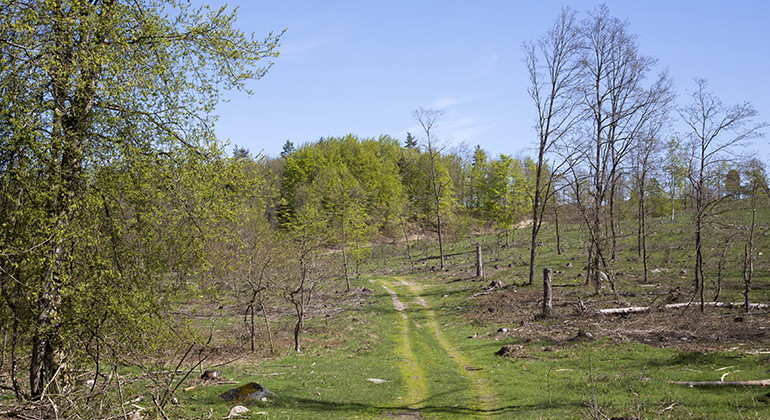
Trädbevuxen betesmark.
Photo: Alex Regnér -
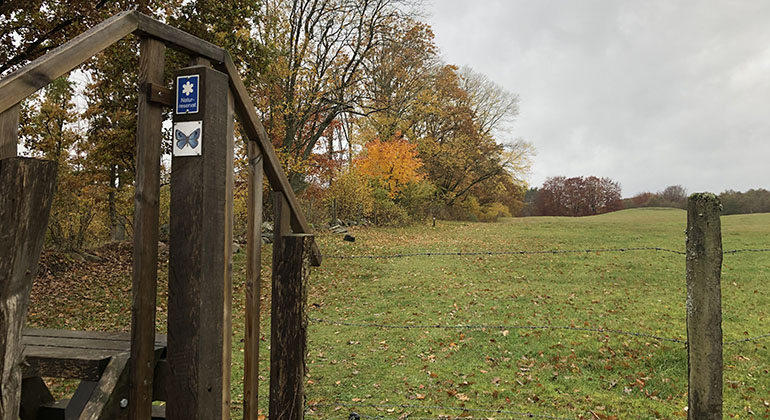
Blåvingeleden.
Photo: Carina Zätterström -
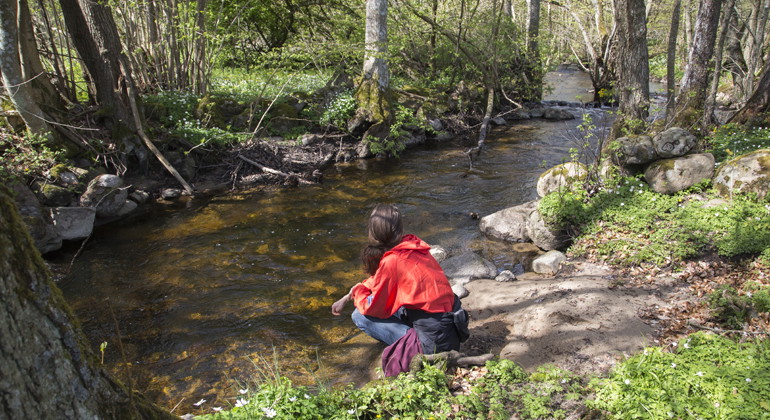
Photo: Alex Regnér -
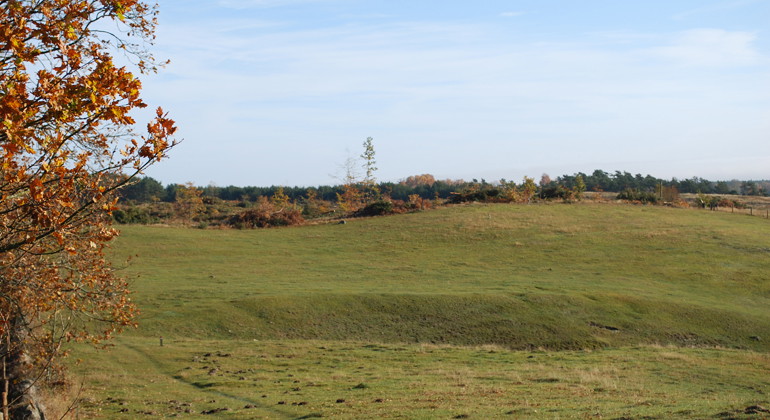
Photo: Johan Johnmark -
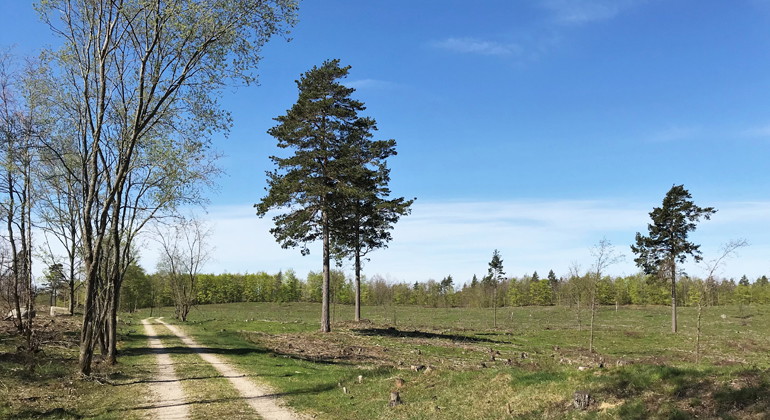
Photo: Viktor Tid -
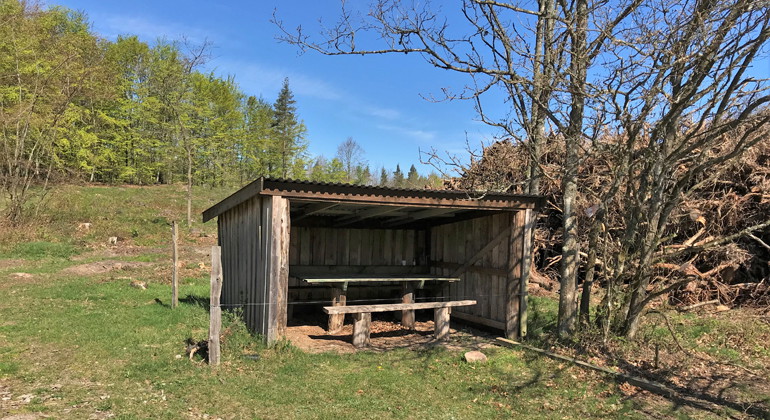
Rastplats.
Photo: Viktor Tid -
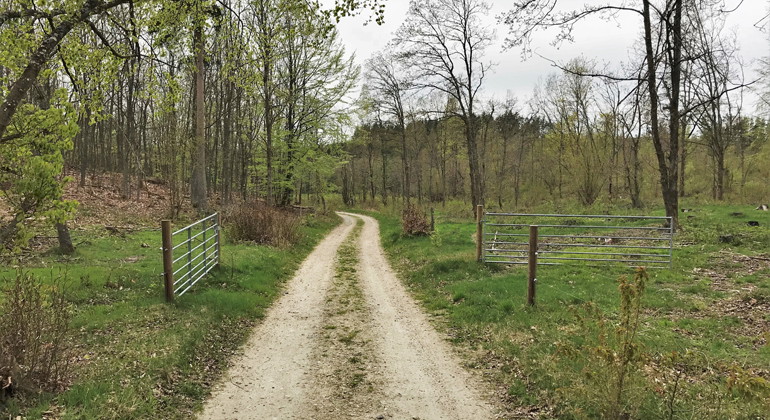
Photo: Viktor Tid
Maglehem, Naturreservat
- Nature reserve
- County: Skåne län
Actions
Description
Open fields and grazing mules meet you in the Maglehem nature reserve. Old dirt roads and paths make the reserve easy to explore on foot and Blåvingeleden, a 9 km long hiking trail, connects Maglehem with the adjacent nature reserves. The landscape is increasingly dominated by pastures with flowering hawthorn, blackthorn and rose bushes, scattered trees and occasional groves of deciduous forest. In the northwest corner of the area you will find Davidskärr. This is home to the carnivorous water primrose and the rare flea beetle.
The open fields
The land in Maglehem Nature Reserve has been used by people since the Bronze Age. In the 18th century, the landscape was completely open, with grazing animals and occasional fields. In the early 1900s, large areas were planted with pine. Now the pine has been removed and the trend is towards sandy pastures with flowering shrubbery of hawthorn, blackthorn and roses, scattered trees and occasional groves of broadleaf woodland. On open sandy areas, dung beetles and wasps can nest and competitive plants can have a chance to take root. Typical sandy soil species can naturally spread from adjacent reserves. Butterflies, bumblebees and bees will be among the first to arrive.
David's Archipelago
In the northwest corner of the area, south of the road, you will find Davidskärr, an extreme rice marsh that is home to a large number of rare animal and plant species. It is home to the carnivorous waterweed and the rare flea beetle. Endangered gastropods, such as the limpet, find lime for their shells in the marsh. A system of irrigation channels parallel to Stockabäcken is a trace of a time when the bog was important for haymaking.
Stocka stream
The clear, flowing water of the stream contributes to the diversity of the reserve. The cool water and gravel bottom are perfect spawning grounds for sea trout. Grayling and kingfishers are looking for food and yellow sword lily blooms in the shade of the swamp forest.
Outdoor life
There are unmarked paths in the gently undulating pasture landscape. You can start at the parking lots along Lillehemsvägen in the north or east. The latter is near road 19 where the bus also stops. If you come by bus or bicycle, the entrance in the southeast by road 19 is another option (no car). Here the three reserves Maglehem, Kumlan Link to another website. and Möllegården Link to another website. converge. At this starting point there are tables and benches. From a distance, you can see the famous Maglehem stone that sits in the Möllegården nature reserve. Just a few 100 meters into Kumlan Nature Reserve there are a couple of magnificent views with tables and benches. The Blue Wing Trail runs through the Maglehem reserve. It is a 9 km long circular trail that also goes through the nearby reserves Kumlan, Drakamöllan Link to another website. and Lillehem Link to another website.. Several fairly high fence crossings connect the grazing areas of the different reserves with each other. Keep in mind that dogs and grazing animals should be kept apart. The Skåneleden trail (SL6 Vattenriket) also passes through the area. Thank you for taking your rubbish home.
In English
Maglehem Nature Reserve
We are greeted by open areas and grazing animals in Maglehem Nature Reserve. Large parts of the site are being restored from pine plantations into pastures. In the wake of the machines, cows and horses finish the work. Old tracks and paths make for easy walking.
The open areas
Ever since the Bronze Age, people have utilized the land in Maglehem Nature Reserve. In the 1700s the landscape was completely open, with grazing animals and temporary fields. At the beginning of the 1900s large areas were planted with pine. The pine has now been felled and sandy pastures with flowering bushes of hawthorn and rose, scattered trees and small patches of broadleaved woodland will develop. On the patches of bare sand, dung beetles, bees and wasps make their nests and weakly competitive plants have the chance to establish. Typical species from sandy areas can disperse naturally from the adjacent Reserves. Butterflies and bees will be amongst the first to arrive.
David's Fen
David's Fen can be found in the north-western corner of the site, south of the road; an extremely rich fen which contains a large number of rare animals and plants. The carnivorous plant common butterwort and the unusual flea sedge grow here. Rare snails, such as geyer's whorl snail, find chalk for their shells in the fen. A system of irrigation channels running parallel to the Stockabäcken stream are remains from a time when the fen was important for hay cutting.
Stockabäcken Stream
The clear, running water of the stream contributes to the rich variation in the Reserve. The cool water and the gravelly bed are perfect breeding grounds for brown trout. Grey wagtails and kingfishers search for food and yellow flag iris flowers in the shade of the wet woodland.
Regulations for Maglehem visitors
Within Maglehem Nature Reserve it is forbidden to:
- remove, dig, bore, paint or in any other way damage the ground, stones or natural objects,
- camp or park caravans, campers or similar overnight
- light fires,
- during the period April 1 to November 30 ride or lead horses
- cycle other than on roads
- deliberately disturb grazing animals
- bring dogs or other pets unless on a physical leash
- pick, dig up or in any other way damage plants, mosses, lichens and wood-living fungi
- park outside designated parking areas
- introduce or release species alien to the reserve
Furthermore, without written permission from the County Administrative Board, it is forbidden to:
- hold or organize competitions or similar events,
- catch insects, spiders, gastropods or other invertebrate animals other than by netting, hand picking or other selective method which does not destroy their habitat, with subsequent reintroduction within the nature reserve. The requirement for reintroduction does not apply to individual voucher specimens of species which are difficult to identify, on condition that the record is logged in the reporting system Artportalen, or an equivalent national database for threatened species, and that the collection is not contrary to the species protection regulations,
Activities And Facilities
- Nature reserve
Facts
Established: 2015
Size: 116 hectares
Municipality: Kristianstad
Manager: County Administrative Board of Skåne
Protection type: Nature reserve
Directions
Walk, cycle, take public transport or drive here. Map and directions via Google maps or coordinates (WGS84).
Regulations
**Within the area, special rules and restrictions apply to the right of public access.
For example, it is forbidden to:
- have a dog unleashed
- staying overnight
- make fires
- riding/leading a horse between April 1 and November 30
- cycling off road
- disturbing grazing animals
- digging up plants
It is important to note that this is only a selection of the rules.
Full regulations for visitors
In addition to regulations and prohibitions in other laws and regulations, it is forbidden to:
- remove, dig, drill, paint or otherwise damage soil, stone, or natural objects,
- camping, or setting up a caravan, motorhome or similar,
- make fires
- ride/lead horses during the period April 1 - November 30,
- cycling other than on the road,
- deliberately disturb grazing animals,
- bring a dog or other pet that is not kept on a physical leash
- pick, dig up or otherwise damage plants, mosses, lichens or woody fungi
- park outside designated parking lots,
- release or release species alien to the area,
Furthermore, it is prohibited without the written permission of the County Administrative Board
11. organize competitions or similar events,
12. catch insects, spiders, shells or other invertebrates other than by scooping, hand picking or other selective method that does not destroy the animal's habitat, with subsequent release within the nature reserve. The requirement for re-release does not apply to single specimens of species that are difficult to determine, provided that the finds are registered in the Species Portal, or equivalent database for threatened species, and that the collection does not violate the conservation regulations.
Contact
Address
Under LÄNKAR kommer du till aktuell reservatssida på Länsstyrelsens webbplats, med fördjupande information som kartor, broschyrer och hänvisning till relevanta aktörer. Här finns även en rapportfunktion för dig som vill lämna uppgifter om naturreservaten som vi förvaltar.
Email address
Organization logotype

Please be aware that some of these texts have been automatically translated.
I’ve been here
I want to go here
Questions & Answers
Ask a question to other Naturkartan users.
Reviews
0 reviews
- 5 :
- 4 :
- 3 :
- 2 :
- 1 :
Users images
No user images yet. Be the first to share!