
-
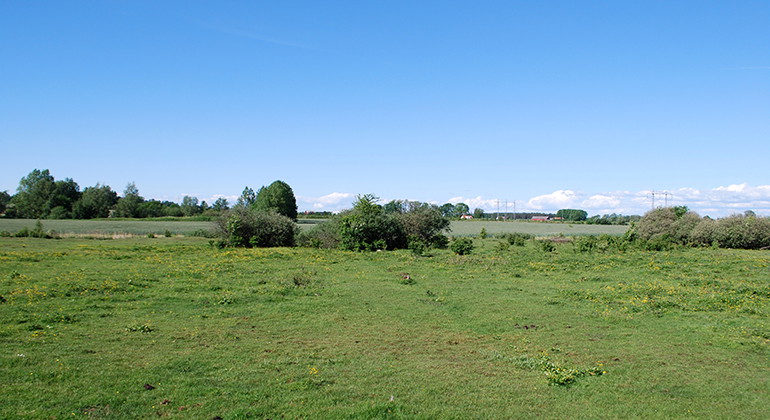
Landskapsbild Dagstorps mosse.
Photo: Länsstyrelsen -
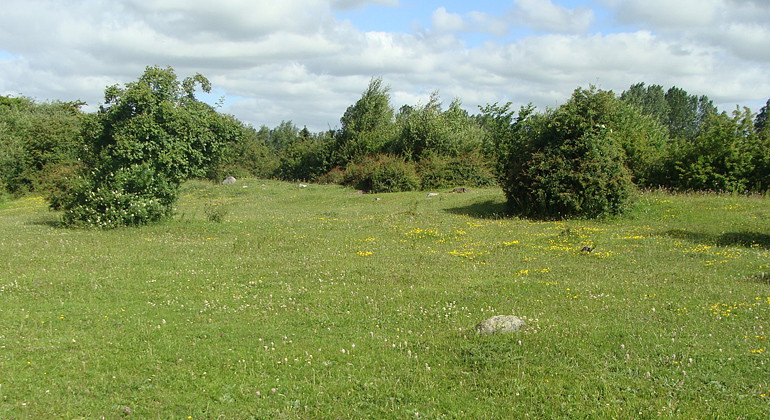
Photo: Marie Björkander -
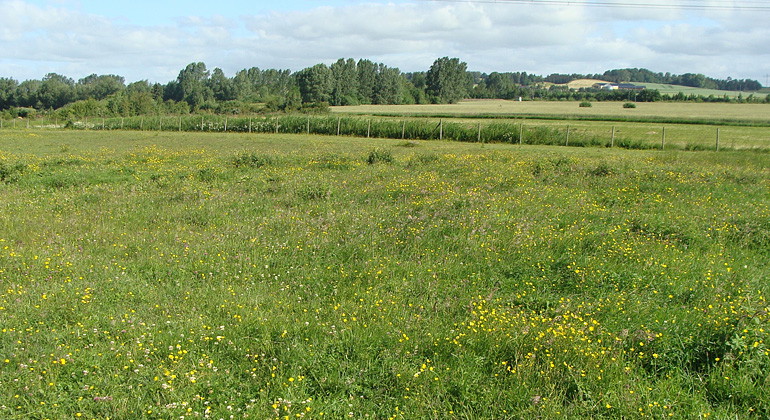
Photo: Marie Björkander -
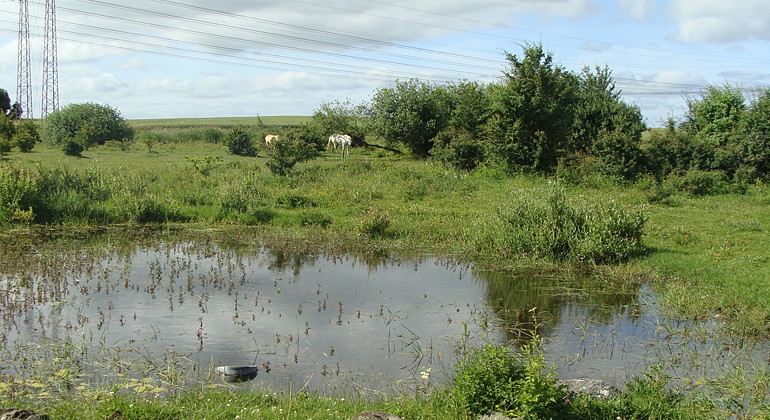
Photo: Marie Björkander -
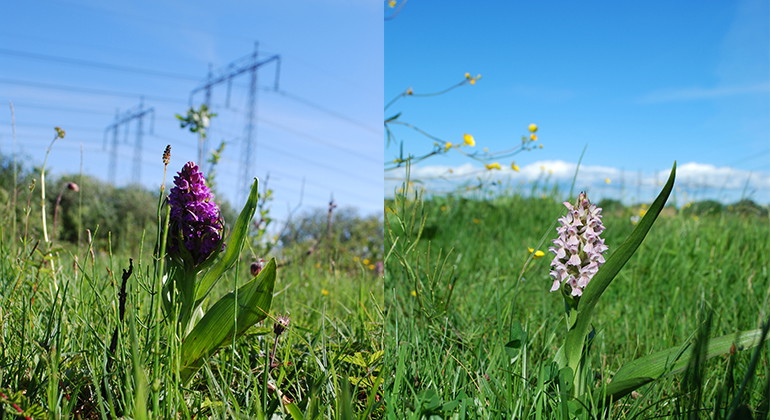
Orkidéer på Dagstorps mosse.
Photo: Länsstyrelsen -
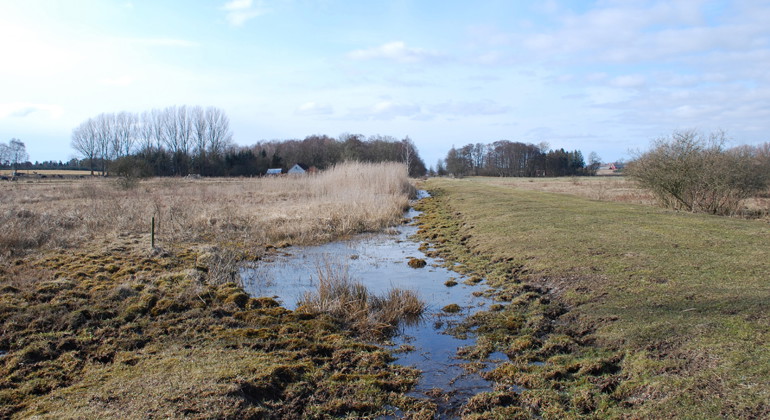
Photo: Länsstyrelsen
Dagstorps mosse, Naturreservat
- Nature reserve
- County: Skåne län
Actions
Description
In the middle of the arable landscape in Kävlinge municipality. The bog is surrounded by cultivated land and is a haven for several rare and endangered plant species. In spring, Dagstorp bog turns yellow and pink with flowering orchids, cornflowers and cabbage oaks. Grazing animals keep the land open and free of bushes, which benefits the rich flora.
Rich marsh - poor in nutrients, rich in life
In spring, Dagstorp bog turns yellow and pink with flowering orchids, cornflowers and cabbage oaks. The marshes are our most species-rich wetlands and are also one of our most endangered habitats. Despite their name, these marshes are not rich in nutrients, such as nitrogen and phosphorus, but they are rich in lime. The high calcium content, combined with the fact that they have often been used as hay meadows or pastures, means that many special species of vascular plants, mosses and shells thrive here. Several of our unusual orchids require calcareous soil, and the millimetre-sized limpet uses lime to build its shell.
Past and future
Dagstorp bog was close to meeting the same fate as many other rich bogs, with drainage and overgrowth. When the railroad was built through the area just over 100 years ago, parts of the bog dried up and the eastern part was cultivated. In 2012, as part of the Life to ad(d)mire project, when the railroad was rerouted, part of the old embankment was dug away and the marsh was able to regain some of its original water flows.
The meadows were mown until the 1920s. Today, grazing animals have taken over the job of keeping the land open and free of bushes, which benefits the rich flora. Dagstorp bog is back on track again.
In English
Welcome to Dagstorps mosse Nature Reserve
It's located close to Kävlinge in southwest of Skåne county.
Rich fens - nutrition-poor but species-rich
Dagtorps mosse (Dagstorp's bog), a small wetland area surrounded by farmland, shimmers in yellow and pink in the spring from flowering orchids, bird's eye primroses and marsh marigolds. Rich fens are our most species rich type of wetland and also one of our most threatened habitats. Despite the name, these fens are not rich in nutrients, such as nitrogen and phosphorus, but they are rich in chalk. The high concentration of chalk, in combination with the fact that they are often managed as hay meadows or pastures, means that many special species of plants, mosses and snails thrive. Several of our unusual orchids require chalky soils and the tiny one millimetre long geyer's whorl snail needs chalk to make its shell.
Past and future
Dagstorp's bog was close to meeting the same fate as many other rich fens; drainage and overgrowing. When the railway line was built through the area just over a hundred years ago, parts of the fen dried out and the eastern part was cultivated. When the railway was re-routed, part of the old railway embankment was removed and the fen regained some of its original water flow, as part of the LIFE project Life to Ad(d)mire in 2012.
The meadows were cut up until the 1920s. Today, grazing animals have taken over the work of keeping the site open and free of bushes, which benefits the rich flora. Dagstorps mosse is back on track again.
Regulations
Within Dagstorps mosse Nature Reserve it is forbidden to:
- dig, bore or damage the ground, vegetation, bushes or trees in any other way,
- pick or dig up plants,
- light a fire,
- camp or park up a caravan, camper van or equivalent,
- cycle or drive a motor vehicle,
- put up posters, signs, plaques, notices, inscriptions, tape or any equivalent items.
Without permission from the County Administrative Board it is also forbidden to:
- trap and take away or collect insects or other animals with traps which result in death, or in any other way injure wildlife or their habitats,
- put out geocaching sites.
Activities And Facilities
- Nature reserve
Facts
Established: 1992
Size: 7 hectares
Municipality: Kävlinge
Manager: County Administrative Board of Skåne
Protection type: Nature reserve and Natura 2000
Directions
Walk, cycle, take public transport or drive here. Map and directions via Google maps or coordinates (WGS84).
Regulations
**Within the area, special rules and restrictions apply to the right of public access.
For example, it is forbidden to:
- make fires
- camping
- setting up a caravan/mobile home
- cycling
- drive a motorized vehicle
It is important to note that this is only a selection of the rules.
Full regulations for visitors
In addition to regulations and prohibitions in other laws and regulations, it is forbidden to:
- dig, drill or otherwise damage soil, vegetation, shrubs and trees
- picking or digging up plants
- making fires
- camping or setting up a caravan, motorhome or similar
- ride a bicycle or drive a motorized vehicle,
- put up a board, poster, sign or other similar device.
Furthermore, it is forbidden to without the written permission of the County Administrative Board:
7. capture and abduct or collect insects or other animals with killing traps or otherwise harm wildlife or its habitat,
8. set up a geocaching site.
Contact
Address
Under LÄNKAR kommer du till aktuell reservatssida på Länsstyrelsens webbplats, med fördjupande information som kartor, broschyrer och hänvisning till relevanta aktörer. Här finns även en rapportfunktion för dig som vill lämna uppgifter om naturreservaten som vi förvaltar.
Email address
Organization logotype

Please be aware that some of these texts have been automatically translated.
I’ve been here
I want to go here 1

Questions & Answers
Ask a question to other Naturkartan users.
Reviews
0 reviews
- 5 :
- 4 :
- 3 :
- 2 :
- 1 :
Users images
No user images yet. Be the first to share!