Mörbylånga - Öland
Welcome to the world heritage of southern Öland!

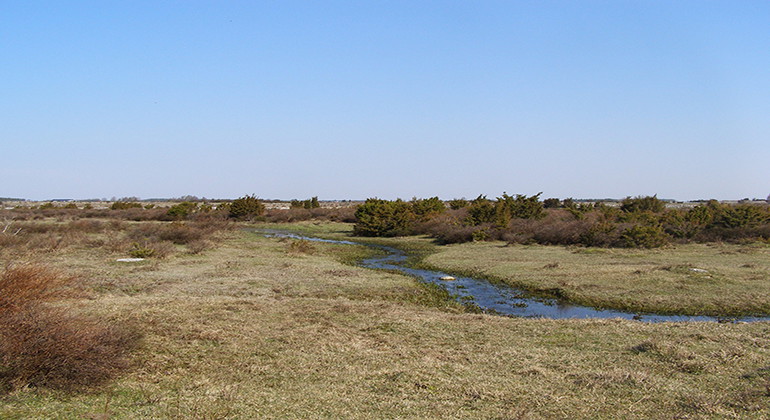
Grazing animals have been grazing on Öland's lakes since the early Iron Age up to the present day. The interesting cultural environments are also home to a rich plant and animal life. Flowers, butterflies and birds - there is much to discover!
In the reserve's rich marshland, mayweed, tufted sedge and haymaking flower grow together with orchids such as honey flowers, marsh marigold and fly flowers. The flora of the open grasslands includes maidenhair fern, solstice and axveronica. Many different butterflies thrive in the flower-rich soils, such as the winged blue butterfly and the lesser blue butterfly.
Redshank, lapwing and meadow pipit are typical species for the grazed lake meadows. In the thickets, small birds such as yellowhammer, hobby and warbler nest. In summer, meadow hawks are seen hunting over the open fields. The salt meadows are very valuable for breeding and resting waders and ducks.
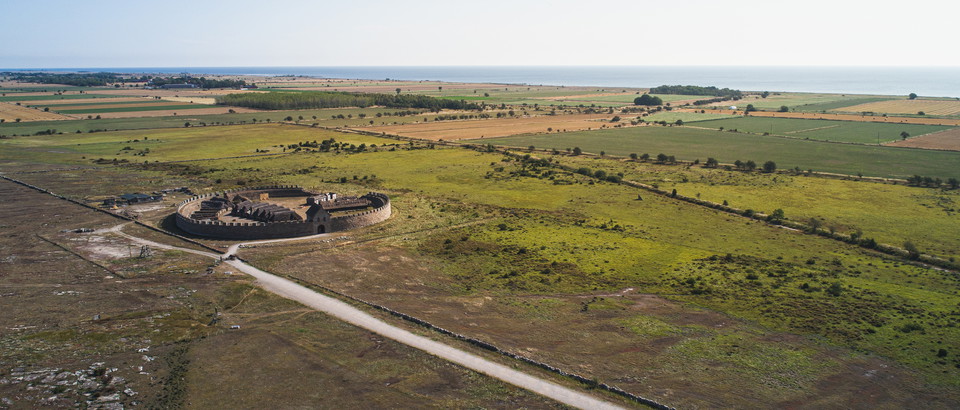
Ever since the early Iron Age, the islanders have had their grazing animals on the lush lake meadows. Even today, we can see the remains of fences that delimited fields, meadows, livestock pens and fencing. Frösslunda lakeland also contains other remains, such as house foundations and burial grounds.
Frösslundabäcken meanders through the reserve. The stream is a spawning ground for both trout and pike. When it is mating season in the fall, the fish swim from the sea up into the stream. In the west, the watercourse is shaded by swamp forest. This is appreciated by the trout, which do not thrive if the water gets too warm.
Year of decision: 2005
Area: 140 hectares of which 114.5 hectares is land
Municipality: Mörbylånga
Landowner: Individual
Administrator: Kalmar County Administrative Board
The reserve is located within the World Heritage Site of Southern Öland's cultivated landscape
Along road 925 on the eastern side of Öland, just north of Norra Kvinneby, there is a beautiful old stone bridge west of the highway. There is a parking lot and toilet. The entrance to the reserve is on the opposite side of the road.
In the nature reserve you are not allowed:
If you have received permission from the County Administrative Board, you may:
After consultation with the County Administrative Board, you may:
C. Regulations according to Chapter 7, Section 30 of the Environmental Code on the right to travel and stay in the reserve and on order in general.
It is forbidden to enter the reserve:
The hunting right holder disposes of the hunt without restrictions of the regulations under points 6 and 7.
The regulations under C do not apply to landowners and holders of special rights to carry out the measures needed for the management of the reserve and which are stated in the established management plan.
Per Markus Jönsson
Please be aware that some of these texts have been automatically translated.

Ask a question to other Naturkartan users.
0 reviews
No user images yet. Be the first to share!