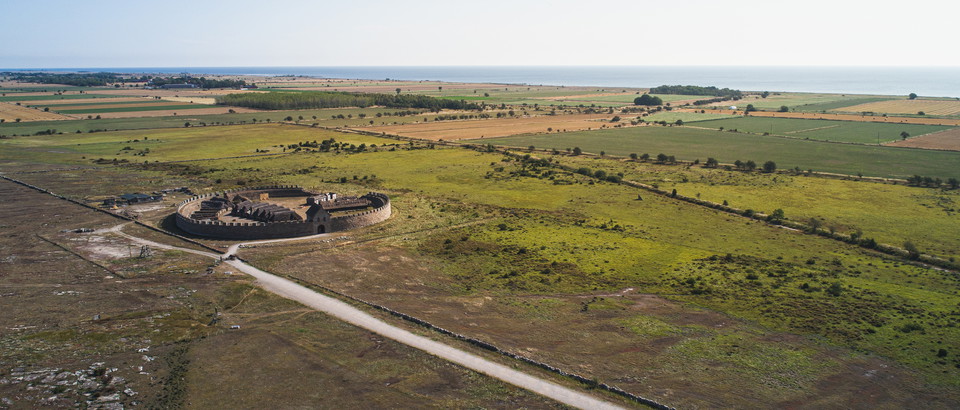
Mörbylånga - Öland
Welcome to the world heritage of southern Öland!

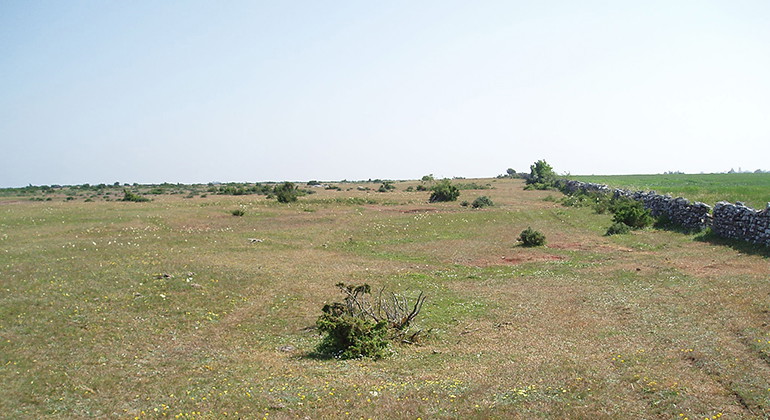
Alvlösa's and Parteby's extensive alvars offer a rich plant and animal life. Many species that are typical of well-grazed, calcareous land live here. There are also rock carvings and other interesting remains in the area.
Plants and insects of the Alvar
For thousands of years, farmers on the island have grazed their cattle on Stora Alvaret. The open land on limestone-rich bedrock is a unique environment with peculiar plant life. In the wet meadows, marsh gentian and mayflower bloom, and where it is dry, the characteristic species include the bridal bread and the big fat bud. Alvar wormwood and island sunflower are examples of species that are exclusive to the island's alvar. The alvar is a host plant for a number of insects, one example being the tocsack moth, an unusual butterfly whose caterpillars live only on the leaves of the alvar. Another flower visitor is the alvar fall beetle, a leaf beetle commonly found in southern Europe but with a northern outpost here on the alvar. The azure runner beetle is a characteristic species of alvar land and is only found on Öland and Gotland. In recent years, it has declined as the alvar's dry meadows have grown back. The blue-winged grasshopper can be encountered in late summer. The bluish wings are an unmistakable characteristic.
Birds high and low
Alvaret's insect-rich wetlands attract many birds. At Västerstads träsk, for example, waders such as snipe, redshank and curlew nest. On the water surface of the marsh, you can see swimming birds such as pintail and shoveler. If you're lucky, the rare meadow hawk may glide past over the alvar's scrubland. The skylark, together with the stone curlew and the heath pipit, are characteristic birds of the gravel and rocky areas of the Alvar. It thrives in the open spaces and arrives as early as February-March from more southern latitudes.
Remains from the past
On moss- and lichen-covered rocks in the west, rock carvings can be seen in the form of small pits. No one really knows what these so-called fairy mills were used for. Perhaps they were used for religious ceremonies. Or as a collection point for magical rainwater! Other remains in the area are a burial ground, a stone settlement and house foundations.
Year of decision: 1992
Area: 146.3 hectares
Municipality: Mörbylånga
Landowner: Individual
Administrator: Kalmar County Administrative Board
The reserve is located within the World Heritage Site of Southern Öland's cultivated landscape
Approximately 1.5 km northeast of Smedby Church. The western boundary of the area is about 500 meters from the western highway (road 136) and is reached on foot from there.
In the nature reserve you are not allowed:
C. Regulations according to Chapter 7, Section 30 of the Environmental Code on the right to travel and stay in the reserve and on order in general
Within the area it is forbidden to
Per Markus Jönsson
Please be aware that some of these texts have been automatically translated.

Ask a question to other Naturkartan users.
0 reviews
No user images yet. Be the first to share!