
-
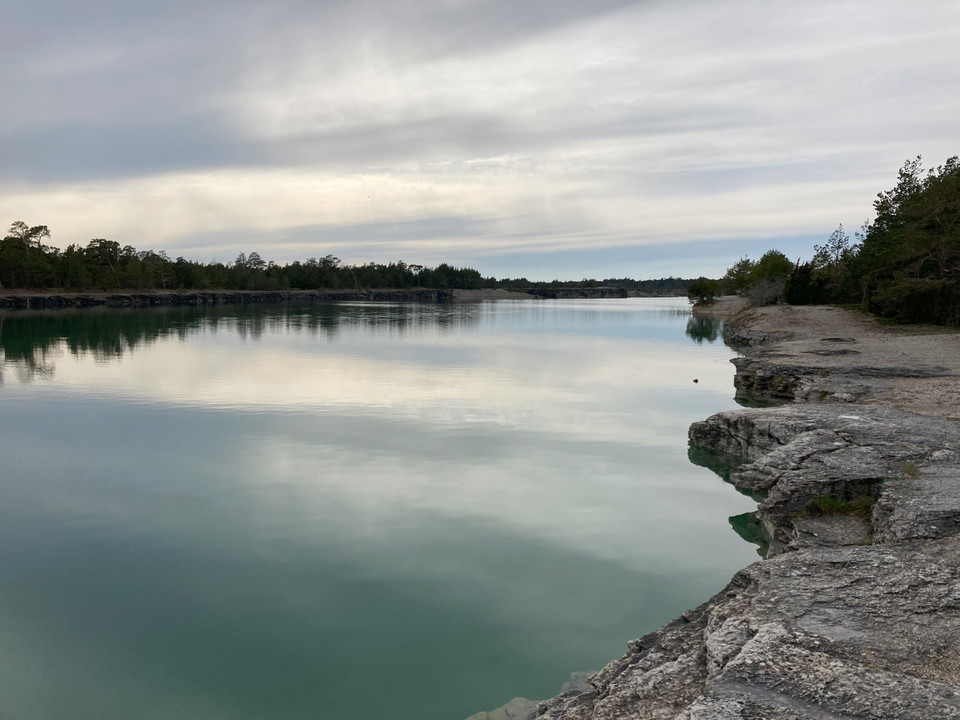
Det gamla kalkbrottet som numera går under namnet Blå lagunen.
Photo: Mattias Vejlens -
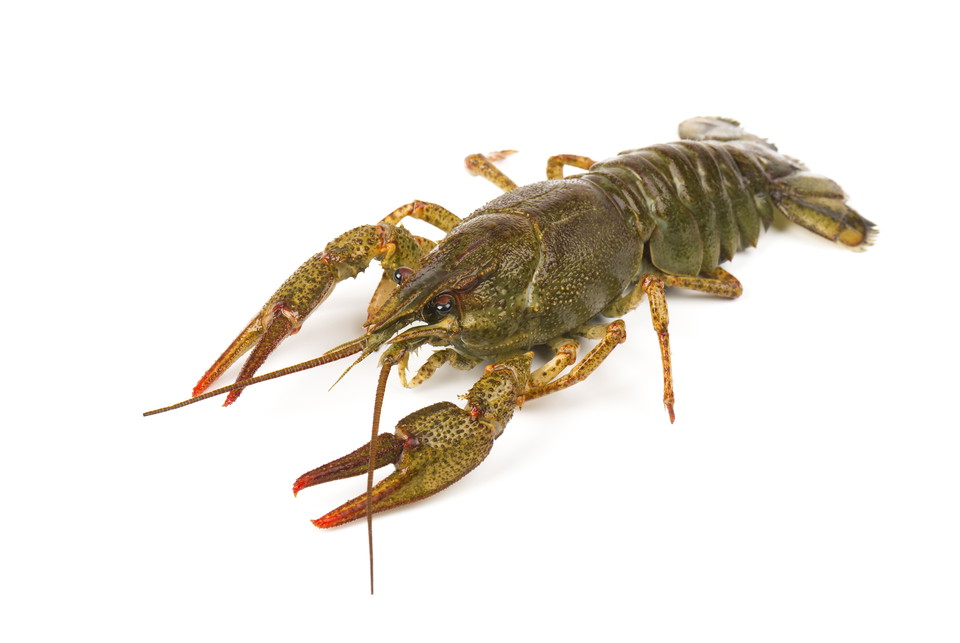
Flodkräftan är hotad. Därför är hela Gotland skyddsområde mot kräftpesten.
Photo: Mostphotos/Tetiana Troichenko -
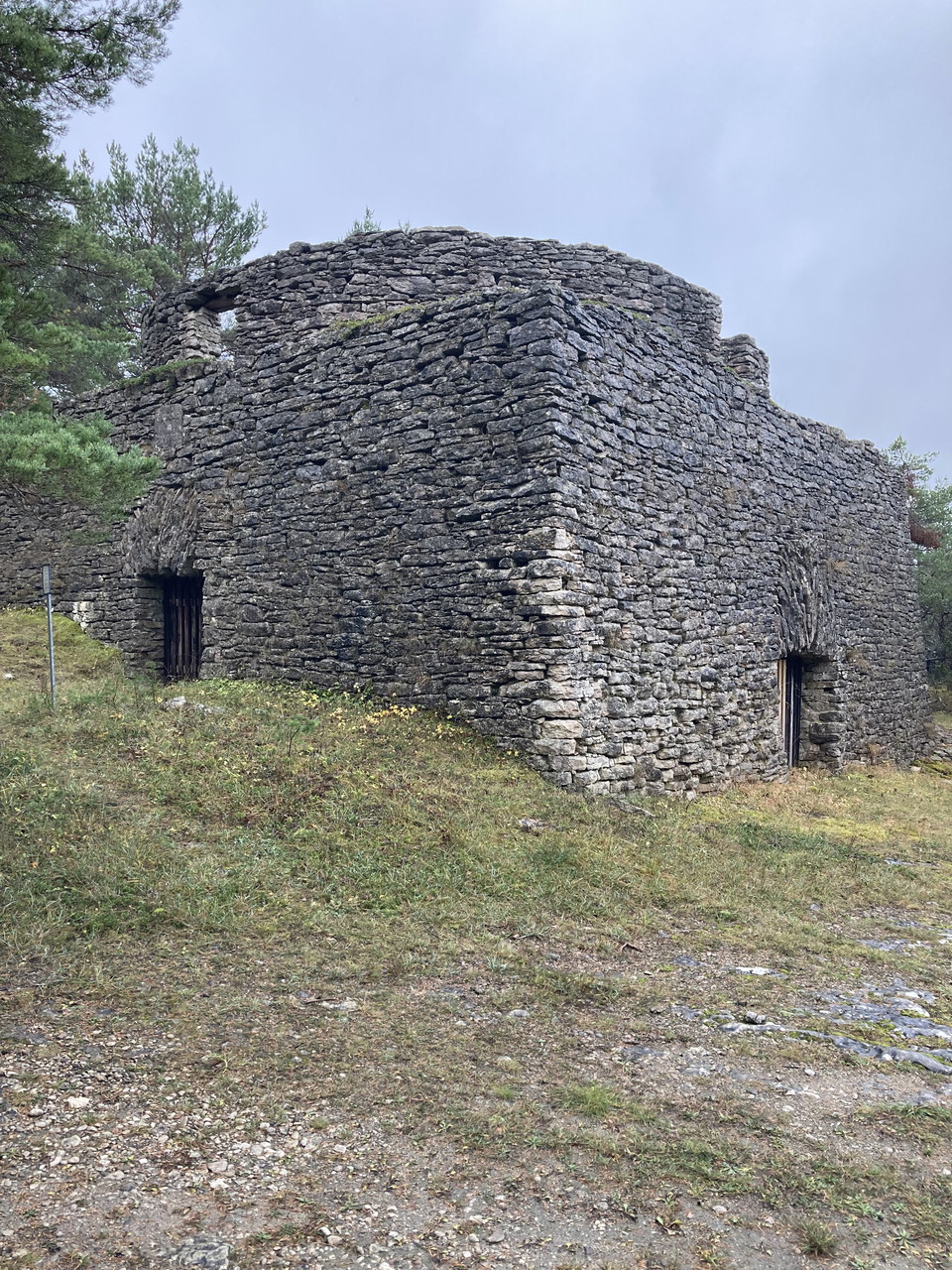
Bunn kalkugn ligger i Bunge, uppförd 1849 av Edvard Israel Grubb. Den anses vara en av Gotlands största kalkugnar. -
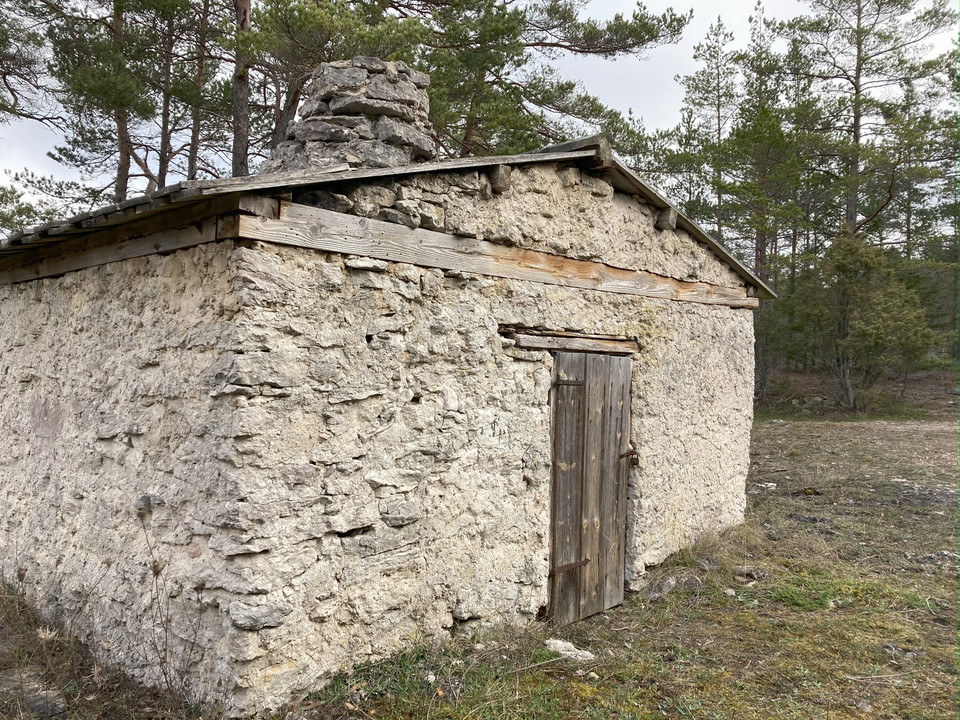
Kalkbränningen pågick flera dygn. Flera gånger i timmen fyllde arbetarna på med ved. Vid Bunn finns även en så kallad kurru bevarad. I kurrun kunde arbetarna vila.
Blå lagunen - kalkindustrin
- Point of interest
- Information
- County: Gotlands län
- 6962.08 km away from you
Actions
Description
Crayfish (Astacus astacus)
The crayfish is the only naturally occurring freshwater crayfish in Sweden and it can grow up to 19 cm long. Within the planned national park area, we know that the crayfish lives and thrives where there is plenty of food and shelter. Unfortunately, the species is estimated to have declined by 50-80% in Sweden over the last 30 years and is now classified as critically endangered. The single biggest factor in the decline and the biggest threat to the crayfish is the crayfish plague and the presence of signal crayfish.
Gotland is a protected area
Gotland has some of the best conditions in Europe to preserve the crayfish, provided that we all help to keep the crayfish plague, and signal crayfish that often spread the disease, away from our lakes and rivers. Since 2007, the whole of Gotland County has been a crayfish conservation area, which at the time was the first crayfish conservation area in Sweden, and as it covers the whole county, it is also the largest. The protection area means, among other things, that it is forbidden to plant signal crayfish, and you must decontaminate your canoe or fishing equipment from any crayfish plague before use in Gotland's lakes and waterways.
Gotland's limestone industry
Gotland's bedrock consists largely of limestone. This has provided the conditions for an extensive and successful limestone industry. The proximity to the sea has been important for export opportunities.
The story of the stone industry is a story that stretches far back in time and it is important that its long tradition is really told because it has had and has great importance for the economy of many Gotlanders. In parallel, the story needs to be told about the development of the stone industry, from the shallow limestone quarries and lime kilns for domestic use, to building materials for the churches and eventually to an export product that has transformed large parts of nature in the area.
All around the future national park we see traces of the limestone industry, from small opencast mines and simple lime kilns to larger water-filled quarries and magnificent lime kilns. But we also see how the extensive felling of trees has affected the area. Lime burning required large amounts of wood.
Already in the Middle Ages we could mine and burn lime. This gave Gotland its magnificent churches and all the limestone houses on the island. Lime kilns were built, many on the island's north-east coast. When the lime patrons chose to build their large farms in connection with the kilns, a farming culture emerged. In some places, whole communities grew up. For example, at Bläse and Takstens in Lärbro.
The Blue Lagoon is an example of the more modern limestone mining that left behind water-filled quarries. In the area around Ar, mining continued until the mid-1990s.
Activities And Facilities
- Information
- Point of interest
Contact
Email address
Länsstyrelsen i Gotlands läns naturvårdsförvaltning
Organization logotype
Please be aware that some of these texts have been automatically translated.
I’ve been here
I want to go here
Questions & Answers
Ask a question to other Naturkartan users.
Reviews
0 reviews
- 5 :
- 4 :
- 3 :
- 2 :
- 1 :
Users images
No user images yet. Be the first to share!