Gubbåkersladan

  • Archaeological
  • Attraction
  • Fauna
of 5 stars

Actions

  • Directions

Description

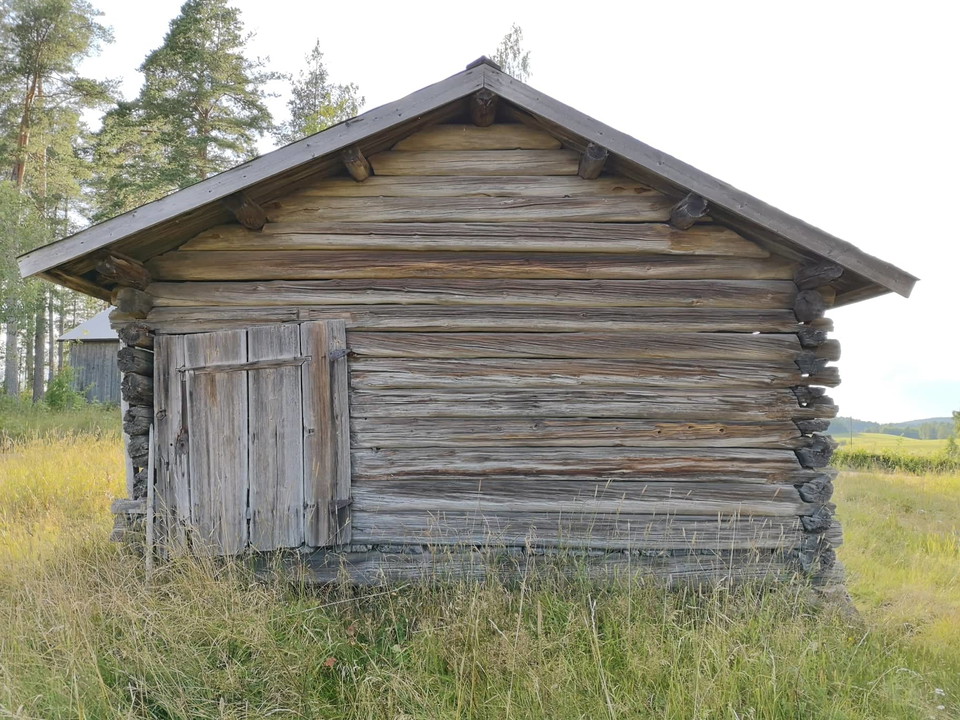
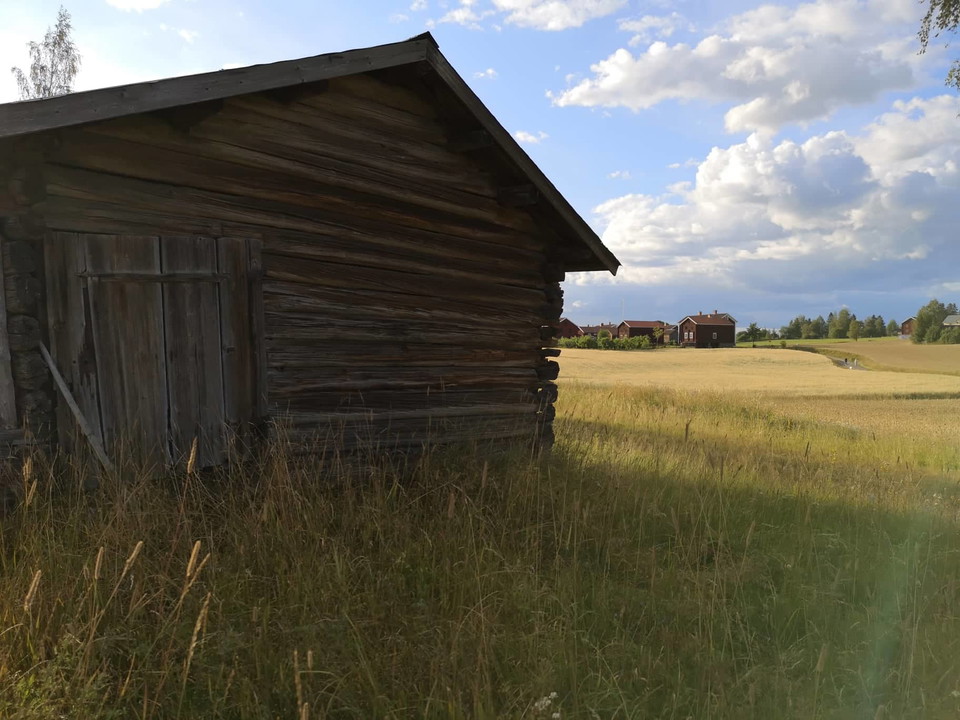
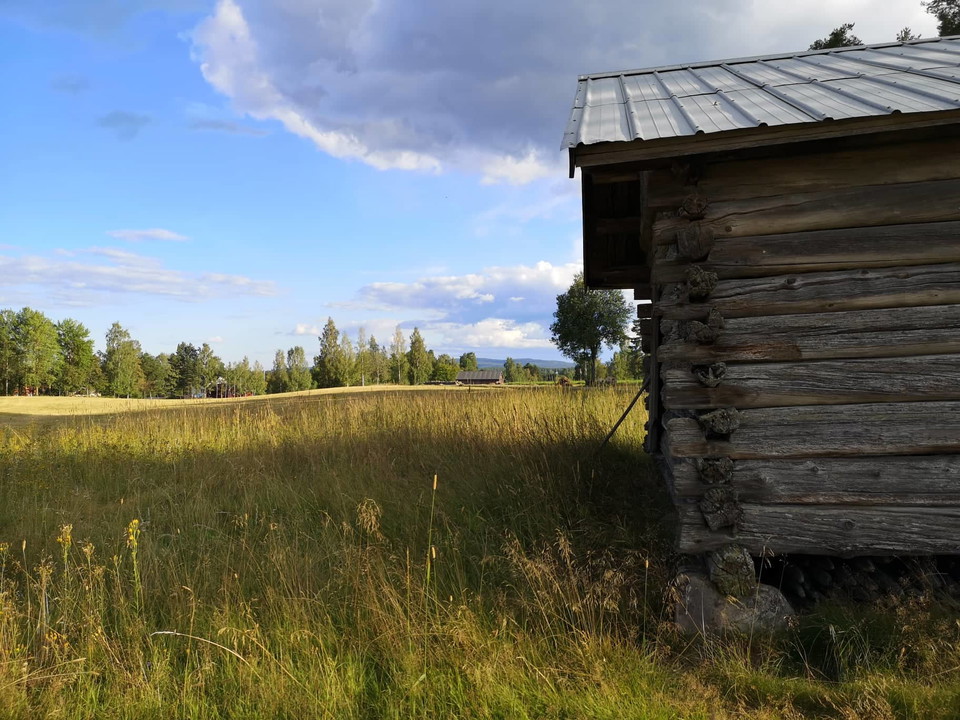
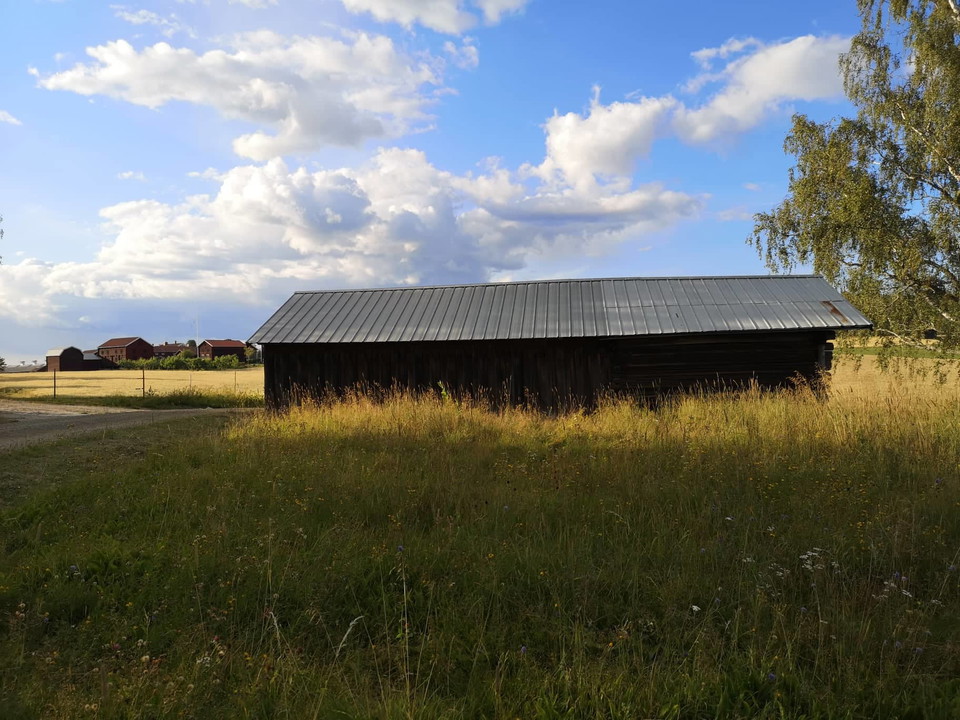
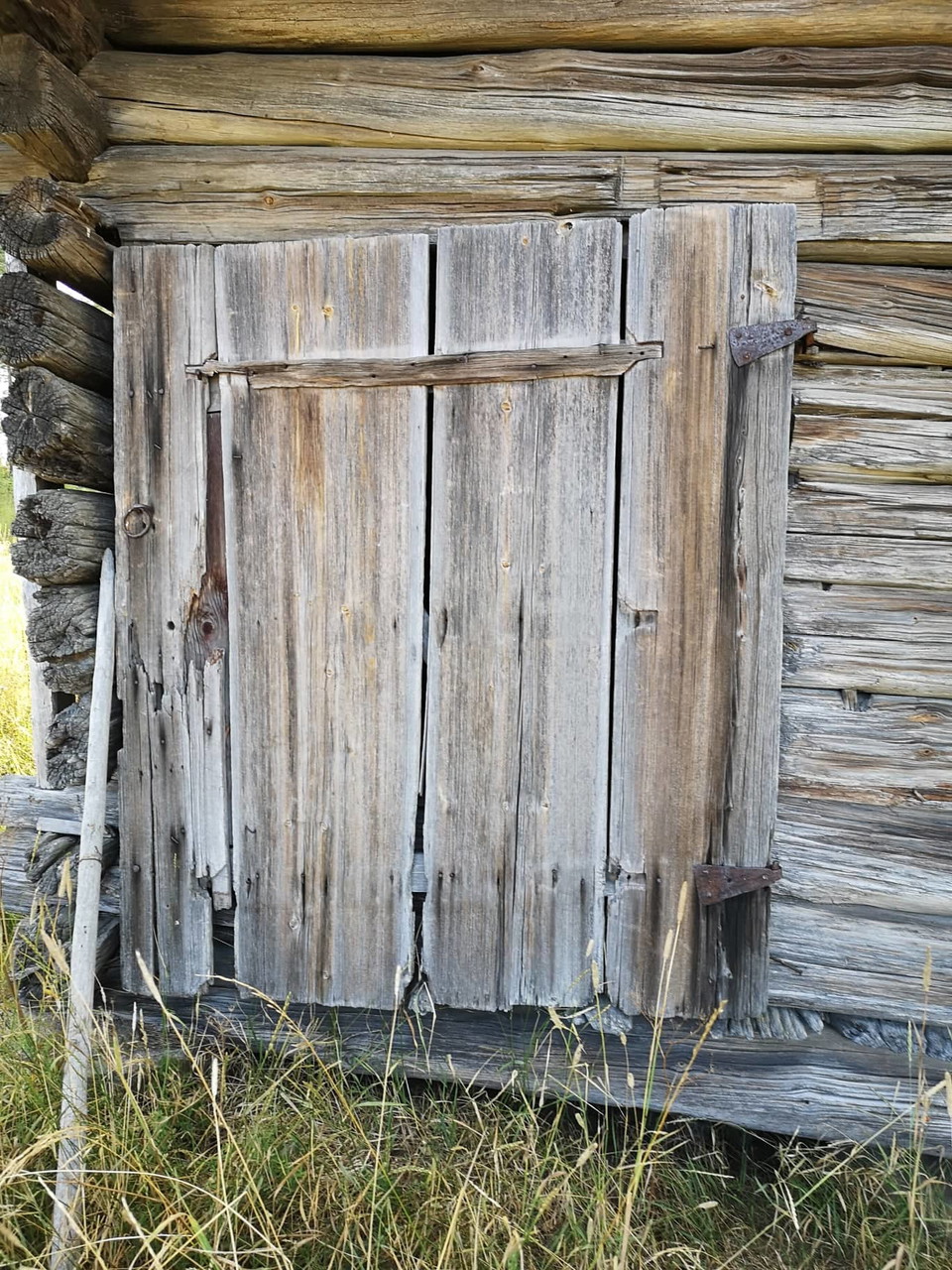
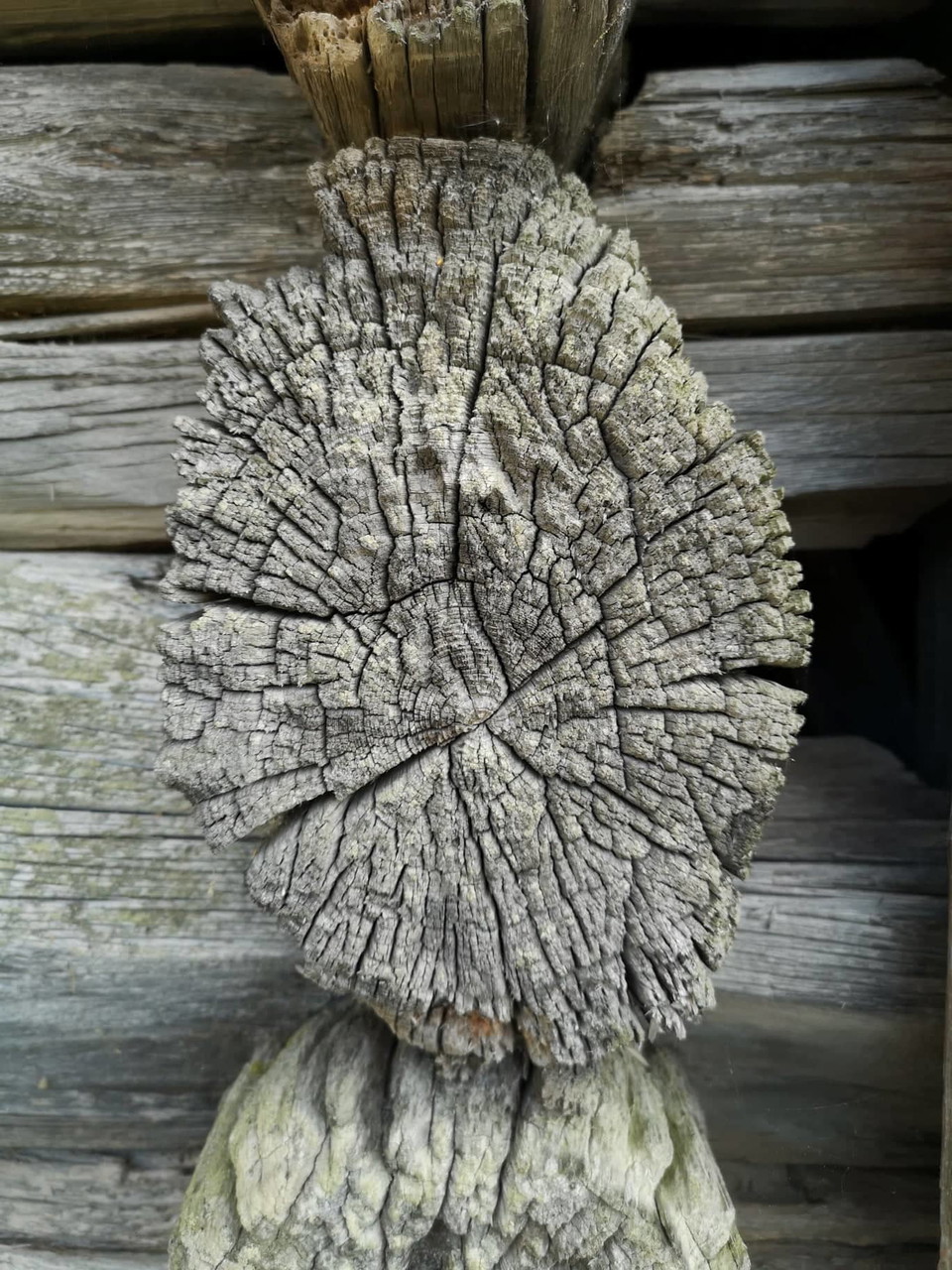
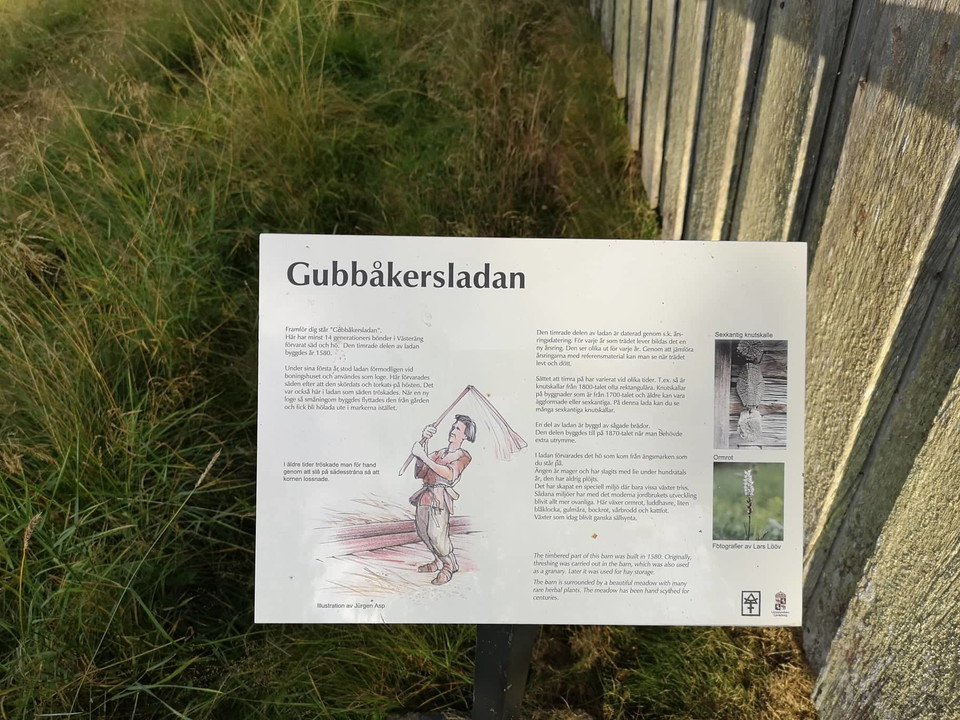
The barn probably once stood next to the farmhouse and served as a lodge. Later, when a larger lodge was built, the barn was moved out of the farm and became a hölada instead. It is the timbered part of the barn that dates from the 1580s. Hexagonal or egg-shaped knot heads are common on barns from the 18th century and earlier. Gubbåkersladan has such knots. The part of the barn built of sawn boards dates from the 1870s.

The meadow around the barn is thin and has been mowed with a scythe for hundreds of years. This has created a special environment in which certain plants thrive, such as snakeweed, wild oats, little bluebells, yellow daisies, goat's beard, spring pea and cat's foot.

Source: Information sign at Gubbåkersladan, Västeräng Cultural Reserve and the County Administrative Board.

Weather forecast (at 12:00)

Loading…

Get here by public transport

Activities And Facilities

  • Attraction
  • Archaeological
  • Fauna

Contact

Email address

Åsa Eriksson

Please be aware that some of these texts have been automatically translated.

I’ve been here 1

I want to go here

Reviews

—

0 reviews

of 5 stars

5 :
0.0%
4 :
0.0%
3 :
0.0%
2 :
0.0%
1 :
0.0%

Questions & Answers

Ask a question to other Naturkartan users.

Users images

Share your photos of the place!

Naturkartan

Open this in the app