
-
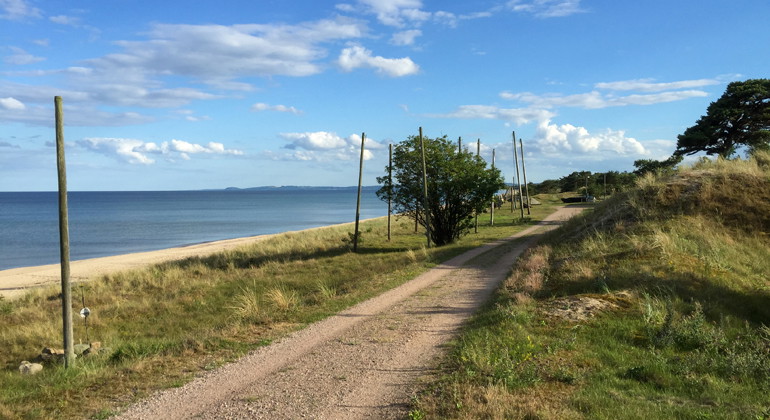
Sydostleden, en cykelled, passerar genom Friseboda.
Foto: Maria Sandell -
Foto: Mona Persson -
Foto: Linda Gustafsson -
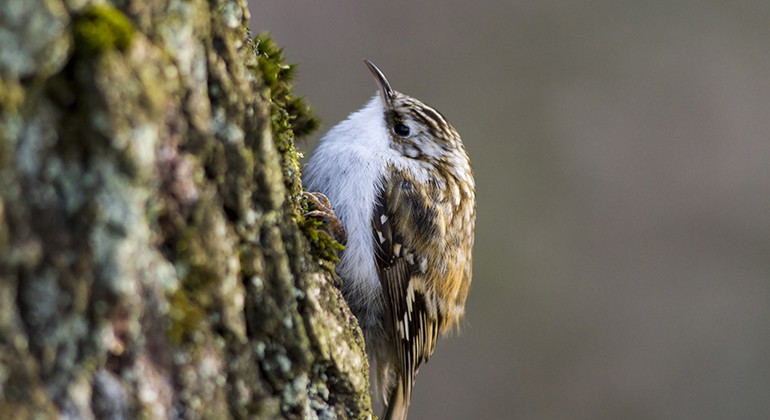
Trädkrypare.
Foto: Alex Regnér -
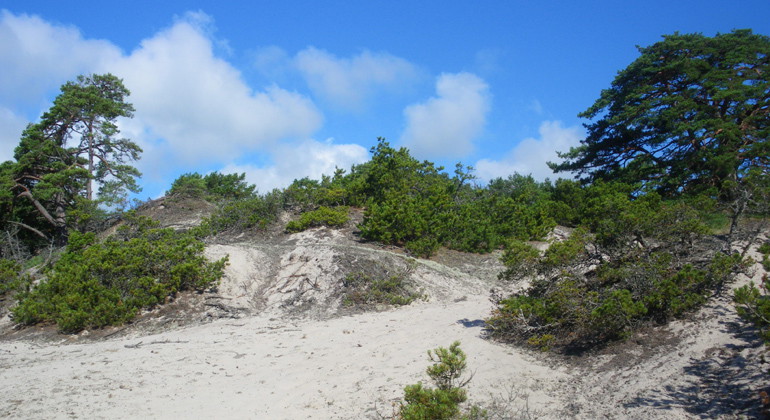
Foto: Johan Johnmark -
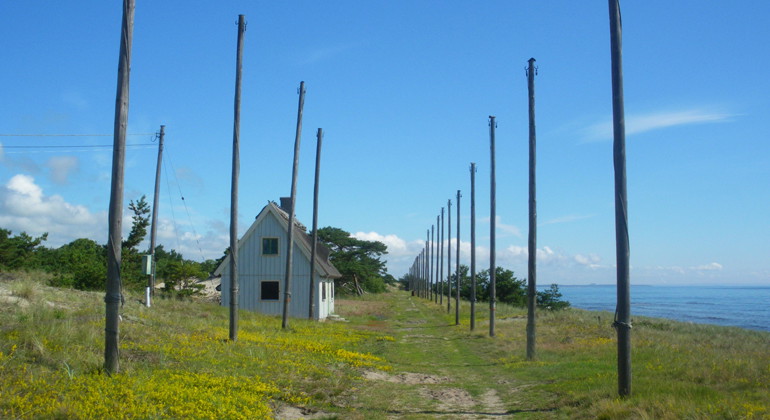
Foto: Johan Johnmark -
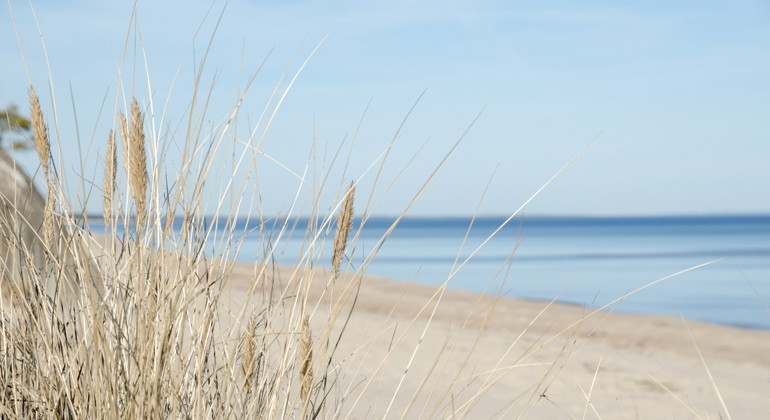
Foto: Maria Sandell -
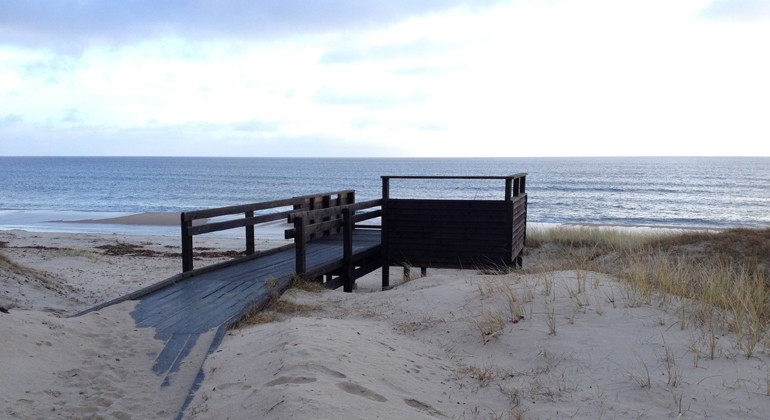
Tillgänglighetsanpassad utsiktsplattform.
Foto: Mona Persson -
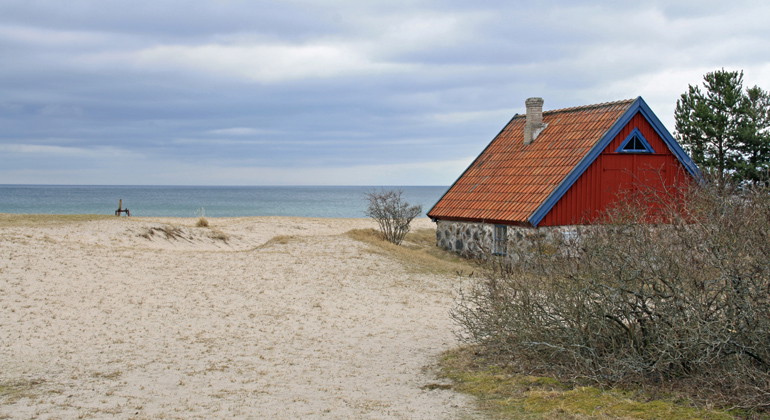
Ålabod.
Foto: Linda Gustafsson -
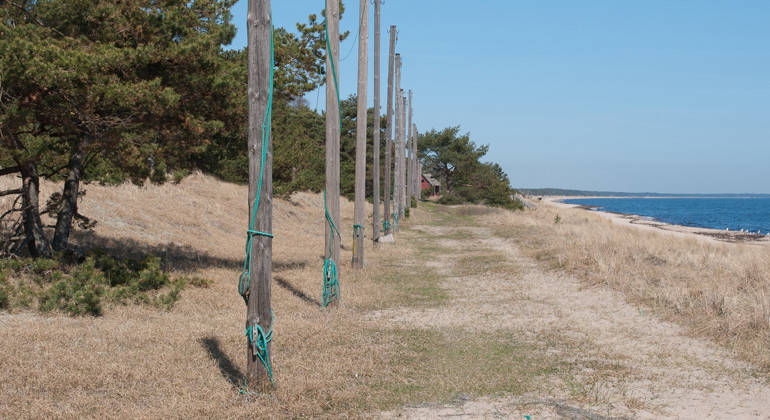
Foto: Maria Sandell -
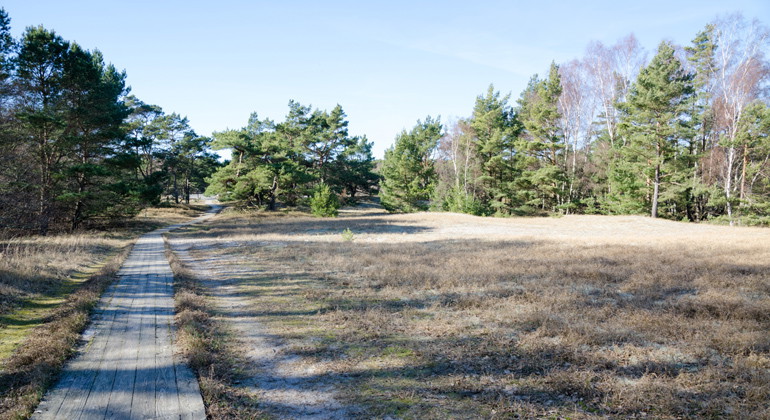
Foto: Maria Sandell -
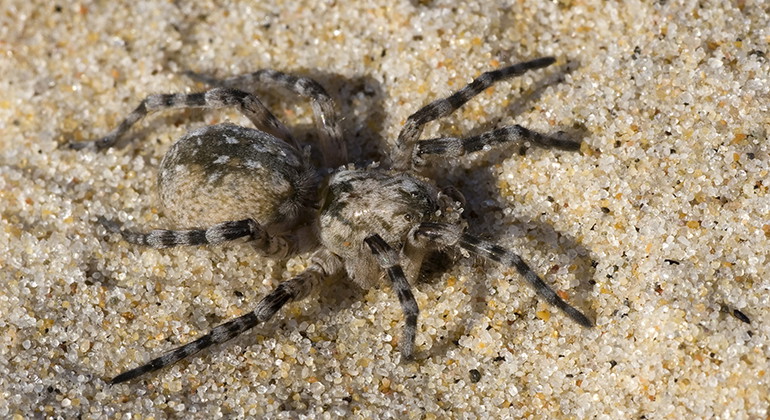
Större sandspindel.
Foto: Mikael Arinder/Skånska bilder -
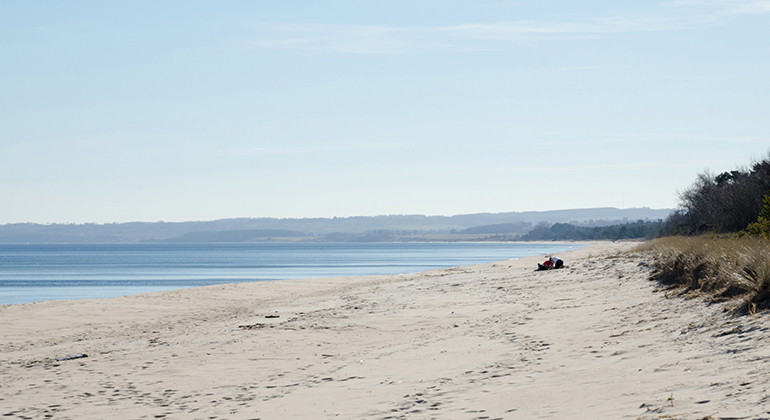
Foto: Maria Sandell -
Sandblotta.
Foto: Maria Sandell
Friseboda, Naturreservat
- Naturreservat
- Landsdel: Skåne län
Handlinger
Beskrivelse
A vast sandy beach and beyond it a landscape of high dunes, gnarled pines and rolling hills. Friseboda is rightly a popular destination and one of the Skånska Landscape Foundation's 19 hiking areas. The dune landscape is criss-crossed by small paths and several of them lead down to the beach, some of which are accessible. The reserve can also be experienced from horseback and bicycle. There are both bridleways and riding areas, while the Southeastern Cycle Route passes through the area. The ant lion butterfly, the dune wolf spider and the endangered skylark are some of the exclusive species that live in Friseboda's sandy soils.
Extensive dune landscape
When the great ice sheet melted 15 000 years ago, it left behind vast quantities of sand. The result was one of the largest coastal dune landscapes in Sweden. Near the sea, the inviting sandy beaches spread out, to the delight of both martens and marmots and summer bathers. The beach grass does its best to bind the sand, and further inland the pines take over and keep the sand in check. This is a dream landscape for many plants and animals that depend on these warm sands for their survival.
Restored sandy habitats
For over 7 000 years, people have lived here by the sea, fishing and farming the light, sandy soil. As the forest was depleted, for firewood and timber, problems arose with sand drifting in the wind. Linnaeus recommended the planting of pine during his visit in 1749 and in the early 1800s a sparse pine forest grew on the dunes here in Friseboda.
Over time, the forest closed in and became increasingly dense, making it more difficult for the animals and plants of the sandy soils to survive. To remedy this, the EU SandLife project has been thinning out non-native species such as dog rose and black pine to bring back the sparse pine forest with patches of sun-exposed sand.
Knotty pines and warm sand dunes
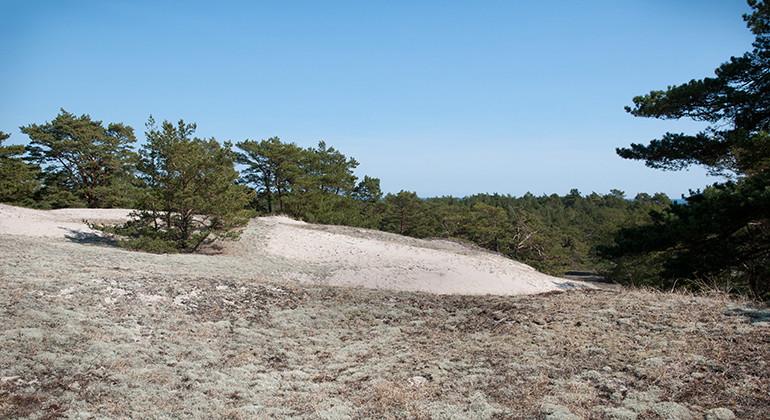
The pine forest in the northern part of the reserve dates back to at least the 17th century. The oldest pines are over 200 years old and the dunes are high. Gnarled pines, rolling hills and a grayish-white ground cover of lichens and sand dunes give the forest a magical impression.
The warm sand is home to the ant lion's traps. It's also the hunting ground of the dune wolf spider. It doesn't spin webs like many other spiders, but runs after its prey and stuns them with poison. The endangered skylark is a characteristic bird of the open sandy areas and is still found in the area.
These are just some of the unusual species that depend on the sandy, sparse pine forest in Friseboda - so go exploring!
Outdoor life
The Skåneleden trail (SL6 Vattenriket, stage 2 Maglehem-Nyehusen) runs along the east coast and passes through Friseboda nature reserve. There are no other marked hiking trails. In the northern part of the reserve there is a wheelchair accessible path down to an accessible viewing platform. Cycling is only allowed on the Sydostleden, a cycle path that runs along the coast of Skåne and passes through the reserve. Friseboda also has a bridle path and riding areas in the northern part. There are several picnic areas and parking lots. In summer it can be full. Remember that dogs are not allowed on the beach between May 1 and September 30. More information is available at Stiftelsen Skånska landskaps website Link to another website.
In English
Welcome to Friseboda Nature Reserve
For more than 7000 years, people have lived by the sea, lived off fish and cultivated the light, sandy soils. Over time as the woodland was cut, for timber and firewood, problems with drifting sand occurred. Linnaeus recommended planting pine when he visited in 1749 and at the beginning of the 1800s a sparse pine woodland grew up on the sand dunes here at Friseboda. Over the years, the canopy of the woodland grew dense and many of the animals and plants associated with sandy habitats have since had difficulty surviving.
In order to improve the conditions for these species Japanese rose and black pine have been removed to create more open pine woodland and patches with open, warm and sun-exposed sand. Further inland, denser, wetter woodland takes over and continues to provide shelter from the wind and sand.
The pine woodland in the northern part of the reserve has a long history, dating back to the 1600s. The oldest pines are more than 200 years old and the sand dunes are tall. Gnarly pines, rolling hills and a gray-white covering on the ground of lichens and bare sand give the woodland a magical feel.
Sea rocket and sea holly are two of the tough plant species that are able to survive the harsh conditions on the sandy beaches. In the warm sand, the ant lion makes it's pitfall traps and wolf spiders chases its prey. The nightjar can be heard during tepid summer evenings and the rare and threatened tawny pipit can be seen in the open sand areas. The sandwich tern is a character bird often seen flying over the sea.
Regulations
Within Friseboda Nature Reserve it is forbidden to:
- damage natural objects or formations e.g. scribe in trees,
- light a fire other than in designated places or in relation to camp activities approved by the County Administration Board,
- park up a caravan, camper van or equivalent in the designated car parks between the hours of 00.00 - 06.00,
- dig up plants, pick mosses, lichens or woodliving fungi,
- intentionally break or collect and remove or set fire to dead wood,
- bring a dog or other pet that is not on a lead and during the period from the 1st May to 30th September take dogs or other pets onto the sandy beach,
- ride a bicycle other than on the roads designated for motor vehicles, or specially designated tracks or areas,
- horseride other than on roads designated for motor vehicles, or specially designated trails or areas,
- park other than in the designated parking places,
- undertake orienteering during the breeding period of the tawny pipit (15th April-15th July) within the territories,
- drive a motor vehicle,
- pull up/moor a boat or equivalent for more than 24 hours,
- put up signs, posters, plaques, notices or equivalent items.
Without permission from the County Administrative Board it is also forbidden to:
- collect invertebrates, e.g. beetles or mussels. One off samples may be collected on the condition that this does not contravene any wildlife protection legislation and that traps are not used,
- put out so-called geocaches or other foreign objects.
Finally, without the approval of the site manager, it is forbidden to, (with regard to orienteering, consultation with the County Administrative Board is also required):
- put out marked trails or organize orienteering events.
Aktiviteter og faciliteter
- Naturreservat
Fakta
Established: 1976
Size: 678 hectares
Municipality: Kristianstad
Manager: The Foundation for Recreational Areas in Skåne through the Skåne Landscape Foundation
Type of protection: Nature reserve and Natura 2000
Rutevejledning
Walk, cycle, take public transport or drive here. Map and directions via Google maps or coordinates (WGS84).
Regler
**Within the area, special rules and restrictions apply to the right of public access.
For example, it is forbidden to:
- have a dog unleashed
- having a dog on the beach between May 1 and September 30
- setting up a caravan/mobile home overnight
- make fires outside designated areas
It is important to note that this is only a selection of the rules.
Full regulations for visitors
In addition to regulations and prohibitions in other laws and regulations, it is forbidden to:
- damage fixed natural objects or surface formations, e.g. carving trees,
- light fires other than in fireplaces provided by the manager or in connection with camp activities permitted by the county administrative board,
- set up caravans, motorhomes or similar in designated parking spaces between 00.00 and 06.00,
- dig up plants, pick mosses, lichens or wood fungi,
- deliberately breaking or collecting and removing or burning dead wood
- bring dogs or other pets that are not kept on a leash and bring dogs or other pets on the sandy beach during the period from May 1 to September 30
- ride a bicycle on roads other than roads for motorized traffic, or a specially designated path or area,
- ride a horse other than on roads for motorized traffic, or on a trail or area specifically designated by the manager,
- park other than in designated parking lots,
- during the nesting period of the skylark (April 15-July 15), practice orienteering within its territory,
**NOTE! In practice, orienteering is never allowed during the above period.
11. operate a motorized vehicle
12. mooring a boat or other craft for more than 24 hours
13. affixing a board, sign, inscription, poster or similar device.
Furthermore, it is prohibited without the permission of the County Administrative Board:
14. collect invertebrates, such as beetles or mussels. However, individual specimens may be collected provided that it does not violate the conservation regulations and that traps are not used,
15. placing so-called geocaches or other foreign objects.
Finally, it is forbidden to place geocaches or other foreign objects without obtaining the approval of the manager, and consultation with the county administrative board is also required for orientation.
16. set up marked trails or organize orienteering.
Jeg har været her 1
Jeg vil gerne derhen 1

Spørgsmål og svar
Stil et spørgsmål til andre Naturkartan-brugere.
Anmeldelser
0 anmeldelser
- 5 :
- 4 :
- 3 :
- 2 :
- 1 :
Brugernes billeder
Der er endnu ingen brugerbilleder. Vær den første til at dele et!