Länsstyrelsen i Blekinge län
Välkommen till Blekinges fantastiska natur!

På måndag morgon driftsätter vi en stor teknisk uppgradering av Naturkartan som vi arbetat med i 18 månader. Uppgraderingen ger en snabbare och mer stabil plattform och lägger grunden för de nya funktioner som kommer i Naturkartan version 3 under hösten. Det kan förekomma kortare driftstörningar under början av veckan men vi gör vårt bästa för att lösa alla problem som uppstår. Hjälp oss gärna genom att tipsa oss på emil@outdoormap.com - om något inte fungerar som det skall!
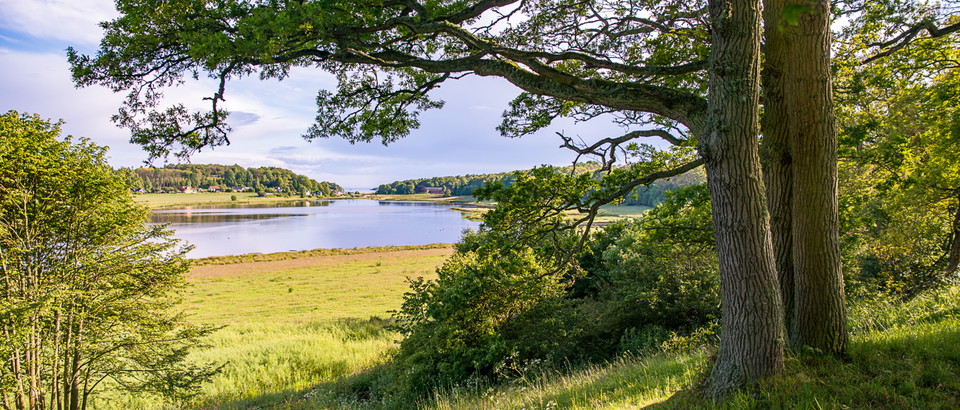
Here you can experience one of Blekinge's best preserved agricultural landscapes. Ire is a living museum far from large-scale and rationalized agriculture and an important link to our history. At the end of summer each year, the reeds are sharpened to become effective cultural and nature conservation tools.
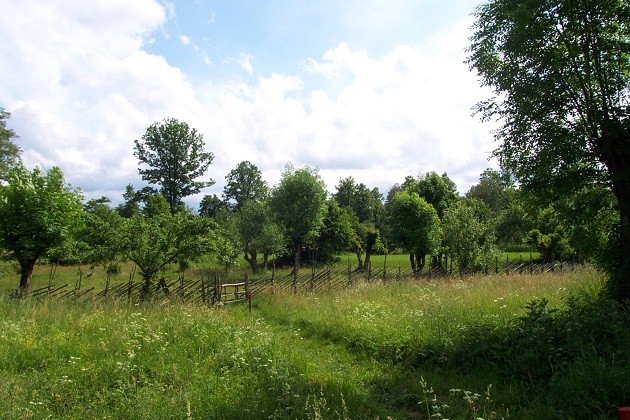
Meadows used to be an important type of land. It was where the winter fodder for farm animals grew and the size of the meadow determined how many animals a farm could feed in winter. The number of animals in turn determined the amount of manure available, which determined the size of the fields. This chain is the origin of the old saying "Meadow is the mother of fields". And the tradition lives on, with meadows mowed and fields still in use in Ire.
The nature reserve is an excellent example of an old-fashioned, traditional small-scale farming landscape. You'll find yourself in areas that look much the same as they have for hundreds of years.
Ire village probably dates from the early Middle Ages. The oldest known record of the village dates from 1658, when there was only one farm in the village. Since then, the history of the village is well documented. Farms have been divided and merged.
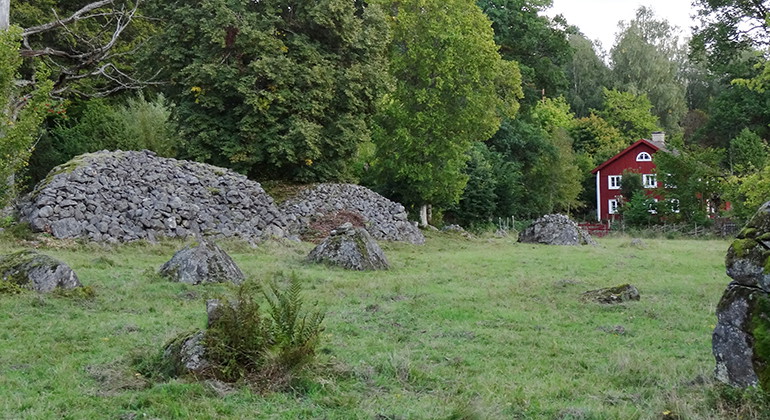
Today there are two original farms left. Håkansgården and Josefsgården. Both have been renovated to an earlier condition. The two farm environments are an important part of the reserve. Josefsgården is named after the last owner who died in 1984. Throughout his life he farmed the land in the same way as his ancestors did.
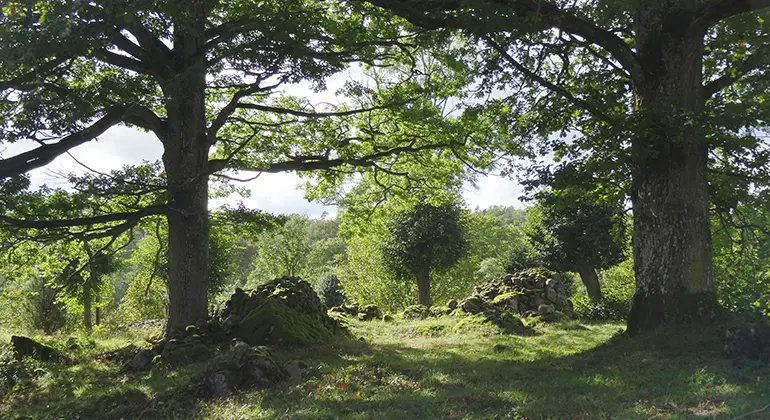
Ire's impressive cairns and stone walls and the gnarled trees that have been pollarded for generations, the branches cut to provide leafy fodder, are contemporary documents of the hardships of past farmers and are part of our cultural heritage.
During the summer, the fields of Ire are in full bloom. Priest's collar, bluebell, Virgin Mary's keys, haymaking, maidenhair and meadowsweet, along with many other plants, contribute to the splendor of color. The meadows are not mown until the herbs are over flowering to benefit insect life. One example is the endangered meadow sand bee, which feeds on pollen from meadowsweet.
Year of protection: 1986, extended in 1988
Municipality: Karlshamn
Character: Ancient cultural landscape with in-fields and out-fields, river, outdoor life, cultural history
Area: 99 hectares, of which 97 hectares are land and 2 hectares water
Landowner: The state
Manager: Blekinge County Administrative Board
Type of protection: Nature reserve and Natura 2000
The nature reserve is located along Gamla Tingsrydsvägen (old stretch of highway 29), two miles north of Karlshamn. Turn off highway 29 at the sign "Ire/Ire Natur- och kulturskola Naturreservat", follow Ljungsjömålavägen to the T-junction, then turn right onto Gamla Tingsrydsvägen and follow the signs for Naturreservat for 700 meters. Bus line 370 from Karlshamn stops at bus stop Ihre vsk which is located about one kilometer southeast of the nature reserve. Line 362 from Karlshamn stops at the Dannemark Ringamålavägen bus stop, which is less than 2 kilometers south of the nature reserve.
You are welcome to visit Ire, but please note that it is not allowed to
Without permission from the county administrative board, you may not
Länsstyrelsen Blekinge
Stil et spørgsmål til andre Naturkartan-brugere.
0 anmeldelser
Der er endnu ingen brugerbilleder. Vær den første til at dele et!