
Penåsa ödeby - Barnens vandringsled
- Hiking
- Nabij parkeerplaats
- Dichtbij toilet
- Rond pad
- Gids: Öland
- 6922.90 km van u vandaan
Pad details
- Lengte 2.0 km
Acties
Omschrijving
Nieuws: Children's Walking Lead
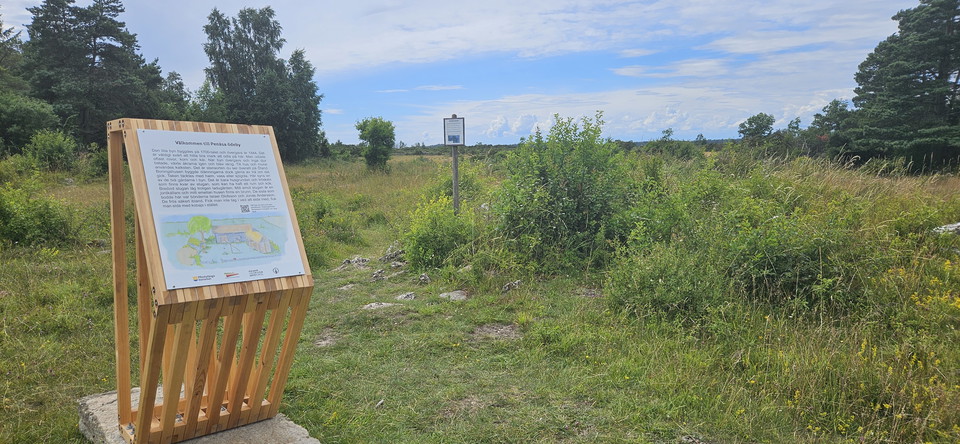
Doe mee aan avonturen met de personages Sol-Blän, Spen-Åsa en Stor-Alvar en ontdek verhalen en missies langs de weg die een speels en informatief inzicht geven in de unieke omgevingen van de World Heritage Site.
Vijf informatieborden zijn op de loop, waar kinderen actief kunnen deelnemen aan een verhaal door middel van verschillende missies.
Vanuit Penåsa rustplaats kunt u een lus van ongeveer 2 km die gaat in zuidoostelijke richting in het Bjärby natuurgebied naar Penåsa woestijn dorp.
Het pad is gemarkeerd met blauwe pijlen en is niet geschikt voor wandelaars als er drie vlaktes voorbij zijn.
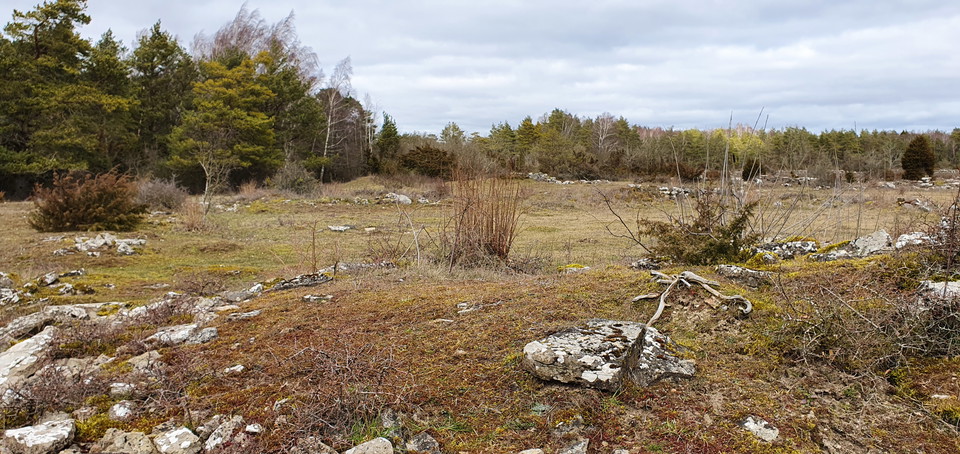
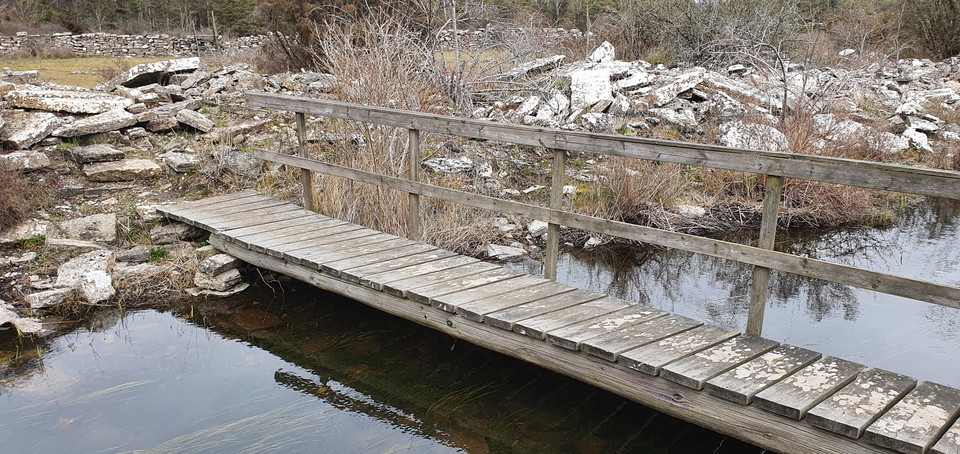
Het pad is smal met enkele boomwortels die oppervlakkig zijn en stenen muren, lichten en bruggen moeten worden gepasseerd. Rond het bos waar de spoorweg doorheen loopt zijn fijne wetlands en alvarische landschappen. Dit is een uitstekend uitgangspunt om heel mooie natuur en cultuur te zien.
Beschrijving van het lood Ga door de rustplaats in zuidelijke richting en volg de blauwe pijlen door het bos naar de Penåsabäcken. Volg het bekken naar het oosten en na 100 meter lopen we over de kleine houten brug en zijn dan bij het woestijndorp. Op de achterweg passeren we het bekken, lopen over een stille weg naar de oude banaan. Hier ga je linksaf naar de parkeerplaats.
Verbindingsroutes Mörbylångaleden, stadium 4 Millersten • Tingstad chips, Gösslunda
Activiteiten en faciliteiten
- Hiking
- Rond pad
Toegankelijkheid
- Nabij parkeerplaats
- Dichtbij toilet
Feiten
Ödebyn
The village originated as a new settlement in 1779. It consisted of two farms of 3/32 of a mantal together, which means that the farms were very small. The stone walls that we see around the village today are the first to be built out here on Alvaret. Today, the foundations of a residential house consisting of one room and a large kitchen remain. There are also fruit trees, berry bushes and the ruins of a stone cellar and a well. Where the forest grows today, traces of cultivated land and farming pits can be seen. The houses built on the alvar at this time were mostly made of limestone, as the supply of this building material was unlimited. Only the door of the house was made of wood. The roof was often covered with straw or seaweed instead of the bark of the mainland. In 1844 the village ceased to be a homestead, the last farmers in Penåsa being Israel Olofsson and Jonas Andersson. The farms were sold to the villagers of Bjärby and Kastlösa. When the alvar villages were abandoned and grazing ceased, parts of Alvaret began to grow again.
Penåsa rest area
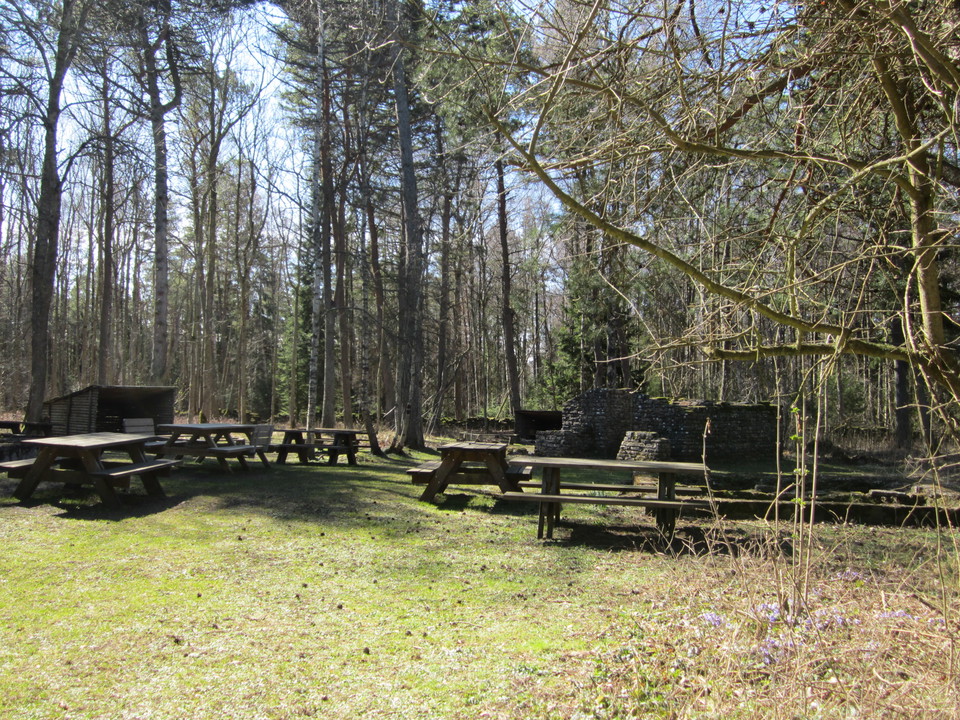
At Penåsa there is an equipped rest area for those who want to take a break or stay overnight. The rest area is built at a former railway guard's cottage, and here you can see the remains of the house foundation, stone cellars and a well with a wellspout. It was moved from the site to the village of Lilla Dalby in 1915. There are toilets, several benches, fireplaces with access to firewood during the summer, dustbins, two shelters and the possibility to pump bicycle tyres at the permanent bicycle pump.
Nature at Penåsa
The Penåsa forest consists of older pine trees, including black pine, together with sparse stands of younger deciduous trees and a lush undergrowth. The surrounding alvar varies between scrubby and open areas in a mosaic of dry to wet soils. This diversity of biotopes supports a wide variety of bird species such as the common chiffchaff, thornbill, tufted tit, stonechat, whinchat, warbler, blackcap, blackbird and black tit. Occasionally, summer warbler, collared flycatcher, lesser flycatcher and common warbler have also been recorded. There are calcareous dry meadows, dry meadows, sandy railway embankment, gravel meadows, crevice meadows and a water channel. Special species are the true finch, the large sand lily and the white aphid. In the woods there are blue, white and yellow poplars, cornflower, leafy spurge and carnation root.
Routebeschrijving
De Lead begint bij Penåsa parking die u vanaf Kastless dorp bereiken. Er zijn stoelen, gehandicaptentoiletten en informatieborden. In Coastless over weg 136, 2,6 km van Penåsa parking, is er bushalte (Castless). Bij Penåsa is er ook een mooie voorbereide pauze. Vanaf de parkeerplaats ga je naar het oosten naar Penåsa rustplaats.
Contact
E-mailadres
Matheus Tholin
Organisatie-logotype

Sommige teksten zijn automatisch vertaald.
Ik ben hier geweest 10



Ik wil hierheen 11


Vragen en antwoorden
Stel een vraag aan andere Naturkartan gebruikers.
Beoordelingen
0 beoordelingen
- 5 :
- 4 :
- 3 :
- 2 :
- 1 :
Afbeeldingen van gebruikers
Er zijn nog geen afbeeldingen van gebruikers. Deel als eerste!