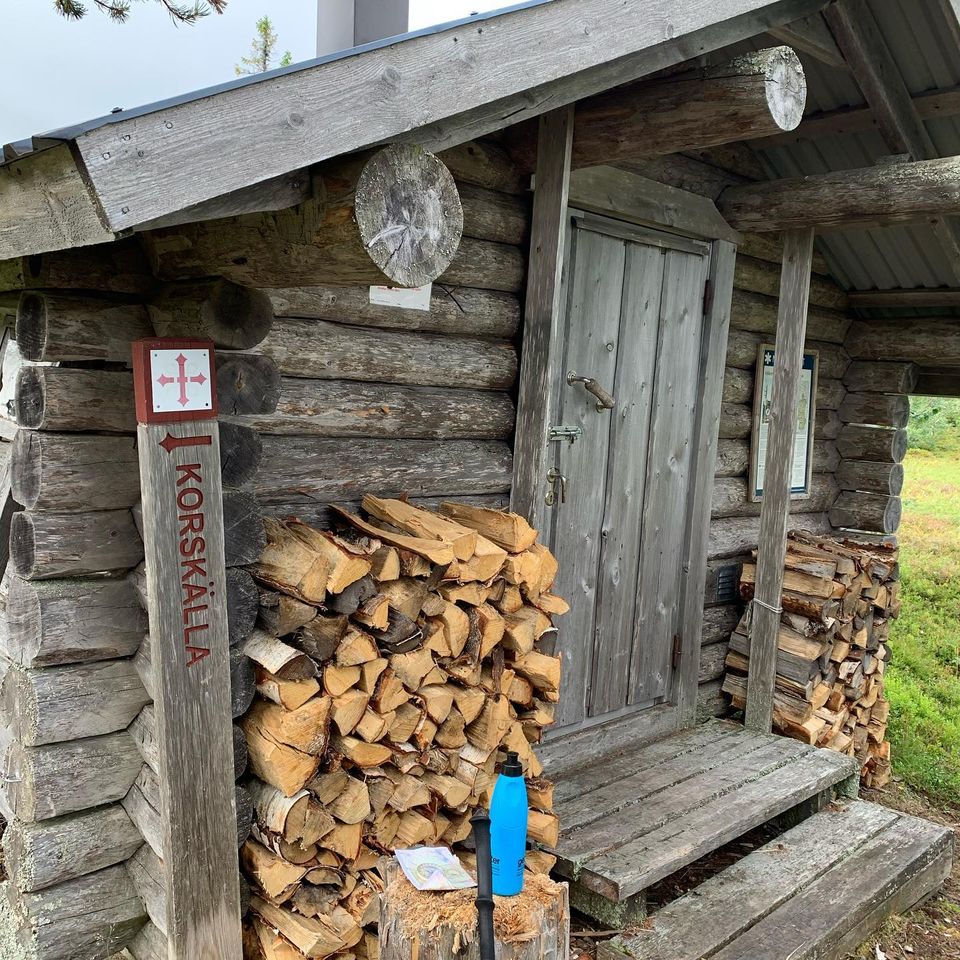
Korskällan, gränsmärke eller pilgrimskors?
I Dalarnas hembygdsbok från 1958 kan man läsa hur Helge Lindberg, fil.lic. och antikvarie vid…
Pelgrimspad
This stage requires mountain experience and is recommended for hiking in July, August and September.
Remember to bring extra food, a camping stove with fuel and tent. Water can be taken from lakes and streams, you are responsible for purifying it yourself. A map and compass and knowledge of how to use them are essential. Be prepared for sudden changes in weather. Show great consideration for reindeer.
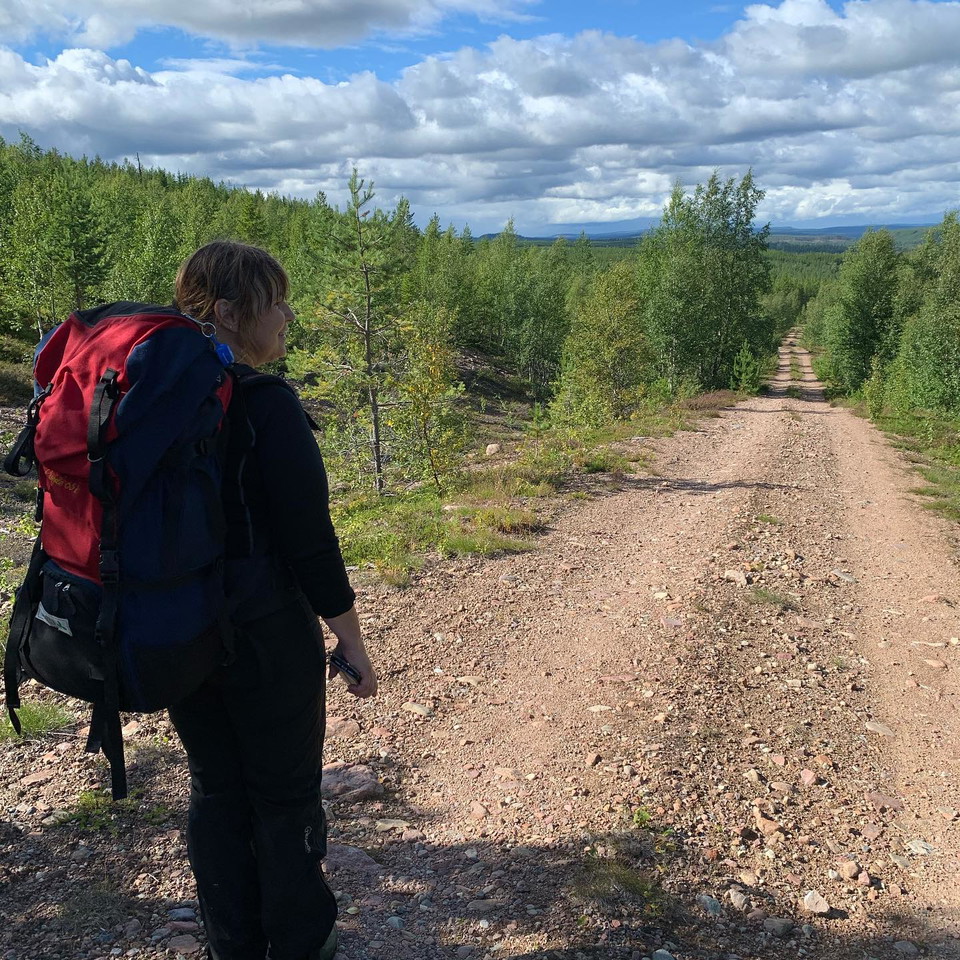
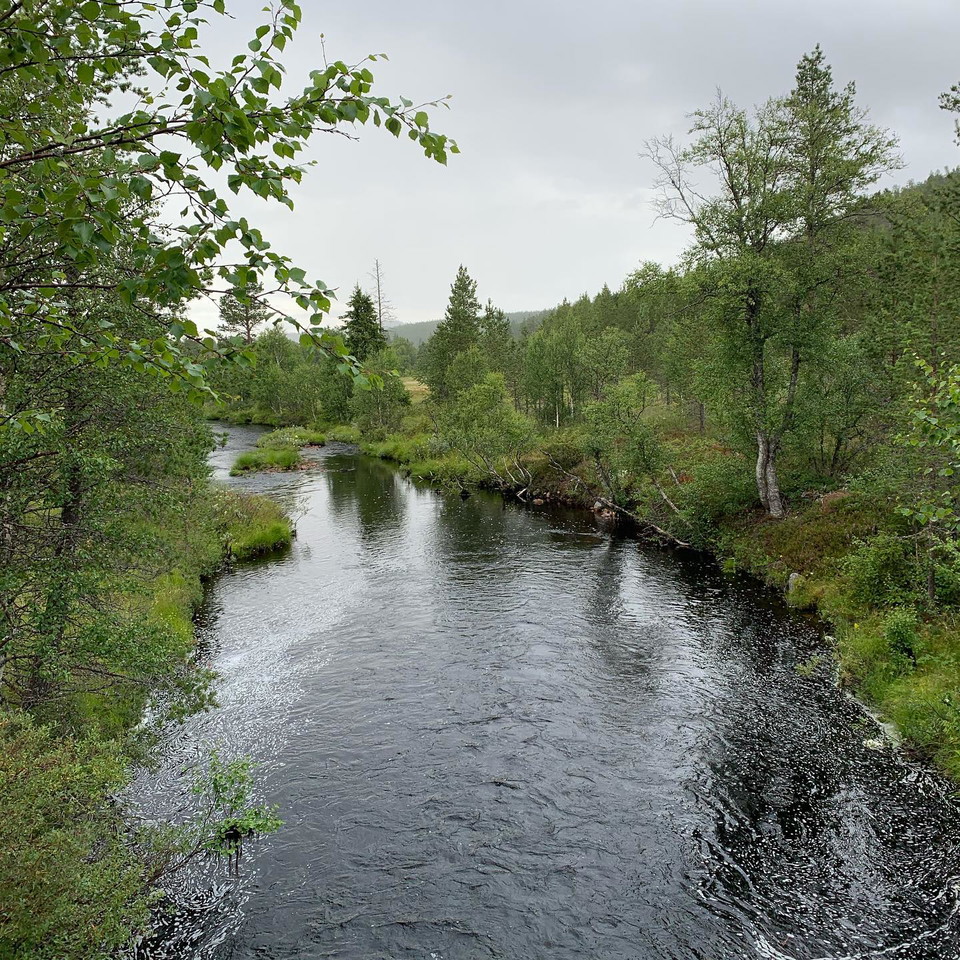
Walk through beautiful forests, past streams, marshlands, hills, and valleys. You will follow both roads and trails. In the southern part of the stage, the trail can sometimes be faint, but the trail markers will guide you.
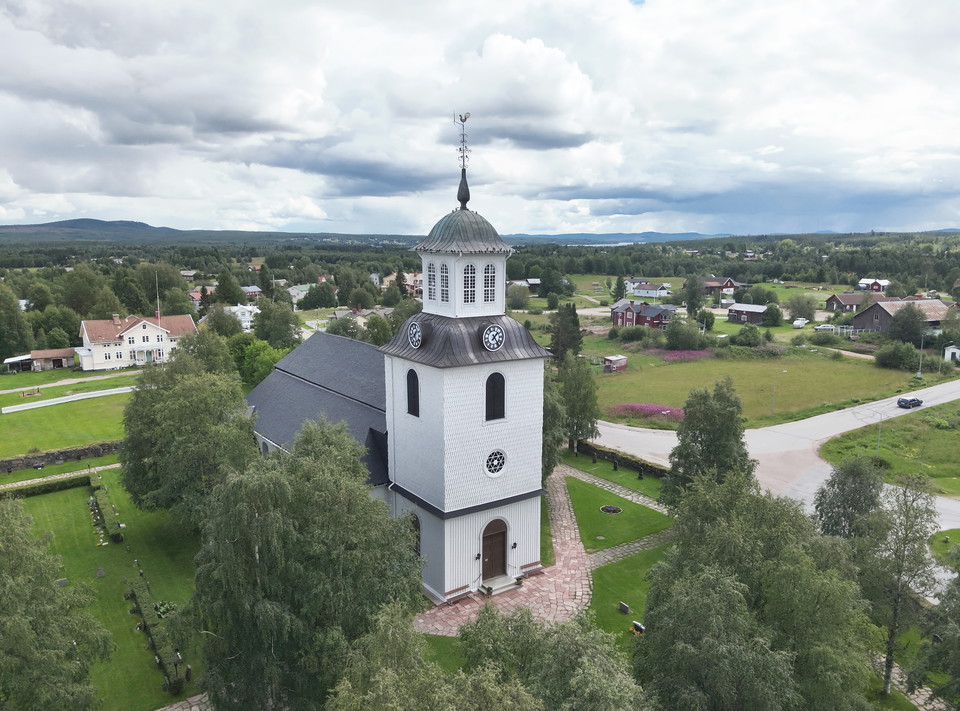
The village of Lillhärdal is the largest settlement in southern Härjedalen. As early as the 11th century, a church stood here, probably making the place important for pilgrims. The current church, built in 1407, is the oldest preserved medieval church in Härjedalen and contains a painting of St. Christopher, the patron saint of travellers.
This stage passes far from houses and settlements. For safety reasons, bring a map, compass, extra food, and overnight equipment.
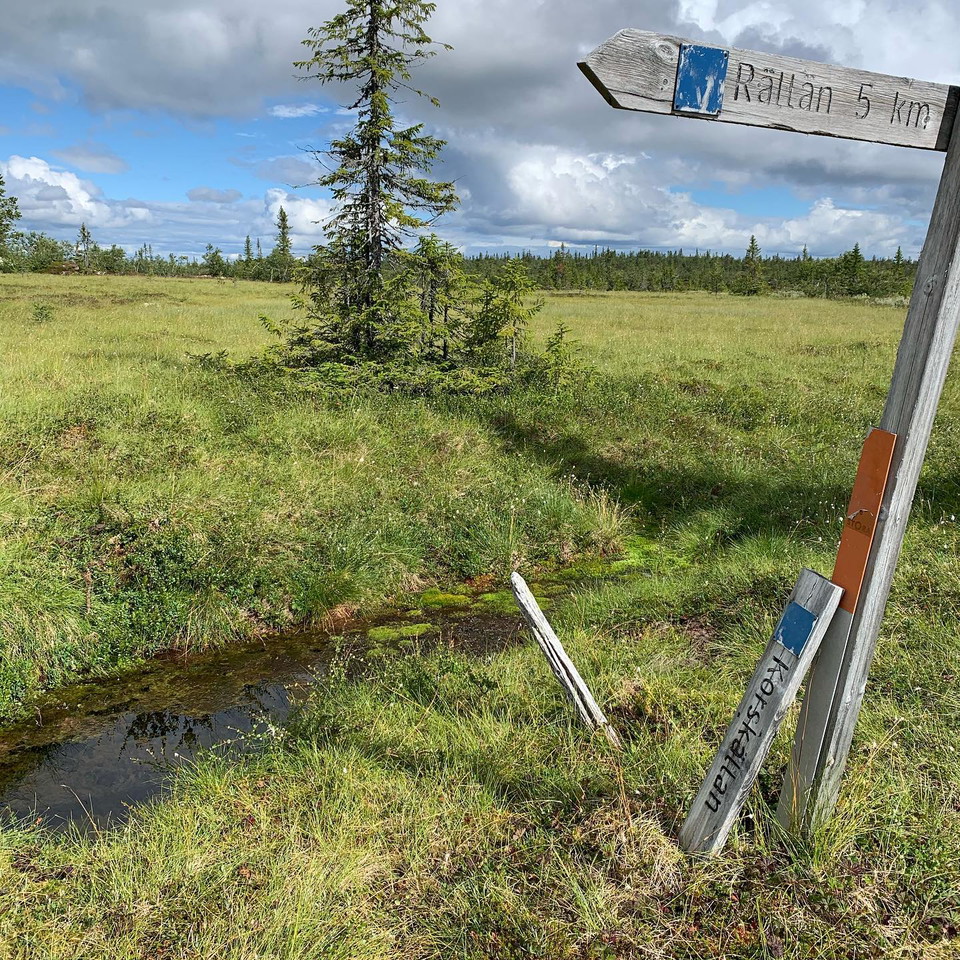
Korskälla is a mythical place. It is said that there were three crosses in the spring itself. Many claim that it was a holy place for pilgrims on their way to or from Nidaros. Others argue that it was "just" a boundary marker. Read more in the article about Korskälla.
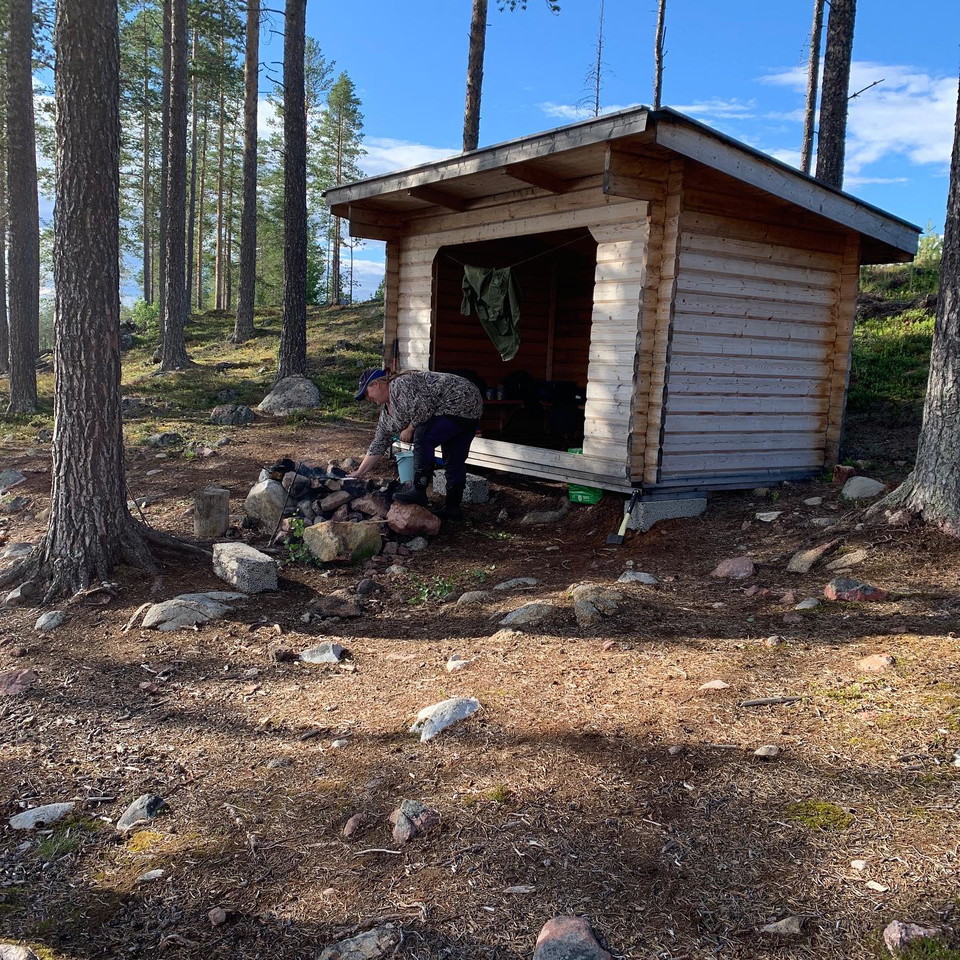
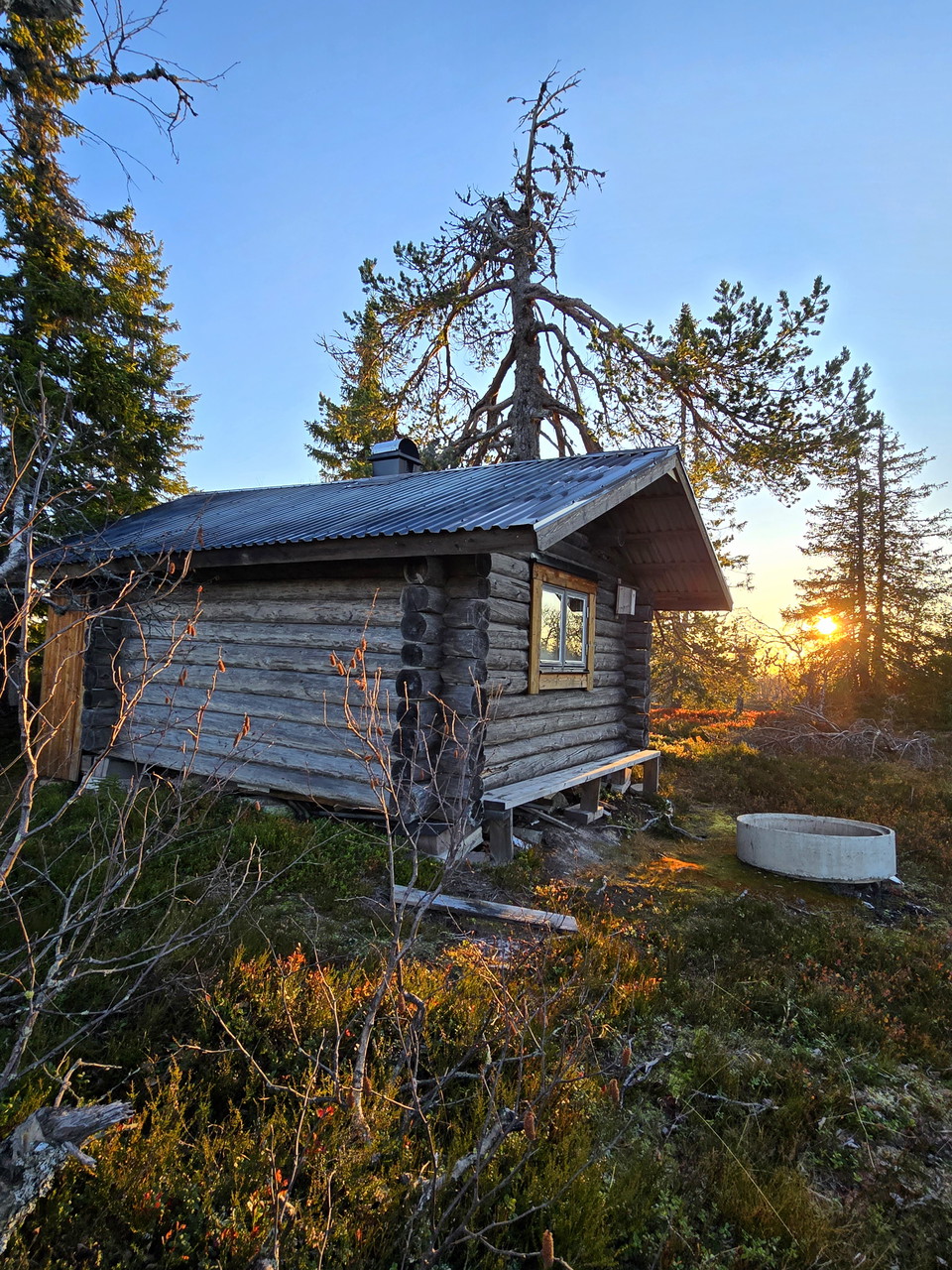
Expect the stage to take 2-4 days to hike. The trail goes out from Korskälla towards Skuckuvägen and on to Lillhärdal via a marked trail. Just south of Stor-Gilleråsen there is a nice shelter that works for overnight stays.
In Lillhärdal there is the possibility of provisions, massage of sore feet as well as a shower and overnight stay at the campsite or in an apartment. It is also possible to arrange a guided tour of Lillhärdal's church.
From Korskällan there is also an alternative route via Mölingdalsvallen and on to stage 24, but then you do not pass Lillhärdal on the way. The alternative route currently only has markings to Härgrav. Equip yourself with the Naturkartan app in your mobile as well as a map and compass for safety. The trail goes through some forest areas and along forest roads.
Romboleden (Rombo Way) is a pilgrimage route that people began using in the 11th century. The Romboleden is Sweden’s longest pilgrimage route at 900 kilometres long. It starts in Köping in Västmanland and finishes in Trondheim on the Norwegian Atlantic coast. If you walk the entire trail, you will experience a beautiful and varied landscape. You will walk on old chalet paths, over mountains with magnificent vistas and along narrow country gravel roads. You will find easy one-day walks with cafés along the way, and long treks that take several days. The route often passes through small villages.
Would you like to walk with a Pilgrim’s Passport and collect stamps from each stage? The medieval Pilgrim’s Passport allowed a pilgrim to walk in the whole of Europe without being stopped by rules or boundaries. These days it is just a nice memento. The Pilgrim’s Passport can be collected at several stage starting points and from the web page of Rombo Way.
St Olav Rombo Way runs mainly through actively cultivated forest and agricultural land. Thanks to the generosity of the landowners and the cooperation with non-profit organizations, you have the opportunity to hike through landscapes that would otherwise be inaccessible.
As a hiker, it is important to remember that you are walking on someone else's land. Show consideration by sticking to the trail, avoiding to disturb animals, crops and ongoing work. Leave nature as you found it - or even better.
Leave nothing but footprints along the trail.
You can drink the water from any running streams. Water purification is recommended.
Overnight stay/rest place: Cottage in Korskälla.
Shelter for overnight stay: south of Gilleråsen.
Camping and apartments in Lillhärdal.
Assume that there is no mobile coverage.
There is mobile coverage at Granåsen's turning point, currently the only place where there is coverage.
Gravel roads in the forest and forest paths..
Hilly terrain.
Parking at Lillhärdal's church.
Public transport Länstrafiken Jämtland.
There is no public transport to the start of the stage.
The nearest bus station for the end of the stage is Lillhärdal, 4 minutes' walk from the church.
This is hiking on in high mountain areas that require more of you as a hiker and careful preparation.
St Olav Rombo Way runs mainly through actively cultivated forest and agricultural land. Thanks to the generosity of the landowners and the cooperation with non-profit organizations, you have the opportunity to hike through landscapes that would otherwise be inaccessible.
As a hiker, it is important to remember that you are walking on someone else's land. Show consideration by sticking to the trail, avoiding to disturb animals, crops and ongoing work. Leave nature as you found it - or even better.
Leave nothing but footprints along the trail.
Whenever you visit Swedish nature you have a Right to public access. Read more about it here.
As a hiker you are sometimes walking in protected nature with specific rules and regulations. You are responsible for making sure you are following the rules. You can read more about it at the Swedish Environmental Protection Agency and the County Administrative Board.
As a hiker, you are responsible for finding out about any local regulations, paying attention to traffic and showing consideration for others who share the trail with you.
Remember to only start camp fires in established barbecue areas and ensure that there is no fire ban in your area.
Remember that rational agriculture or forestry may occur along the trail.
Houd er rekening mee dat sommige teksten automatisch zijn vertaald.
Stel een vraag aan andere Naturkartan gebruikers.