
-
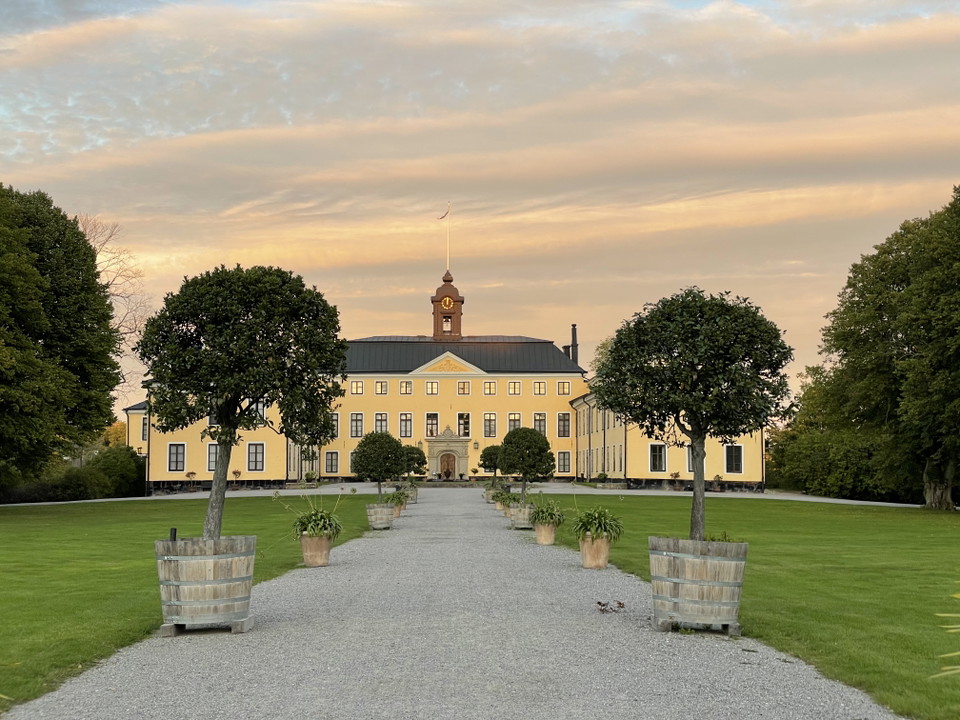
Ulriksdals slott.
Foto: Monica Johnson -
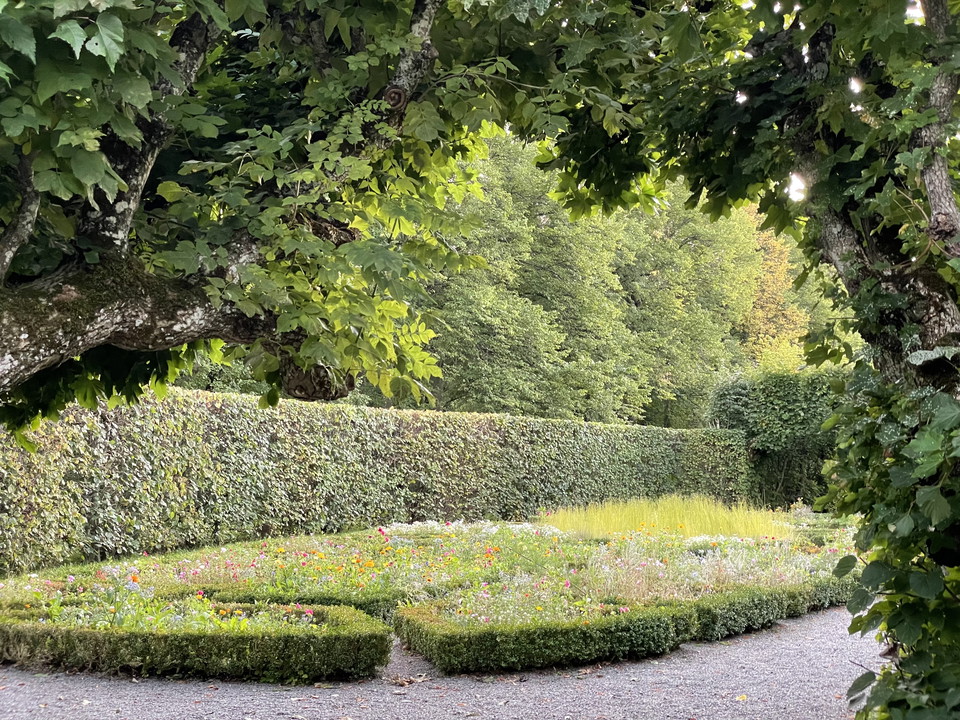
Ulriksdals slottsträdgård.
Foto: Monica Johnson -
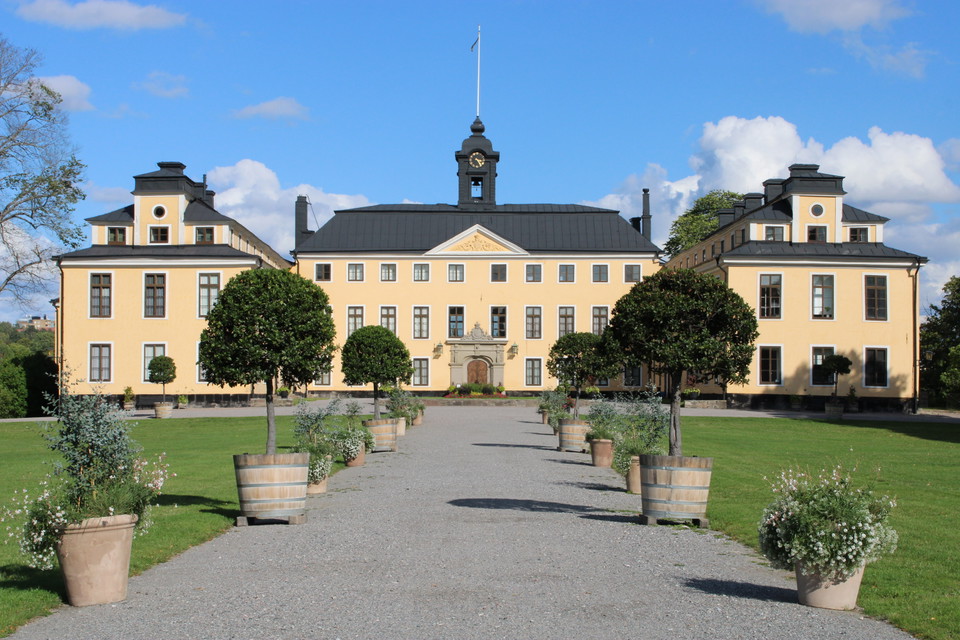
Ulriksdals slott.
Foto: Monica Johnson -
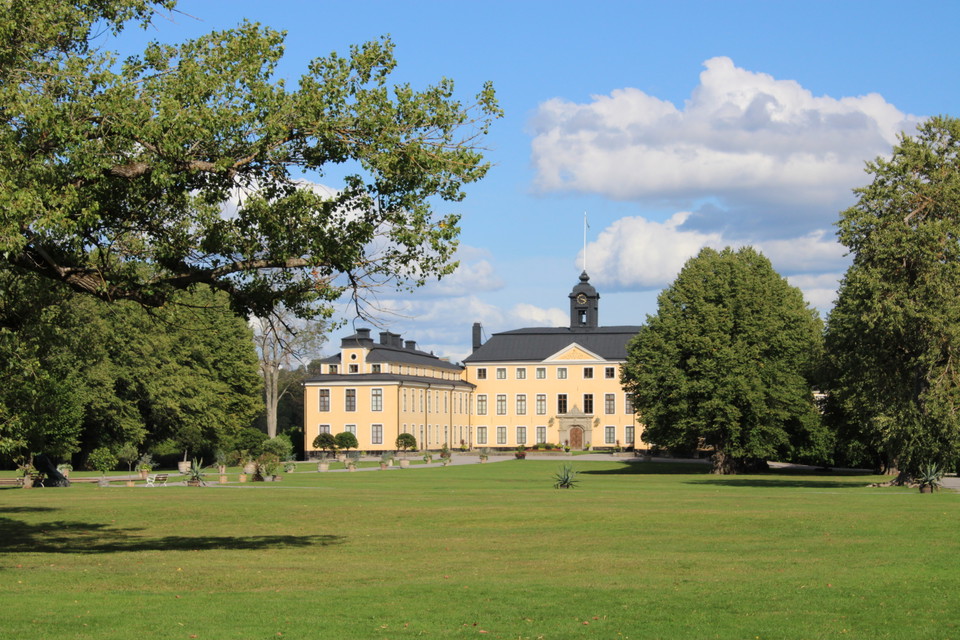
Ulriksdals slott.
Foto: Monica Johnson -
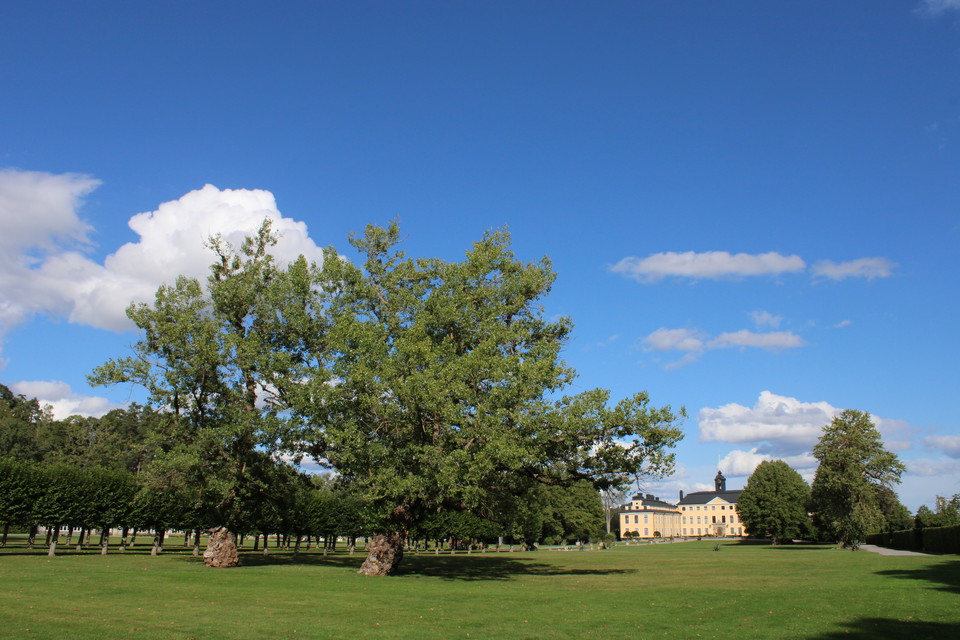
Ulriksdals slott.
Foto: Monica Johnson -
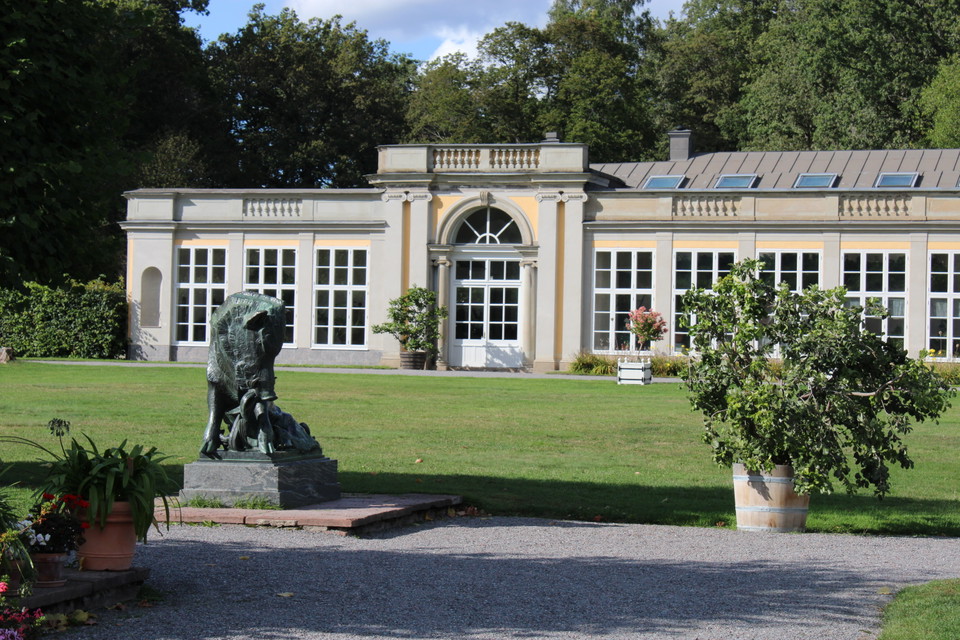
Orangeriet
Foto: Monica Johnson -
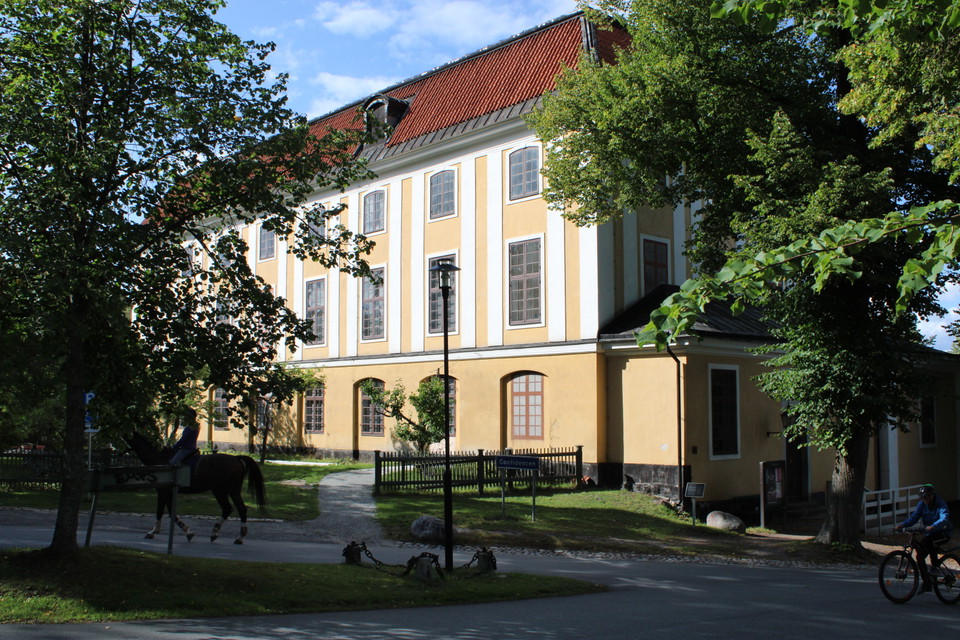
Teater Confidencen.
Foto: Monica Johnson -
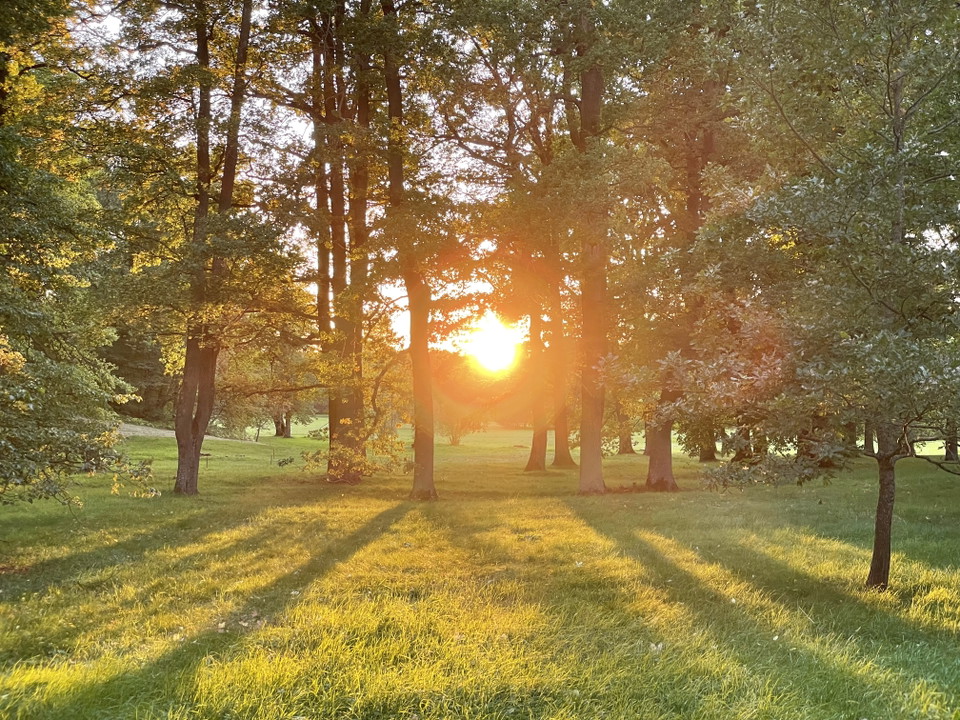
Ulriksdals slottspark.
Foto: Monica Johnson -
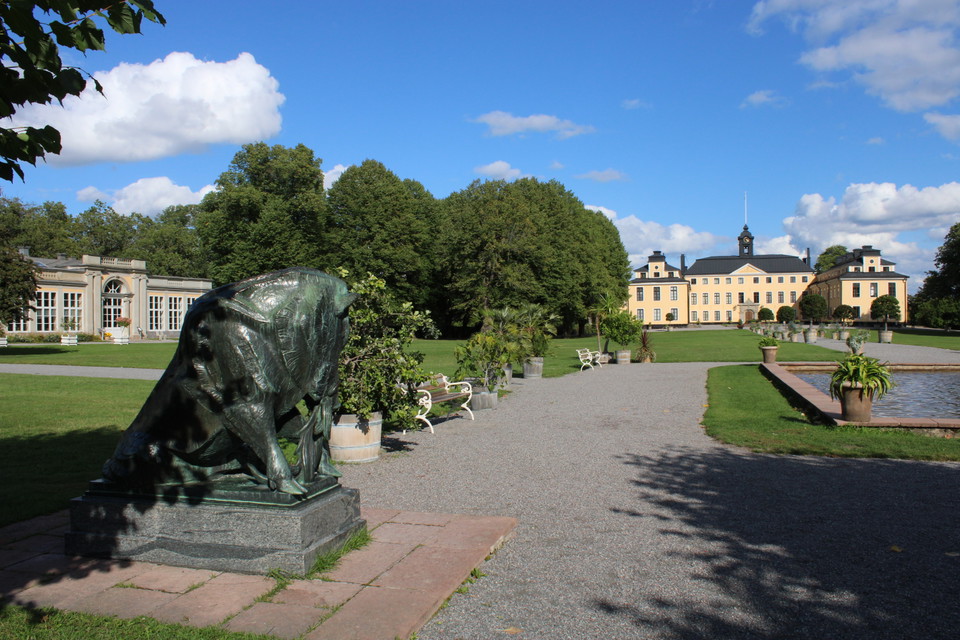
Ulriksdals slott
Foto: Monica Johnson -
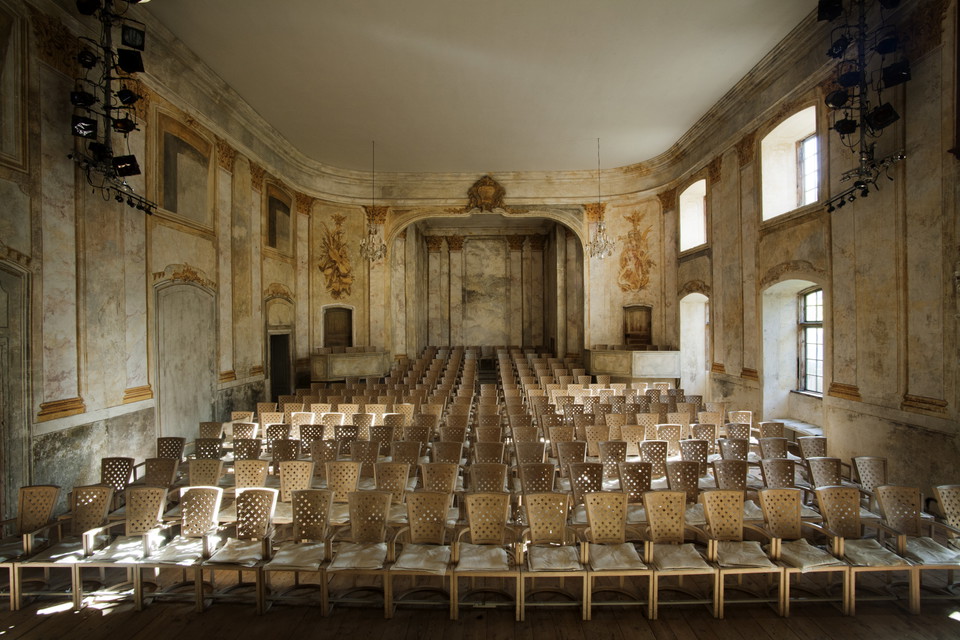
Teater Confidencen.
Foto: Kjell B Person -
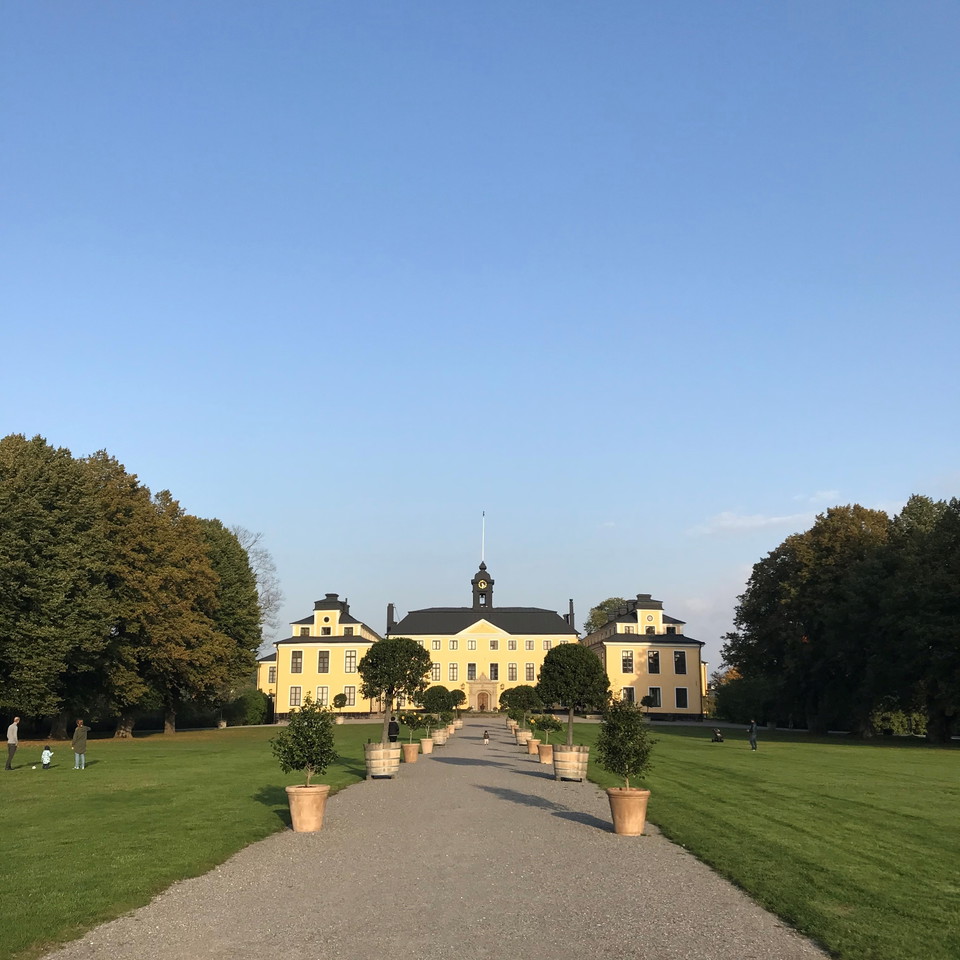
Ulriksdals slott
Foto: Monica Johnson -
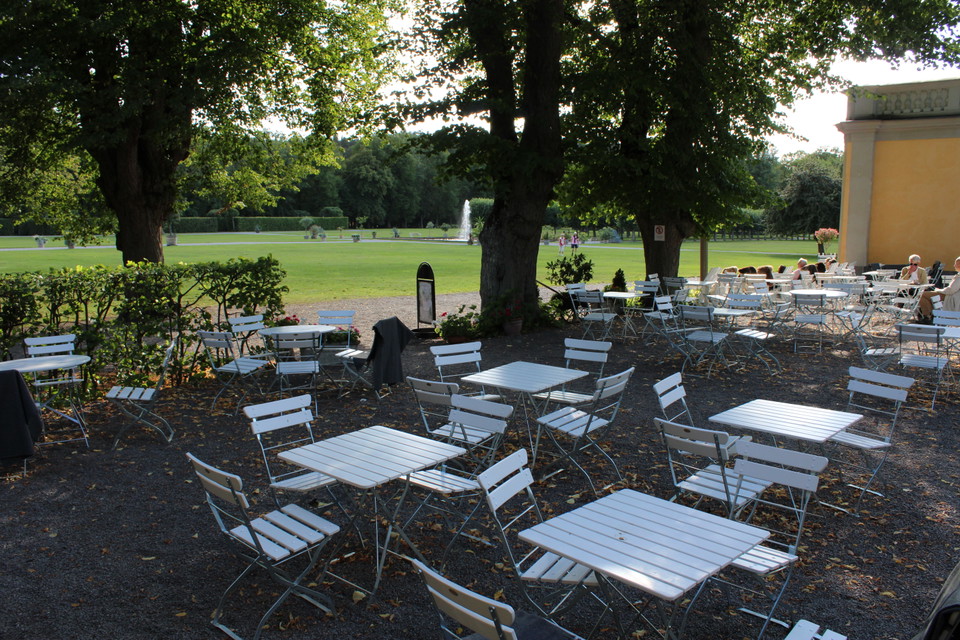
Ulriksdals slottscafé.
Foto: Monica Johnson -
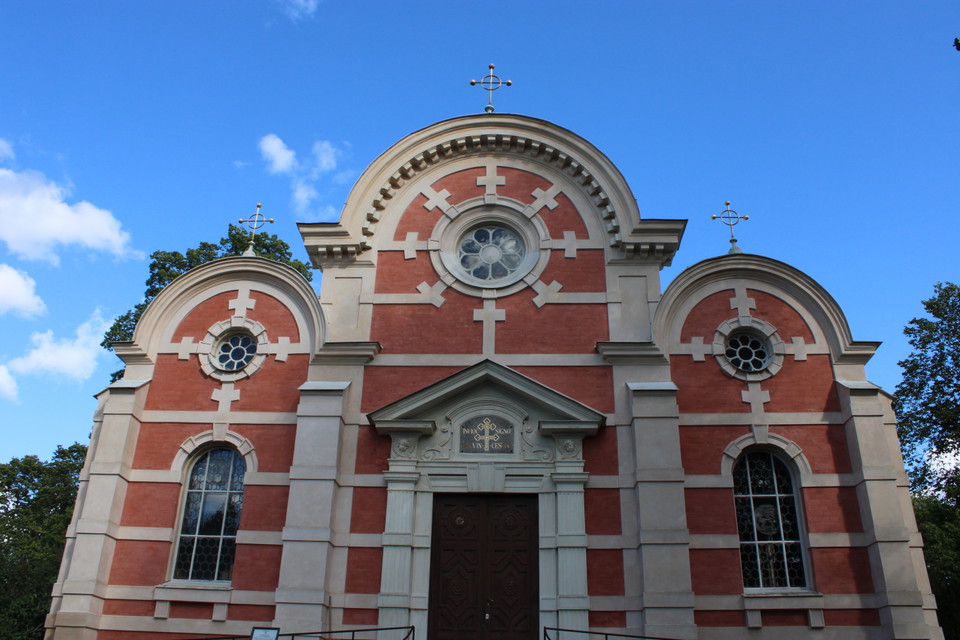
Ulriksdals slottskapell.
Foto: Monica Johnson -
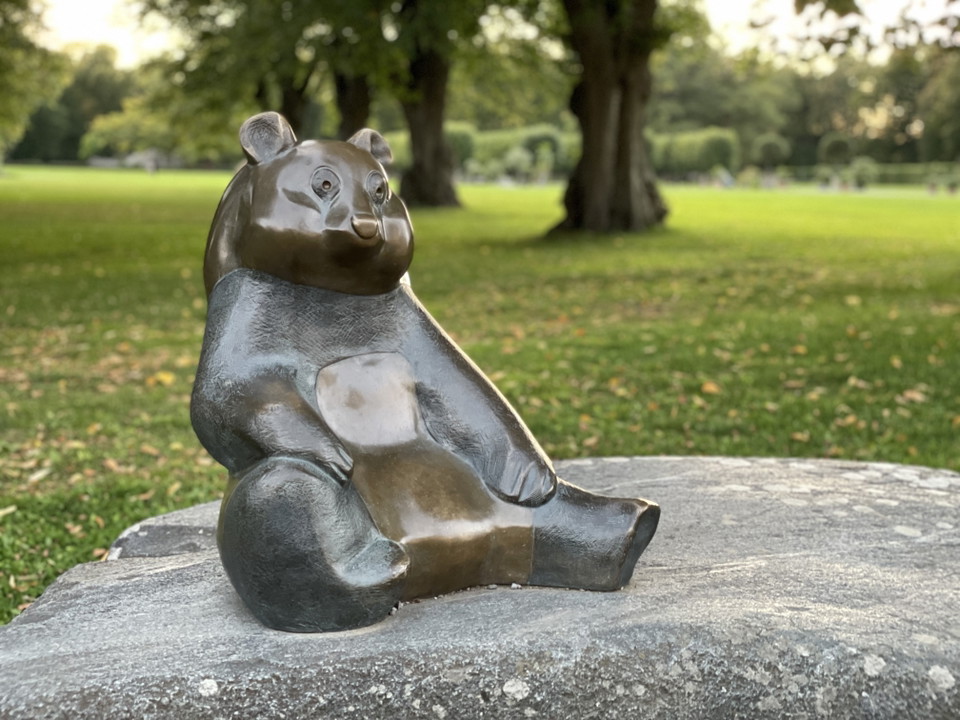
Staty WWF panda i parken.
Foto: Monica Johnson
Ulriksdals slott
- Slott
- Barnevognstilgjengelig
- Parkering i nærheten
- I nærheten av toalett
- Fylke: Stockholms län
- 6831.09 km fra deg
Handlinger
Beskrivelse
Ulriksdal was built in the 1640s for field marshal Jakob de la Gardie, hence its name Jakobsdal. It was designed by Hans Jacob Kristler in the German-Dutch Renaissance style with ornamental gables and a steep saddle roof. Jakob’s son, Magnus de la Gardie, transformed the gardens into a magnificent Baroque park. In 1669 the widowed Queen Hedvig Eleonora purchased Jakobsdal, which thereby became royal property. The palace was renamed Uriksdal after her grandson Ulrik to whom she gave it as a christening gift. When Ulrik died, only one year old, the property returned to Hedvig Eleonora. In the beginning of the 18th century an orangery was erected, designed by Nicodemus Tessin the Younger. Between 1720–50 the palace and park were greatly altered following designs by the architect Carl Hårleman, and the palace received its present characteristic shape. During the same time Hedvig Eleonora´s riding stables was changed and rebuilt to a theatre – Confidencen.
Around 1800 the gardens were transformed to suit the new Romantic fashion. Between 1822–49, Karl XIV Johan allowed the palace to be used as a rehabilitation hotel for war veterans. In the decades after the mid-19th century Ulriksdal flowered once more, as Karl XV’s summer residence, and the Palace Chapel was built. In 1925–73 it was the home of Gustaf VI Adolf, and the park was changed into the form it has today. When you visit Ulriksdal, don’t forget to look out for the sculpture “Blackamoors dragging nets” which originally stood in the Haga Park. Ulriksdal and the Orangery Museum are open for visitors in the summer.
Aktiviteter og fasiliteter
- Slott
Tilgjengelighet
- Barnevognstilgjengelig
- Parkering i nærheten
- I nærheten av toalett
Kontakt
E-postadresse
Kontakta Nationalstadsparken
Organisasjonens logotype

Jeg har vært her 8


Jeg ønsker å dra hit 6


Spørsmål og svar
Still et spørsmål til andre brukere av Naturkartan.
Omtaler
0 anmeldelser
- 5 :
- 4 :
- 3 :
- 2 :
- 1 :
Brukernes bilder
Ingen brukerbilder ennå. Bli den første til å dele!