
-

-
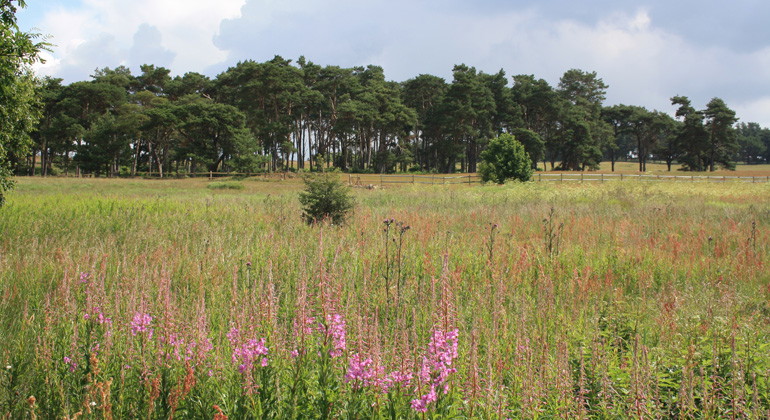
Foto: Gunilla Davidsson Lundh -
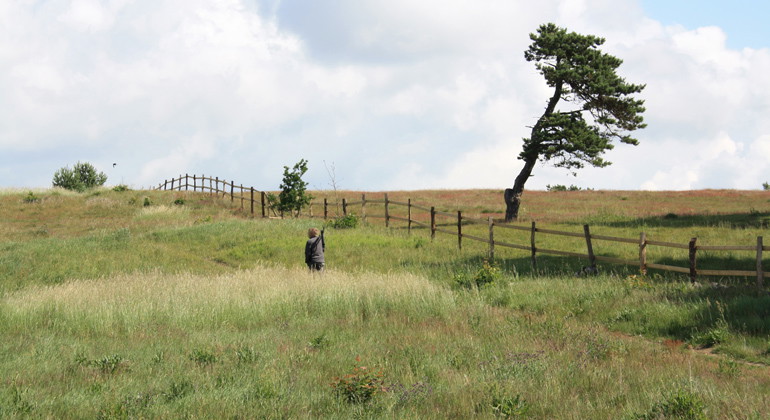
Foto: Gunilla Davidsson Lundh -
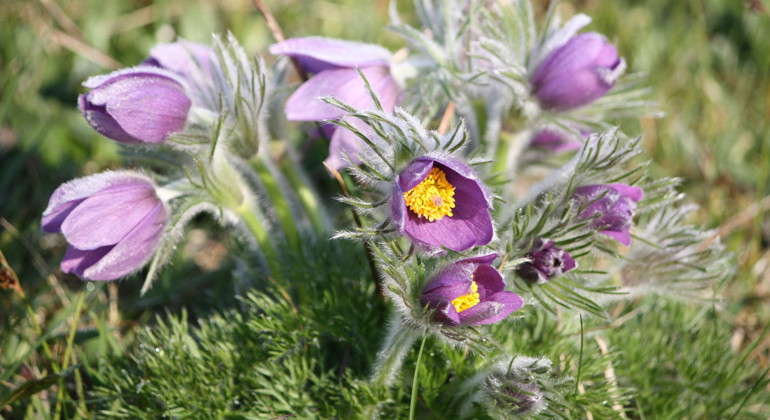
Backsippa.
Foto: Gunilla Davidsson Lundh -
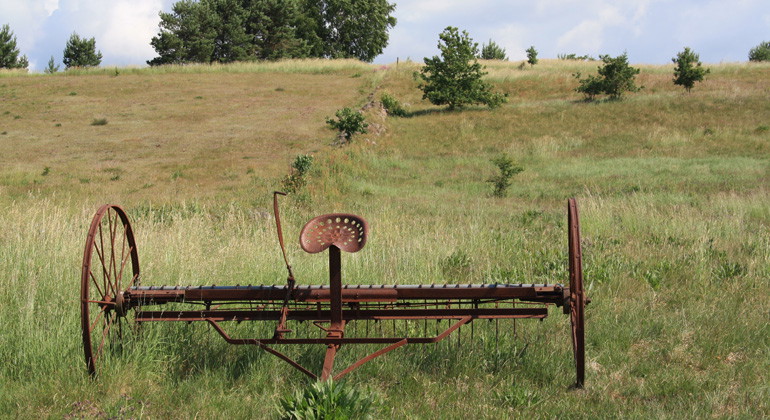
Foto: Gunilla Davidsson Lundh -
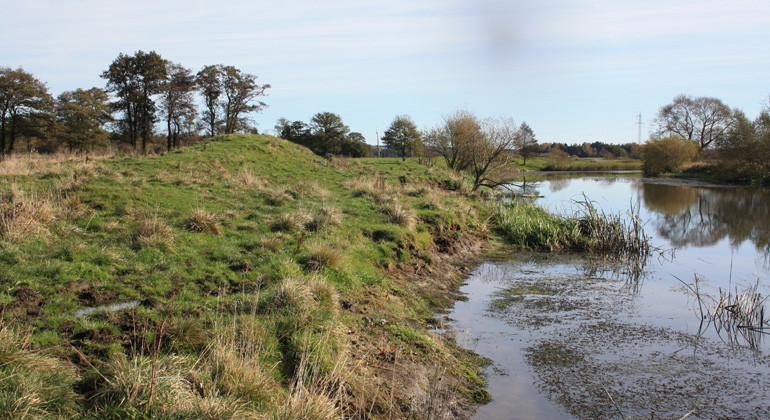
Foto: Gunilla Davidsson Lundh -
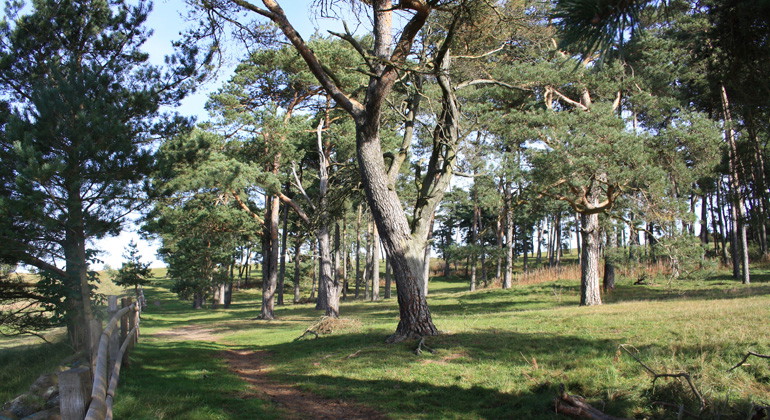
Foto: Gunilla Davidsson Lundh -
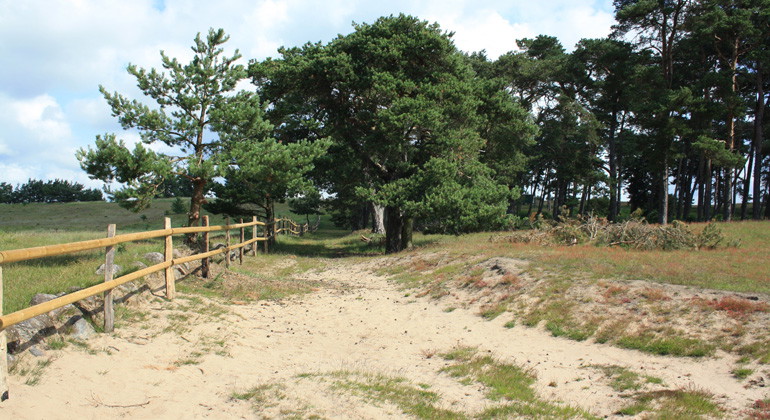
Foto: Gunilla Davidsson Lundh -
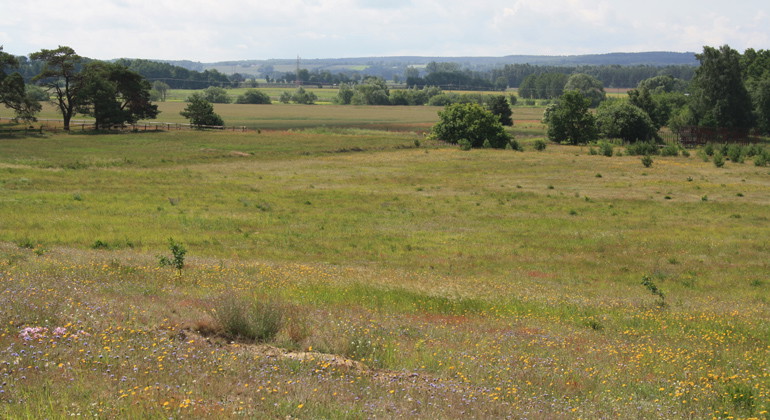
Foto: Gunilla Davidsson Lundh -
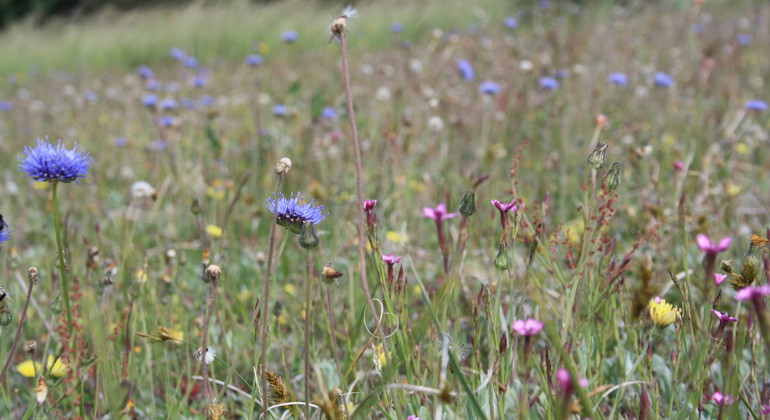
Foto: Gunilla Davidsson Lundh -
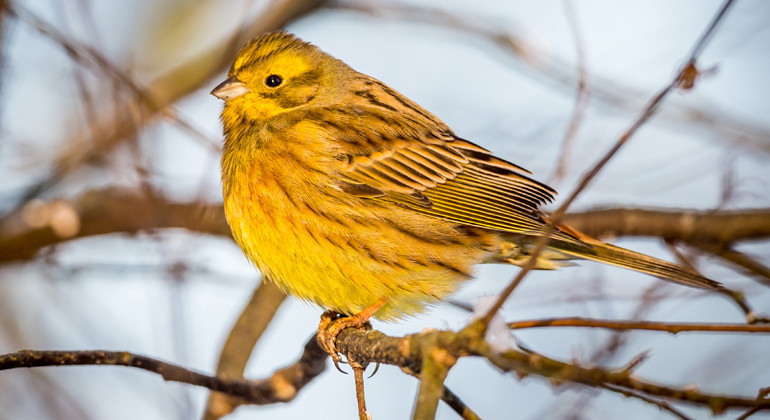
Gulsparv.
Foto: Mostphotos -
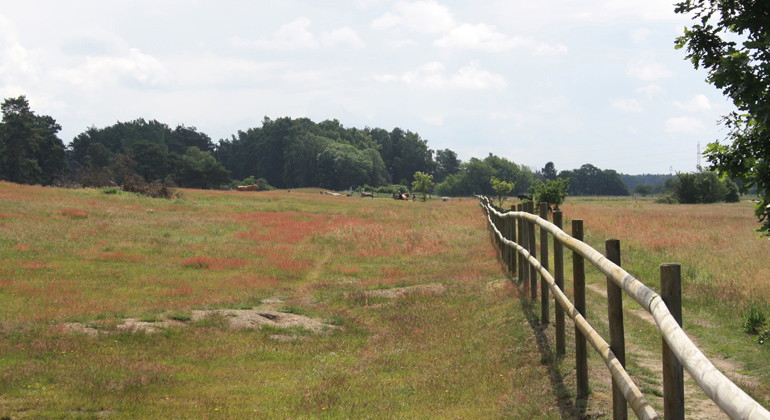
Foto: Gunilla Davidsson Lundh -

-

Flyinge ängar, Naturreservat
- Naturreservat
- Fylke: Skåne län
Handlinger
Beskrivelse
The flower-rich sandy slopes of Flyinge meadows spread out south of Flyinge. As we approach Kävlingeån in the far south, the land turns into damp meadows instead. This is where the local farmers have cut their hay and grazed their animals for hundreds of years. In summer, the slopes turn blue-purple and yellow with bluebells and heath flowers. Down in the meadows, you can see storks looking for frogs and perhaps hear the song of the curlew. The area is easy to walk but has no marked paths. Remember to keep your distance from grazing animals and wading birds along the river.
Planned conservation burning in March-April
Sometimes the meadow must burn, so that species do not disappear! Therefore, the County Administrative Board is carrying out planned conservation burning in several protected areas during March-April, including here.
The species richness of the sand
In the dry, nutrient-poor slopes, a rich flora sprouts with hill carnation, hill thyme and hill cress. It may seem contradictory, but the fact is that the poor soil and the grazing cows are a prerequisite for the survival of many of the pasture's plants. With fertilizer or the end of grazing, the plants of Flyinge meadows will be outcompeted by large, fast-growing species. The sun-warmed sand of the sandbanks attracts many insects. If you take your time, you might find the unusual seed borer or a furry little wild bee. Colorful butterflies visit the flowers in search of sweet nectar.
Stork's fields
Like many other watercourses, the Kävlinge River was straightened in the early 1900s. Wetlands were drained and the habitat for many plants and animals was destroyed. Today we have started to re-wet our landscape with new wetlands and some plants and animals have started to find their way back. If you're lucky, you might see the white stork foraging for frogs in the wet meadows or the curlew pecking for bugs with its impressive beak. To avoid disturbing the birdlife, avoid the wet meadows in spring and early summer.
Outdoor life
There are no marked paths or trails in the reserve, but it is an open and easy-to-walk landscape. There are gates and stiles that take you between the fences. Keep in mind that the dog must be leashed March 1 - September 30 in the area.
There are two parking lots, one in the northeast and one at Flyinge sports field. Remember to take your rubbish home. The Flyinge Plantskolevägen bus stop is adjacent to the reserve.
In English
Welcome to Flyinge ängar Nature Reserve
Flyinge Ängar's flowering sandy slopes and the River Kävlingeån's wet meadows are situated just next to the housing estate. Local farmers have cut hay and had their animals grazing here for hundreds of years. Sheep's bit scabious and dwarf everlasting, flower in lilac and yellow on the sandy slopes. If you are lucky, you may hear the mating call of the curlew from the wet meadows.
A rich flora grows up in the dry, nutrient poor slopes. It may sound like a contradiction, but the fact is that the poor soils and the grazing cows are necessary for many of the pasture plants to survive. With fertilizer or abandonment of grazing, the plants of Flyinge Ängar will be out-competed by larger, fast growing species.
The bare patches of sand warmed by the sun attract many insects. If you take the time, you might find the unusual Harpanus ground beetle or a small, fluffy wild bee. Colorful butterflies visit the flowers in their search for sweet nectar.
Like many other water courses, the River Kävlingeån was straightened at the beginning of the 1900s. The wetlands dried out and habitats for many plants and animals were destroyed. Today we have begun to rehydrate our landscape with new wetlands and some of the plants and animals have begun to find their way back. If you are lucky, you may see the white stork looking for frogs in the wet meadows, or the curlew pecking for small insects with its impressive beak. In order to avoid disturbing the birds, you should keep away from the wet meadows in the spring and early summer.
Regulations
The Right of Public Access is limited in the Nature reserve! The regulations apply for the protection of nature. You'll find a selection of the most important visitor regulations here. They are also posted on a separate sign at each entrance. The full/complete regulations are available in swedish on this web page - below the heading "Föreskrifter / Fullständiga föreskrifter för besökare".
It is (for example) forbidden to:
- bring dogs not on a lead,
- camp, park up caravans, campervans or equivalent,
- drive a motor vehicle,
- dig up plants or pick plants for commercial gain,
- damage living or dead trees and bushes,
- catch insects, spiders, snails or other invertebrates
Funded by the European Union
Aktiviteter og fasiliteter
- Naturreservat
Fakta
Established: 2014
Size: 50 hectares
Municipality: Eslöv, Lund
Manager: County Administrative Board of Skåne
Protection type: Nature reserve
Veibeskrivelse
Walk, cycle, take public transport or drive here. Map and directions via Google maps or coordinates (WGS84).
Forskrifter
**Within the area, special rules and restrictions apply to the right of public access.
For example, it is forbidden to:
- have a dog unleashed
- stay overnight/tent
- setting up a caravan/mobile home
- drive a motor vehicle
It is important to note that this is only a selection of the rules.
Full regulations for visitors
In addition to regulations and prohibitions in other laws and regulations, it is forbidden to:
- remove, dig, drill, paint or otherwise damage soil, rock or natural objects
- camping or setting up equipment for overnight stays, or setting up a caravan, motorhome or similar
- bring dogs that are not kept on a physical leash
- felling or otherwise damaging living or dead trees and bushes
- place or put up a board, poster, sign, poster, or similar,
- erect any form of construction,
- drive a motorized vehicle
- take off or land with aircraft, such as drones.
Furthermore, it is prohibited to without the written permission of the county administrative board:
9. catch insects, spiders, shells or other invertebrates other than by scooping, hand picking or other selective method with subsequent release within the nature reserve,
Kontakt
Adresse
Under LÄNKAR kommer du till aktuell reservatssida på Länsstyrelsens webbplats, med fördjupande information som kartor, broschyrer och hänvisning till relevanta aktörer. Här finns även en rapportfunktion för dig som vill lämna uppgifter om naturreservaten som vi förvaltar.
E-postadresse
Organisasjonens logotype

Jeg har vært her 1

Jeg ønsker å dra hit
Spørsmål og svar
Still et spørsmål til andre brukere av Naturkartan.
Omtaler
0 anmeldelser
- 5 :
- 4 :
- 3 :
- 2 :
- 1 :
Brukernes bilder
Ingen brukerbilder ennå. Bli den første til å dele!