
-
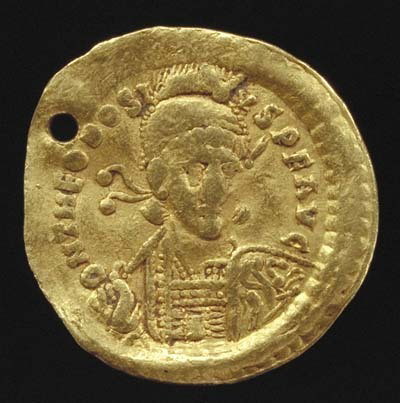
Foto guldmynt: Gunnel Jansson, Statens Historiska Museer -
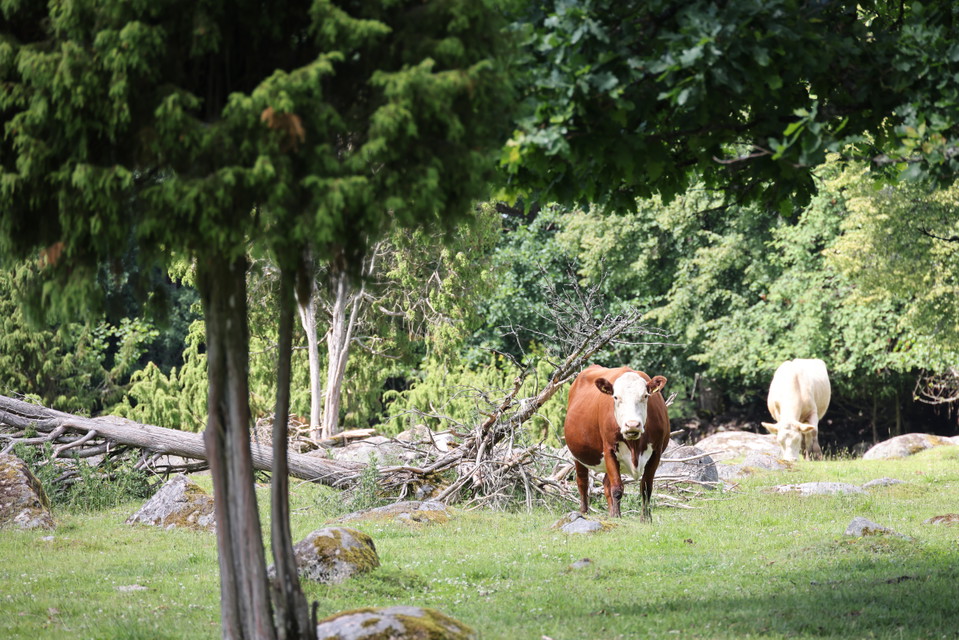
Foto: Niklas Kämpargård -
Foto: Niklas Kämpargård -
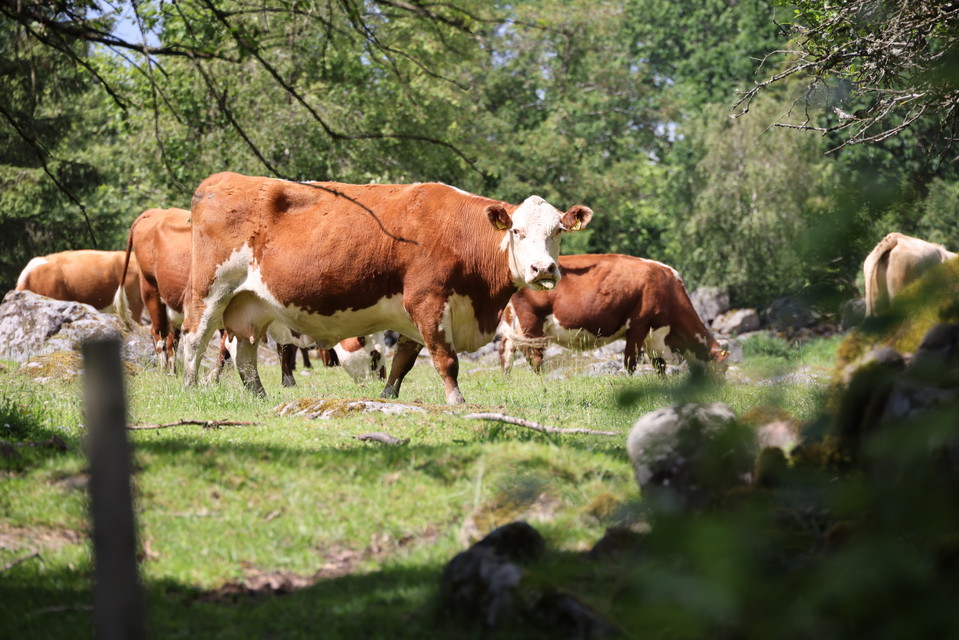
Foto: Niklas Kämpargård -
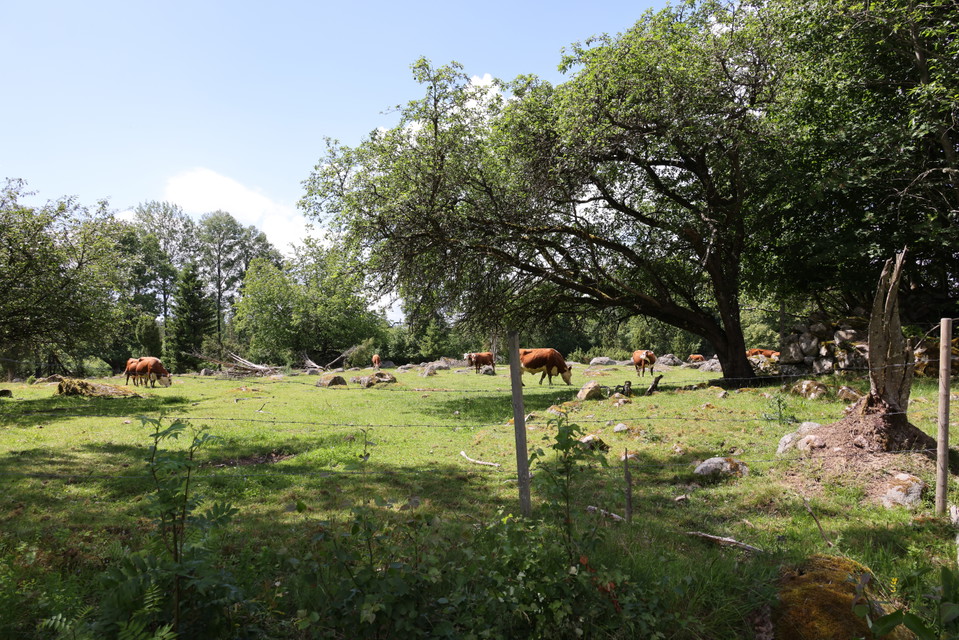
Foto: Niklas Kämpargård -
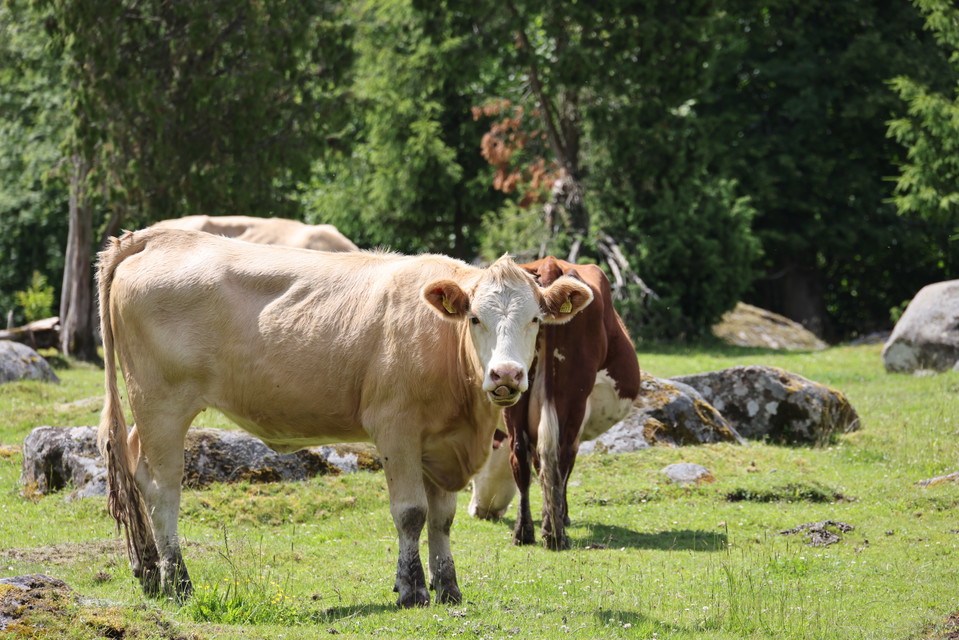
Foto: Niklas Kämpargård -
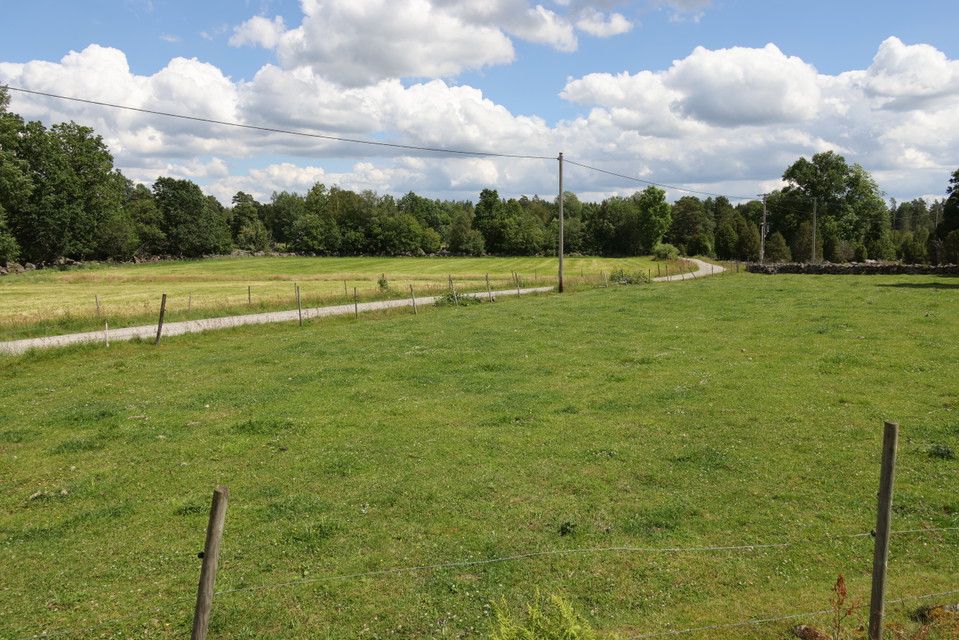
Foto: Niklas Kämpargård
Guldet i Guleboda
- Interessant sted
- Fylke: Kronobergs län
- 6847.55 km fra deg
Handlinger
Beskrivelse
In 1854, the farmer Peter Magnus Svensson found a Roman gold coin in his field when he was out working in Guleboda. The farmer reported his find to the authorities and received 7 riksdaler, 35 shillings and 2 rounds as a reward. The coin was transported to the History Museum in Stockholm where it still remains. Exactly where the coin was found is unknown, but on a map from the year 1817 it can be seen that the fields at that time were north and south of the farm buildings, which suggests that this is where the coin was found. Today, several of the fields are used for grazing and there are possibly more coins under the cows' hooves. Axes in flint and bronze have also been found at the same location.
How the coin ended up in Småland is unknown, but it probably got there with some merchant traveler who made his way by water. Viren is part of the Ronneby River and the waterways have been used to transport goods along the river although it has never been possible to get by boat all the way from Viren all the way down to Ronneby without having to carry the boat past challenging sections. Perhaps the coin belonged to a wealthy merchant or a Roman mercenary who visited or lived in the Guleboda parish. Namely, it was common for itinerant soldiers to be paid by the Roman army and then leave their fighting positions if they were still alive. After 25 years of service, the soldiers retired.
The coin, a so-called Solidus is a coin introduced by Emperor Constantine the Great around the year 312. Each coin weighed 4.54 grams and was the most valuable means of payment in the Roman Empire. The gold coin found in Guleboda was minted during Theodosius II's time as emperor of the Eastern Roman Empire between the years 408 and 450. Photo gold coin: Gunnel Jansson, Statens Historiska Museer.
Aktiviteter og fasiliteter
- Interessant sted
Kontakt
E-postadresse
Tingsryds Turistinformation
Jeg har vært her
Jeg ønsker å dra hit
Spørsmål og svar
Still et spørsmål til andre brukere av Naturkartan.
Omtaler
0 anmeldelser
- 5 :
- 4 :
- 3 :
- 2 :
- 1 :
Brukernes bilder
Ingen brukerbilder ennå. Bli den første til å dele!