
Söderbärke kyrka
- Kirke
- Pilegrimstjeneste
- Fylke: Dalarnas län
- 6674.12 km fra deg
Handlinger
Beskrivelse
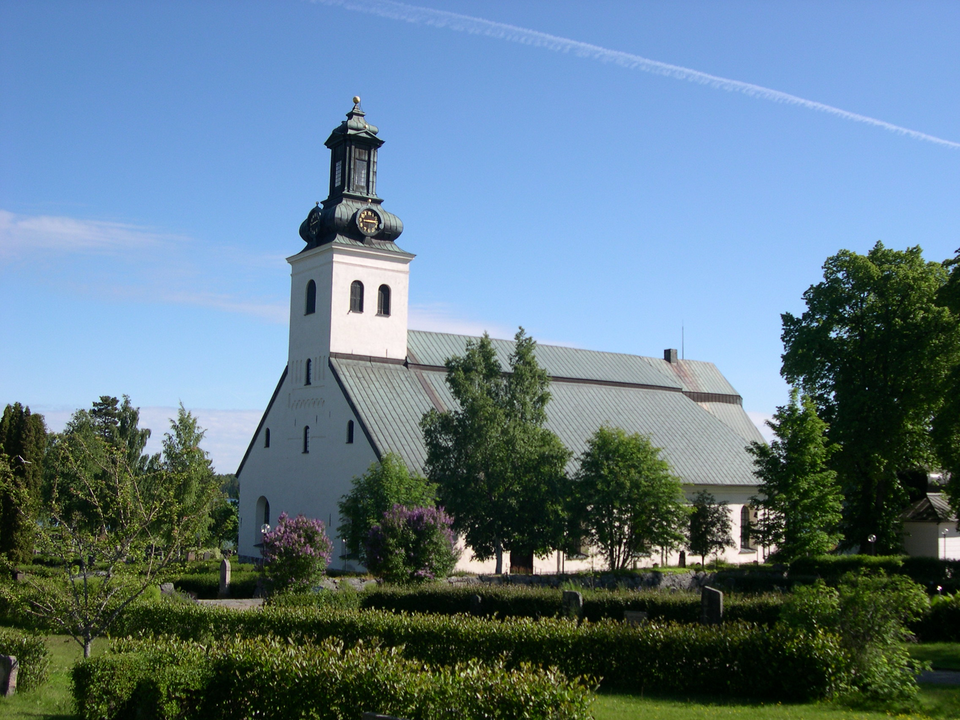
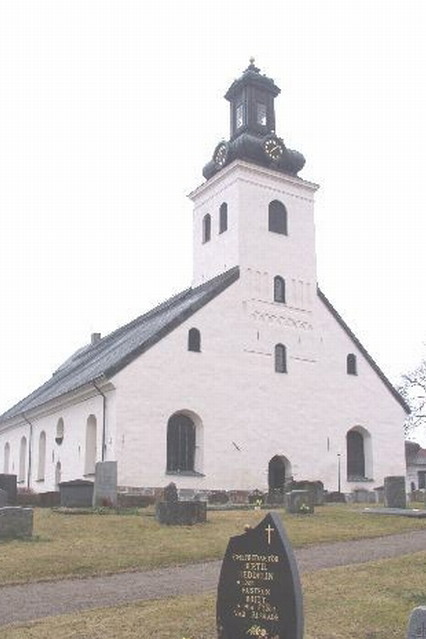
Church in Söderbärke parish. Söderbärke Church is part of the Bergslagen Ecomuseum.
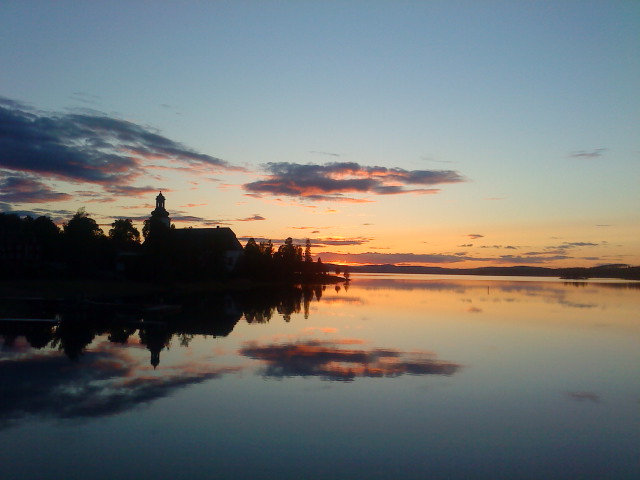
"White church, there on the shore of the clear waves of Barken, led us like a mother by the hand in the pilgrimage of the soul".
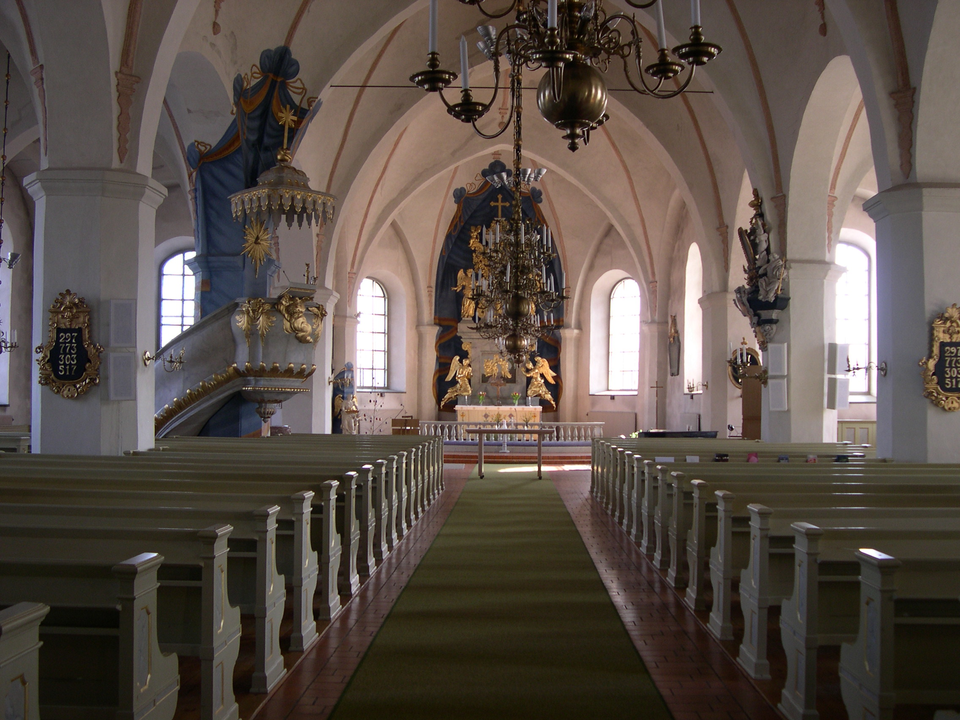
Erik Trankvill, the Söderbärke bell ringer, wrote a few verses about this beautiful temple that is Söderbärke church. According to what has been told from old times, the first church in Söderbärke is said to have been built sometime in the first half of the 11th century. In the middle of the 14th century, the oldest stone church was built. It covered the middle part of our current church - from the tower entrance to the row of columns to the pulpit. It got its current appearance through an expansion during the years 1729 - 1734. According to Petrus Petraeus, the current three-nave church was built on the outside of the old church without having to interrupt the worship service. It was inaugurated on Michaelmas Day in 1734. In 1911, the church was restored. The old closed pew quarters were removed. Long benches were installed instead. Furthermore, the brick floor was replaced with a wooden floor. But during the last restoration in 1966-1967, the aim was to restore the church to its original 18th-century character. The colour scheme from that century was restored and a brick floor was laid. Only the original wooden floor was retained under the benches.
Next to the church there is a tin box with pilgrim passports and pilgrim stamps for those walking the St Olav Rombo Way pilgrimage trail.
Aktiviteter og fasiliteter
- Kirke
- Pilegrimstjeneste
Jeg har vært her 2

Jeg ønsker å dra hit
Spørsmål og svar
Still et spørsmål til andre brukere av Naturkartan.
Omtaler
0 anmeldelser
- 5 :
- 4 :
- 3 :
- 2 :
- 1 :
Brukernes bilder
Ingen brukerbilder ennå. Bli den første til å dele!