ARK56 - Blekinges länkade kustleder
Länkade kustleder i ett Unesco biosfärområde

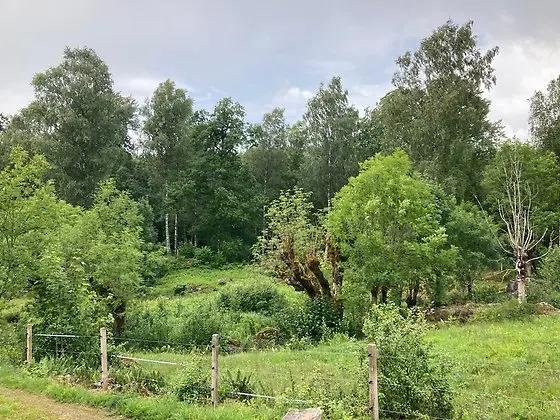
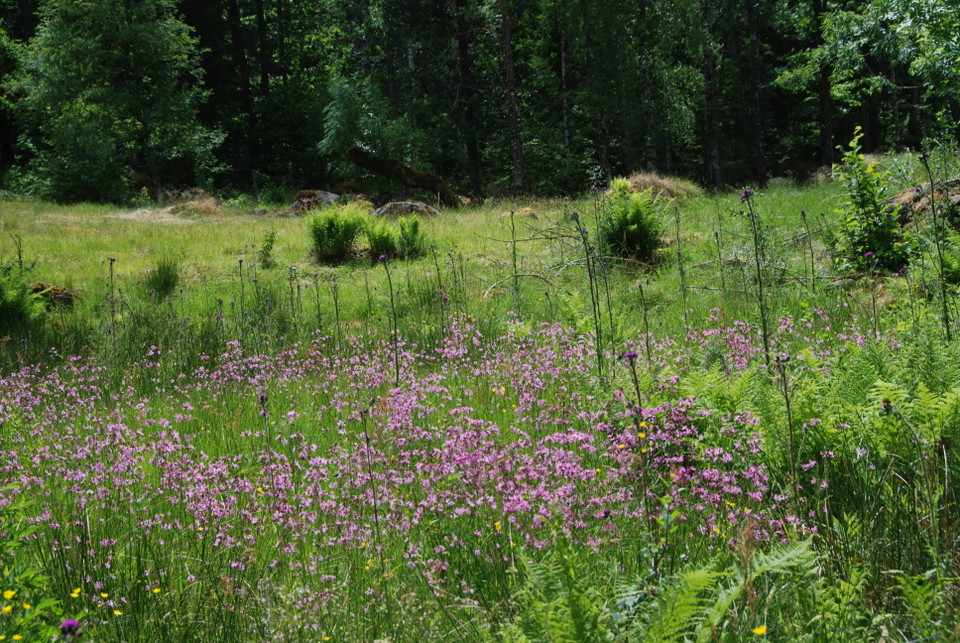
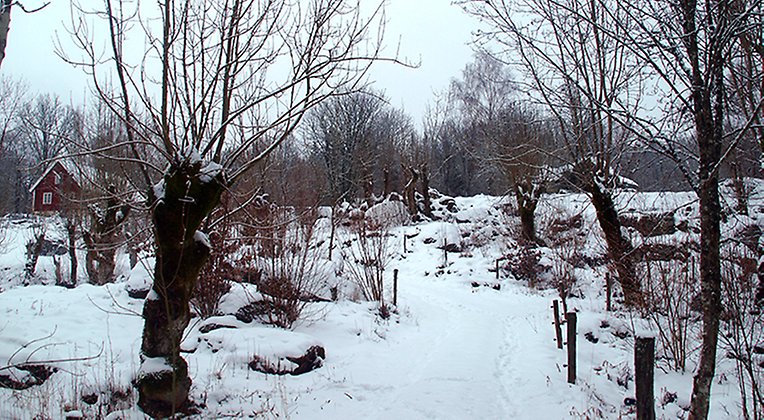
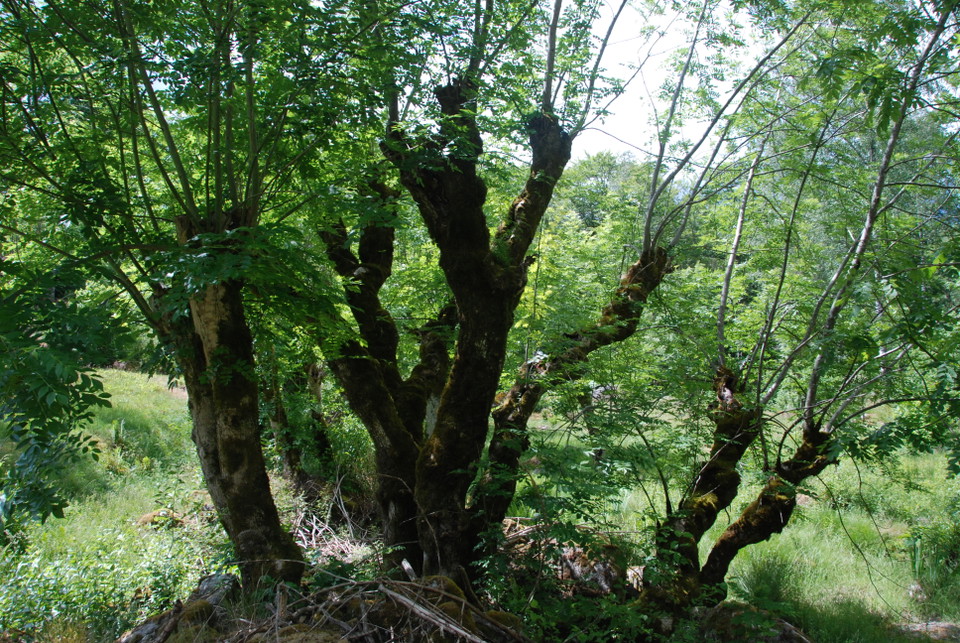
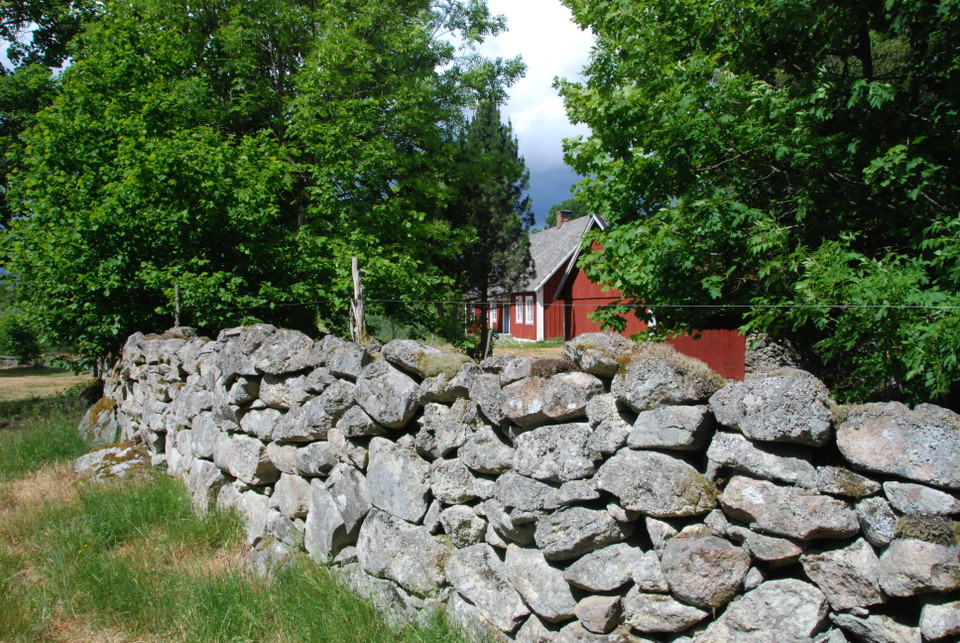
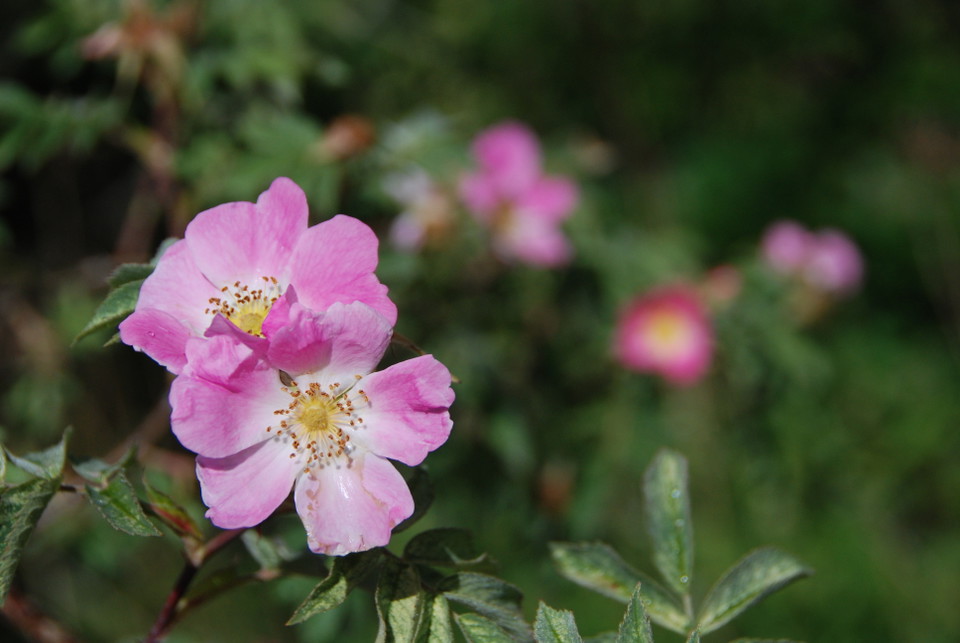
Mulatorp is an old lonely farm in Blekinge's woodlands, on the border with Skåne. There are cultivated meadows and pastures, surrounded by oak and beech forests and natural spruce and pine forests. The species richness is very high.
The farm was traditionally farmed until the 1980s and still has an old-fashioned character. A well-preserved lane leads east from the farm. This is where the animals used to be led to graze on the outfields. The farmhouse and associated outbuildings are not part of the nature reserve. Remember to show consideration for the residents of the farm when visiting the nature reserve.
Adjacent to the farm there is a small area that is managed through traditional broadleaf meadow mowing, while most of the open and tree-bearing grasslands are otherwise grazed. There are also a large number of pollarded trees, mainly ash, but also linden and maple, on the old in-farm fields. Pollarding provided leafy fodder, which used to be an important supplement to hay in winter. Pollarded trees are usually much older than non-pollarded trees, and the old, rough trunks are home to a variety of mosses and lichens. In the south and south-east, the open and tree-bearing grasslands border on beech and oak forests.
On the meadows and in the adjacent broadleaf forests you can find species such as elm lichen, barnacle lichen, lung lichen, beech spring lichen, flower beard lichen, rust spot, rock fennel, trap moss, golden curl moss, giant comb moss, grooved nail moss, summer viburnum, cowslip, pig's root, St. Peter's keys and the butterflies meadow metalwing and lesser martin.
Mulatorp's outlying areas are dominated by natural spruce and pine forests, which have been managed in the traditional way by clear felling. Until the mid-20th century, forest grazing was also practiced on the outfields. From the farm, the cattle were led via the lane out into the surrounding woodlands. The land is hilly and towards Lake Mulasjön in the southwest there are steep sections. In the northeast, the area borders Hejsjön. If you are lucky, you may see capercaillie in the forests.
In the nature reserve there are many structures from older times of farming, such as stone walls, cairns and house foundations. There are also remains from other activities that complemented agriculture, such as a charcoal pit with the remains of a charcoal kiln, a charcoal hut, tar pits and a flax bast. The flax bast was used to dry flax for flax processing.
Down by Grytån you can also find the remains of a water-powered mill and saw. A plague burial site from 1710 is located in a small grove just south of the farm. It bears witness to the plague of that time.
Year of protection: 2004, extension in 2007 and 2024
Municipality: Olofström
Characteristics: Ancient cultural landscape, meadows and pastures, deciduous forest, coniferous forest
Area: Total of 80.0 hectares, of which 69.6 hectares are land and 10.3 hectares water
Landowner: Private
Manager: Blekinge County Administrative Board
Type of protection: Nature reserve and Natura 2000
The Mulatorp nature reserve is inaccessible, next to the border with Skåne between Mulasjön and Hejsjön. Drive Lönsbodavägen (road 15) from Vilshult north towards Lönsboda. At Skälmershult, about four kilometers north of Vilshult, turn right towards Ulvshult. Drive about two kilometers to Ulvshult and turn right onto Ringvägen (Sveaskogsigned gravel road). Drive another two kilometers and then turn right onto Mulasjövägen. Follow the small gravel road for one kilometer and you will arrive at the nature reserve and its parking lot.The nearest bus stop is Skälmershult, about six kilometers from the nature reserve.
You are welcome to visit Mulatorp, but please note that it is not allowed to
Without permission from the county administrative board, you may not
Länsstyrelsen Blekinge
Still et spørsmål til andre brukere av Naturkartan.
0 anmeldelser
Ingen brukerbilder ennå. Bli den første til å dele!