
-
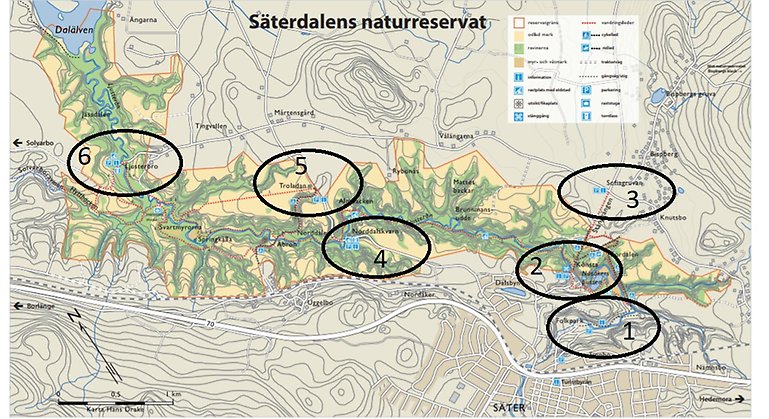
Karta över Säterdalen där de sex olika entréerna är markerade. -
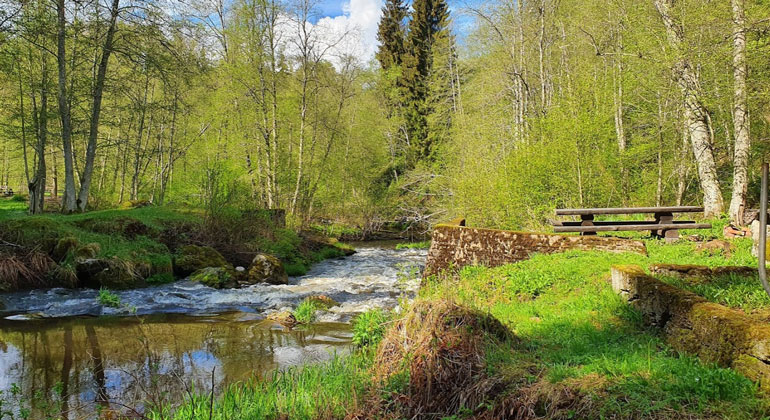
Kvarnruin på väg mot Almbacken -
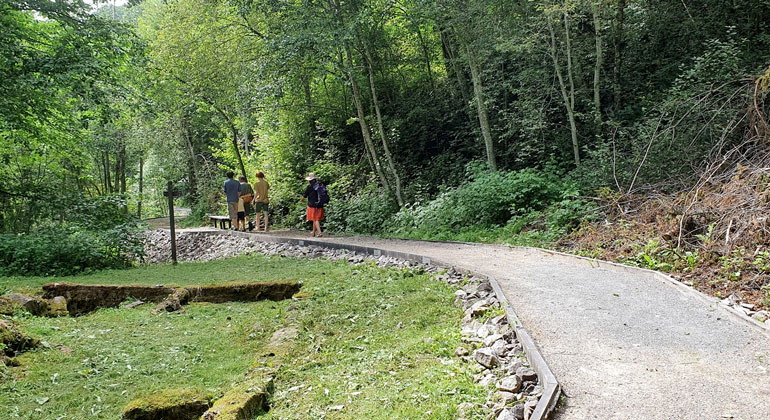
Grusad led ut mot Almbacken -
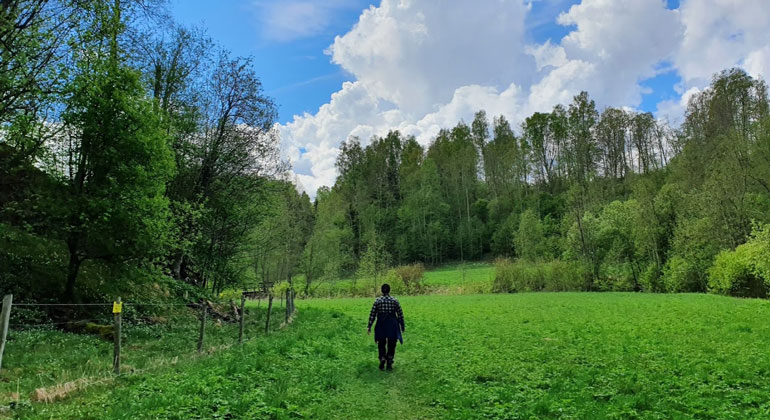
Frodiga ängar vid Åbron -
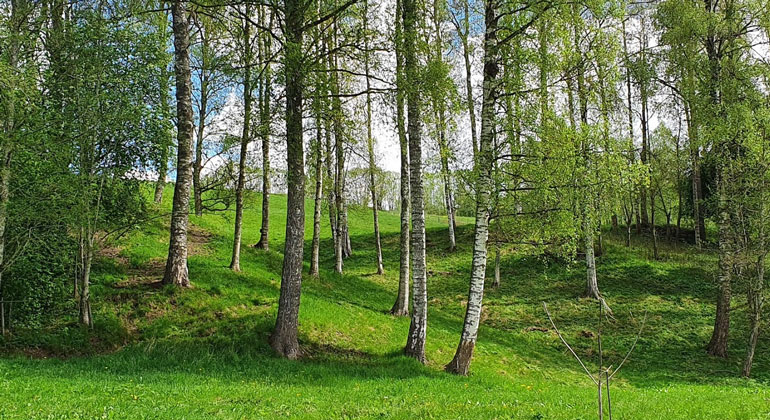
Beteshage vid Åbron -
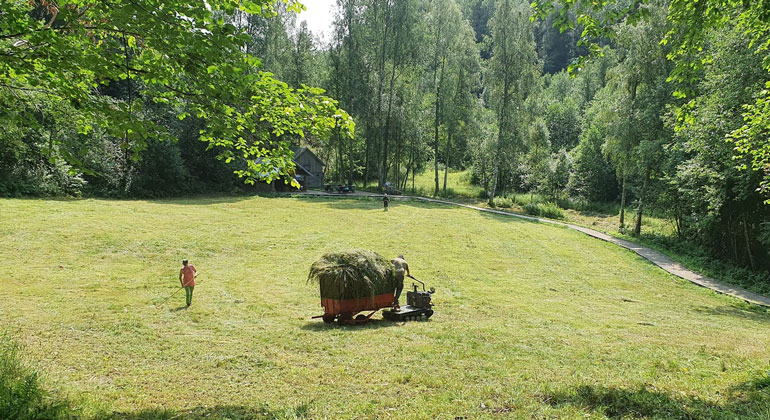
Slåtter 2021 vid Almbacken -
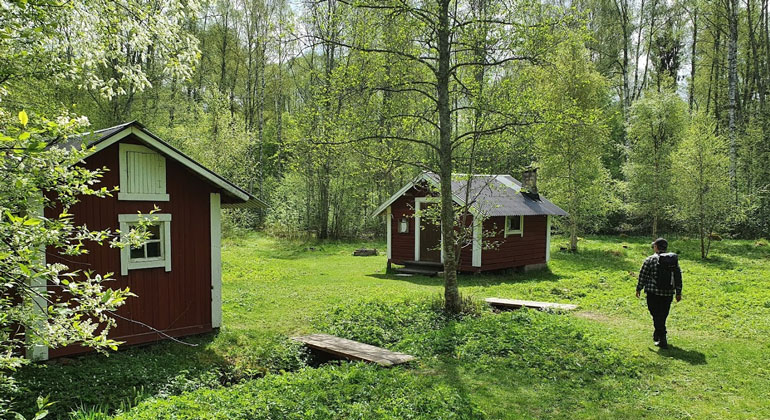
Franssons stugor -
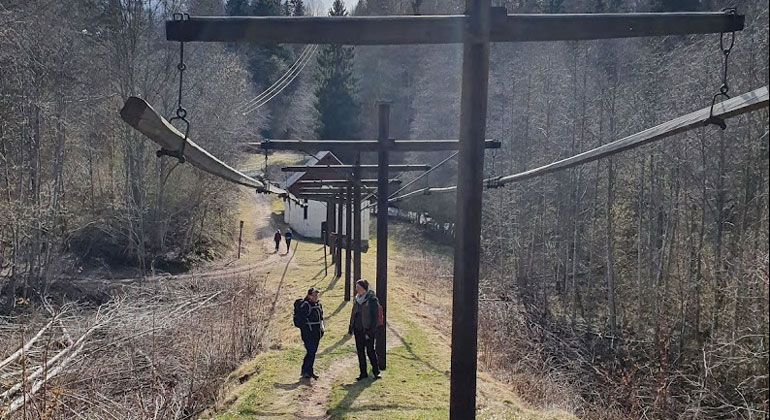
Den rekonstruerade stånggången vid Konsta -
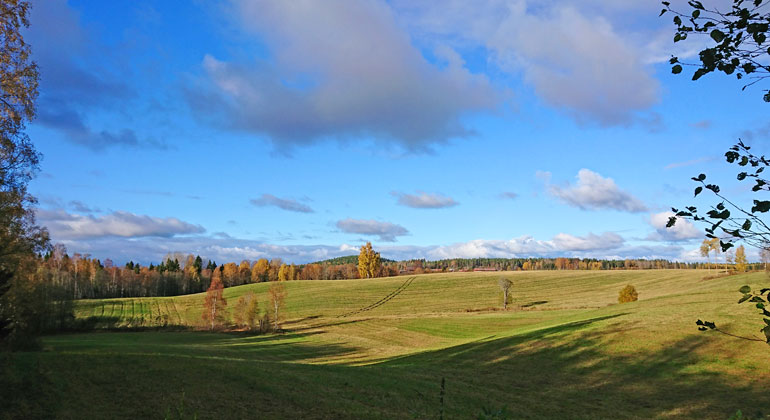
Längs leden från Sofiagruvan -
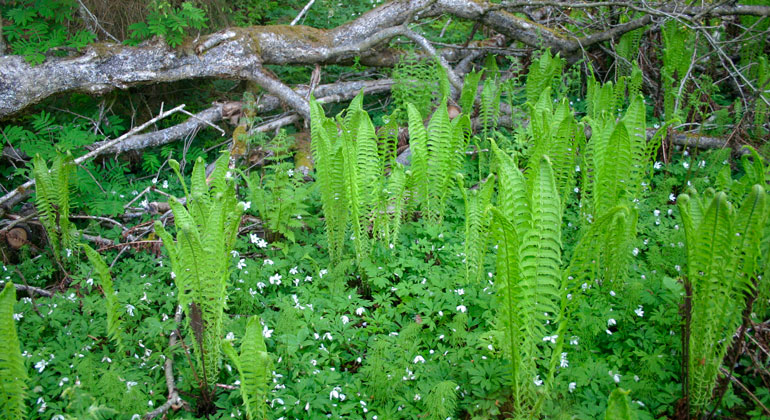
Strutbräken -
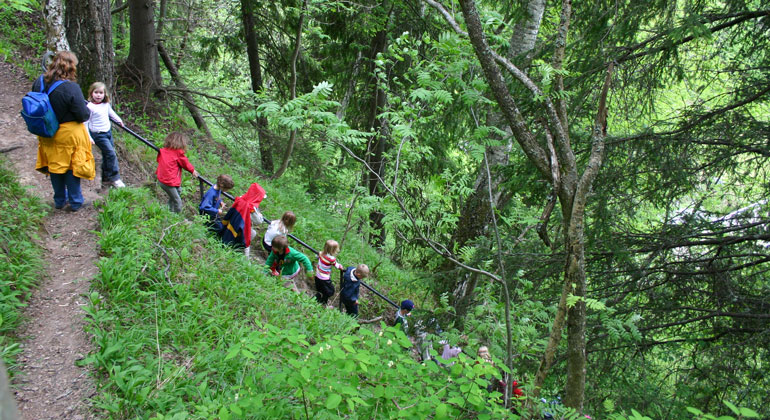
-
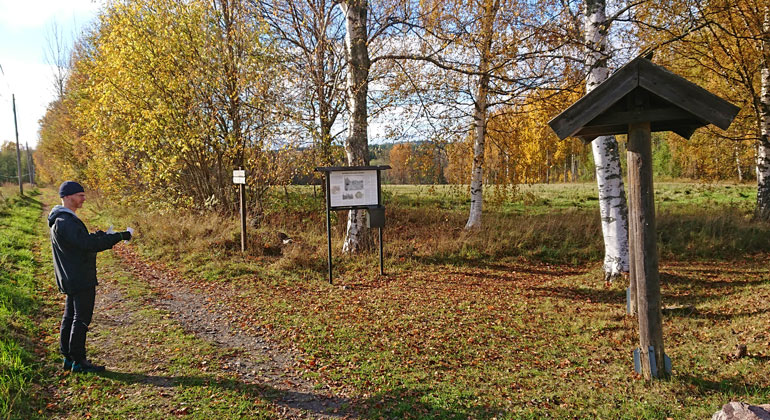
Entré Sofiagruvan -
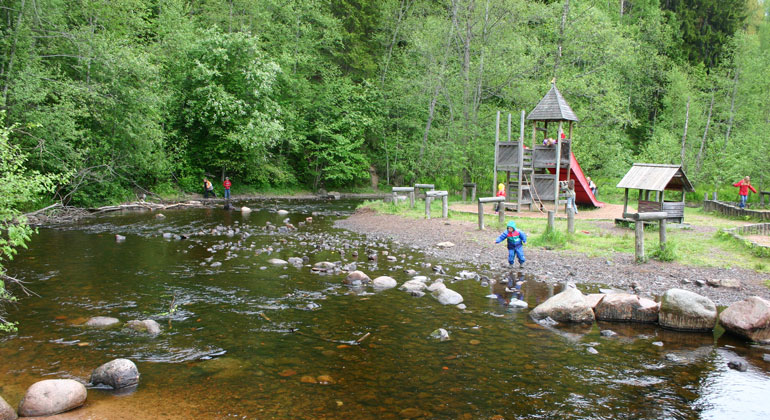
Lekplatsen nere i dalen vid folkparken -
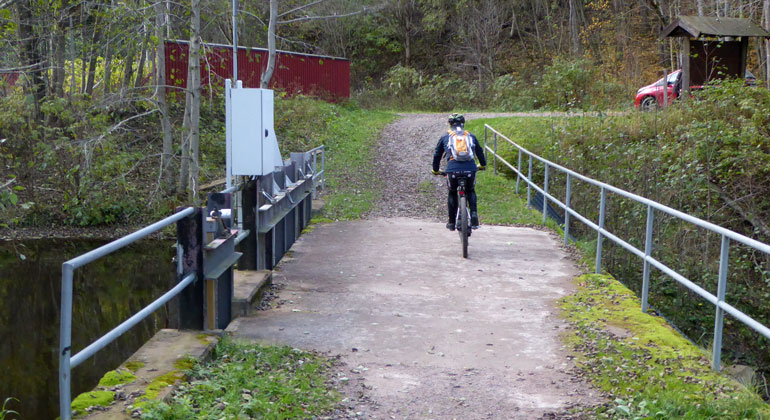
Entré vid Konstgången/Reningsverket -
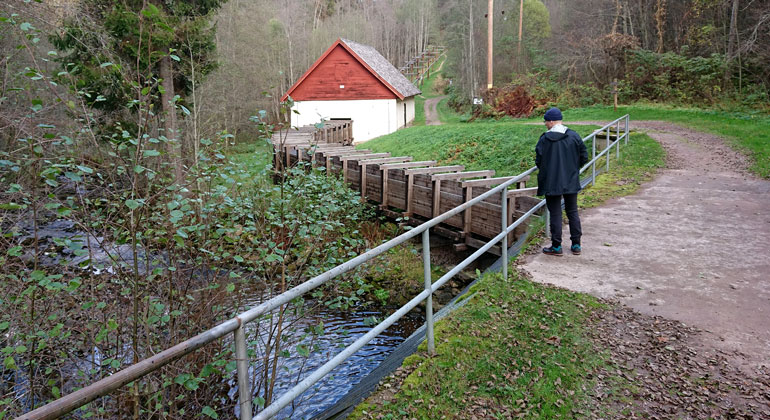
Bron över Ljusterån vid stånggången -
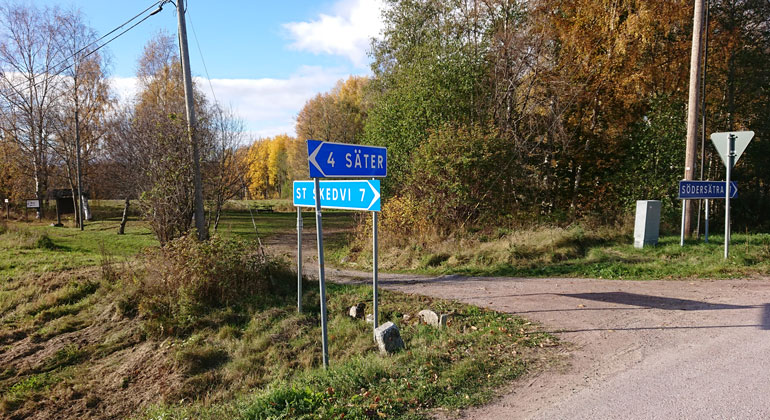
Entrén vid Sofiagruvan -
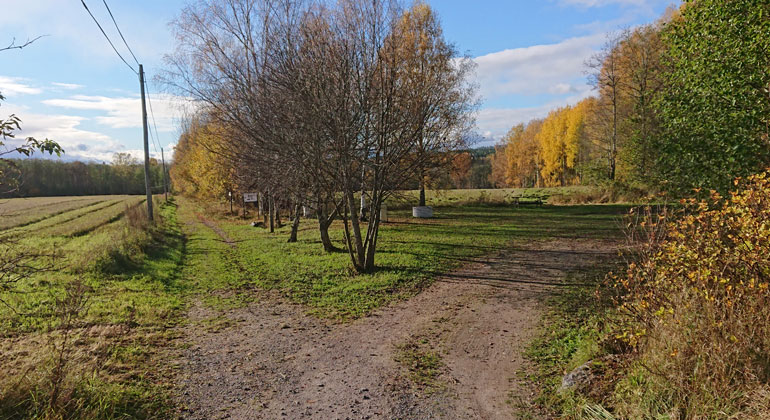
Parkering och rastplats vid Sofiagruvan -
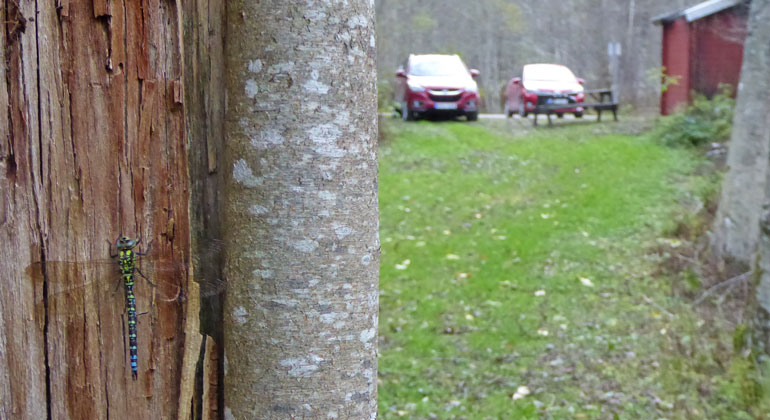
Entré Norddalen -
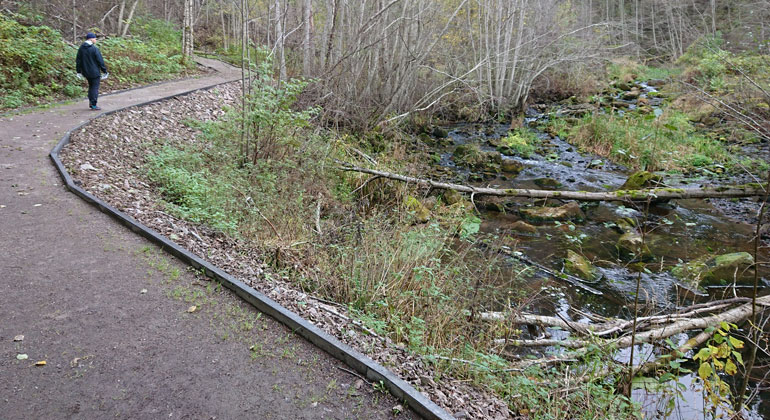
Norddalens tillgänglighetsanpassade gångväg -
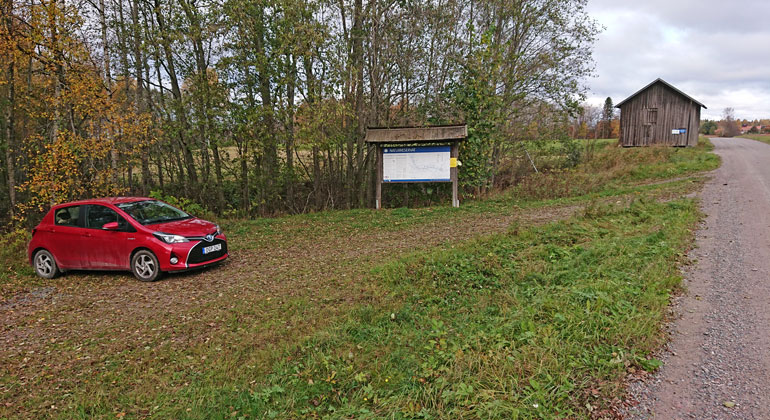
Parkering och information vid Troladan -
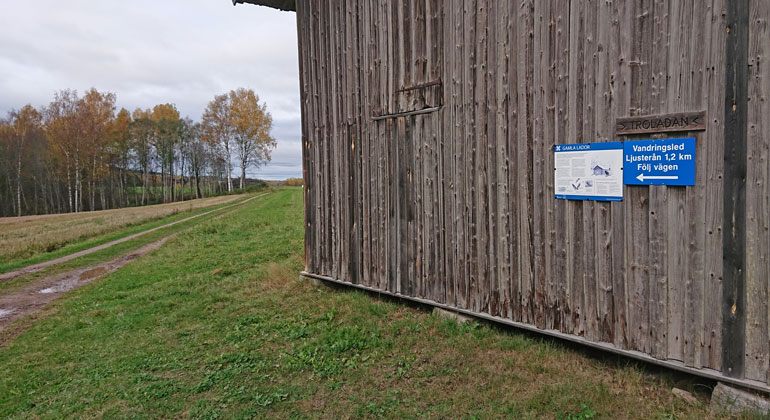
Troladan med information -
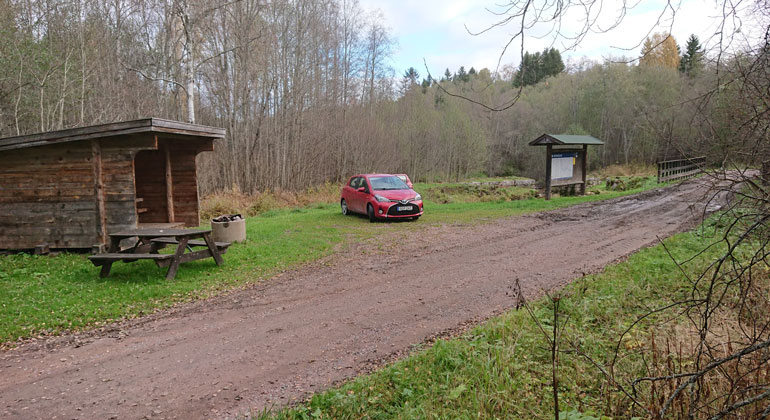
Ljusterbro med rastplats -
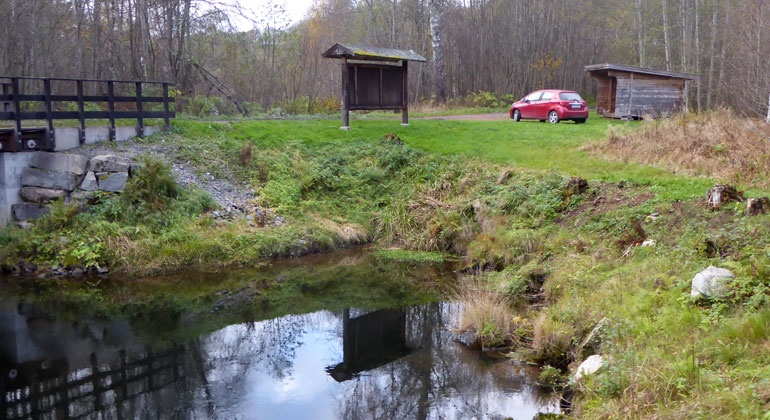
Ljusterbro -
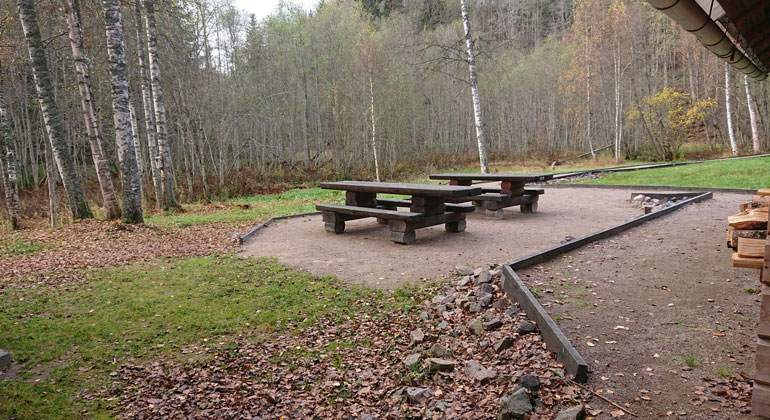
Två bänkbord vid Almbacken -
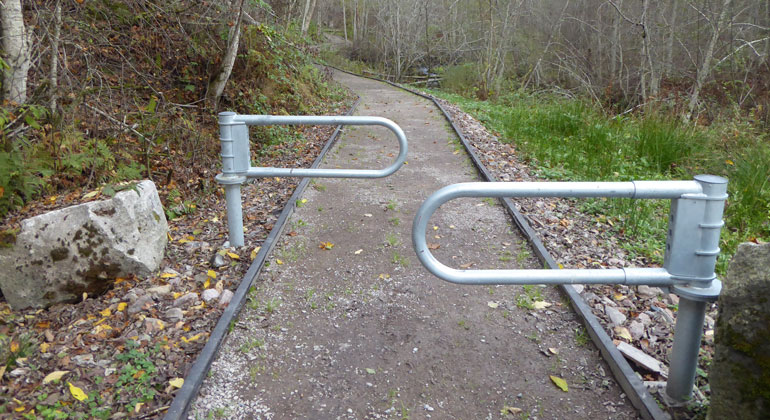
Gångvägen vid starten vid parkeringen -
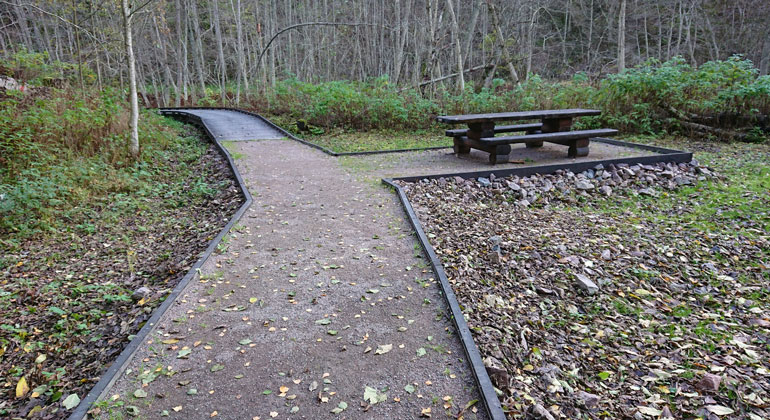
Enkelt rastbord vid första rastplatsen, cirka 200 meter in i dalen. -
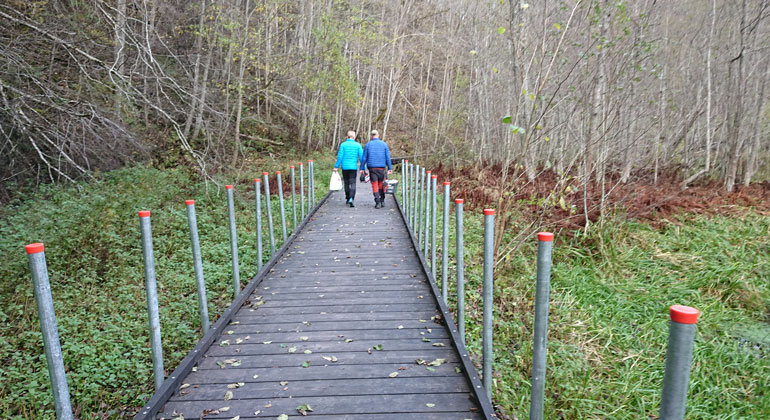
Gångvägen mot Almbacken -
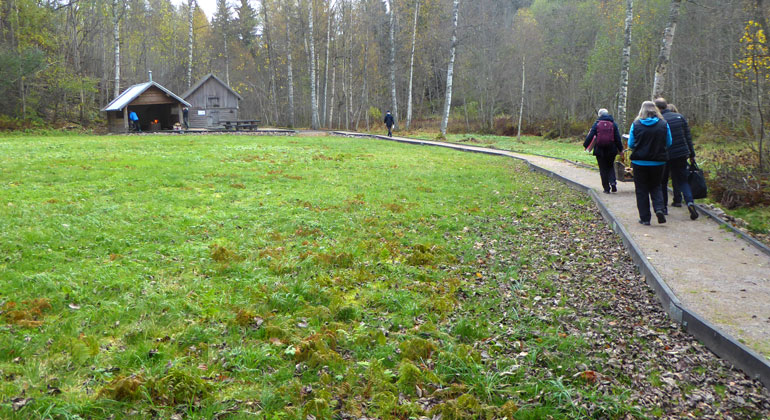
Grillhuset vid Almbacken -
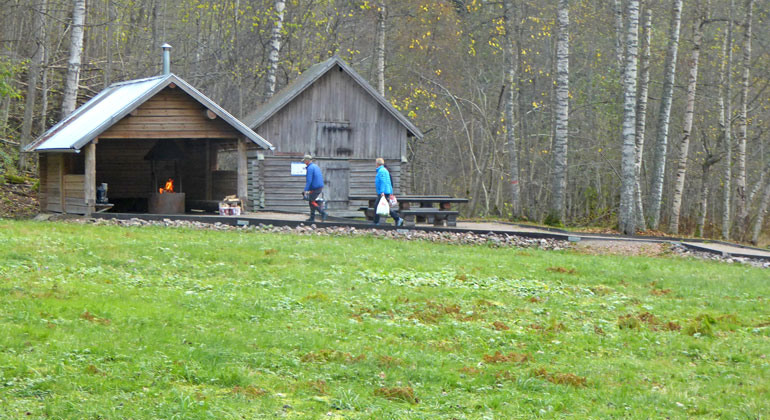
Grillhuset vid Almbacken -
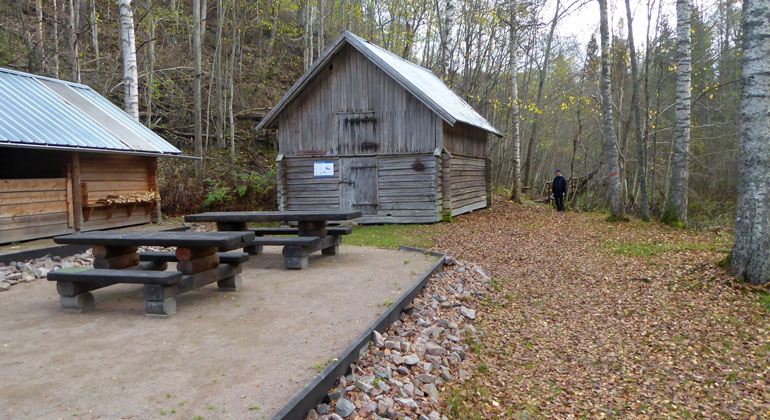
Två bänkbord vid Almbacken -
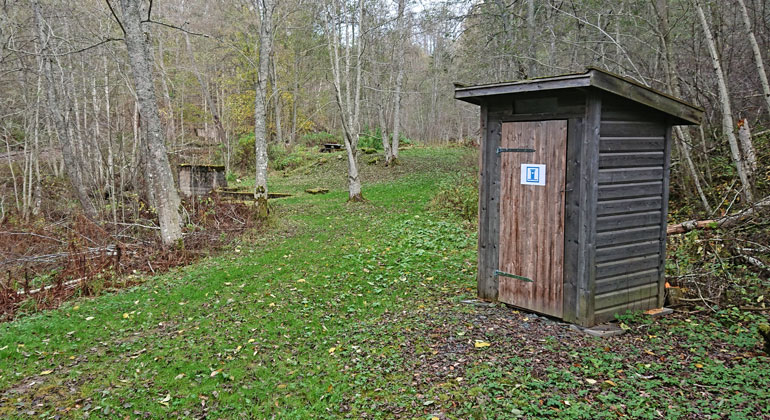
Enkelt utedass vid parkeringen -
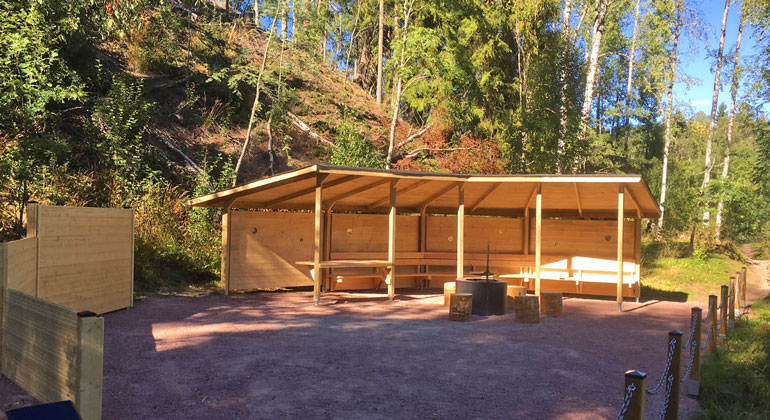
Prins Gabriels rastplats, tillgänglighetsanpassad -
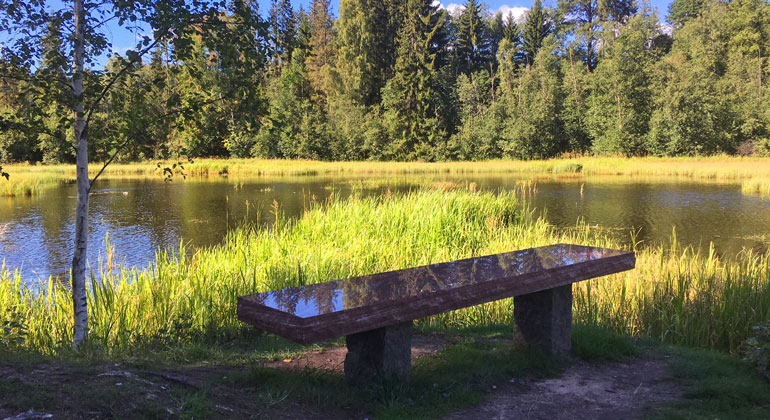
Stenbänk vid Kärleksudden
Säterdalen, Naturreservat
- Luonnonsuojelualue
- Kunta: Dalarnas län
Toiminnot
Tällä hetkellä
30 huhtikuu 2026 - ripustettu yhteinen, kävele sen sijaan kautta Åbron
Franssonin mökkien ja Ugglebon välinen johto on suljettu, sillä sekä sauvat että portaat ovat huonossa kunnossa ja siksi vaarallista kävellä. Kävele sillan läpi.
Väliaikaisesti keskeytyneet sisäänkäynnit
Tie North Valleyn ja Troladanin sisäänkäynnin sisäänkäyntiin on väliaikaisesti suljettu. Odotamme voivamme avata tien toukokuun puolivälissä ja päivittää tietoa täällä verkkosivuilla.
Kuvaus
Säterdalen is a varied landscape with steep ravines and rolling forested hills. The Ljusterån River winds its way along the bottom of the ravine. A hiking trail runs through the valley along the banks of the Ljusterån. Here you’ll find unique and stunningly beautiful nature, as well as a royal resting place! Mill ruins on the way to Almbacken
What can you do here?
Hiking Trails
In Säterdalen, there are several lovely hiking trails that largely follow the banks of the Ljusterån River. But keep in mind that hiking here is subject to nature’s conditions. Erosion is a constant process, which means that trail conditions can vary from year to year. But that also makes every visit just as exciting. Here are some suggested hikes:
- From Folkparken to Kônsta, continuing along Stånggången and via Sördalen back to Folkparken. A moderately long walk that takes you around Näsåkerspussen—home to Kärleksudden—and back over the ridge. 2.4 km.
- Folkparken–Norddalen–Ljusterbron. A hiking trail down in the ravine along the Ljusterån River through the entire Säterdalen valley. The round-trip walk takes about five hours at a leisurely pace. The trail can be difficult to navigate in places. It’s always a good idea to bring a packed lunch. 6 km one way.
- Troladan–Springkällan–Åbron–Troladan. A shorter loop, partly on a tractor road. Hilly terrain in places. 2.5 km.
- Ljusterbro–Springkällan–Åbron and onward along the trail on the other side of the river back to Ljusterbro. Here, the trail passes Pumphuset, Svartmyrorna, and Fransson’s cabins, which are a pleasant spot for a coffee break. Between Svartmyrorna and Ljusterbron, a trail continues into the Solvarboravinen ravine. 4.5 km.
Fransson’s Cabins
Fransson’s cabins are located in the northern part of Säterdalen. These simple cabins offer a place to rest and seek shelter from the rain. Next to the cabins, there’s a grill and a picnic table, and one of the outbuildings has a simple outhouse. The easiest way to get here is via Ljusterbro in the northern part of the area, but you can of course also hike up here from Norddalen, for example.
Bring Your Own Firewood
If you’d like to use our barbecue area, please remember to bring your own firewood. It is not permitted to collect firewood from the forest.
More About Säterdalen on Visit Dalarna
What makes this place unique?
Säterdalen is one of the country’s finest examples of a living ravine landscape. Along the sides of the ravine grows a jungle-like deciduous forest with high biological value and a great diversity of species.
Lush Deciduous Forests
Viewed from above, the vegetation in Säterdalen’s ravine system appears as a winding green ribbon against the surrounding flat landscape. The lushness down in the ravine is due to a combination of a favorable climate, nutrient-rich deciduous forest litter, and fine-grained soils. Here you can experience the same rich, lush vegetation as in a southern European hardwood forest.
The gray alder forest has a short rotation period. This results in an abundance of dead wood, which is absolutely crucial for the survival of many plants and animals. The wood is used as food, a place to grow, a habitat, and shelter. Several species are also dependent on dead deciduous wood.
Species Diversity
The deciduous forest creates nutrient-rich soil, which in turn benefits the flora. Some of the typical grove plants found here include the yellow-green golden saxifrage, snakeberry, and spring corn. The spring corn is a fun plant that can entertain both children and adults. When you touch the ripe fruits, they burst open with a pop.
But it’s not just plants that thrive in this sheltered valley. There is also a great abundance of birds, insects, and fungi here. Several species of insects in Säterdalen are directly linked to the deciduous forest environment. Among many other things, the valley is home to a number of rare ground beetles as well as many unusual deciduous forest-associated butterflies. Spring vetch is the host plant for three butterfly species: the spring vetch moth, the yellow-backed field moth, and the net-veined park moth. Säterdalen is of national importance for these species, which have their largest range here.
The valley is also home to the rare bush mouse. It is recognizable by its long tail and a dark stripe along the center of its back. The bush mouse is active at dusk and at night. In winter, it crawls into hollow trees to hibernate.
The Living Ravine Shapes Its Surroundings
Säterdalen is one of Sweden’s best examples of a living ravine landscape. The ravines are constantly growing and evolving due to a variety of natural factors. After the last ice age, large quantities of fine-grained material were deposited in this area. Through these deposits, the Ljusterån and Hyttbäcken streams have since carved their way through, digging ever deeper.
When the streams reached below the groundwater level, erosion increased rapidly. Today, we can see the result of several thousand years of water activity. The farmland adjacent to the ravines is slowly being swallowed up by the expanding valley. Säterdalen has about 35 side ravines, and at its deepest points, the river has cut 50 meters below the surrounding terrain.
Säter Valley in the Past
Once characterized by vast fields and meadows used for haymaking and grazing, the valley has become overgrown over the past 100 years. The Ljusterån River has long been harnessed for hydroelectric power. Several smithies and mills have been located here in the valley. Among other things, Sweden’s first copper mint was located in the Säter Valley. Remnants of dams and foundations still remain, even from all the water mills that were once in operation.
The Spring
The spring located at Svartmyrorna is an artesian spring. The groundwater beneath the surface is under pressure here, separated from the overlying soil by a dense layer of earth. A hole has formed in the soil layer at the spring, and the water bubbles up from the ground under its own pressure. The spring used to be the water source for Uggelbo. Consequently, there are remnants of the water source, and a pipe has been driven into the ground to reach the confined groundwater. This is how the spring came to be. Feel free to taste the water—it’s safe to drink.
Accessible to More People in Säterdalen—text and image
Folkpark Entrance
During the summer, there are parking spaces for people with disabilities down by the restaurant. From there, take the road under the Säterdalsportalen all the way down into the valley to Folkparken. This way, you’ll avoid the hill.
Norddalen–Almbacken
Start at the entrance at Norddalen. The trail between Norddalen and Almbacken is accessible. You can navigate this area in a wheelchair, with a stroller, or even if you are visually impaired. At Almbacken, there’s a barbecue shelter with a fire pit and covered tables and benches.
There’s an accessible outhouse by the parking lot. See the slideshow below for photos of the facility.
Prince Gabriel’s Rest Area
Start at the entrance by Folkparken. Follow the walking path toward the mountain pasture, and follow the signs to Prince Gabriel’s Rest Area. You can barbecue at the rest area. The entire walking path from the folk park to the rest area is accessible, as is the rest area itself. Photos of the facility are available in the slideshow below.
Two bench tables at Almbacken, with an extended short end for those who need it.
Entrances/Accessibility in Säterdalen – Text and Images
You can enter the area from six different directions. The entrances at Folkparken and Norddalen (1 and 4) are our top priorities and the places where you’re most likely to find firewood at the rest areas, among other amenities. There are also accessible trails here that are suitable for wheelchairs and strollers.
Entrances to the Säterdalen Nature Reserve
1. Folkparken – Main Entrance
2. Wastewater Treatment Plant/Kônsta
3. Sofiagruvan
4. Norddalen-Almbacken
5. Troladan
6. Ljusterbro
Entrance at Konstgången/Wastewater Treatment Plant
Photos on this page: Maria Jons, Andreas Gällerspång, Stefan Hamréus, and Leif Helldal, Dalarna County Administrative Board.
Toimintaa ja tilat
- Luonnonsuojelualue
Faktat
Bildades: 2001Storlek: 541 haKommun: SäterFörvaltare: LänsstyrelsenNatura 2000: Ingår i EU-s nätverk av skyddad natur. Om Natura 2000
Reittiohjeet
Alue on aivan Säterin yhteiskunnan vieressä.
Asetukset
Varauksessa ei saa
- vahingot kasvavat tai kuolleet, (seisovat tai kaatuneet), puut ja pensaat, kaivaa kasveja, kerätä sammakoita, jäkälät tai puusieniä.
- pyörällä tai ratsastaa muualla kuin nivelissä merkitty pyöräily ja ratsastus. Lisäksi se saa ajaa myös North Valleyn, Åbronin ja Lläsbronin alueen ylittävillä teillä.
[Olet osa asetuksia, päätöksiä ja hoitosuunnitelmaa kokonaisuudessaan Ruotsin ympäristönsuojeluviraston (Stected Nature Link) kautta toiselle verkkosivulle.] (https://protectednature.naturevardsverket.se/sknat/nvrid=.
Napsauta Nature Reserven nimeä ja valitse Dokumentaatio.
Yhteystiedot
Osoite
Sähköpostiosoite
Organisaation logotyyppi

Huomaa, että osa näistä teksteistä on käännetty automaattisesti.
Olen ollut täällä 14


Haluan mennä tänne 14



Kysymykset & vastaukset (Q&A)
Esitä kysymys muille Naturkartan-käyttäjille.
Arvostelut
1 arvostelu
- 5 :
- 4 :
- 3 :
- 2 :
- 1 :
Käyttäjien kuvat
Käyttäjien kuvia ei ole vielä. Ole ensimmäinen, joka jakaa kuvan!

Vandrade idag från Ljusterbro till folkparken. Inga problem att komma fram, det var ordentligt röjt och alla broar i gott skick.