
Åkerby Soldattorp
- Seværdighed
- Amt: Kronobergs län
- 6850.38 km fra dig
Handlinger
Beskrivelse
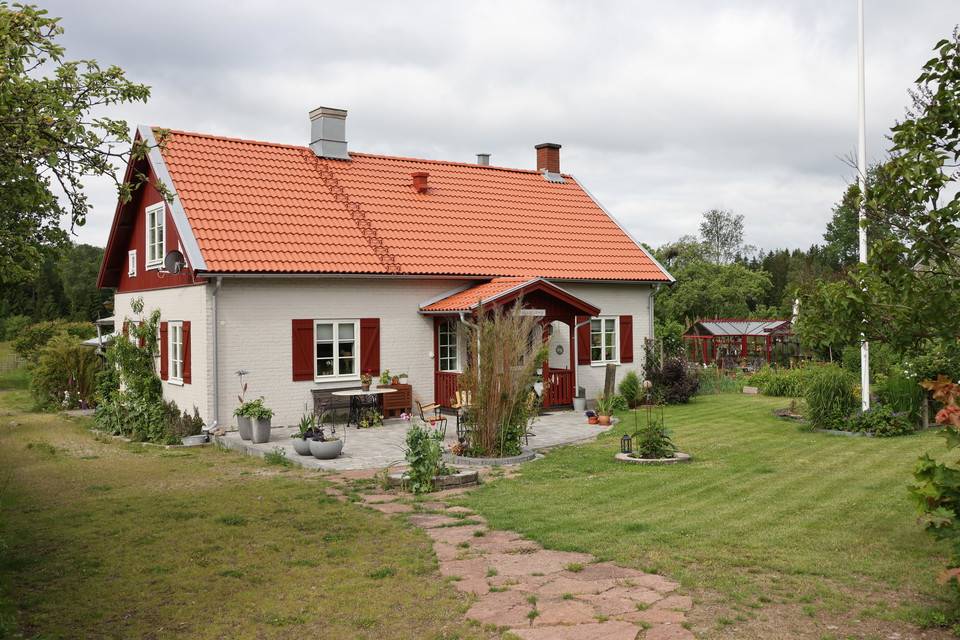
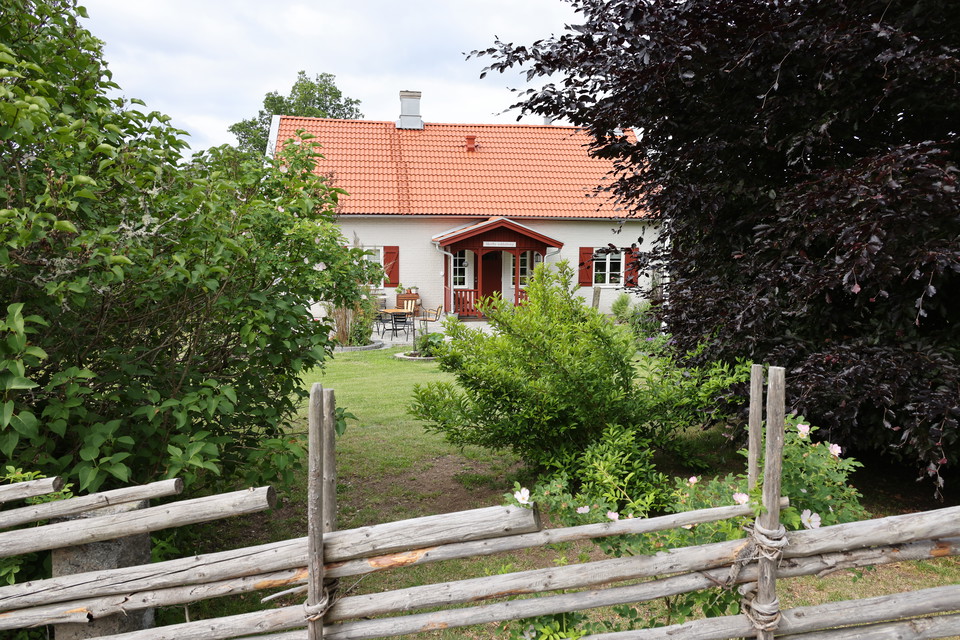
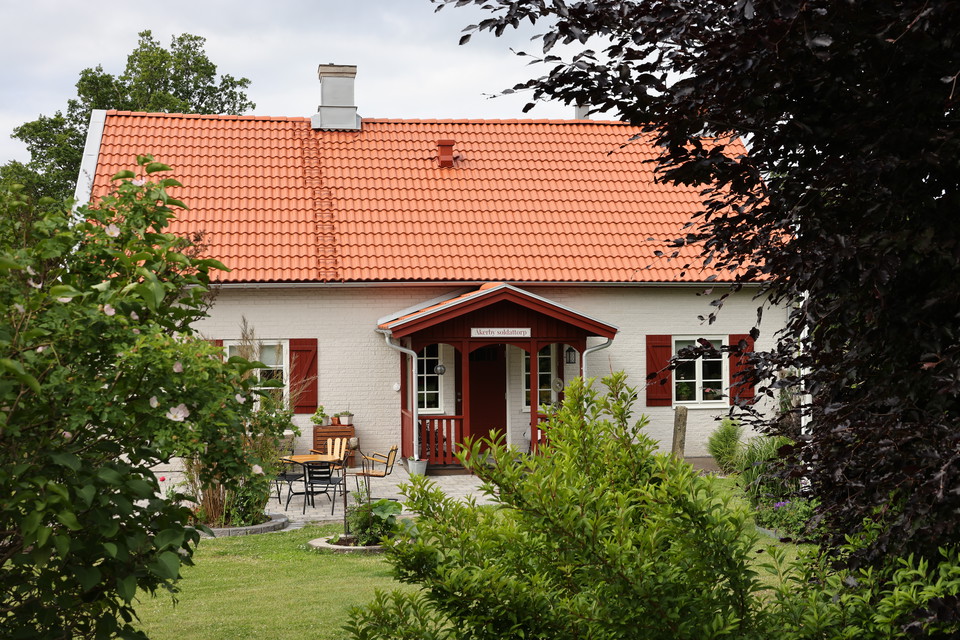
The small house just north of Åkerby crossroads was built in 1932 on the same site where a soldier's cottage once stood in Åkerby. Soldier cottages were also called "knekttorp" and served similarly in both Sweden and Finland from the 1600s until 1901, when the division of military conscription ended and compulsory military service was introduced.
The soldier cottages were funded by the "rote" (the two largest or more farms in a village), which was responsible for recruiting and supporting a soldier. During the 1830s, such a cottage was to be 8 x 5 meters and seven logs high (about 2 meters). The specifications were set by the army to ensure that all cottages were the same size, thus standardizing living space across different parts of the country. Soldiers moved in and out of the cottages around Midfast (the fourth Sunday in Lent) around March 15–20 or on Our Lady's Day, March 25. An inspection of the property was also conducted at that time to ensure the building was in good condition. Additionally, classic cottage inspections were carried out every three years, regardless of whether the soldier was newly moved in or had lived there for a long time. As long as the soldier was in service, he could live in the cottage rent-free, but if he left his position, he had to move out. Many women and children could therefore find themselves without housing if their husbands suddenly died due to war or other duties. According to the law, the rote was obligated to appoint a new soldier within three months of the soldier's death. Although the rote paid for the funeral if the soldier died in service, the widow could not expect a new home or job.
Each cottage was associated with a small field, the area of which varied depending on the soil fertility. Additionally, the soldier had the right to a small meadow that would yield at least two loads of hay annually. The adjoining barn (which also had to be provided) would have space for 1–2 cows, a few sheep, goats, a pig, and some chickens. Soldiers rarely could afford their own horses or oxen but were entitled to borrow a horse from the rote farmer when needed. Moreover, the farmer was required to provide a certain amount of seed, firewood, and fodder for the animals.
Aktiviteter og faciliteter
- Seværdighed
Kontakt
E-mailadresse
Jenny Ramnér
Jeg har været her
Jeg vil gerne derhen
Spørgsmål og svar
Stil et spørgsmål til andre Naturkartan-brugere.
Anmeldelser
0 anmeldelser
- 5 :
- 4 :
- 3 :
- 2 :
- 1 :
Brugernes billeder
Der er endnu ingen brugerbilleder. Vær den første til at dele et!