
-
Zdjęcie: Länsstyrelsen Stockholm -
Zdjęcie: Länsstyrelsen Stockholm -
Zdjęcie: Länsstyrelsen Stockholm -
Zdjęcie: Länsstyrelsen Stockholm -
Zdjęcie: Länsstyrelsen Stockholm
Väddö prästgård
- Rezerwat przyrody
- Województwo: Stockholms län
Akcje
Opis
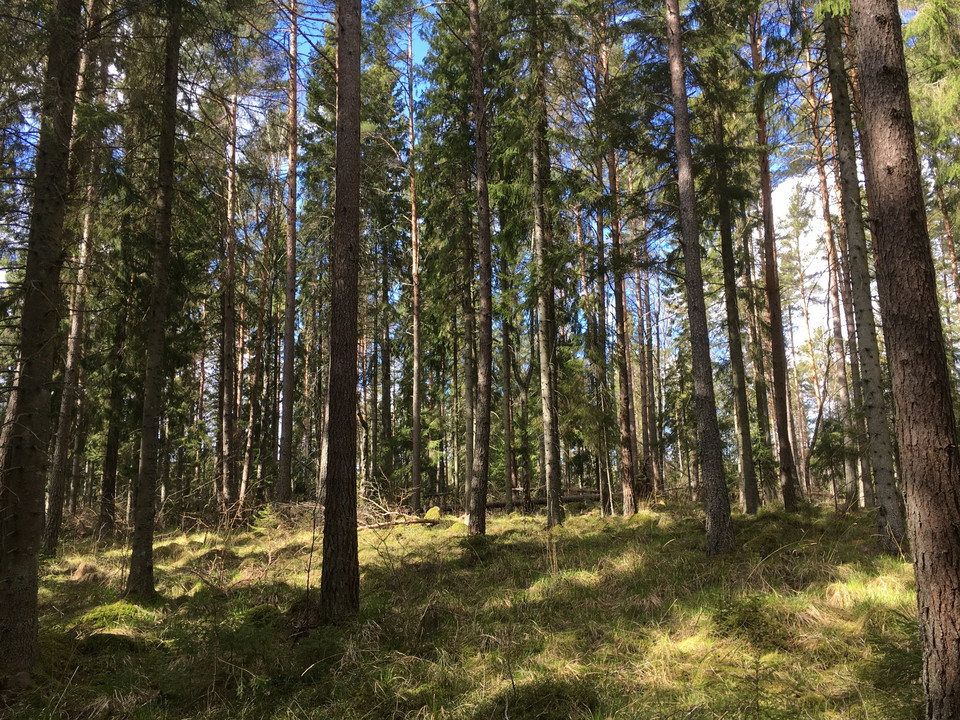
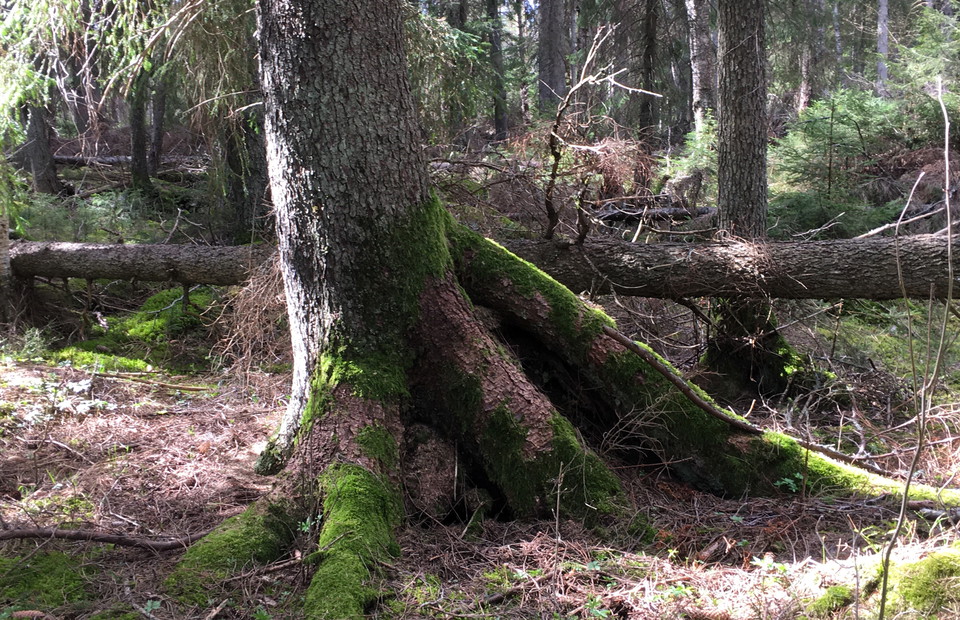
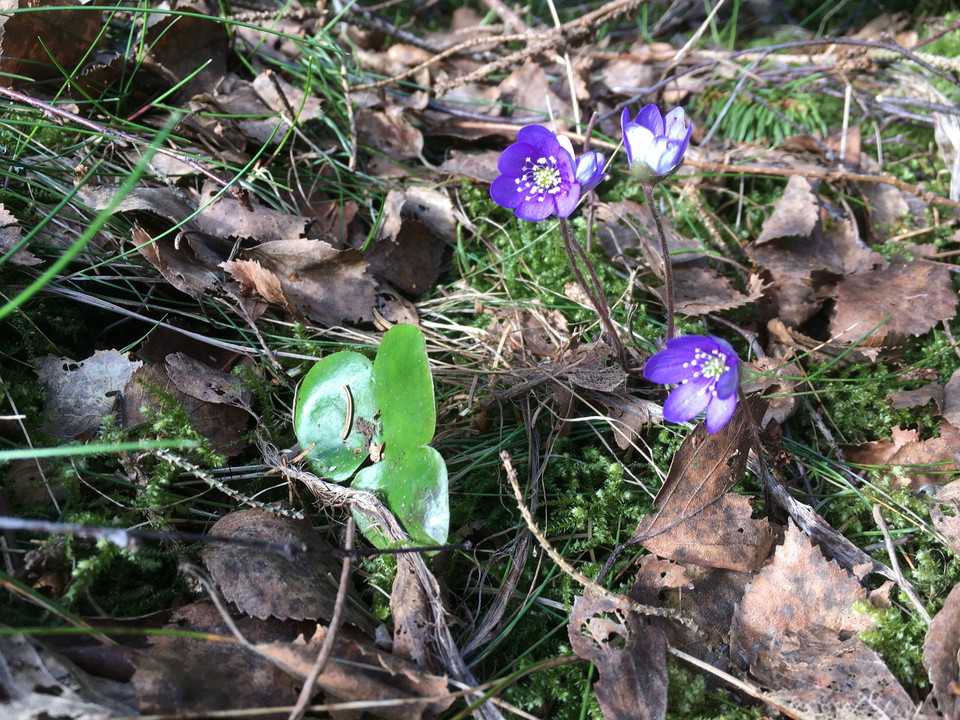
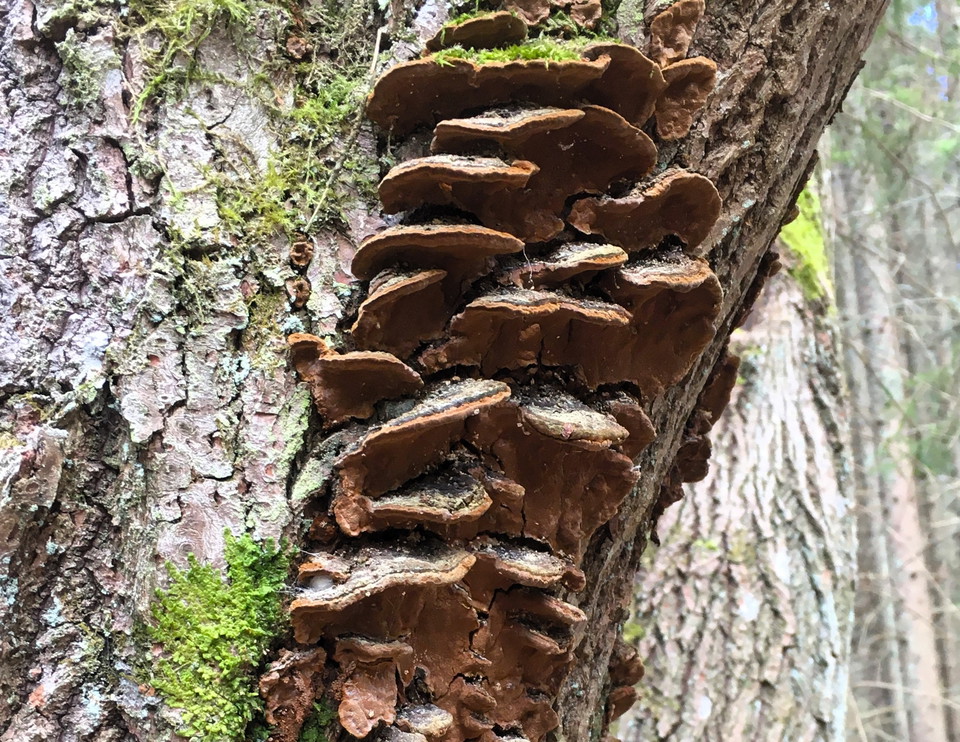
Mech, lasy i ekscytujące środowiska! W rezerwacie przyrody Väddö Priestry nie ma ścieżek ani innych urządzeń dla zwiedzających. Zamiast tego, możesz wędrować swobodnie i badać naturę samodzielnie. Obszar jest bogaty w martwe drewno i częściowo wilgotne. Oto ekscytujące gatunki jak mała zielona tarcza. Uważaj na zamurowane kłody i możesz zobaczyć ich małe, mieszające kapsułki.
Na wschodzie las się zmniejsza. Zamiast tego drzewa rosną jak brzoza i foka. Przypominam, że krajobraz jest bardziej otwarty. Oto pola i łąki wykorzystywane przez rolnika. Las został pobity przez zwierzęta z cmentarza.
W części rezerwatu przyrody ziemia jest bogata w wapno. To sprawia, że pęcherze i orchidee, takie jak leśny choprote i blady nastro (całkowicie bez chlorofilu!) kwitnie.
Działania i udogodnienia
- Rezerwat przyrody
Fakty
- Chroniony przez: * * 2021
- Chroniony przez: * * 2021
Rozmiar: * * 19,1 ha
- Character: * * Barrskog
- Character: * * Barrskog
- Gmina: * * gmina Norrtälje
- Gmina: * * gmina Norrtälje
- Mark Owners: * * Państwo
- Mark Owners: * * Państwo
- Administrator: * * County Administrative Board
- Administrator: * * County Administrative Board
- Formularz ochrony: * * Rezerwa przyrody
- Formularz ochrony: * * Rezerwa przyrody
Wskazówki dojazdu
Rezerwat znajduje się 2,5 km na północ od kościoła Väddö w gminie Norrtälje. Można dotrzeć do najprostszej rezerwacji samochodem z drogi 283, ale brakuje miejsca parkingowego. Najbliższy przystanek autobusowy znajduje się w kościele Väddö około 2,5 km od rezerwatu. W rezerwacie nie ma dziś oznakowanych i rozrywkowych szlaków.
[Search on SL - Storstockholm 's local traffic] (https: / / sl.se /)
Regulamin
Do ochrony Rezerwaty przyrody Väddö Priestry są zasadami, które musisz przestrzegać.
W rezerwie zabrania się
kopanie, hakowanie, wiercenie lub inne uszkodzenie gór, ziemi lub kamienia
2. pułapki lub uszkodzenia żywych lub martwych drzew lub krzewów
3) uszkodzenie roślinności poprzez wykopywanie roślin lub usuwanie mchów, porostów lub grzybów waniliowych
4. Namiot z kolejnością ponad dwa dni
Wykonać pojazdy silnikowe zarówno na śniegu pokryty ziemi i gołym gruncie.
Kontakt
Adres e-mail
Länsstyrelsen i Stockholm
Logotyp organizacji

Należy pamiętać, że niektóre z tych tekstów zostały przetłumaczone automatycznie.
Byłam tu
Chcę tu iść
Pytania i Odpowiedzi
Zadaj pytanie innym użytkownikom Naturkartan.
Opinie
0 reviews
- 5 :
- 4 :
- 3 :
- 2 :
- 1 :
Zdjęcia użytkowników
Nie ma jeszcze żadnych zdjęć użytkowników. Bądź pierwszym, który je udostępni!