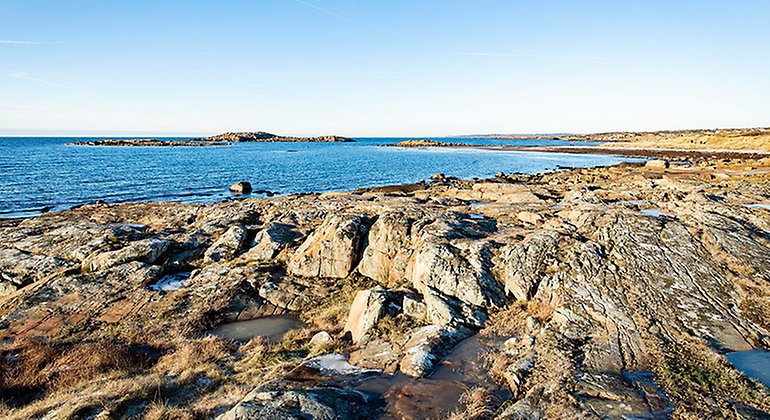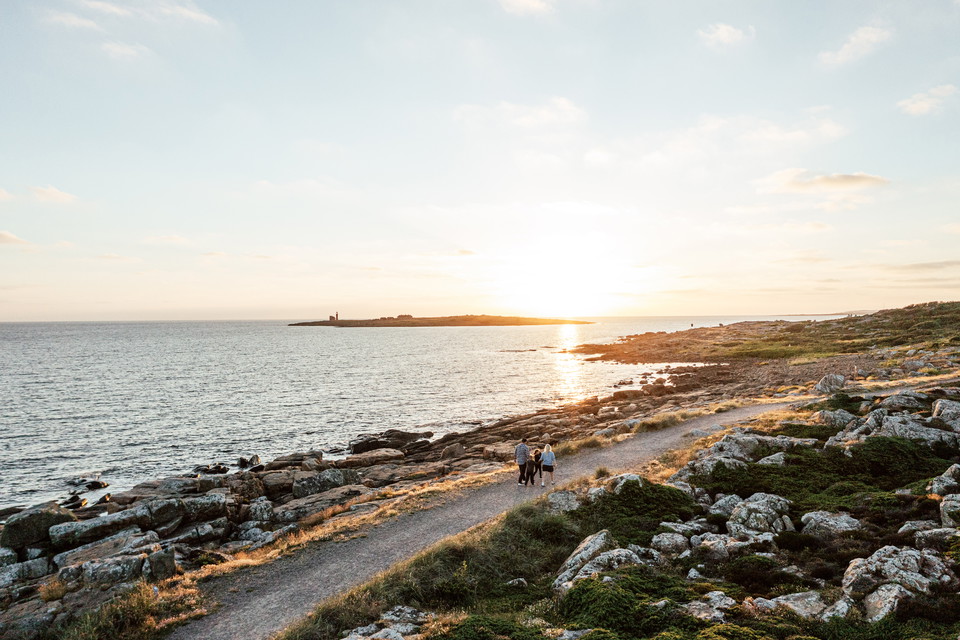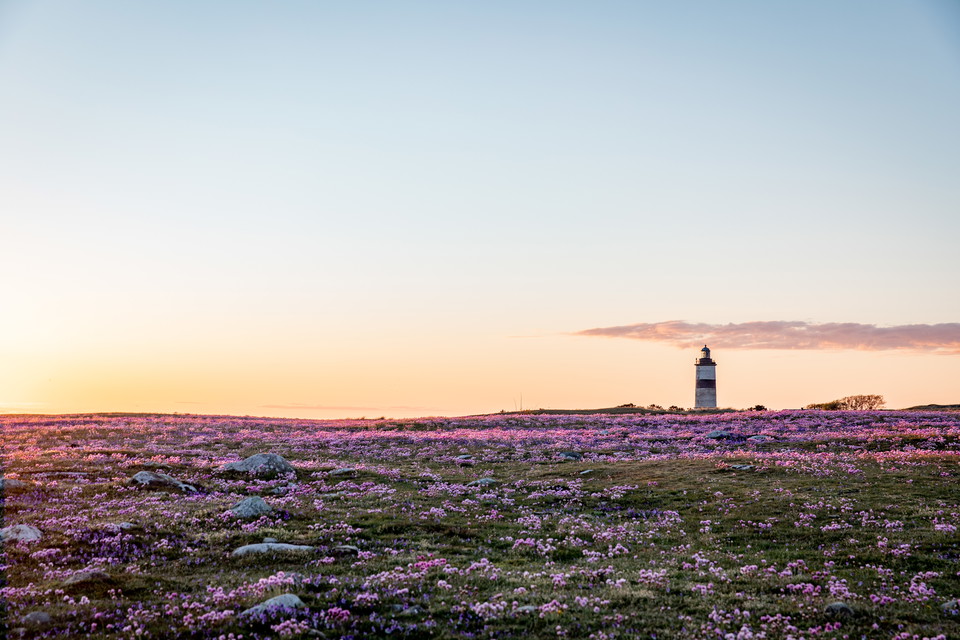
The coastal landscape in Stensjöstrand and Steninge is made for pleasant walks and explorations. The nature is barren yet magnificent and offers grazed beach meadows, heather moors, shingle fields, bathing beaches and bare cliffs with giant pots from the Ice Age. On a fine summer evening, take your picnic basket, sit on a rock and enjoy the stunning sunset.
The reserve consists of a stretch of coastline shared between Halmstad and Falkenberg and is a merger of the former Stensjöstrand and Steninge reserves. The landscape is flat and you can get around with a wheelchair and stroller along the gravel road in the northern part of the reserve.
Someone has said that the most beautiful sunset is found on the Steninge coast. If you study the work of local nature photographers, it seems to be true - they often have plenty of twilight motifs from here. Imagine a June evening, when the sea holly is blooming in pink carpets and the sun is slowly sinking into the sea - it's good to sit on a rock and let nature fulfill all your senses.
The area is characterized by quarrying
At the end of the last century, the area around Steninge was characterized by quarrying. Easily broken but durable vein gneiss was quarried for use as paving stones. The stone industry in the area had its heyday from 1890 until the First World War, when operations slowed down and eventually ceased. At its peak, quarrying employed hundreds of people.
For many centuries the area was used as grazing land where heather was burned off at regular intervals. At about the same time as the stone industry disappeared, heather burning ceased, which together with sparse grazing led to parts of the area beginning to grow back with juniper bushes and undergrowth. This continued for decades, but after the northern part of the area was set aside as a nature reserve in 1970, regular clearing and grazing have restored an open character. Today, mainly Icelandic horses graze in the northern part of the reserve and sheep in the southern part.
Reptiles and birds
With a little luck, you can see five of Sweden's six reptile species on the Steninge coast: hazel snake, viper, snakes, copper lizard and wood lizard. They are all protected throughout the country. Another rarity is the eye-catcher of late summer - the brilliant blue bell gentian that grows sparsely in the pasture. The unusual alcone blue butterfly is associated with this flower.
A few hundred meters out from the beach in the northern part of the reserve are a couple of rocky islands called Fågelholmarna. It is a bird sanctuary where seabirds such as eider, herring gull, black-headed gull and oystercatcher nest. During spring and summer, it's a pleasure to sit down for a while with a pair of binoculars and watch the activity on the islets. You soon realize that there are more birds than you can see with the naked eye. On each small rocky ledge there is a bird incubating its eggs.
Chirping from the forest
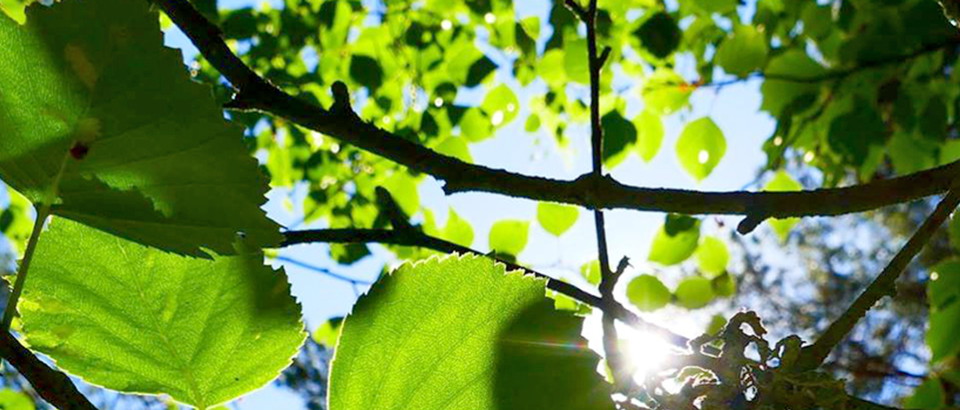
The nature reserve also includes a wooded area on the eastern side of the coastal road. It is a lush mixed deciduous forest with many flowering herbs. In the spring, the forest resounds with the songs of green warblers, chaffinches, robins, blackbirds and tree pipits. To the east, the reserve is bordered by a mighty sand dune, which is visible as a wooded, marked ridge. Dunes that have been covered with trees tend to retain their shape for a very long time, due to the roots binding the sand. Such dunes are called fossilized, unlike coastal open or herbaceous dunes which are in a constant process of reshaping.
Accommodation and cafés nearby
Toilet facilities are available at the northern parking lot of the reserve. Several cafés and restaurants are located in the nearby town of Steninge. There are also accommodation options here.
Accessibility
The landscape is flat and you can get around with a wheelchair and stroller along the gravel road in the northern part of the reserve. For example, if you park at the parking lot on Ejdervägen, you can follow the road that goes up to Stensjö Hamn, about 1 km. The road is gated but it is possible to walk alongside the barrier.