Veberöds ljung, Naturreservat
- Naturreservat
- Landsdel: Skåne län
Handlinger
Beskrivelse
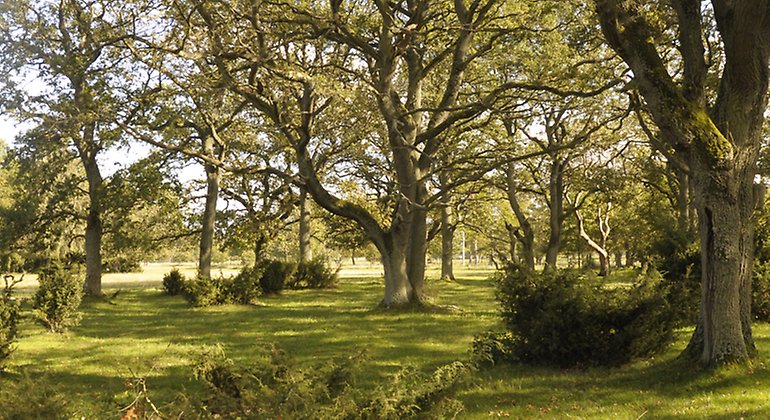
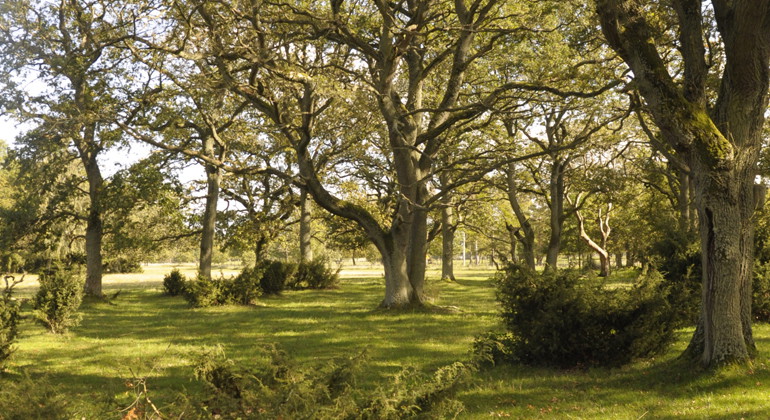
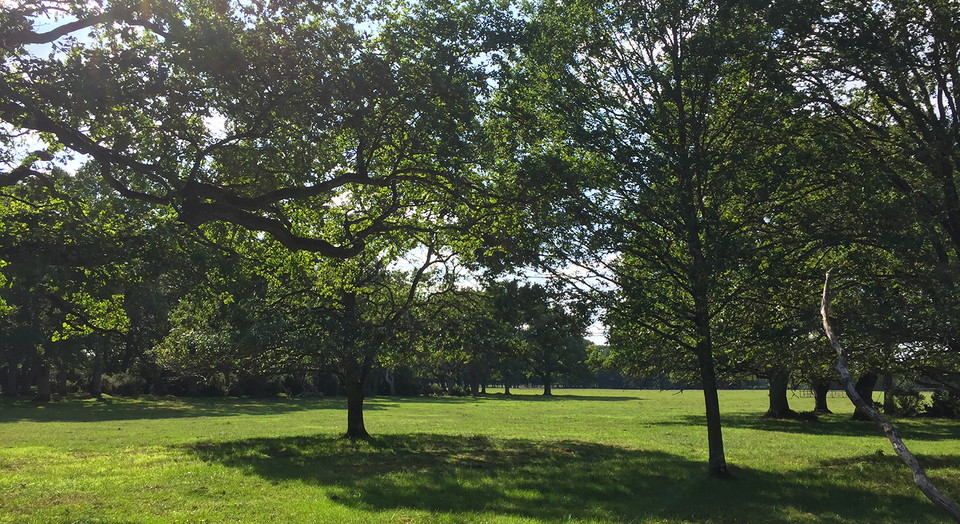
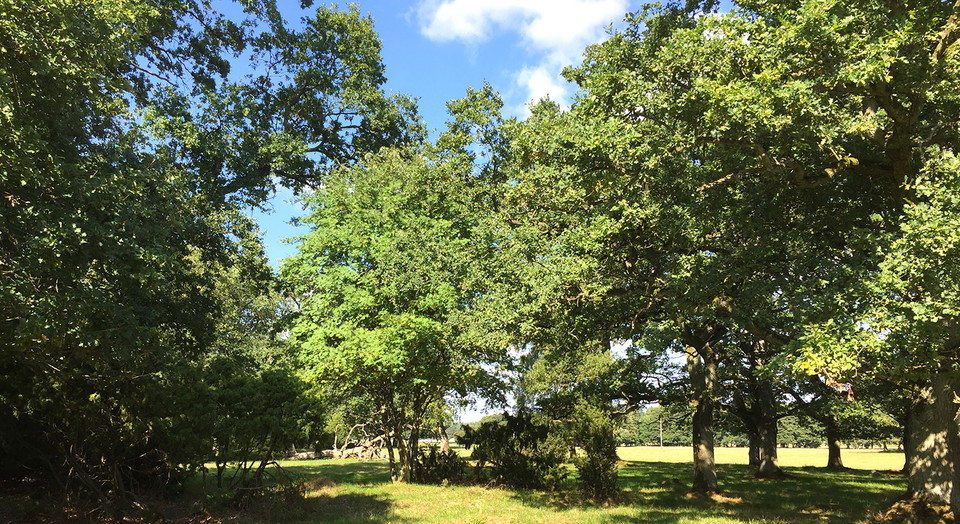
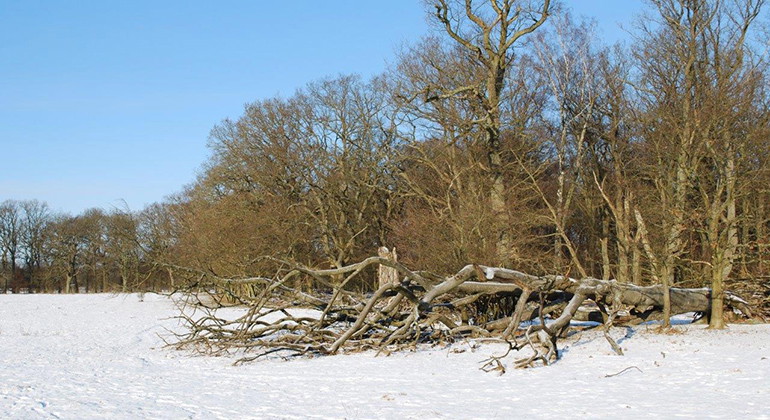
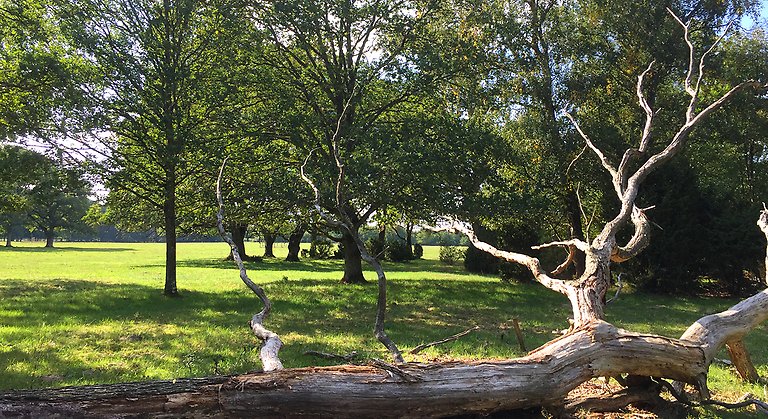
The old oaks on Veberöd's heath have watched over the landscape for hundreds of years. The parents of today's oaks stood here when Linnaeus visited in 1749. Today, some of the trees are over 200 years old - and full of life! Under the canopy, sandy pastures spread out, rich in plants and insects. Next to the Klingavälsån river and the stream to the west, there are wet meadows with an old seepage system. There are no marked trails in Veberöd's heath, but you can wander freely and enjoy these semi-open pastures.
Important old oaks
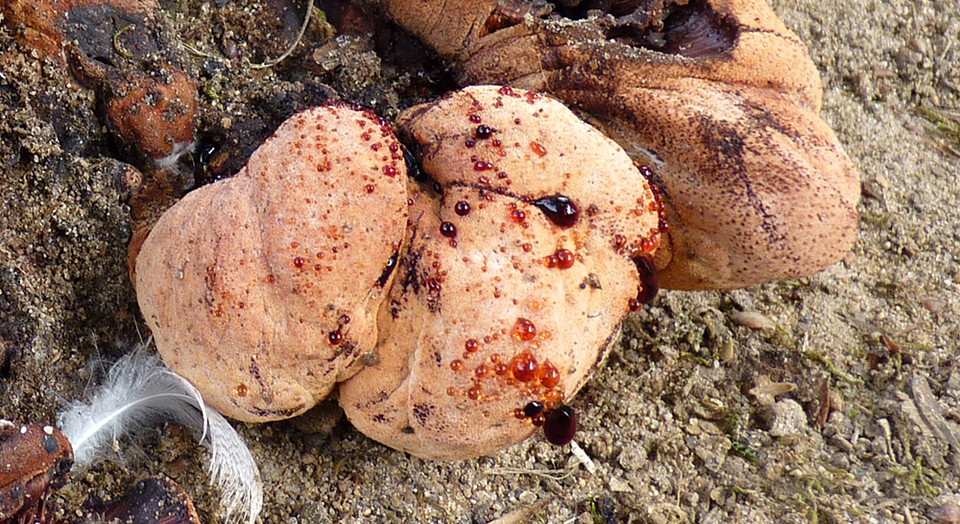
It has been calculated that as many as 1500 different species are more or less dependent on old oaks. The best habitat for oaks is when they are really old and gnarled and can be left open and sunny, as here in Veberöd's heath. Wood fungi, such as the oxtongue fungus, help to rot the dead wood of the oak and thus create a habitat for many different wood-living insects. Bats and birds can build their nests in the hollows of the trees.
Veberöd heather in the 18th century
When Linnaeus visited in 1749, the corn was waving under the crowns of the oaks. But the fields were poor and after two years of cultivation they lay fallow for 12 years! You can still find traces of this farming, in the form of the old field grasses clover and clubmoss.
Species-rich pastures
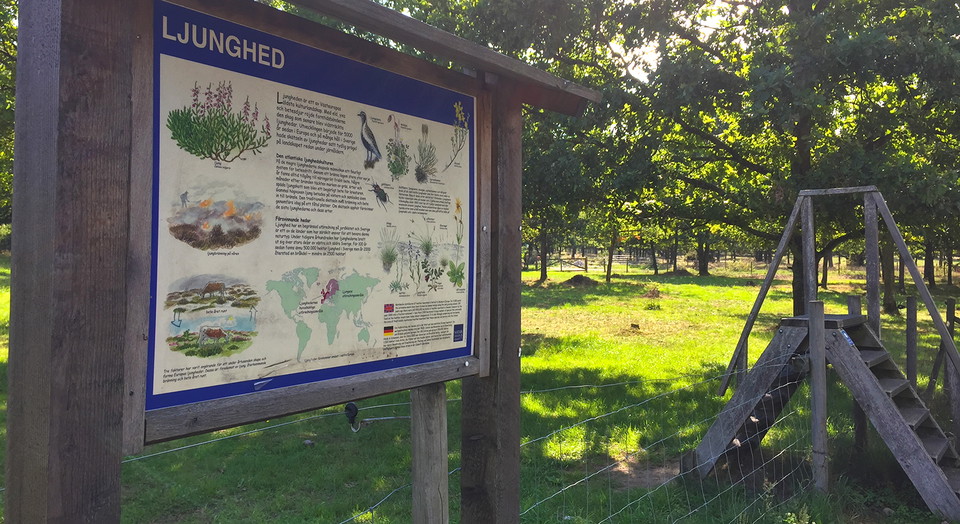
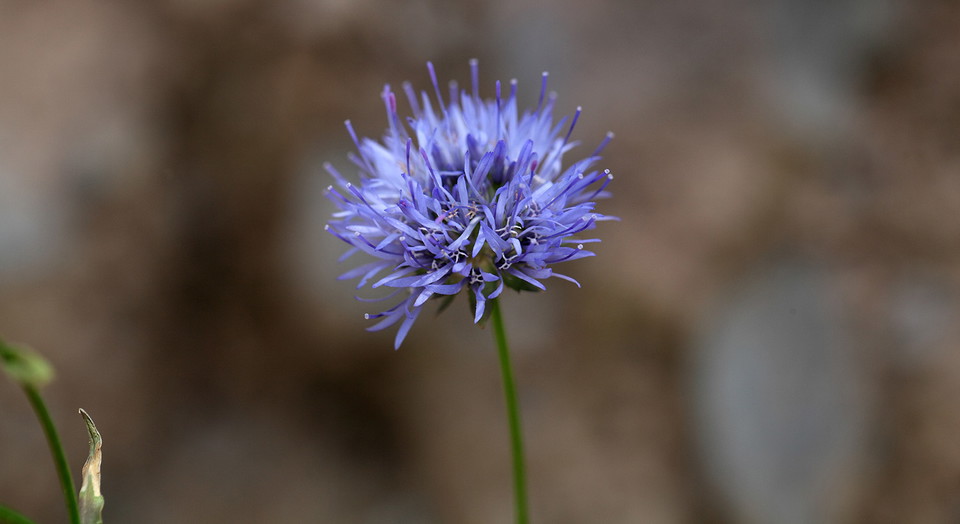
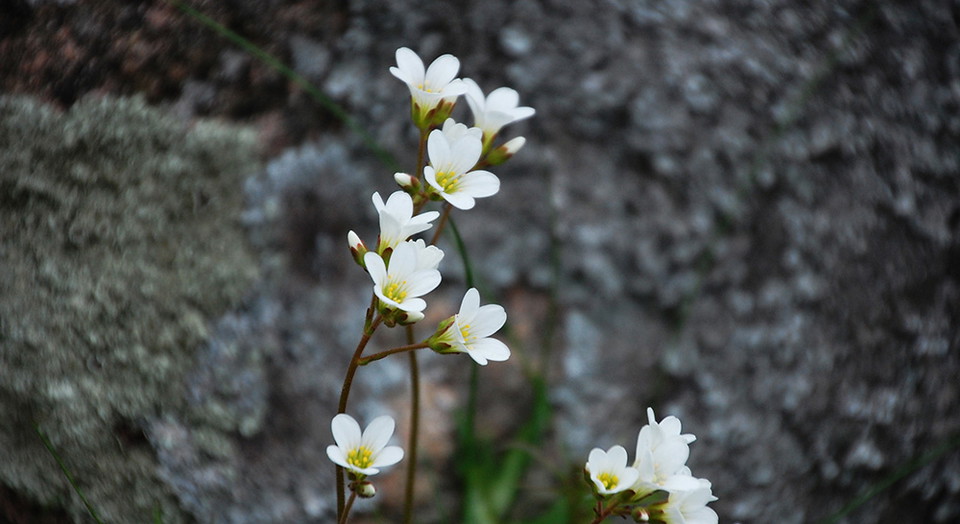
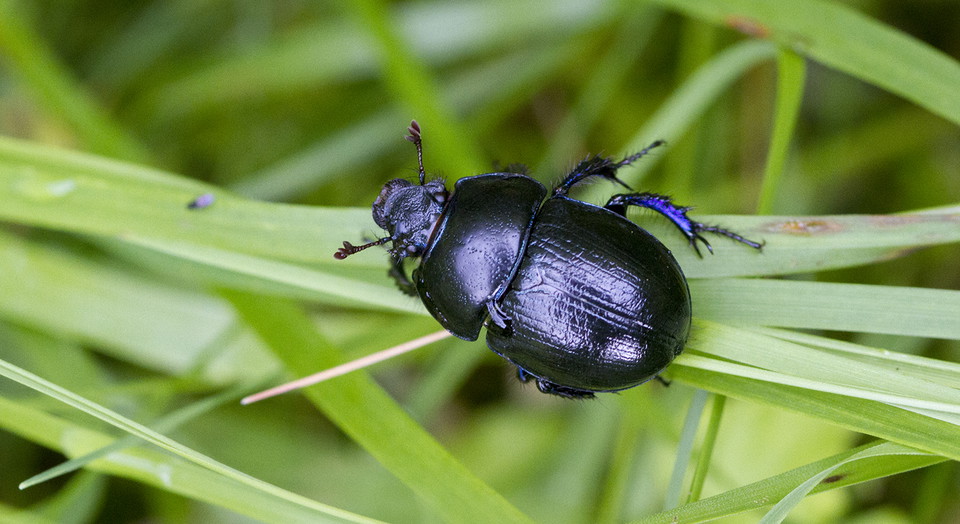
Today, the sandy soils are grazed and offer a rich flora and exciting insect life. In spring, wood anemone and almond blossom sprout. Towards summer, the delicate blue monk flower blooms, which is often visited by the small monk sun bee. Dung beetles, such as the hooked horned beetle, breed their larvae in the muck of the cows. So although the sandy soil is poor, it offers a wealth of plant and animal life.
Outdoor life
There are no marked trails, but there are small paths and it is possible to roam freely in Veberöd's heather-covered pastures. Avoid having dogs among grazing animals. There are rest areas adjacent to three of the reserve's parking lots. Remember to take your rubbish home. The nearest bus stop is Humlamaden, in the south-western part of the area. Veberöd's heath borders to the east on the larger reserve Klingavälsåns dalgång Link to another website.
In English
Welcome to Veberöds ljung Nature Reserve
The old oaks at Veberöds Ljung have watched over the landscape for hundreds of years. The forefathers of these oaks stood here when Linnaeus visited in 1749. Now the trees are more than 200 years old - and full of life!
It has been calculated that there are as many as 1500 different species that are more or less dependent on old oaks. The best homes are created when the oak is really old and gnarly, standing in an open sunny spot, such as here at Veberöds Ljung. Wood-living fungi, such as beefsteak fungus, help decay the dead wood in the oak and thus create habitats for wood-living insects. In the tree hollows, both bats and birds make their homes.
When Linnaeus visited in 1749, corn swayed under the crowns of the oaks. But the fields were poor in nutrients and after two years of cultivation, they needed to be left fallow for 12 years! It is still possible to see the signs from when the area was cultivated, in the form of the old arable weeds corncockle and lamb's succory.
The sandy areas are grazed today and have a rich flora and an interesting insect life. Pasqueflower and meadow saxifrage sprout up in the spring. Later in the summer, the delicate, sheep's bits scabious flowers are a favorite of the small bee Dufourea halictula. Dung beetles, such as Onthofagus fracticornis, raise their larvae in the cow pats. So despite the fact that the sandy soils are poor in nutrients, they still have a rich plant and animal life.
Regulations
Within Veberöds ljung Nature Reserve it is forbidden to:
- put up signs, posters, plaques, notices or any other equivalent items,
- crack, dig, bore, paint or in any other way damage stones, boulders, exposed bedrock or other geological formations,
- erect any kind of installation or put out any foreign (for the nature reserve) objects.
- use sound systems in a way that is disturbing,
- park up caravans, camper vans or equivalent,
- light a fire or use a disposable barbeque,
- park other than in designated car parks,
- bring dogs or other pets not on a lead,
- intentionally disturb or damage wildlife or their habitats, such as by chopping or moving decaying wood,
- break branches, fell or in any other way damage living or dead, standing or fallen, trees and bushes.
Without permission from the County Administrative Board it is also
forbidden to:
- catch insects, spiders, snails or any other invertebrates other than with nets, by hand or other selective methods, with the subsequent re-release within the nature reserve. This requirement does not apply to one-off specimens; on the condition that the species is recorded in the Artportalen database and that the collection does not contravene any species protection legislation.
- collect wood-living fungi, mosses or lichens.
Aktiviteter og faciliteter
- Naturreservat
Fakta
Established: 2013
Size: 165 hectares
Municipality: Lund
Administrator: County Administrative Board of Skåne
Protection type: Nature reserve and Natura 2000
Rutevejledning
Walk, cycle, take public transport or drive here. Map and directions via Google maps or coordinates (WGS84).
Regler
**Within the area, special rules and restrictions apply to the right of public access.
For example, it is forbidden to:
- keeping a dog unleashed
- light fires or use disposable barbecues
- setting up a caravan/mobile home
- disturb the environment
It is important to note that this is only a selection of the rules.
Full regulations for visitors
In addition to regulations and prohibitions in other laws and regulations, it is forbidden to:
- erect any board, placard, poster, sign, inscription or similar device,
- blasting, digging, drilling, painting or otherwise damaging stones, boulders, rocks or landforms
- carry out any form of construction or set up objects foreign to the reserve,
- use sound equipment in a disturbing way,
- set up a caravan, camping car or similar,
- make a fire or use a disposable grill,
- park in a place other than that designated for the purpose,
- bring an unleashed dog or other loose pet
- deliberately disturb or damage wildlife or their habitats, for example by chopping or moving decaying wood
- breaking branches, felling or otherwise damaging living or dead standing or lying trees and bushes.
Furthermore, without the permission of the County Administrative Board, it is prohibited to:
11. catch insects, spiders, shells or other invertebrates other than by hooking, hand picking or other selective method with subsequent release within the nature reserve. The requirement for re-release does not apply to single specimens of each species provided that the finds are registered in the Species Portal and that the collection does not violate the conservation regulations.
12. collect woody fungi, mosses and lichens.
Kontakt
Adresse
Under LÄNKAR kommer du till aktuell reservatssida på Länsstyrelsens webbplats, med fördjupande information som kartor, broschyrer och hänvisning till relevanta aktörer. Här finns även en rapportfunktion för dig som vill lämna uppgifter om naturreservaten som vi förvaltar.
E-mailadresse
Organisationens logo
Jeg har været her 3
Jeg vil gerne derhen 2
Spørgsmål og svar
Stil et spørgsmål til andre Naturkartan-brugere.
Anmeldelser
0 anmeldelser
- 5 :
- 4 :
- 3 :
- 2 :
- 1 :
Brugernes billeder
Der er endnu ingen brugerbilleder. Vær den første til at dele et!