-
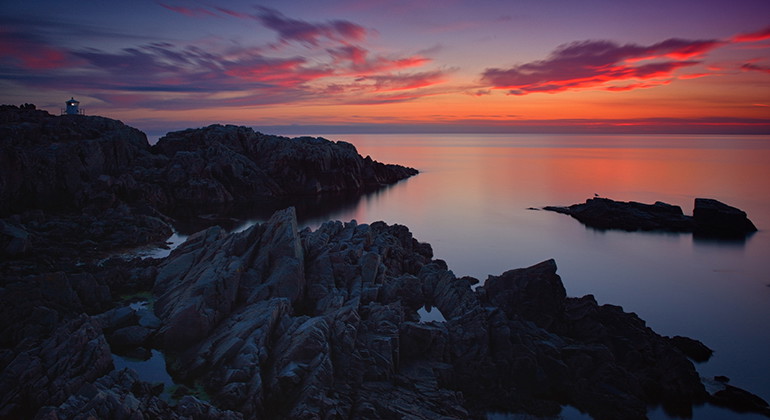
Solnedgång vid Kullens fyr.
Foto: Mostphotos -
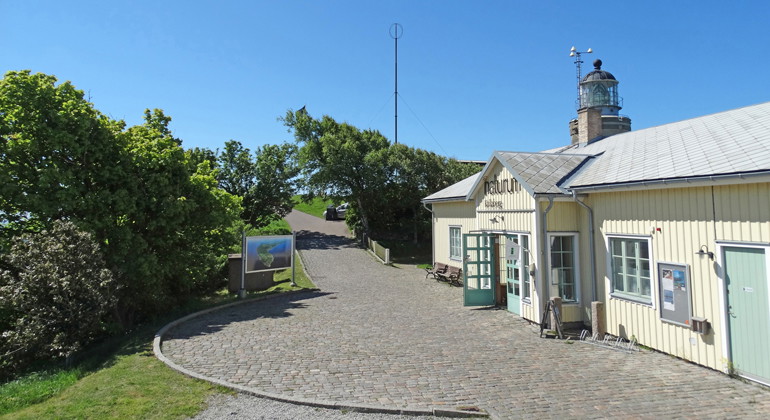
naturum Kullaberg.
Foto: Mats Sjöberg -
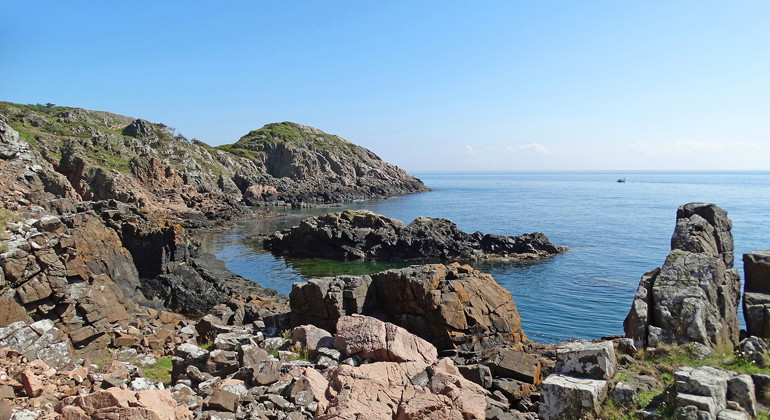
Vy mot Åkersberget.
Foto: Mats Sjöberg -
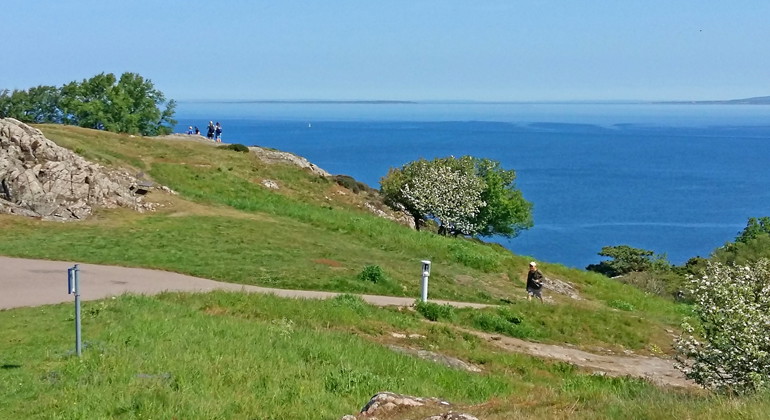
Foto: Mats Sjöberg -
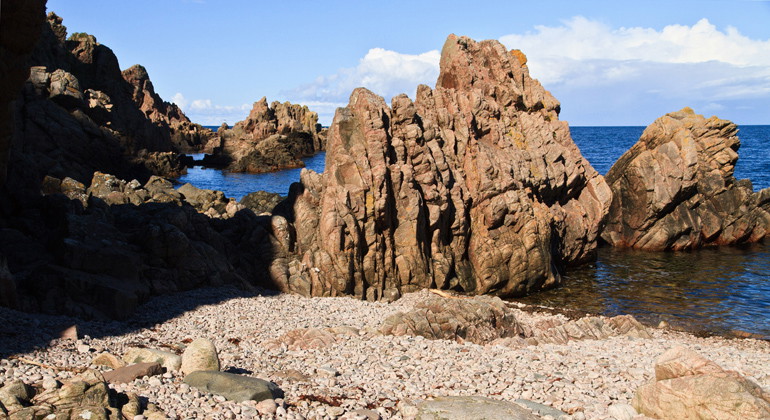
Josefinelust.
Foto: Linda Gustafsson -
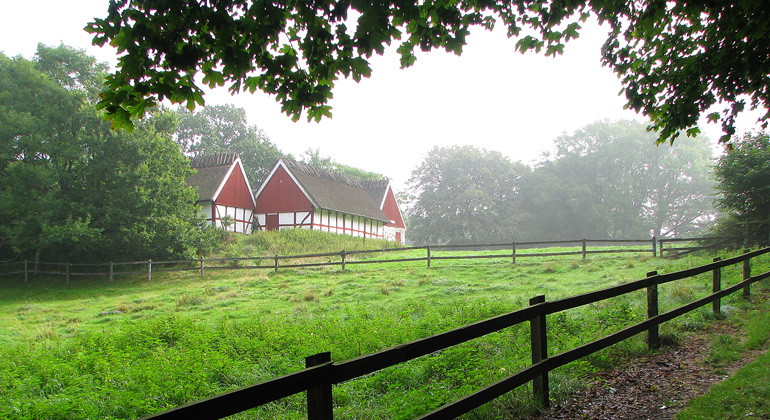
Himmelstorpsgården.
Foto: Mats Sjöberg -
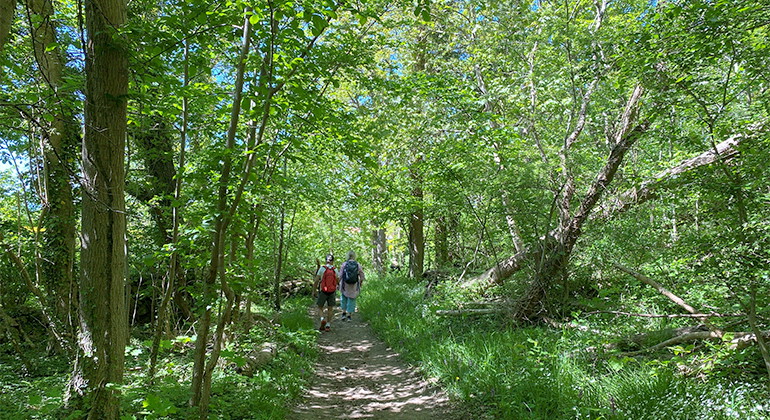
Vandringsled.
Foto: Carina Zätterström -
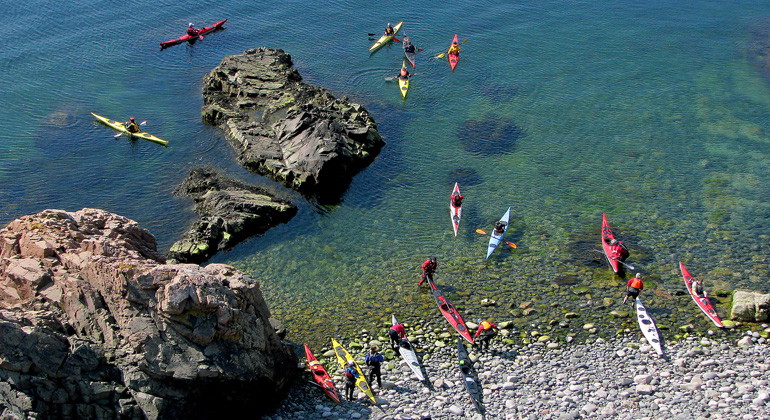
Kajakgrupp.
Foto: Mats Sjöberg -
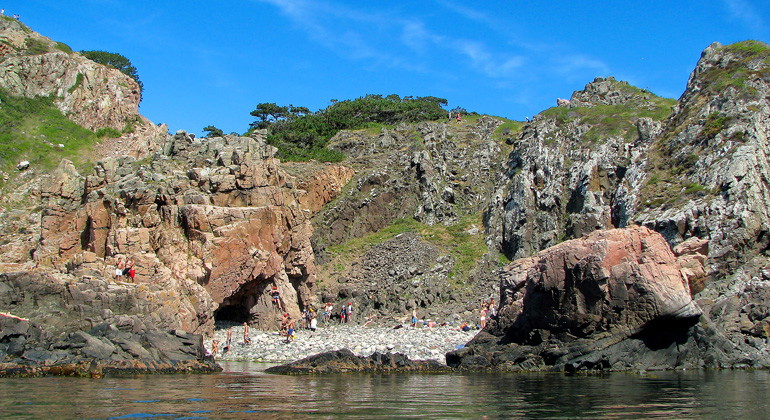
Stenstugorna.
Foto: Mats Sjöberg -
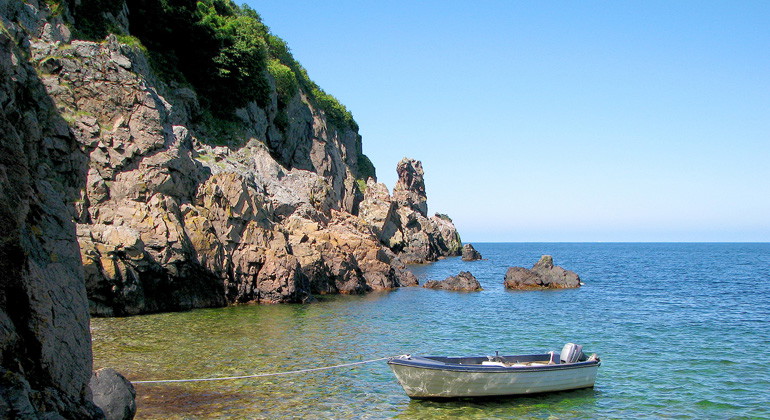
Djupadal.
Foto: Mats Sjöberg -
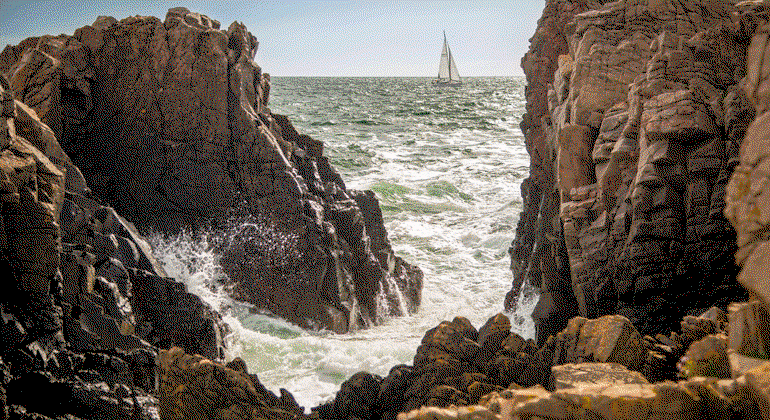
Silvergrottan.
Foto: Mostphotos -
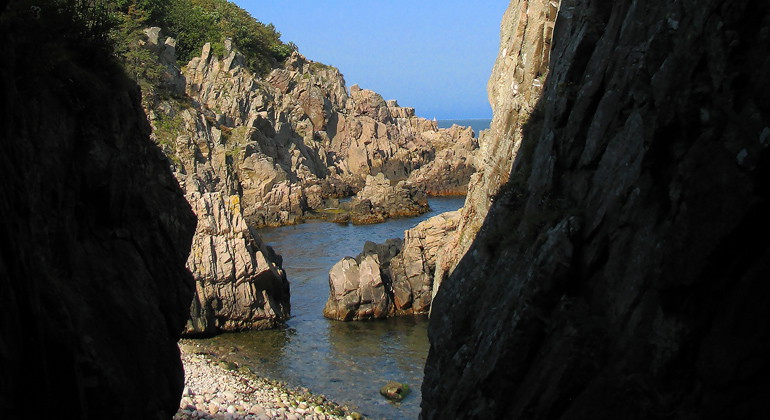
Större Josefinelustgrottan.
Foto: Mats Sjöberg -
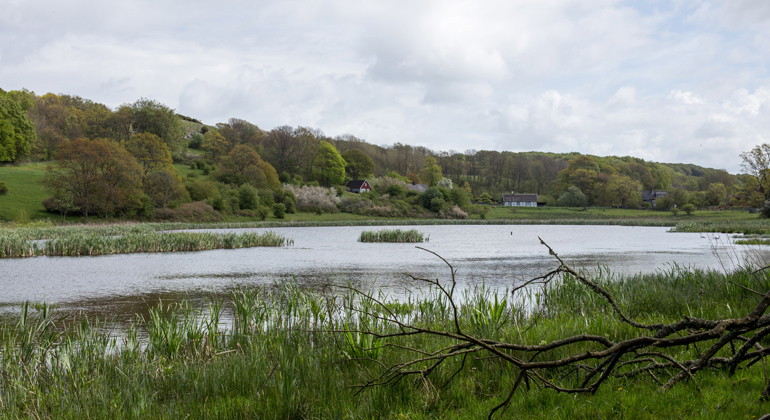
Björkeröds mosse.
Foto: Mostphotos -
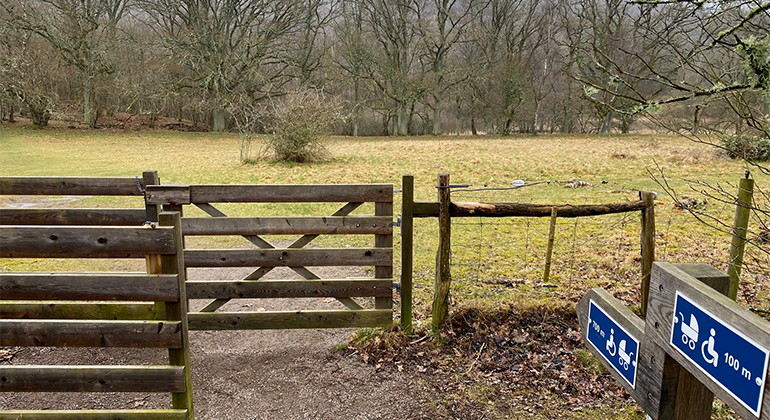
Tillgänglighetsanpassad led i Björkeröd.
Foto: Carina Zätterström -
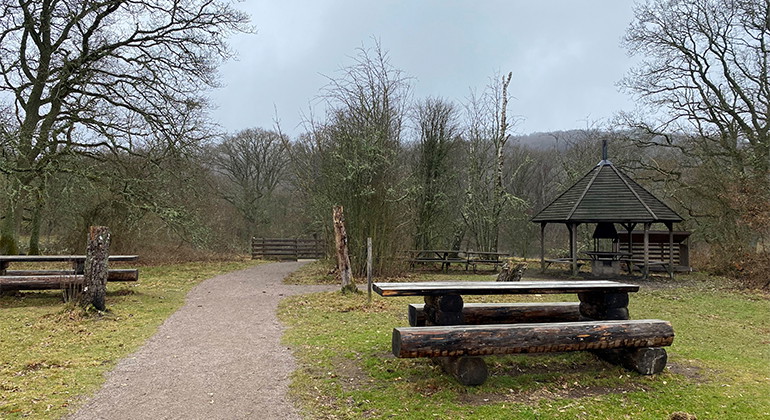
Rastplats i Björkeröd.
Foto: Carina Zätterström -
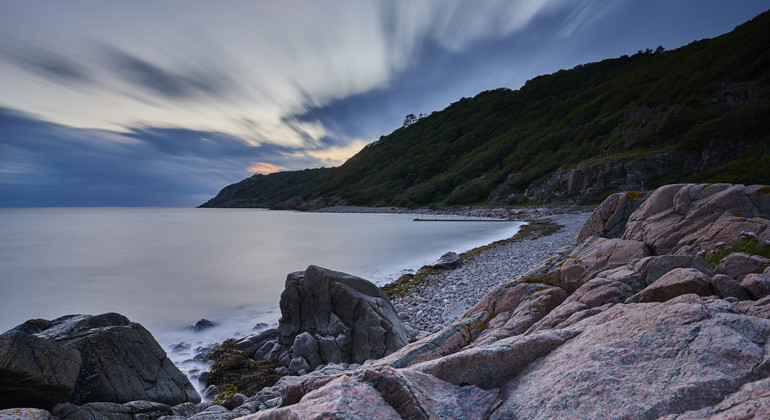
Solvik.
Foto: Mostphotos -
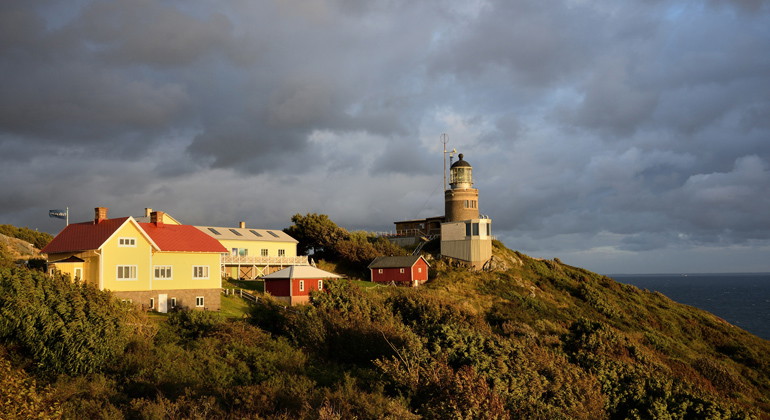
Kullens fyr.
Foto: Mostphotos -
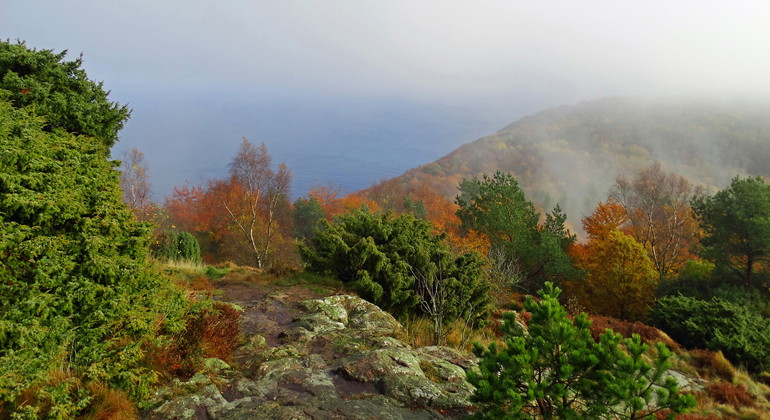
Håkull.
Foto: Mats Sjöberg -
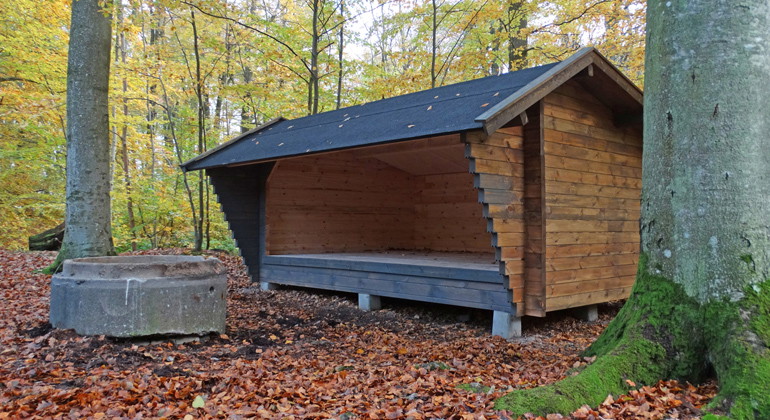
Rastplats vid Josefinelust.
Foto: Mats Sjöberg -
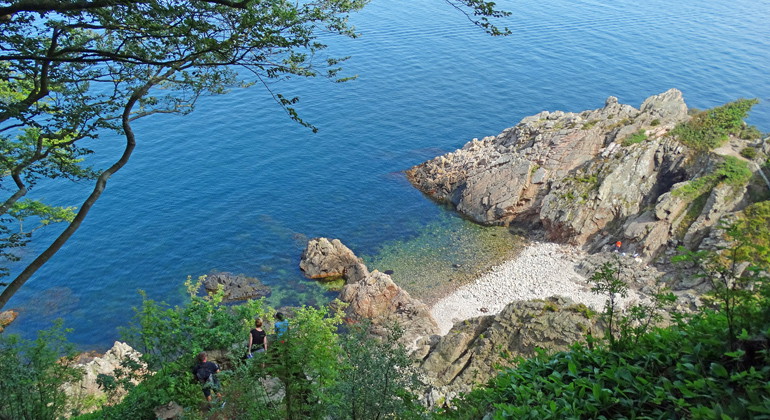
Josefinelust.
Foto: Mats Sjöberg -
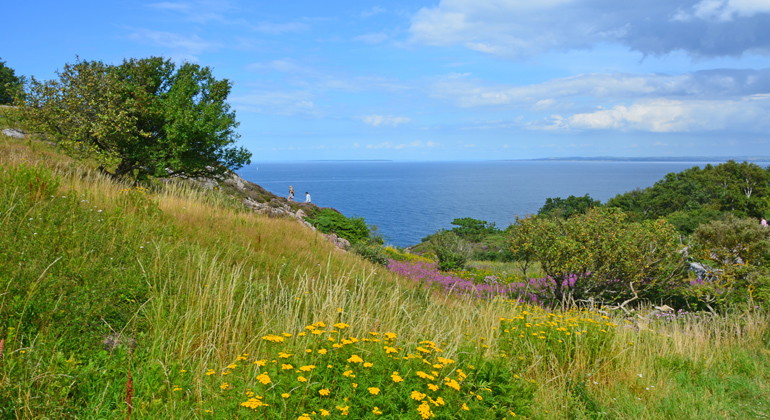
Kullalå.
Foto: Mats Sjöberg -
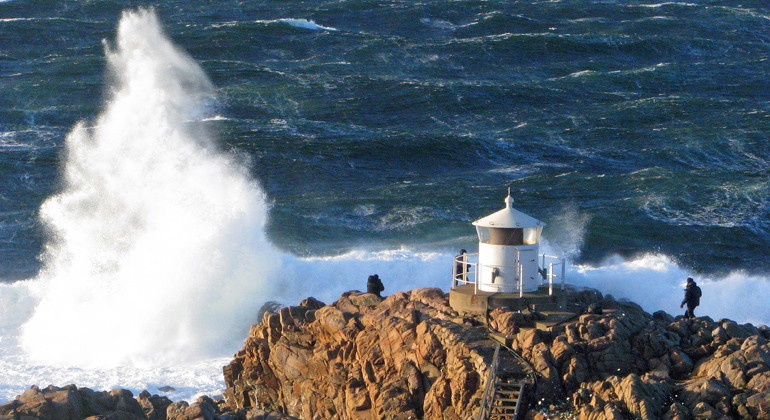
Kullens nedre fyr.
Foto: Mats Sjöberg -
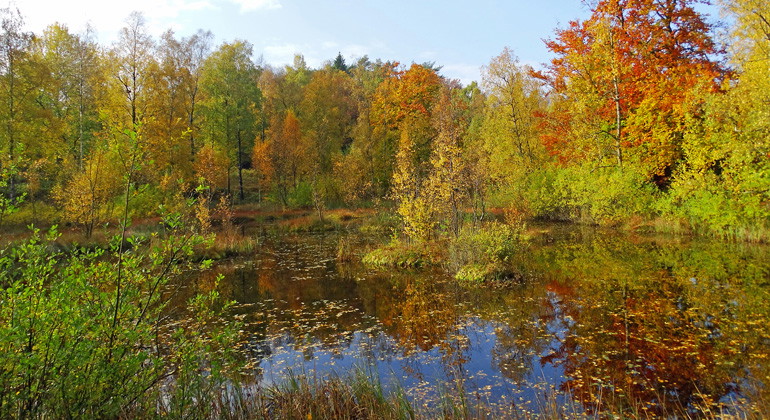
Ona mosse.
Foto: Mats Sjöberg -
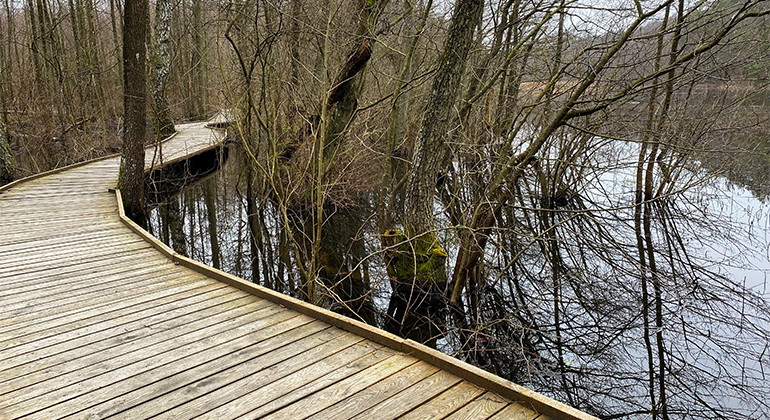
Ramp i Mölle mosse.
Foto: Carina Zätterström -
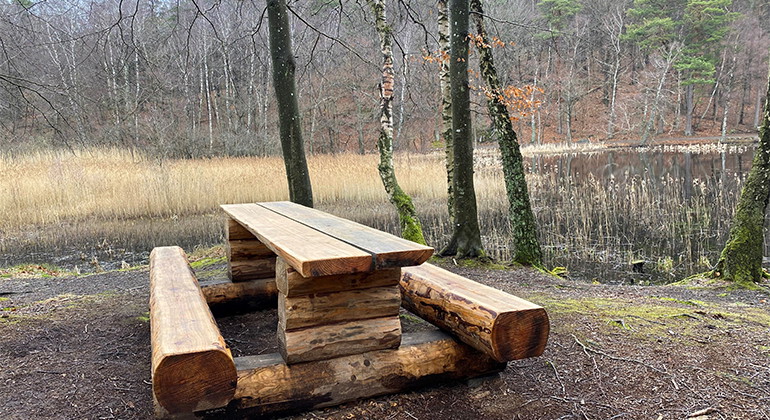
Rastplats Mölle mosse.
Foto: Carina Zätterström -
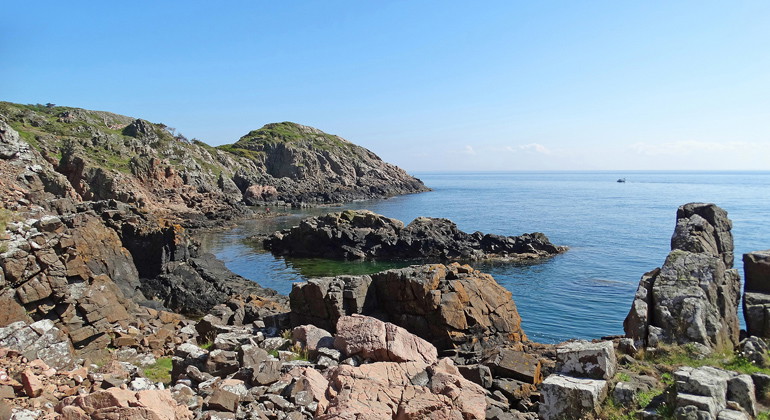
Vy mot Åkersberget
Foto: Mats Sjöberg -
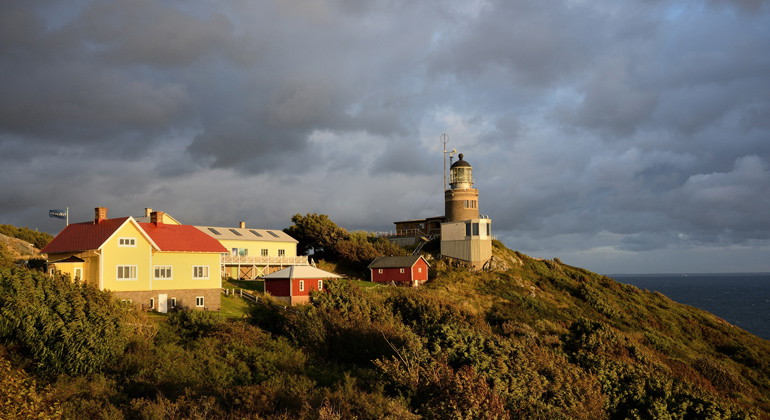
Kullens fyr
Foto: Mostphotos
Västra Kullaberg, Naturreservat
- Naturreservat
- Amt: Skåne län
Handlinger
Beskrivelse
Kullaberg is a rocky ridge jutting out into the sea in north-western Skåne. The scenery is dramatic, with high cliffs plunging into the sea. The shoreline is rocky and offers many caves and rauks. Marked trails take you around the area, from the lighthouse at the tip of the headland to Arild or Mölle. The walk takes you through lush deciduous forests and flower-rich pastures. Perhaps you'll pass the idyllic Himmelstorpsgården and the magnificent Håkull view? Or do you choose to walk down to the sea in the ravines at Ablahamn or Josefinelust? Feel free to start your visit to the nature center out at Kullens fyr for a rewarding stay. Here and on the rocks on the headland you can sit and watch for the porpoise's dorsal fin that suddenly appears in the water.
Avoid crowds during holidays and weekends
The parking lot is often full during holidays and weekends. Maybe cycle here or do a long walk through the area? The crowds are greatest at the entrances and adjacent picnic areas. Below are tips on reserves that tend to be a little quieter.
Steep rocky coast with caves
Kullaberg Nature Reserve stretches from the lighthouse on the tip of the headland to Arild. Windswept and gnarled oak scrub grows on the mountain slopes. The cliff coast is dramatic with high cliffs plunging into the sea. From the lighthouse at the far end of the headland, it is almost 80 meters down to sea level. Along the rocky shore there are plenty of wave-cut stone pillars (raukar), but also small coves and caves. Some of the more famous caves are Silver Cave, Visit Cave, Lahibia Cave and the caves at Josefinelust. Many of the 20 or so caves are accessible on foot, but some require a boat. Sometimes caution is required. Ravines lead down to the sea in Josefinelust, Ablahamn, Djupadal and Ransvik. Here you can get to know more about the exciting coastline. Up on the mountain, beech forests coexist with grazed heather fields and a golf course. The highest point is Håkull, 187 meters above sea level. From here you have a fantastic view of the waters of Skälderviken and the Bjäre Peninsula. If you look southwest instead, you can see Öresund and Denmark.
Species-rich flora and rare birds
The variation between cliffs, beaches, forests and pastures means that the number of plants is incredibly large on Kullaberg. In fact, around two thirds of Sweden's plants below the mountains have been found here! If you want to see birds instead, spring and fall are the time. This is when many birds of prey and small birds pass by Kullaberg. During westerly storms, it happens that exciting seabirds such as fulmars, petrels and three-toed gulls "blow" here from the Atlantic. Something that also happens at Hovs halls on the Bjäre coast. The peregrine falcon is another bird that can be seen at Kullaberg's cliffs.
Rich life below the surface - when two seas meet
From the south, brackish water flows up from Öresund. At the tip of Kullaberg, it meets cold and salty water from the Kattegat. The cliffs plunge into the sea. Up at the surface, seaweed waves and far down in the dark depths, underwater caves, shipwrecks and rauks are hidden. This creates an amazing diversity of marine environments and many forms of life. The sea around Kullaberg is also a popular haunt for the harbor porpoise, the only whale that lives its entire life in Swedish waters. At the cliffs, you can look for the porpoise's dark dorsal fin breaking the surface of the water. Under the surface there is a whole world of life to discover!
Himmelstorpsgården - a meeting place since the Viking Age
Himmelstorpsgården is a four-length 19th century farm dating back to the 15th century. The farm is owned by the Gyllenstiernska Krapperupsstiftelsen and managed by Kullens Hembygdsförening. The site has been an important meeting place since the Viking Age, but the domar rings with the large lump stones show that the site was important for people already during the Roman Iron Age. The domar ring has an impressive age of over 2000 years! Ancient remains, such as burial mounds and doom rings, are also found at Kockenhus and Björkeröd.
Outdoor life
Start your visit at naturum Kullaberg. Here you will find an exhibition of saltwater aquariums, a shop and knowledgeable nature guides who will guide you into the reserve. Naturum is located at the Kullen lighthouse, out on the tip of the Kulla peninsula. From here you are close to cliffs and views of the sea with porpoises. You can also start your hike here. The red trail follows the southern slope and is moderately difficult. The blue trail follows the cliffs along the north side and is a bit more challenging. There are yellow connecting trails between the red and blue trails that make it easier to walk around. Accessible trails are available at naturum, Björkeröd and Möllemosse, among other places. Skåneleden or Kullaleden (SL5 Öresund, stage 3) runs through the reserve and on around the entire Kulla Peninsula. Bear in mind that there are steep cliffs, especially towards the sea. In addition to hiking, the area can be experienced through, for example, kayaking, MTB (on the eastern part), snorkeling / diving, horseback riding, climbing, swimming and porpoise safaris.
The large parking lot is a bit away from the nature center. There are also smaller parking lots with toilets above Ablahamn at Kullagårdens wärdshus and the golf course, and at Josefinelust and Ransvik. In eastern Kullaberg, Björkeröd and Himmelstorpsgården have parking with toilets. If you want to spend the night, there are shelters at Josefinelust and Himmelstorpsgården, as well as a tent site at the large parking lot. There are also fireplaces. Remember to bring your own charcoal/wood, it is not allowed to pick sticks/wood in nature. Catering is available nearby. You can find more information about attractions and accessibility at the visitor center and on Kullabergs naturreservat's website Link to another website, opens in new window.
The nearest bus stop is in Mölle which is about a 5 km walk from the naturum. During the summer, there is a bus from Mölle all the way out to the lighthouse and naturum. A lovely day trip is to take the bus to Mölle and on to the naturum and then hike through Kullaberg nature reserve on the red or blue trail and take the bus home from Arild.
In English
Welcome to Kullaberg Nature Reserve
The Archaean rock ridge of Kullaberg stretches out into the sea with rocky cliffs that drop 100 meters down to the water. The weathered coast, with its bays and capes entices you to find adventure among the caves and rocky beaches. The area's dramatic countryside offers ancient forest, verdant pasture commons and deep ravines. An abundance of natural experiences is served up.
The visitor center at the Kullen lighthouse
A good place to start your visit is at the visitor center at the Kullen lighthouse. You can find information here about the flora and fauna of Kullaberg and perhaps take the opportunity to touch a starfish.
More Than Just a Cape
The reserve stretches from the lighthouse at the tip of the cape in to Arild where you'll find broad-leaved woodlands mixed with open pasture commons. The vegetation is often thin and lacking in diversity on Kullaberg's rocky ridge, but, in one part of the area with more fertile soil, sweet-smelling wild garlic grows alongside Yellow Anemones and Dog's Mercury. The highest point is Håkull, 187 meters above sea level, from where you can get a fantastic view of the surroundings. A special kind of low-growing oak woodland covers the hill's steep slopes.
Diverse Flora and Bird Life
The variation of cliffs, sandy beaches, forest and pasture means that the number of plants is unbelievably high in Kullaberg. Here you will find more than two-thirds of Sweden's plant species.
In spring and autumn both birds of prey and small birds migrate past Kullaberg. As with Hovs Hallar, you can find exciting sea-bird species such as Gannet, Fulmar and Kittiwake here that have flown in on the winds of westerly storms. The Peregrine Falcon has found a home on the cliff ledges of Kullaberg.
Life Under the Surface
Kullaberg Nature Reserve also protects life under the surface. There is a diverse marine life in the waters around Kullaberg, with many different marine animals such as sea urchins, brittle stars, mussels and crustaceans. They are also home to the harbor porpoise, Sweden's very own miniature whale.
By the cliffs at the tip of the cape you can sit and look out for the porpoises' dorsal fins, which suddenly appear on the surface of the water. It is not uncommon to see a pod of porpoise hunting fish off the coast of Kullaberg.
Regulations
**The regulations apply for the protection of nature. You'll find a selection of the most important visitor regulations here. They are also posted on a separate sign at each entrance. The full/complete regulations are available in swedish on this web page - below the heading "Föreskrifter / Fullständiga föreskrifter för besökare".
It's, for example, forbidden to:
- Soil, rocks and stones must not be damaged
- Flowers and plants must not be picked or dug up
- Do not break any branches or damage bushes and trees
- Do not take plants or animal life from the seabed
- Animal life must not be harmed or knowingly disturbed (e.g. by playing loud music)
- Motorized vehicles are only permitted on designated roads, and must be parked in designated parking spaces
- Tents, caravans, motorhomes or similar must not be pitched or parked within the nature reserve
- Fires/barbecues are only permitted at designated locations and at times when there is no fire ban in force
- Posters, signs, placards or similar must not be erected
- Dogs must be kept on a lead all year round
- Don't drop litter
More information
Aktiviteter og faciliteter
- Naturreservat
Fakta
Formed: 1965 (eastern) and 1971 (western)
Size: 866 hectares (eastern) and 487 hectares (western)
Municipality: Höganäs
Administrator: County Administrative Board of Skåne
Protection type: Nature reserve and Natura 2000
Parkering
The parking lots are often full during holidays and weekends. Maybe take the bus, cycle here or do a long walk through the area? The crowds are greatest at the entrances and adjacent picnic areas. Below are tips on reserves that tend to be a little quieter.
Rutevejledning
Walk, cycle, take public transport or drive here. Map and directions via Google maps or coordinates (WGS84).
Regler
**Within the area, special rules and restrictions apply to the right of public access.
For example, it is forbidden to:
- having a dog unleashed
- make fires outside the designated area
- camping
- setting up a motorhome/caravan
- picking or digging up flowers
- stay or drive a boat during the period March 1 to July 15 within the marked areas in the map appendices for Västra and Östra Kullaberg
Map appendix 1, grazing ban in Västra Kullaberg Pdf, 1 MB, opens in new window
Map appendix 1, no trespassing in Östra Kullaberg Pdf, 1.9 MB, opens in new window
It is important to note that this is only a selection of the rules.
Kontakt
Adresse
Under LÄNKAR kommer du till aktuell reservatssida på Länsstyrelsens webbplats, med fördjupande information som kartor, broschyrer och hänvisning till relevanta aktörer. Här finns även en rapportfunktion för dig som vill lämna uppgifter om naturreservaten som vi förvaltar.
E-mailadresse
Organisationens logotype
Jeg har været her 18

Jeg vil gerne derhen 11

Spørgsmål og svar
Stil et spørgsmål til andre Naturkartan-brugere.
Anmeldelser
0 anmeldelser
- 5 :
- 4 :
- 3 :
- 2 :
- 1 :
Brugernes billeder
Der er endnu ingen brugerbilleder. Vær den første til at dele et!