
-
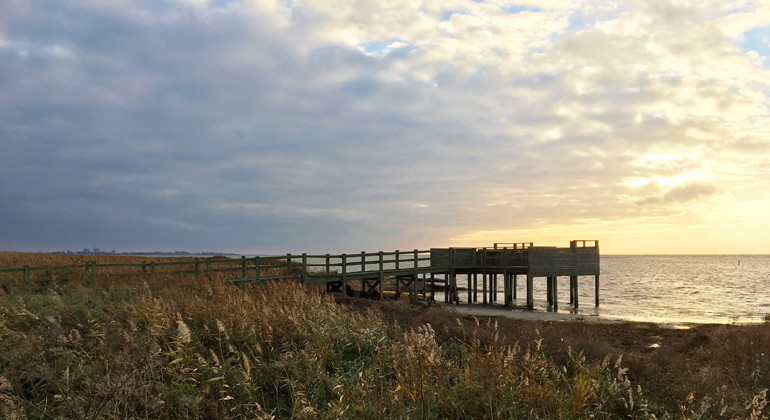
Fågeltorn.
Foto: Ann-Sofie Pellas -
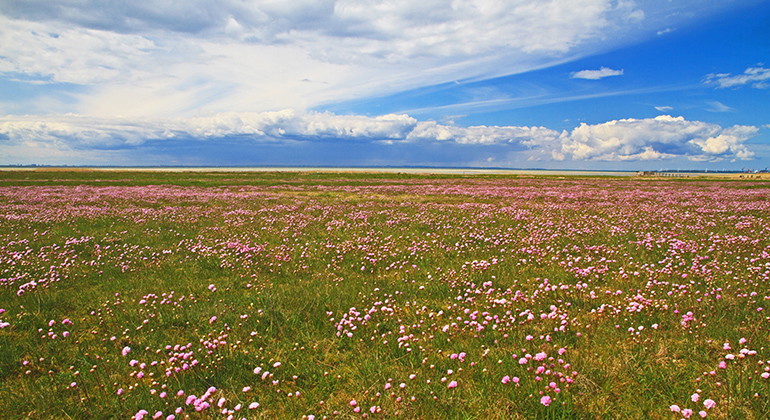
Blommande trift.
Foto: Linda Gustafsson -
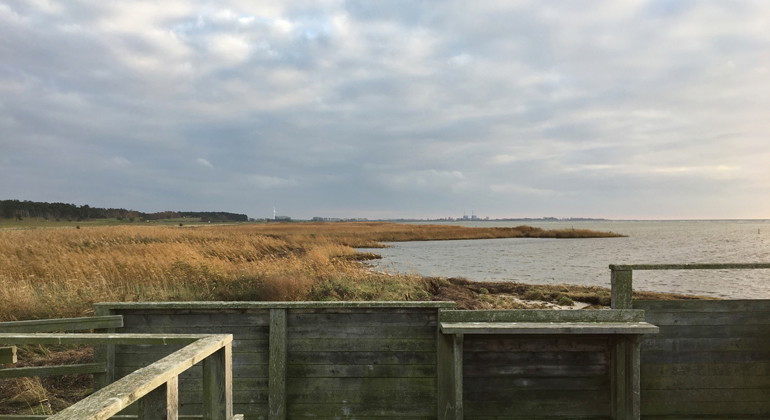
Utsikt från fågeltornet.
Foto: Ann-Sofie Pellas -
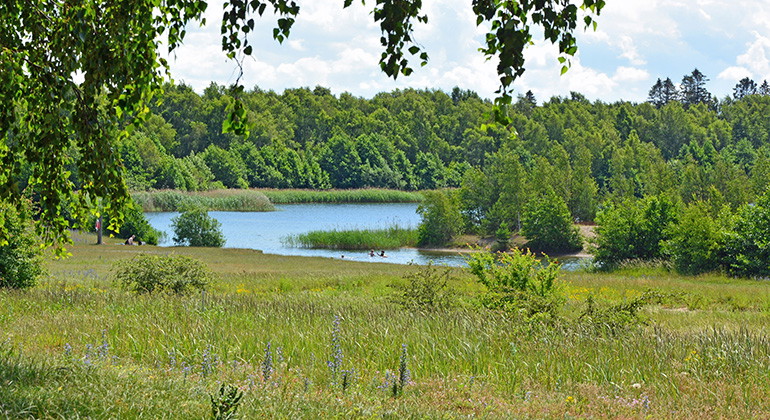
Södra Saxtorpssjön i den nordöstra delen av reservatet.
Foto: Mats Sjöberg -
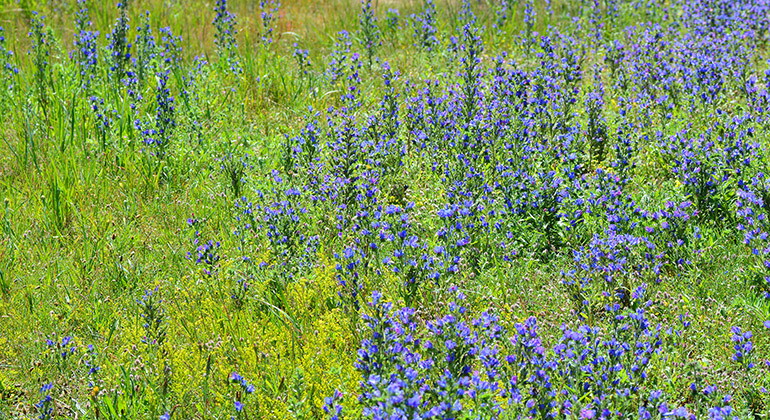
Blåeld.
Foto: Mats Sjöberg -
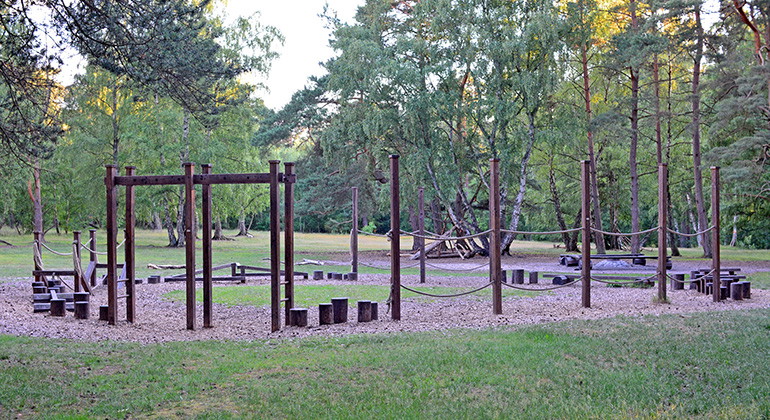
Hinderbana.
Foto: Mats Sjöberg -
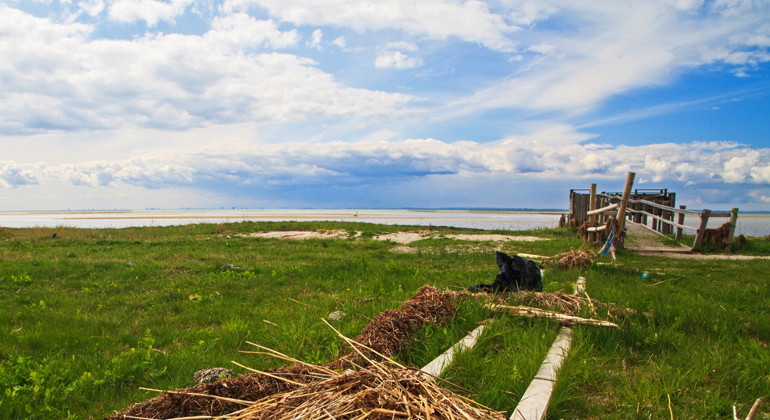
Foto: Linda Gustafsson -
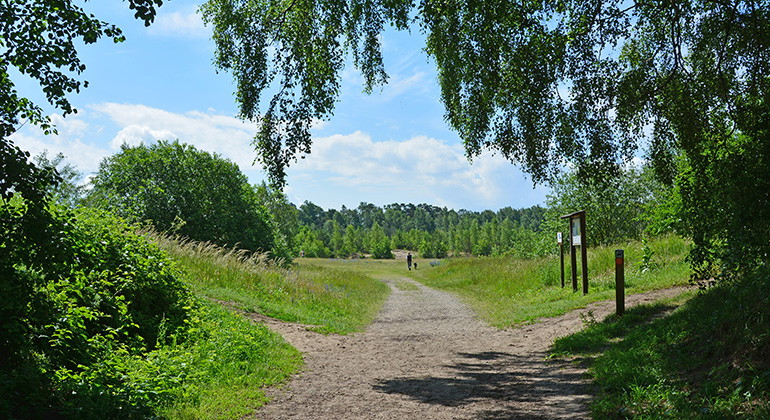
Foto: Mats Sjöberg -
Foto: Mats Sjöberg -
Foto: Mats Sjöberg -
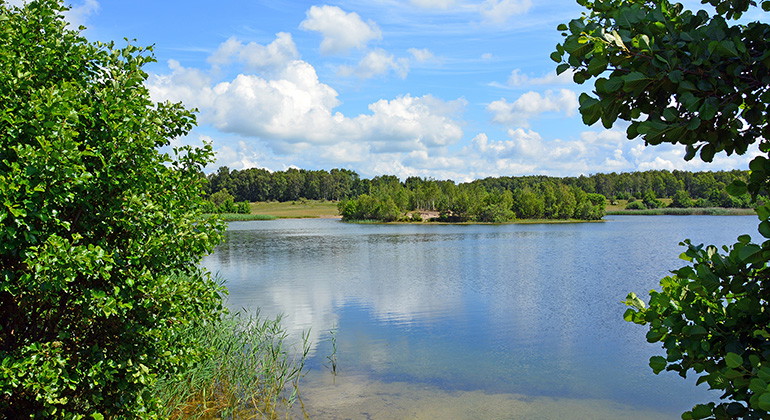
Södra Saxtorpssjön som ligger i den nordöstra delen av reservatet.
Foto: Mats Sjöberg -
Foto: Mats Sjöberg -
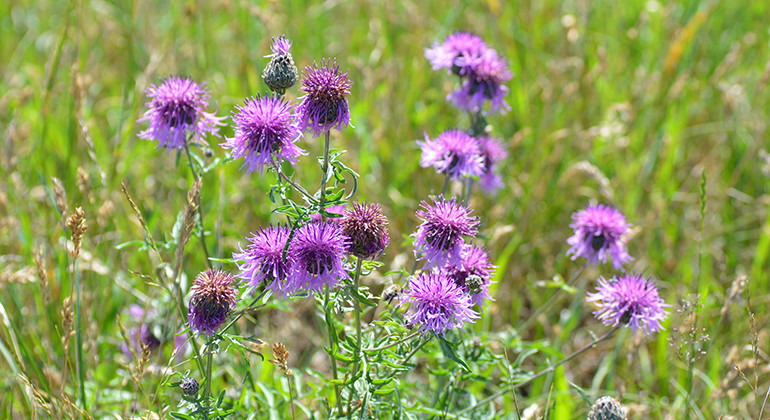
Foto: Mats Sjöberg -
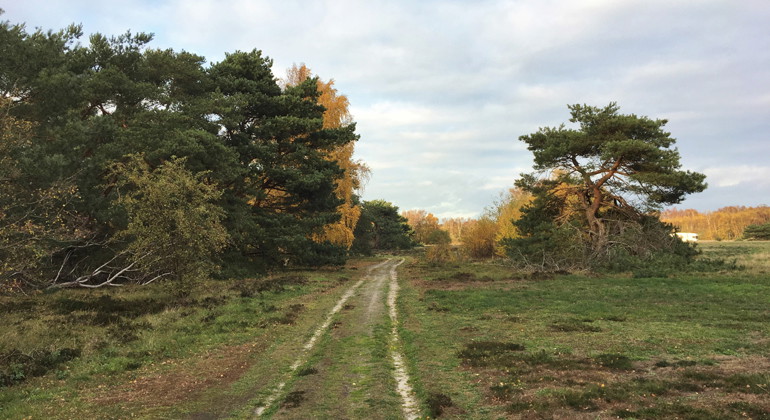
Foto: Ann-Sofie Pellas -
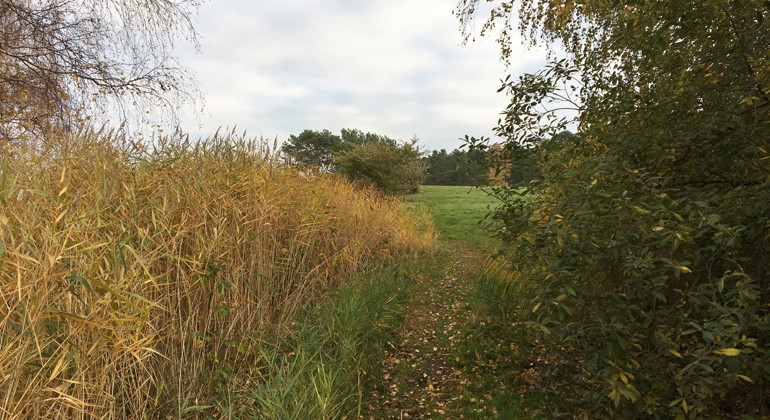
Foto: Ann-Sofie Pellas -
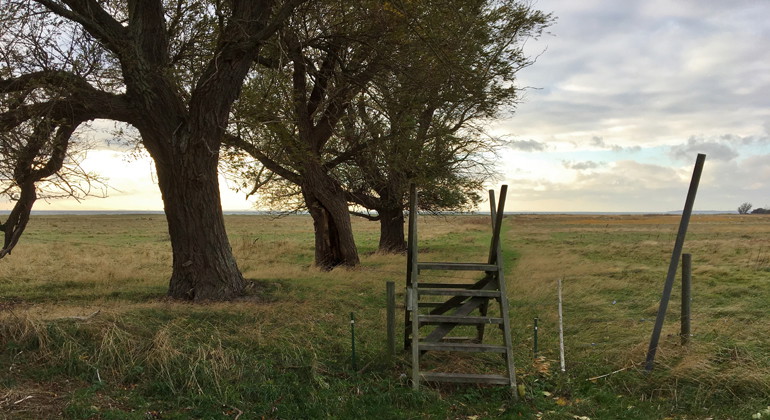
Foto: Ann-Sofie Pellas -
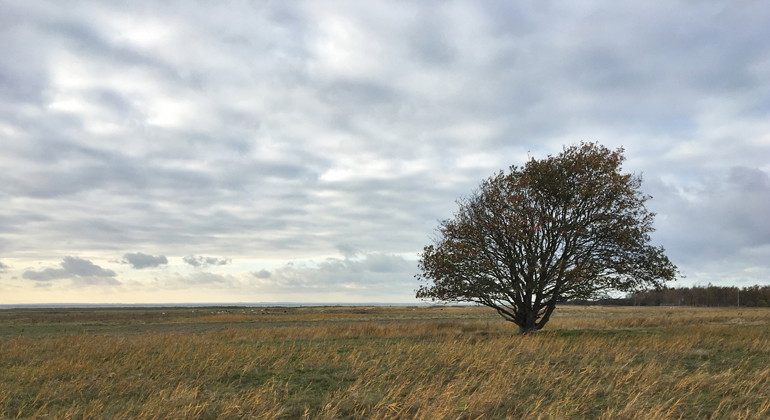
Foto: Ann-Sofie Pellas -
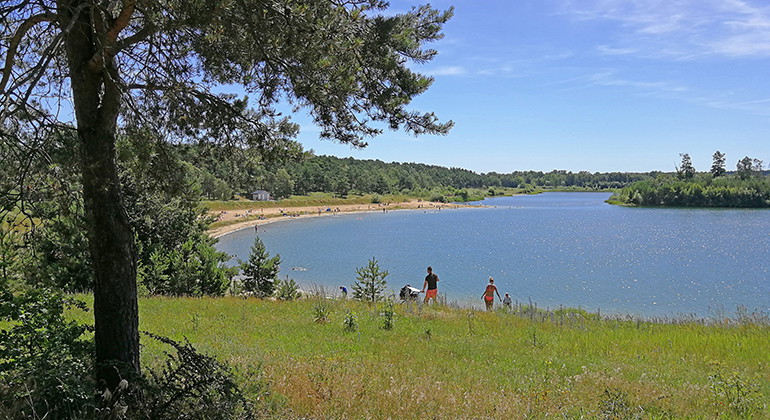
Utanför reservatet ligger den norra Saxtorpssjön.
Foto: Mats Sjöberg -
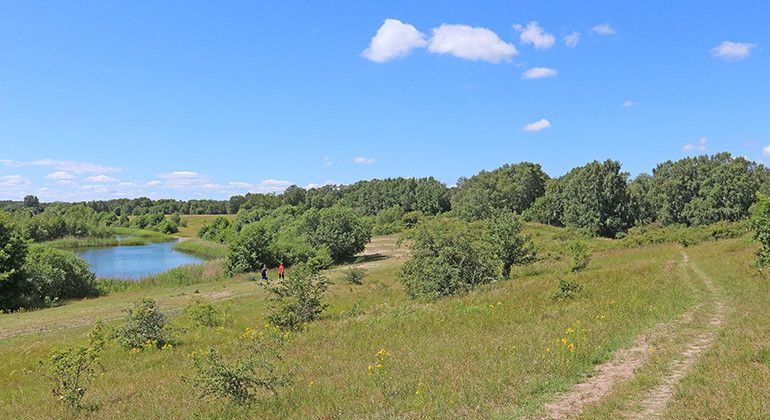
Södra Saxtorpssjön ligger i den nordöstra delen av reservatet.
Foto: Mats Sjöberg
Järavallen, Naturreservat
- Naturreservat
- Landsdel: Skåne län
Handlinger
Beskrivelse
Järavallen is both a nature reserve and one of the Skåne Landscape Foundation's 19 hiking areas. For those interested in birds, there is a coastline with wading birds, but also forest, lake and open grasslands. In spring and early summer you can hear the beach toads playing. The area has an obstacle course and plenty of paths and trails, different depending on whether you are hiking, horseback riding or mountain biking. One of the hiking trails is accessible, as is the bird platform by the sea. The invasive zebra mussel that used to be in the Saxtorp lakes is now extinct and it is possible to swim again.
Järavallen is formed
Strong waves from the Litorina Sea threw up sand, stone and flint around 7,000 years ago. This is how Litorinavallen, also known as Järavallen, was formed, giving rise to the reserve's name. It can be seen here inside the flat beach meadows. A dune landscape spreads out behind the embankment. The pine forest that today grows on and inside the embankment was planted in the 19th century to prevent sand from escaping.
Changing nature
The shallow beach area along Lundåkrabukten is home to salt-tolerant plants such as saltwort, red fescue and coastal arum. The coastal strip is also an important resting place for many migratory birds, mainly wading birds. Oystercatchers and lapwings, among others, nest in the coastal meadows. In the reeds along the coast you can also see bearded tits. Further inland, where the pine forest takes over, several woodpecker species and other typical forest birds thrive. Among the more unusual guests is the fire-crowned kingfisher. At Hofterups bog, nature changes character once again and here you will find plants such as cabbage lichen, spikeleaf, beach clover, meadow grass and torch flowers. The lesser spotted woodpecker also thrives here.
Playing beach toads
During spring and early summer you can hear beach toads playing on Järavallen. The common toad used to be common along Lundåkrabukten, but today measures and restoration of small water bodies are required to safeguard the habitat of the common toad. Even today, the beach toad is relatively common in Järavallen and it spawns in shallow puddles that may be slightly saline. The species used to be called the stink toad because it can emit a secretion with the scent of gunpowder smoke.
Outdoor life
The reserve is part of the Järavallen hiking area, which is managed by the Skånska Landskap Foundation. There are several hiking trails, bridle paths, mountain bike trails, obstacle courses and accessible paths. The accessible trail (1.4 km) runs through pine and mixed forest. In the western part of the reserve there is also an accessible platform with a view of Lundåkrabukten. Here you can go birdwatching and see migrating wading birds, among other things. At the two Saxtorp lakes in the far north there are shelters and picnic areas with fireplaces. Remember to take your rubbish home.
There are parking facilities in the center of the area and along the road out to the coast. There is also a parking lot in the far north. You are not allowed to park your motorhome/caravan here overnight during the summer (May-Sept). The bus stops Furuhillvägen and Davidslid are within walking distance to the reserve.
In English
Welcome to Järavallen and Lundåkrabukten Nature Reserves
Some 7000 years ago, powerful waves from the Littorina Sea threw up sand, stones and flints. This is how the Litorinavallen (Littorina Ridge), also called Järavallen was formed. It can be seen inland of the flat coastal meadows. Sand dunes spread out further inland from the ridge. The Littorina Sea got its name from the common periwinkle snail (Litorina litorea). The inner part of the Lundåkrabukten bay is a shallow marine area with ridges which are exposed at low water.
Many wading birds, such as avocet (Recurvirostra avosetta), rest and search for food in the shallow water along the shore while others, such as oyster catchers (Haematopus ostralegus), like the well grazed coastal meadows. The natterjack toad (Bufo calamita) is good at digging and running and breeds in the shallow pools, which can be slightly salty. The many rabbits like the sand, which is easy to dig, and when they have moved out, the common shelduck (Tadorna tadorna) nests in the holes.
A walk up from the shore area leads into a pine woodland, planted in the 1800s to stop sand drift. If you keep going in a northerly direction you come to open, dry meadows and heath. The humble grasses such as common bent and wavy hair grass grow on the dry, sandy meadows. Honeysuckle (Lonicera periclymenum) winds like vines around bushes and trees and gives the woodland in the western part of the reserve a special character. The flowers, which smell lovely when they come into bloom in June, are followed by red berries.
West of the highway, by the yellow trail and down by Kustvägen (the coastal road), the remains of old banks made from a mixture of grass sods and eel grass. The banks were created in the 1600s as fences when there was a lack of timber and stone. North of the pine woodland you can sense the history and you can take a walk along a well conserved drove road. These can be very old and have been formed as a result of years of erosion from hooves and feet.
Fågelsjön and Hofterup mosse; a large unmanaged wetland, can be found on the other side of the bridge over the highway. It is an excellent area for birds such as lesser spotted woodpecker.
Regulations
Within Järavallen Nature Reserve it is forbidden to:
- dig, drill, paint, or in any other way damage the ground, rocks, or natural objects
- park caravans, campers, or similar between midnight and 5 a.m.
- light fires/grill other than in designated places. The use of camping stoves is allowed within the nature reserve
- bring dogs or other pets unless on a physical leash
- fall or in any other way damage living or dead standing or fallen trees and shrubs
- in a disturbing or loud manner use music or sound equipment
- drive motorized vehicles other than on roads or parking areas
- park outside designated parking areas, see map.
Furthermore, without written permission from the County Administrative Board, it is forbidden to:
- put up tents or other overnight equipment
- place out or put up boards, placards, signs, posters
- place out or put up paper strips, orienteering control points, or similar devices other than temporarily, no more than 10days, on condition that contact details and date of placementare attached to the placed out objects. The reserve manager should be informed beforehand
- catch or collect white admiral (Limenitis camilla)
- catch insects, spiders, gastropods, or other invertebrate animals other than by netting, hand picking, or other selective method that does not destroy the animal's habitat, with subsequent reintroduction within the nature reserve. The requirement for reintroduction does not apply to individual voucher specimens of each species on condition that the record is logged in the reporting system Artportalen, or similar national database for endangered species, and that the collection is not contrary to the species protection regulations.
Within Lundåkrabukten Nature Reserve it is forbidden to:
- during the period 1 April to 15 July enter or remain in area A. It is, however, permitted to walk on the designated path and to take the shortest route by boatthrough the area to and from the river Saxån.
- kite or windsurf in area B
- during the period 1 October to 30 April kite or windsurf in area C
- operate watercraft at sea at speeds exceeding 7 knots
- operate or launch water scooters, jet skis, or similar watercraft
- start or land with aircraft, or fly remote control aircraft (including model aircraft) at heights below 120 meters above sea level, or fly kites
- ride within area D
- organize competitions which could disturb the natural environment
- bring dogs unless on a physical leash
- dig, drill, paint, or in any other way damage the ground, rocks, blocks, or the sea bottom
- erect any form of construction or place out objects alien to the nature reserve
- drive or park motorized land vehicles other than on designated roads or parking areas. Road refers to made-up public roads or jointly owned roads
- hunt in public waters.
Furthermore, without written permission from the County Administrative Board, it is forbidden to:
- catch or collect insects, spiders, gastropods, or other invertebrate animals other than by netting, hand picking, or other selective method with subsequentreintroduction within the nature reserve. The requirement for reintroductiondoes not apply to individual voucher specimens of each species on conditionthat the record is logged in the reporting system Artportalen, and that the collection is not contrary to the species protection regulations,
- carry out scientific or investigations that can disturb the natural environment.
Aktiviteter og faciliteter
- Naturreservat
Fakta
Established: 1972
Size: 446 hectares
Municipality: Kävlinge
Manager: The Foundation for Recreational Areas in Skåne through the Skåne Landscape Foundation
Type of protection: Nature reserve and Natura 2000
Rutevejledning
Walk, cycle, take public transport or drive here. Map and directions via Google maps or coordinates (WGS84).
Regler
**Within the area, special rules and restrictions apply to the right of public access.
For example, it is forbidden to:
- have a dog unleashed
- make fires/barbecue outside designated areas
- park outside designated areas as shown on map appendix 1
- stay overnight (not camping or setting up a caravan/mobile home at night)
In the sea outside Järavallen there is Lundåkrabuktens naturreservat with its own regulations.
Kartbilaga 1, Järavallen Pdf, 1.3 MB.
Map and regulations, Järavallen and Lundåkrabukten Pdf, 1.3 MB, opens in new window
Jeg har været her 2


Jeg vil gerne derhen 1

Spørgsmål og svar
Stil et spørgsmål til andre Naturkartan-brugere.
Anmeldelser
0 anmeldelser
- 5 :
- 4 :
- 3 :
- 2 :
- 1 :
Brugernes billeder
Der er endnu ingen brugerbilleder. Vær den første til at dele et!