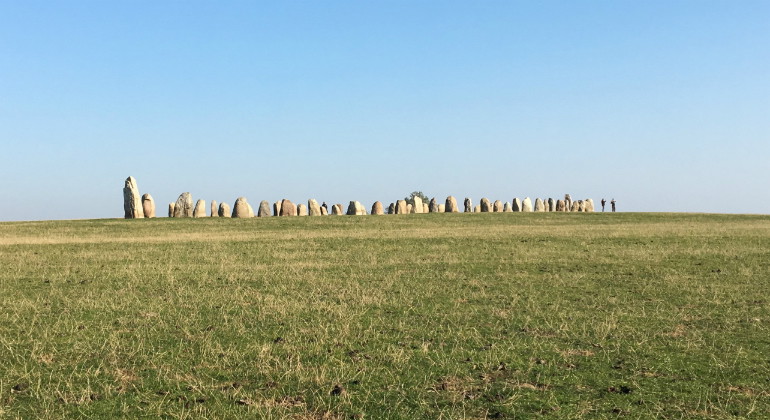
Hammars backar - Kåsebergaåsen, Naturvårdsområde
- Naturværdi
- Landsdel: Skåne län
Handlinger
Beskrivelse
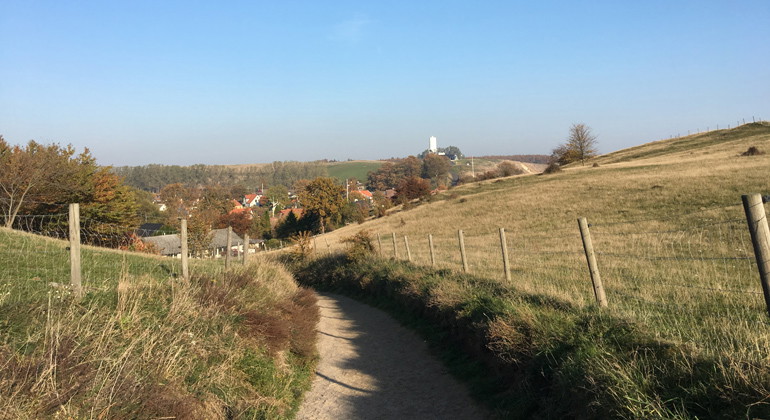
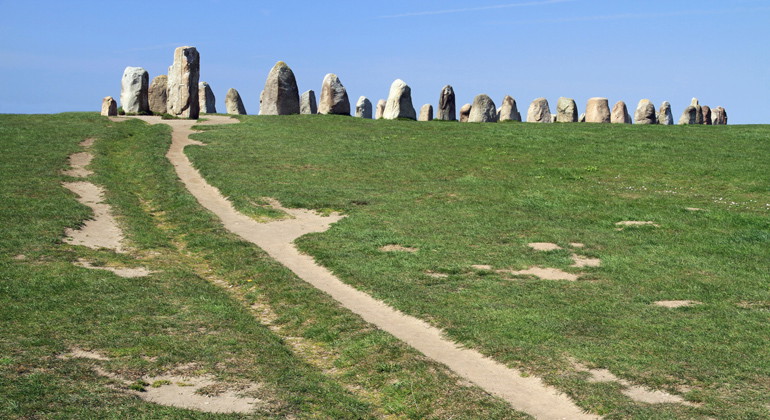
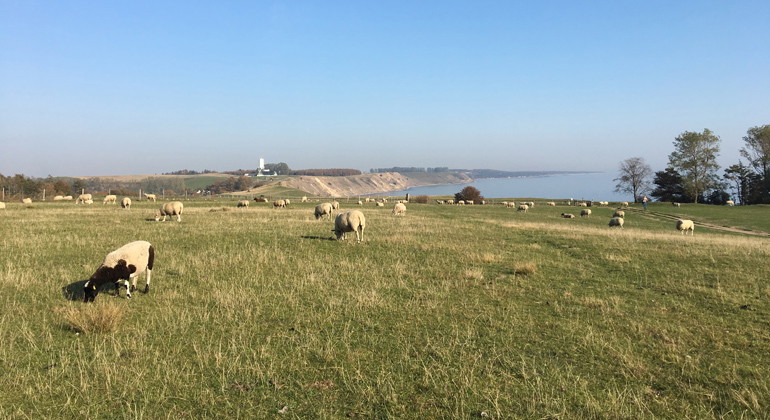
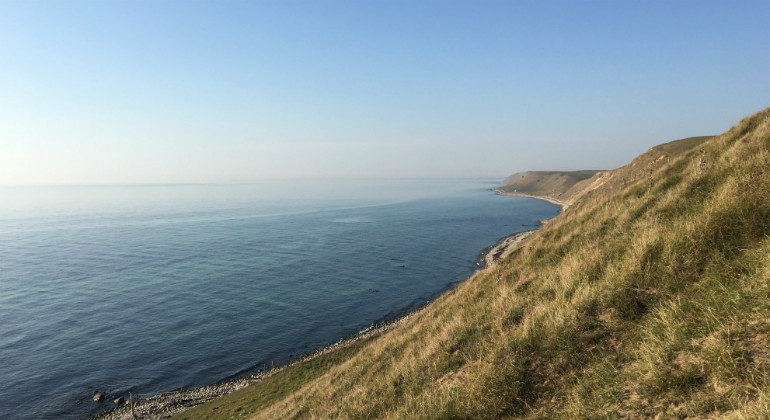
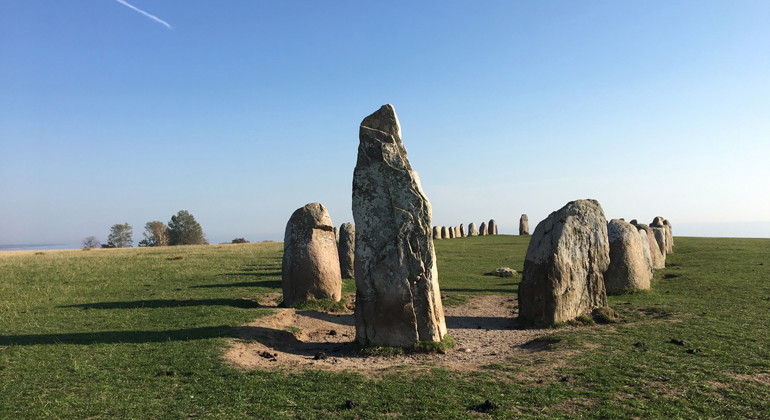
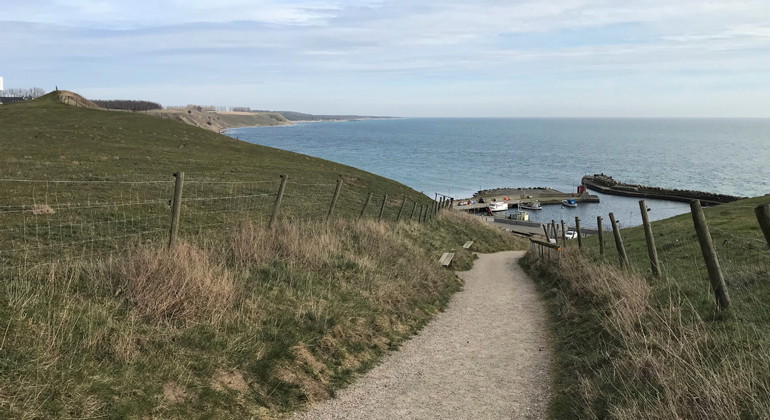
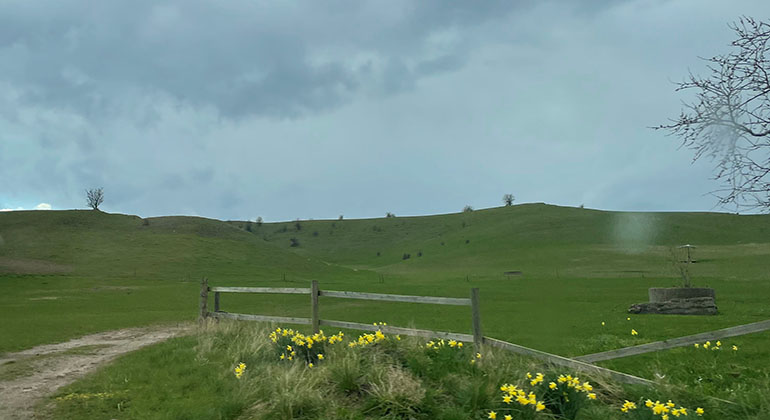
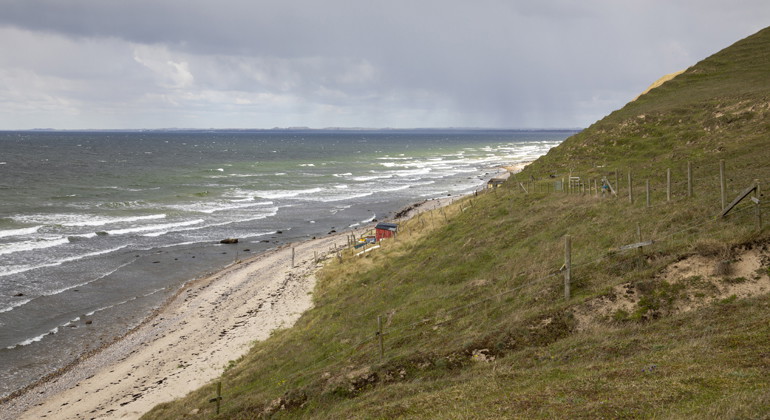
Hammars backar-Kåsebergaåsen stretches for just over a mile along the eastern part of Skåne's south coast. Towards the sea rises a steep cliff coast that rises thirty meters above the plain behind. Kåseberga is home to one of the country's strangest and most imaginative ancient remains - Ales Stenar.
Kåsebergaåsen is formed
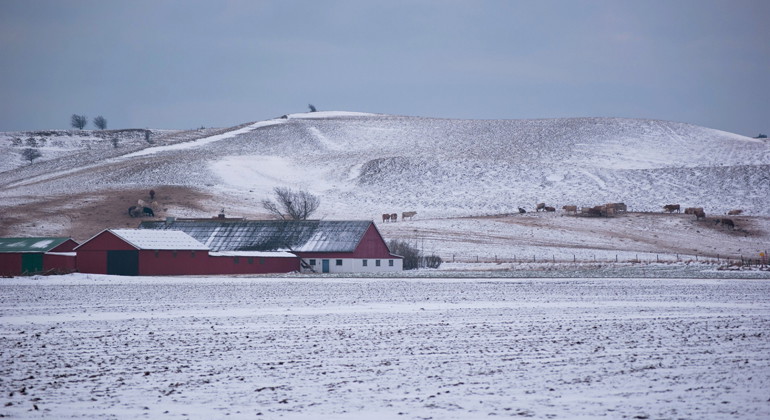
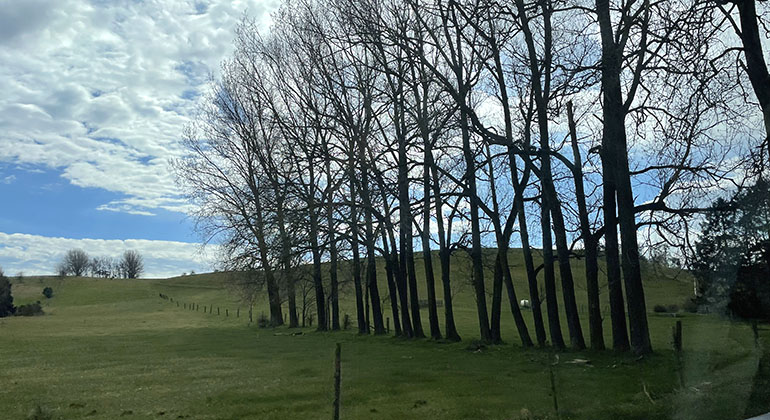
The Kåseberga Ridge was built up about 15,000 years ago, when the last ice sheet slowly melted away. Since then, over the millennia, the sea has eaten its way inland and created the steep cliffs, while the sand has been carried eastwards by the currents. The land along this stretch of coast used to be meadow and pasture. Beyond the ridge were extensive wetlands with bogs and fens. In the 19th century, the wetlands were drained and cultivated, while the steeper parts and the coastal slope towards the sea remained pasture.
Plants of the sandy steppes
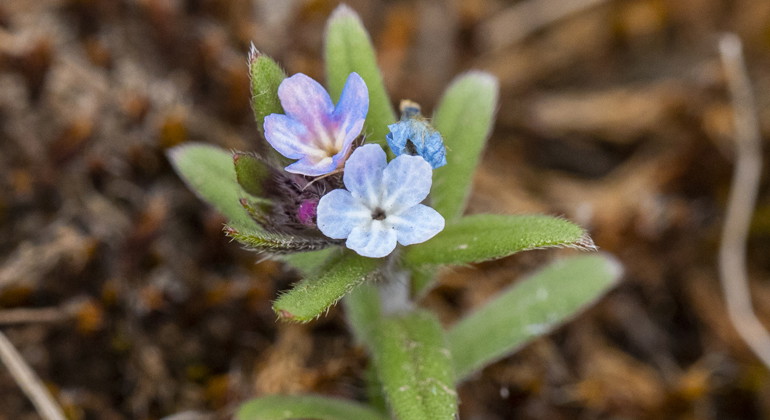
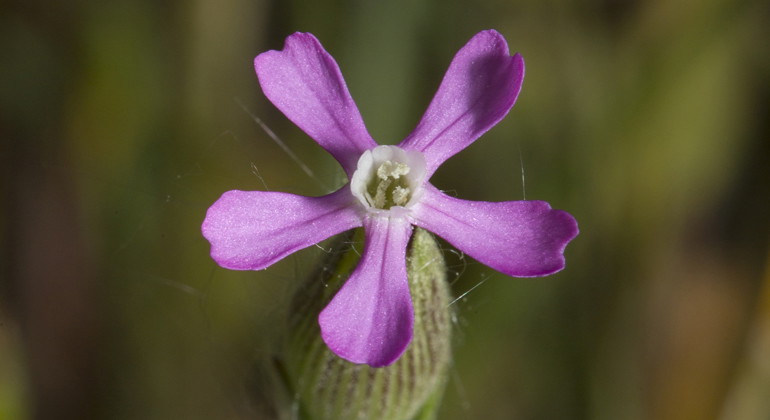
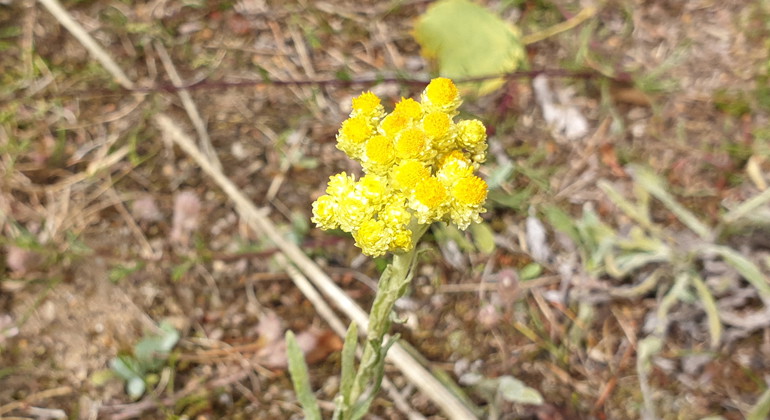
Kåsebergaåsen is largely made up of calcareous sand, with elements of gravel and boulders. New, calcareous sand is constantly being brought to light by the erosion of the slopes and the trampling of grazing animals. These sunny and nutritious areas are important for several plants. The ridge is home to the sandy steppe habitat, which is very unusual in Sweden, with its very special and species-rich flora. Several rare species grow here, such as heath flowers, sand alfalfa, clove and sand mallow.
Heat-loving animals
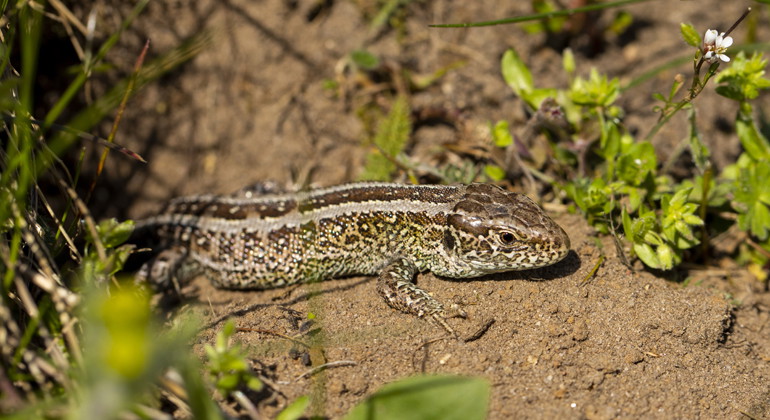
Thanks to the warmth of the open spaces and the herb-rich vegetation, a large number of butterflies thrive in the reserve, including several species of blue butterfly. The sunlit slopes facing the sea are home to the rare sand lizard, a heat-loving and larger relative of our common wood lizard. The exotic green leaf frog has also been observed in the reserve.
Impressive bird migration in spring
Kåseberga is considered one of Skåne's best places to watch migrating waterfowl in the spring. Many species can be seen, but perhaps the most famous is the spring migration of eiders. From early to mid-April, large numbers of eiders pass through on their way to the Stockholm archipelago where most of them nest.
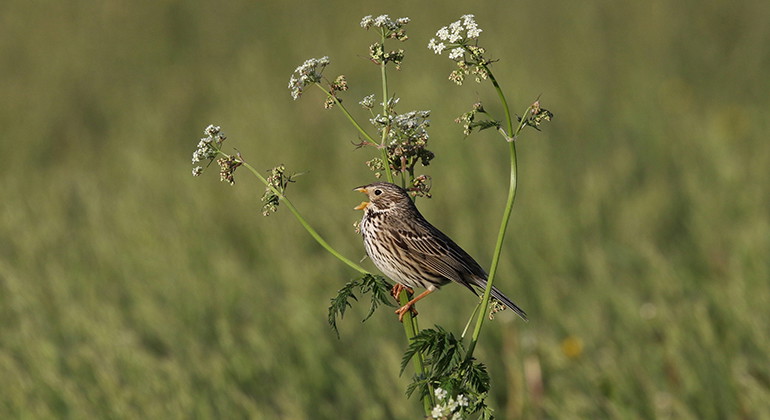
The last stronghold of the corn bunting in the country
The area's small-scale and less intensive agriculture has also allowed the rare Barred Sparrow to survive with a small population. In spring, males can be heard singing on fence posts along the highway. The corn bunting, or 'corn lark' as it used to be called, used to be a very common bird in the plains of Skåne. Today, one of the last populations in the country is found right here, at Hammars backar.
Outdoor life
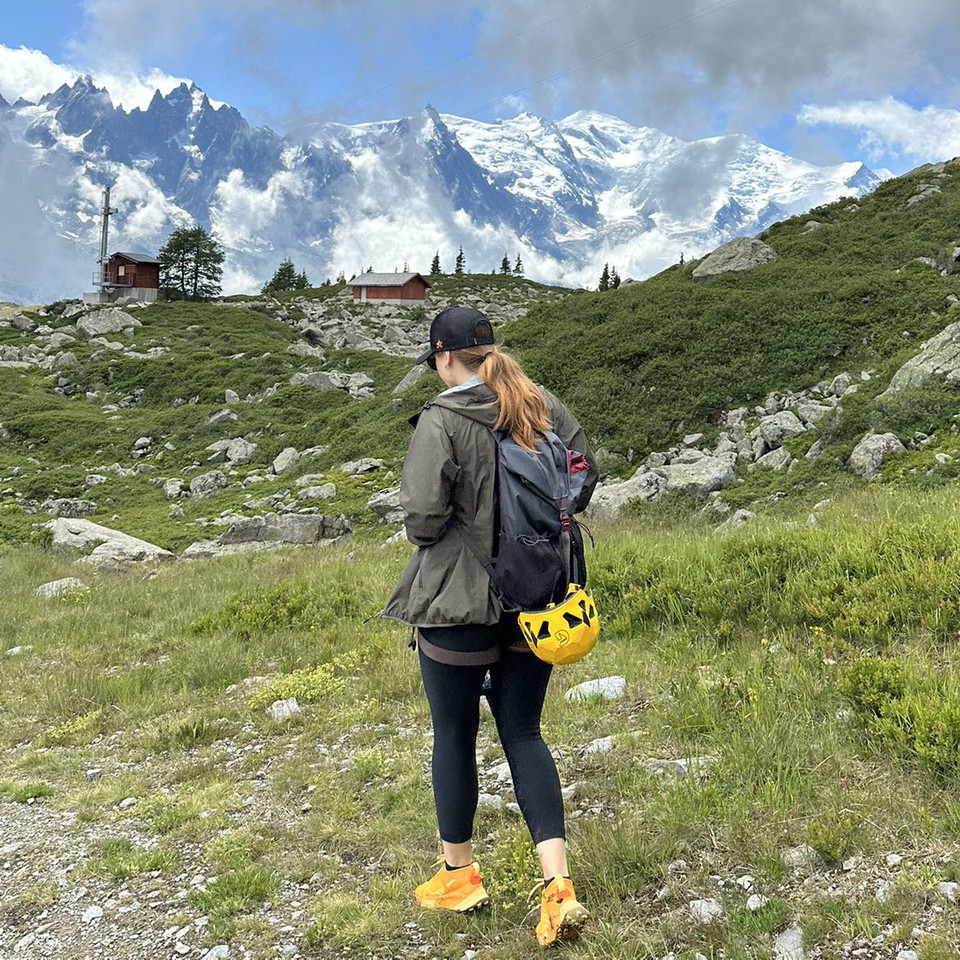
The Skåneleden trail (SL4 Österlen, stage 2) winds through the area, including up at the edge of the coastal cliff. Both Skåneleden and the hiking trail from the parking lot in Kåseberga take you to the popular attraction Ales stenar. Remember to show consideration for the grazing animals when you enter the pasture, and to avoid the cliffs.
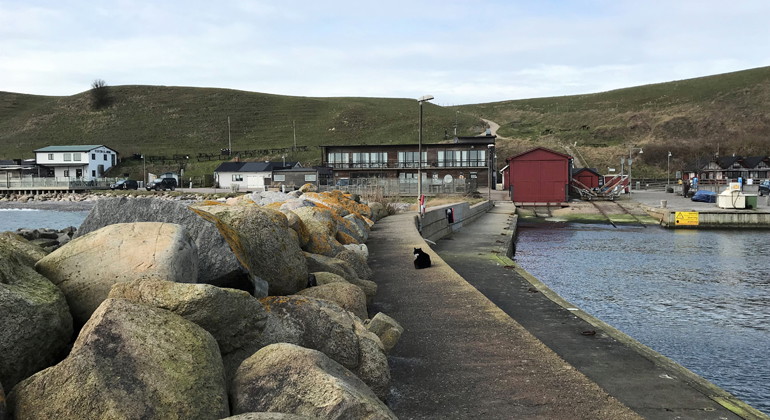
There are several parking lots adjacent to the nature conservation area. At Kabusa shooting range, in Kåseberga, at Löderup beach bath, in Backåkra nature reserve and in the northern part of Hagestad nature reserve. At the parking lot in Kåseberga there is a toilet and a bus stop. There is also a bus stop along Östra Kustvägen.
Thank you for taking your rubbish home.
In English
Welcome to the nature conservation area of Hammars backar-Kåsebergaåsen
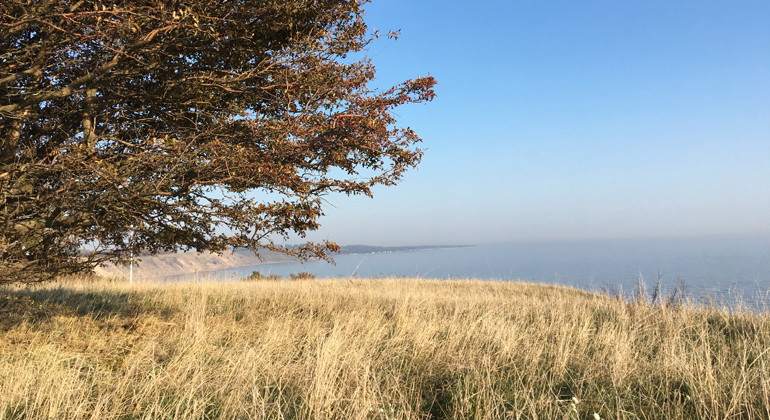
This is a landscape of sand, wind, and the sea. The sandy hills of Kåsebergaåsen descend steeply down into the sea and the views are endless. Perhaps this is why our forefathers chose just this spot for their mythical stone monument shaped like a ship - Ale Stenar (Ale's
Stones).
The cows have grazed on the sandy slopes of Kåsebergaåsen ridge for many hundreds of years. It is thanks to them that we have this open, species-rich landscape. In April and May, the barren slopes are colored yellow by flowering cowslips, eastern groundsel and bulbous buttercup. In places it shifts to purple from dwarf pasqueflower and pasqueflower. On warm summer days, there is an eternal fluttering and buzzing of butterflies, bumblebees and bees looking for nectar and pollen, among the flowering herbs.
Sand martins make their nests in the hard-compacted sandy slopes, whilst tawny pipits prefer a sandy pit or grassy tuft on the open areas.
On this southeasterly corner of Skåne, many migrating birds pass over during the spring and summer, primarily sea birds. Visit Kåseberga in April and watch thousands of eider ducks on their journey northwards.
Regulations
Within the nature conservation area of Hammars backar-Kåsebergaåsen it is forbidden to:
- dig, bore, chisel, paint or otherwise damage boulders, stone walls, living or dead trees, bushes, and stumps,
- intentionally disturb the wildlife,
- light a fire other than on the beach. It is therefore not forbidden to use your own barbeque, camping stove or equivalent. The regulation does not either apply to gardens.
- camp or park up a caravan, camper van or equivalent. It is however not forbidden to camp for one night with a tent.
- use a radio, tape player or equivalent in a disturbing way,
- put up signs, posters, plaques, notices, inscriptions, tape or equivalent items. The regulation does not apply for putting up temporary - maximum one (1) day - signs, posters, plaques or tape in relation to the implementation of a specific event.
Aktiviteter og faciliteter
- Naturværdi
Fakta
Established: 1996
Size: 675 hectares
Municipality: Ystad
Administrator: County Administrative Board of Skåne
Protection type: Nature conservation area and Natura 2000
Rutevejledning
Walk, cycle, take public transport or drive here. Map and directions via Google maps or coordinates (WGS84).
Regler
**Within the area, special rules and restrictions apply to the right of public access.
For example, it is forbidden to:
- make fires outside designated areas
- camping or setting up a caravan/mobile home
- disturb the surroundings
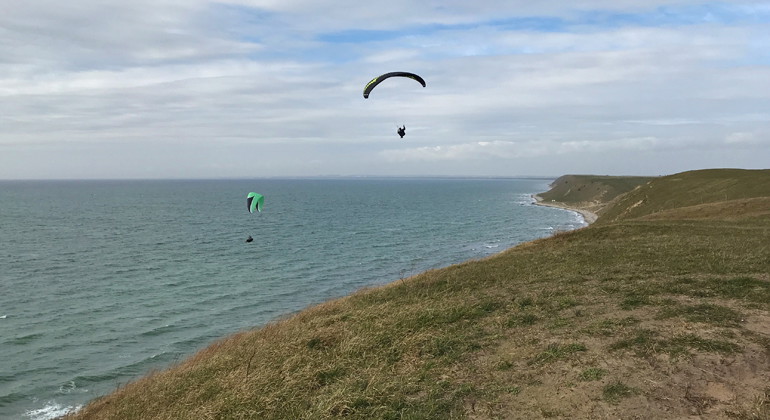
- NOTE: restrictions on hang gliding and paragliding see Appendix 1
Appendix 1, Hammars backar-Kåsebergaåsen (about paragliding etc.) Pdf, 60.4 kB, opens in new window
It is important to note that this is only a selection of the rules.
Full regulations for visitors
In addition to regulations and prohibitions in other laws and regulations, it is forbidden to:
- dig, drill, chisel, paint or otherwise damage boulders, stone walls, living or dead trees, bushes and stumps
- deliberately disturbing wildlife
- light a fire except in a designated fire pit or on the beach
- camping or setting up a caravan, camper van or similar
- Appendix 1 states what applies to hang-gliding and paragliding Applies since 1997 when the previous ban was repealed.
- use a radio, tape recorder or equivalent in a disruptive manner
- affixing a board, placard, sign, poster, inscription, signpost or similar device.
Regulation (3) does not apply to the prohibition of using equipment such as barbecues, camping kitchens or similar. The regulation also does not apply to burning on land. Regulation (4) does not apply to camping for one night with a camping tent. Regulation (7) does not apply to the temporary - maximum one (1) day - erection of boards, posters, signs or signs in connection with the implementation of a special event.
Appendix 1, Hammars backar-Kåsebergaåsen Pdf, 60.4 kB, opens in new window
Kontakt
Adresse
Under LÄNKAR kommer du till aktuell reservatssida på Länsstyrelsens webbplats, med fördjupande information som kartor, broschyrer och hänvisning till relevanta aktörer. Här finns även en rapportfunktion för dig som vill lämna uppgifter om naturreservaten som vi förvaltar.
E-mailadresse
Organisationens logo
Jeg har været her 7
Jeg vil gerne derhen 1
Spørgsmål og svar
Stil et spørgsmål til andre Naturkartan-brugere.
Anmeldelser
0 anmeldelser
- 5 :
- 4 :
- 3 :
- 2 :
- 1 :
Brugernes billeder
Der er endnu ingen brugerbilleder. Vær den første til at dele et!