-
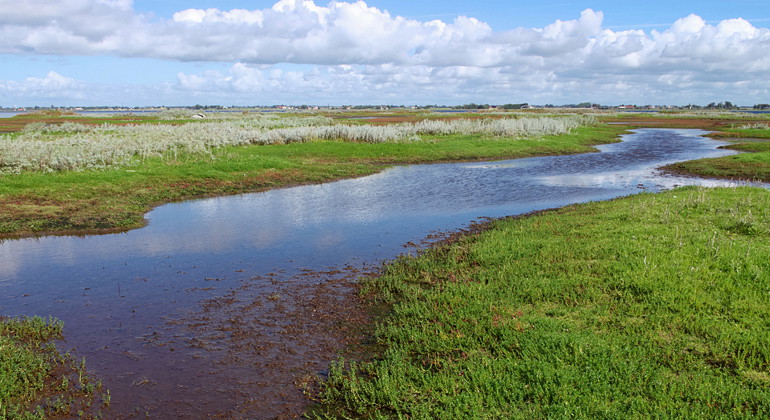
Näsholmarna.
Foto: Björn Olsson -
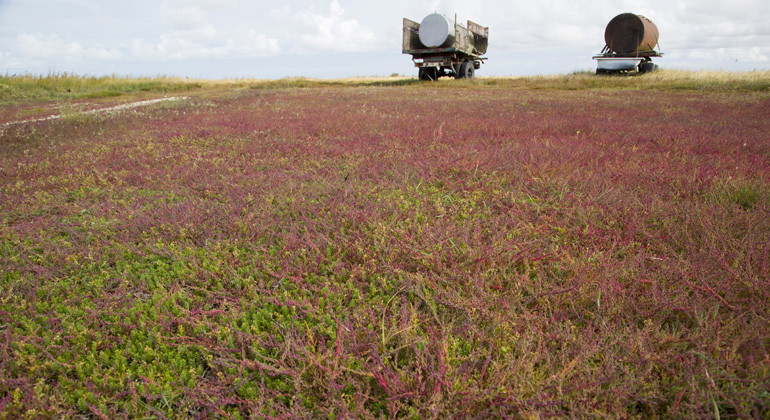
Saltört.
Foto: Alex Regnér -
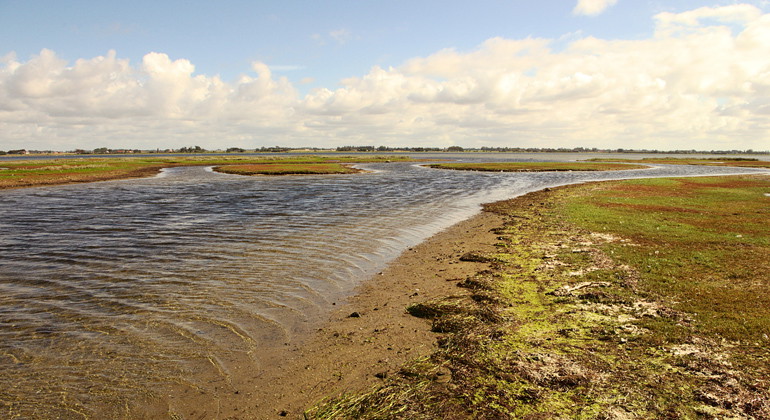
Näsholmarna.
Foto: Björn Olsson -
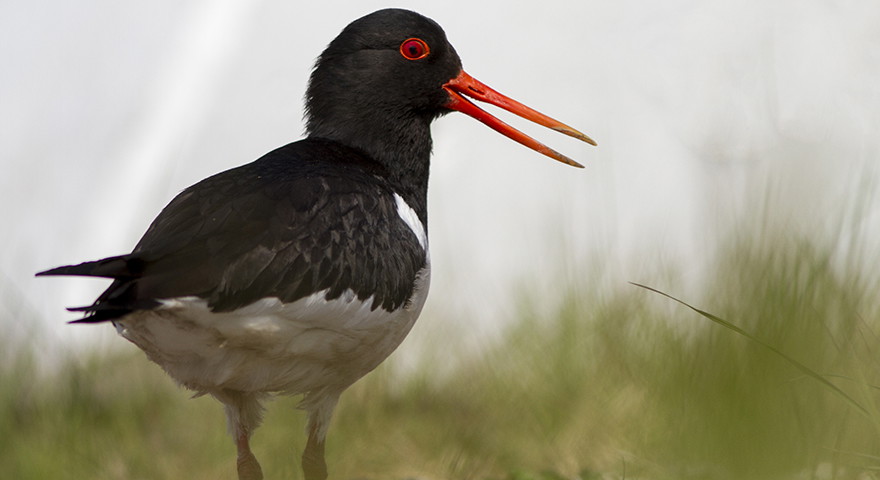
Strandskata.
Foto: Alex Regnér -
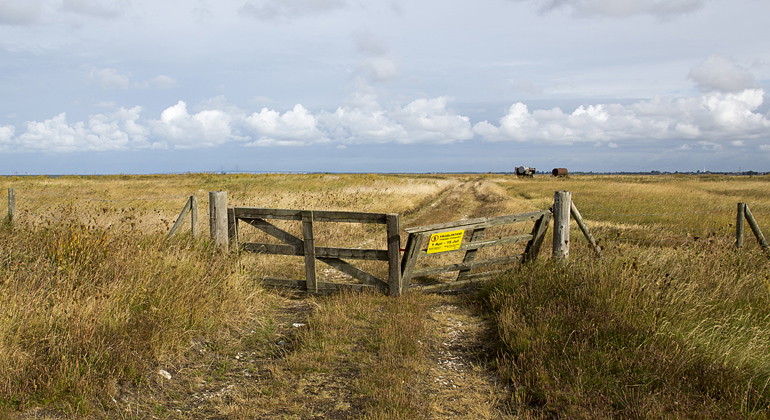
Fågelskyddsområde.
Foto: Alex Regnér -
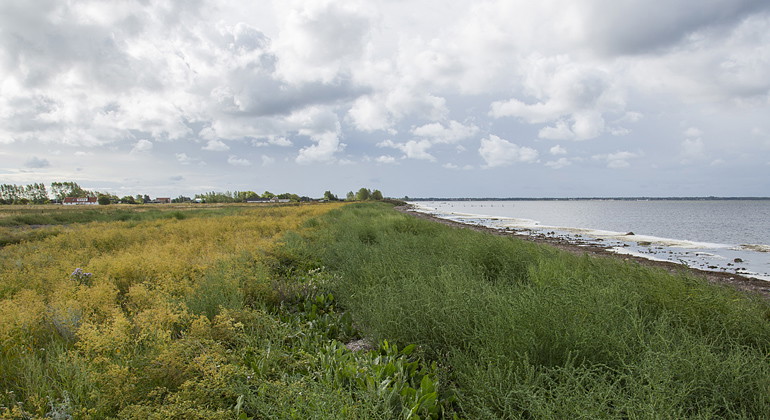
Hammars näs.
Foto: Alex Regnér -
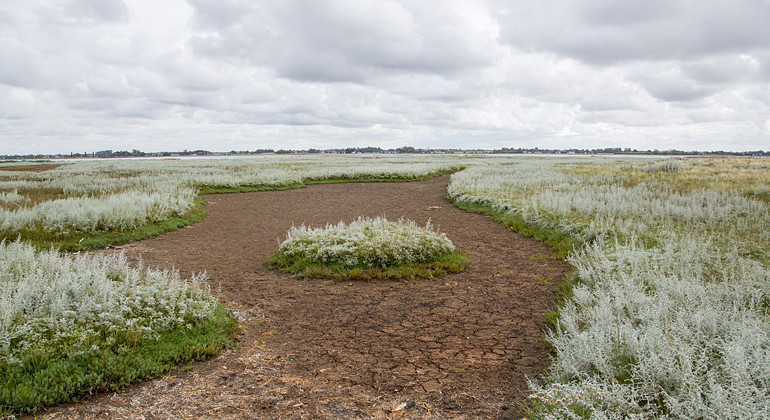
Hammars näs.
Foto: Alex Regnér -
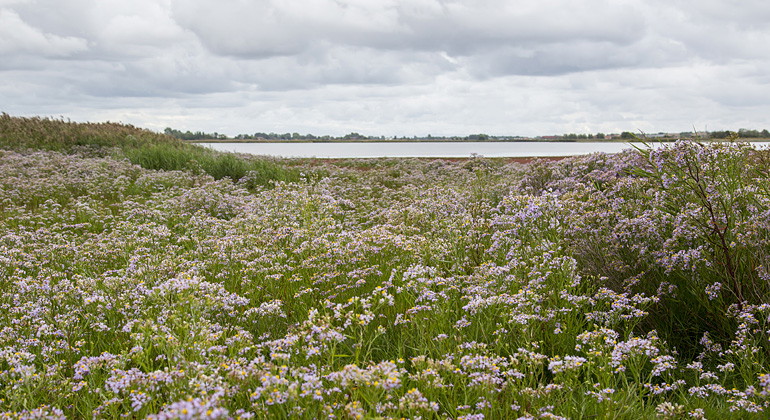
Hammars näs.
Foto: Alex Regnér -
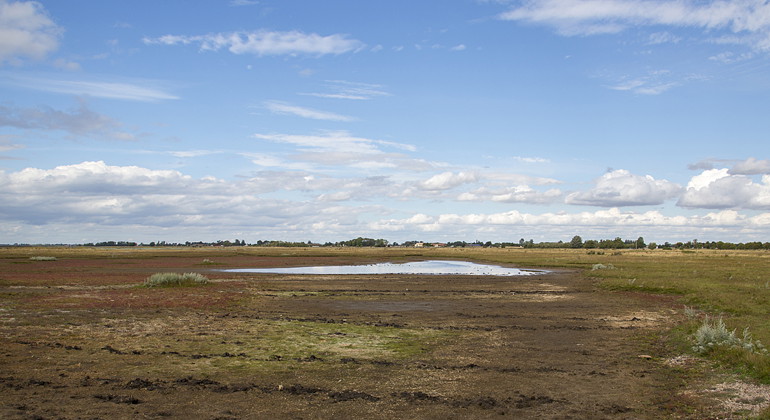
Vellinge ängar.
Foto: Alex Regnér -
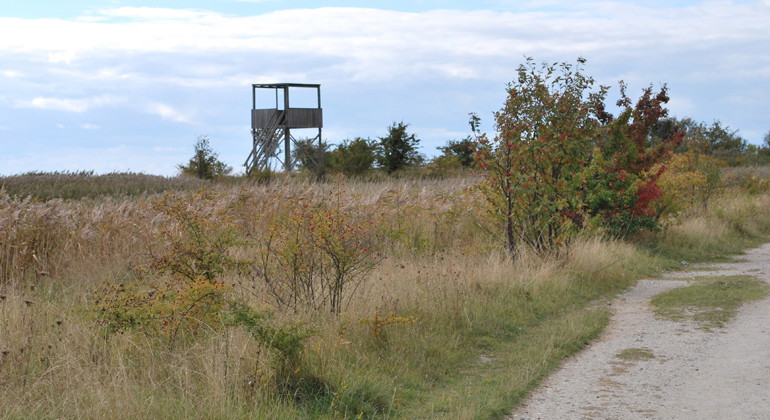
Klagshamns udde.
Foto: Mona Persson -
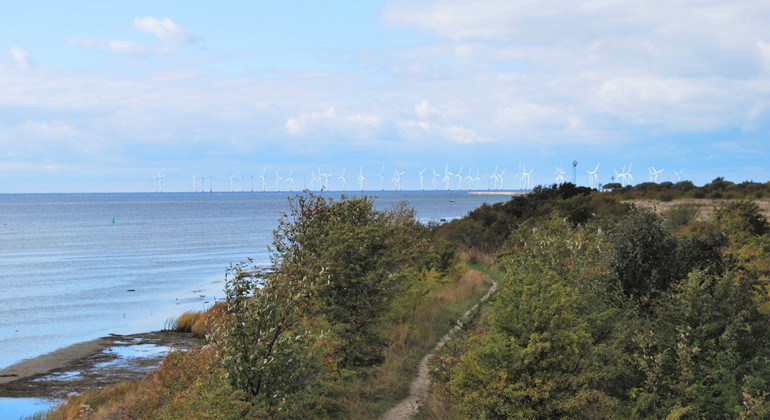
Klagshamns udde.
Foto: Mona Persson -
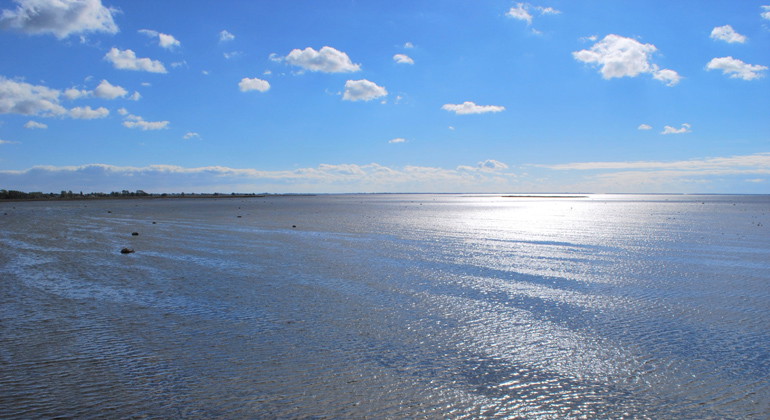
Klagshamns udde.
Foto: Mona Persson -
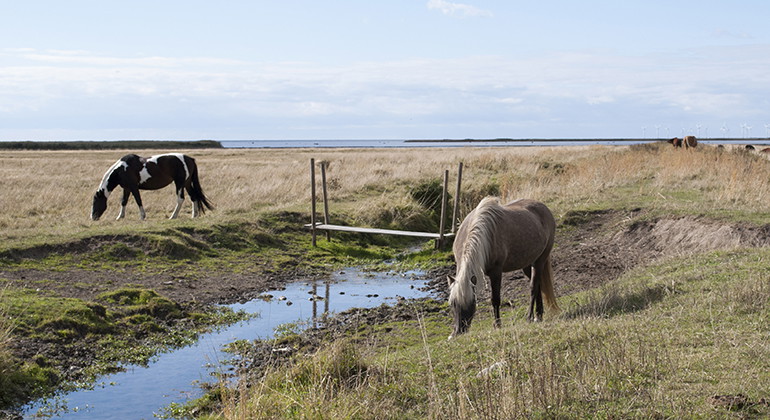
Foto: Mona Persson -
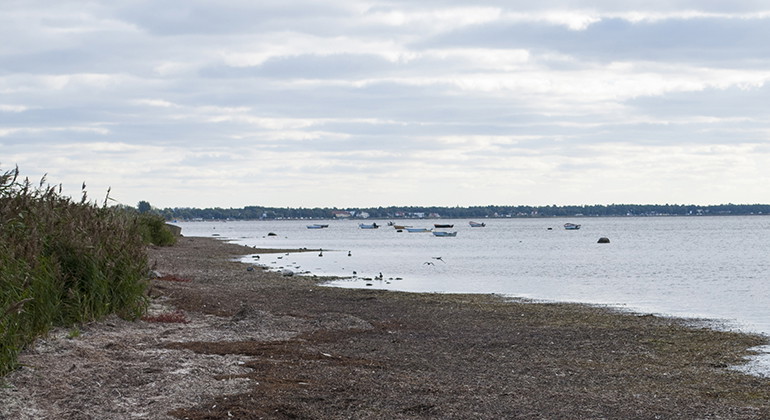
Båtplats.
Foto: Mona Persson -
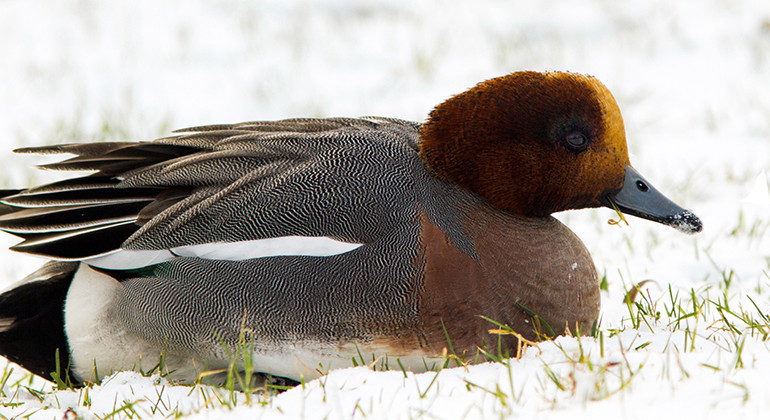
Bläsand (hane).
Foto: Alex Regnér -
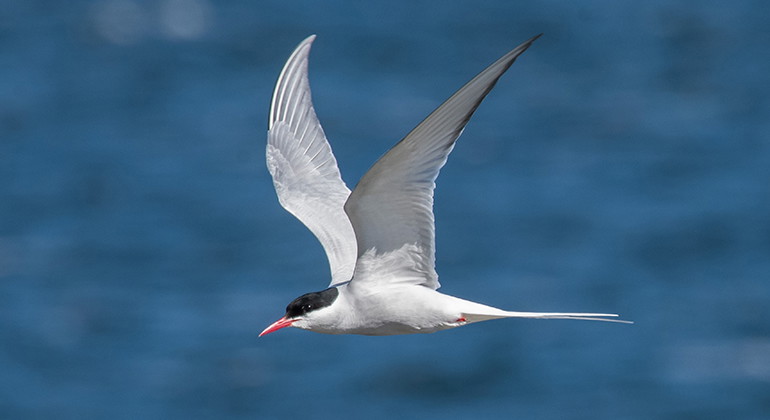
Silvertärna.
Foto: Mostphotos -
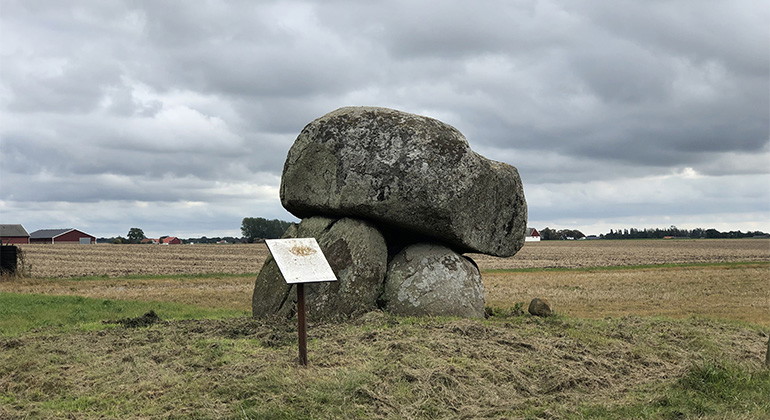
Dös strax utanför reservatet vid Eskilstorps ängar.
Foto: Carina Zätterström -
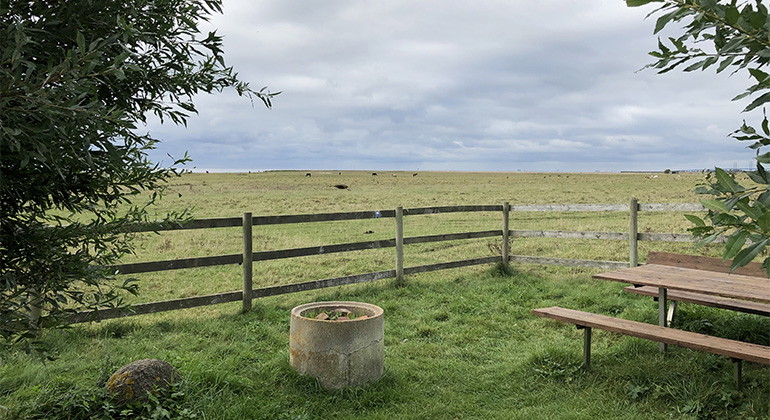
Rastplats vid Eskilstorps ängar.
Foto: Carina Zätterström -
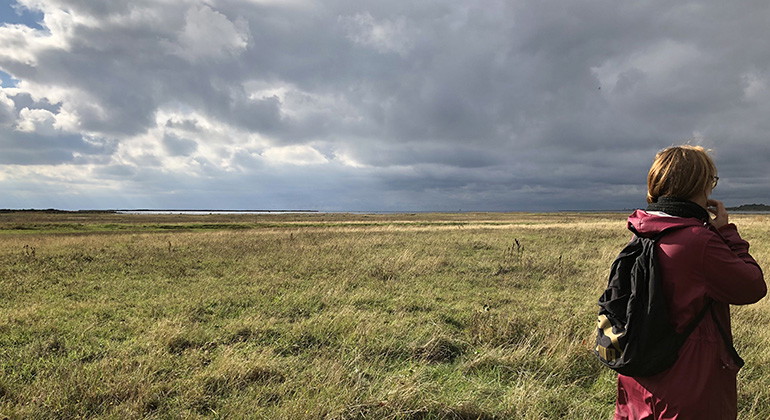
Tygelsjö ängar.
Foto: Carina Zätterström -
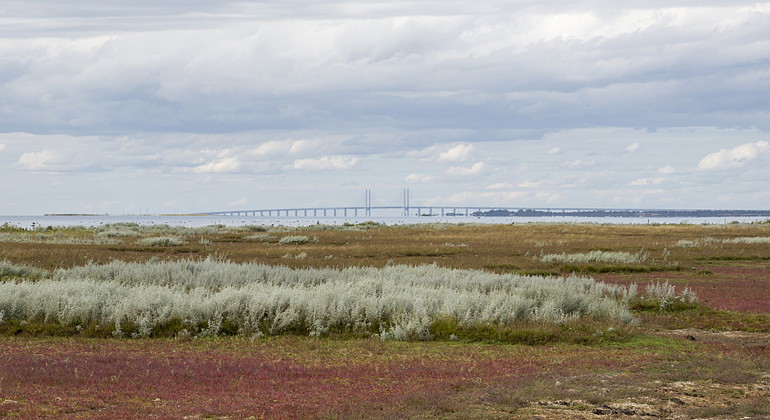
Från Vellinge ängar har man utsikt mot Öresundsbron.
Foto: Alex Regnér
Foteviksområdet, Naturreservat
- Naturreservat
- Amt: Skåne län
Handlinger
Beskrivelse
Here you are greeted by sky, sea and vast green fields. Even today, the coastal meadows are used for grazing. In spring, the land is teeming with life. You can hear birdsong and the call of toads. Hammarsnäs, Eskilstorp meadows and Tygelsjö meadows are popular birdwatching locations for those interested in birds. Respect the areas with bird protection. There are no marked trails in the Fotevik area, but there are paths to follow that run from north to south. Just south of the reserve is the Skåneleden trail, which takes you around the entire Falsterbo peninsula.
A long history
The open and flat land along the coast has been used as pasture for over a thousand years. Grazing and haymaking, together with flooding, have created treeless expanses. Even today, the coastal meadows are used for grazing. The salt-affected plants taste particularly good in the brackish water of the sea. Some small areas are also mown. In Viking times, when Harald Bluetooth was king of Denmark and Skåne, the Scanian navy laid up its boats for winter rest on the shores of Foteviken.
A miniature landscape with flowering hills
In some places, you can see grass-covered tufts. These high hills with flowering brambles on top are formed when the yellow tufted ant builds its nest in grass tufts. Here, the ant lives a reclusive life and is not often seen outside its nest.
Bird life
The coastal meadows have their own special bird fauna with wading birds and ducks. In spring, the waders nest in the pasture, a stone's throw from the dinner table in the water. Foteviken is an internationally important staging area for birds on their way to and from their winter quarters, listed as an Important Bird Area in the Ramsar Wetland Convention. Among the many resting guests are golden plover, little snipe, ruff, curlew, greenfinch, lapwing and dunlin. Several species of waterfowl such as Greylag Goose, Canada Goose, Barnacle Goose, Mute Swan, Whooper Swan, Teal and Common Goldeneye, as well as passerines such as Skylark, Winter Wren, Rock Bunting, Snow Bunting and Lapwing are regularly seen among the resting birds.
The rarities of Foteviken
There are a number of rare species that are specifically linked to the Foteviken area. The coastal meadows around Foteviken are Sweden's most important site for the very rare southern marsh fritillary. The rare amphibians green spotted toad and beach toad also live here. In reed areas you can find the white strawfly, a very rare moth that is only found in a few places in Skåne.
The seabed
Under the surface is also full of life. Buried in the sand of the shallow bottoms are bristle worms and mussels. Out a few meters deep, the green eelgrass meadows sway. The whole bay is one big nursery for fish fry, especially for flatfish like flounder and plaice.
Various bans protect a rich bird life
Lilla Hammarsnäs, the islets in Foteviken and the northernmost shore meadows have been protected in the form of a trespassing ban so that we humans do not disturb the valuable bird life. You are not allowed to stay here, or go ashore, during the time when the access ban is in force. To protect the birdlife, it is also forbidden to carry out various water activities such as windsurfing, kitesurfing, water skiing or flying drones or kites within the boundaries of the nature reserve.
Outdoor recreation
The Fotevik area, Klaghamsudden Link to another website. and Bunkeflo beach meadows Link to another website. reserves form a continuous coastal area that is protected from the Öresund Bridge in the north down to Höllviken in the south. The Fotevik area is the southernmost of these and is also connected to the reserves along the Falsterbo peninsula.
There are no marked trails in the Fotevik area, but there are paths to follow that run from north to south. Just south of the reserve is the Skåneleden trail (SL5 Öresund, stage 20), which takes you around the Falsterbo peninsula. Tygelsjö meadows, in the north-eastern part of the reserve, is a fine bird site. It is forbidden to enter the meadows from April 1 to July 15, so only walk in the narrow "corridors" created for visitors. Eskiltorp's meadows, a bit south, also offer great experiences for those interested in birds. There is a picnic area with a fireplace and an ancient relic in the form of a pond. Remember to bring charcoal if you are going to barbecue and to take your rubbish home. There is also a parking lot here. Lilla Hammars näs is another bird paradise with a ban on entering the meadows from April 1 to July 15. The ban is in place to prevent the birds from being frightened and abandoning their young. South of the reserve is the nearest bus stop called Kungstorp.
In English
Welcome to Foteviksområdet Nature Reserve
The sky, sea and vast green fields. The coastal meadows of Foteviken are a remnant of the ancient pastures that once stret-ched along the west coast of Skåne. During spring the land is teeming with life. Here you will hear birds singing along with the mating calls of toads.
A long history
The open and flat land along the coast has been used as pasture lands for over a thousand years. Pasture and hayland in combination with floods have created treeless expanses. The salt-affected plants are extra tasty from the brackish seawater. The meadows are still used as pasture land. Some smaller areas are also used for hayland. In Viking times, when Harald Blåtand was king of Denmark and Skåne, the fleet from Skåne moored their boats on Foteviken's beaches for the winter rest period.
Bird life
The coastal meadows have their own special bird fauna with waders and ducks. In spring, wading birds nest on the pasture land, a stone's throw from the dining table in the water. Foteviken is an internationally important resting place for birds on their way to and from their winter quarters, and was adopted as an important bird area in the Ramsar wetland convention.
A miniature landscape with flowering hills
In some places you can see grassy tussocks. These high hills with a flowering thrift on top are formed when the yellow ants build their nests in the grass tussocks. Here the ants live a secluded life and will often not appear outside their nests.
Foteviken's rarities
There are a variety of rare species associated specifically with the Fotevik area. The coastal meadows around Foteviken are Sweden's most important locality for the southern dunlin. In the spring, they also serve as courtship and mating areas for the unusual green toad. The reedbeds are home to the Morris's wainscot, a rare moth.
Sea bottoms
It is also full of life under the sea surface. Polychaete worms and clams are buried in the sand in the shallow bottoms. Out at a depth of a couple of meters, the green eelgrass meadows sway in the wind. The entire bay is one big nursery for young fish, especially for flat fish such as flounder and plaice.
Regulations
Within the reserve, it is forbidden to:
- during the period 1 March to 30 November, set foot or reside on the Dynan islet or the Eskilstorp islets, and during the period 1 April to 15 July set foot or reside in the parts of the reserve's land and water areas marked with no admittance during this period and as shown on the map ,
- throughout the year across the entire reserve, engage in activities that may disturb wildlife such as water skiing, jet skiing, kite surfing, windsurfing, model plane flying, kite flying, or the like (except for wind and kite surfing in the area marked as "special water area" on the map ),
- operate water-borne motor vehicles at speeds above 5 knots,
- launch or land aircraft,
- play golf or similar games,
- intentionally disturb wildlife or grazing animals,
- walk dogs off leash,
- organize competitions that may interfere with the natural environment (does not apply to kite and windsurfing contests organized by a local club in the area marked as "special water area" on the map , and for the football tournaments on the land marked as "other land" belonging to Tygelsjö meadows,)
- dig, drill, paint or otherwise damage natural objects or surface formations,
- erect any kind of installation or set up of foreign objects in the reserve,
- drive or park a vehicle other than on roads or parking lots designed for this purpose in the reserve's land area,
- tent, or park a caravan, motor home or equivalent,
- moor or lay up the boat other than at the location marked on the map, following permission from the landowner,
- put up noticeboards, posters, signs, inscriptions or comparable items, except for buoys, boundary markers, reserve signage and other advice or prohibition signs,
- start fires, except for bonfires on Walpurgis night at the purpose built site at Gessie villastad's boathouse.
Furthermore, it is forbidden without the permission of the County Administrative Board to;
- capture or collect insects or other animals, or otherwise harm wildlife, and conduct scientific or other investigations that might interfere with the natural environment.
The County Administrative Board would also like to notify that, according to the Marine and
Water Authority regulations, the entire water area of the Fotevik area reserve is a closed area
for fishing. All fishing is forbidden except for artisanal fishing, if the fishing method as such
does not require the use of a boat, and fishing with fyke nets. In addition, a ban is in force
on all fishing over the period 15 September to 30 April in a semi-circle with a 300 m radius
starting from the mouths of both the Gessiebäcken and Bernstorpsbäcken streams.
Aktiviteter og faciliteter
- Naturreservat
Fakta
Established: 2011
Size: 2646 hectares
Municipality: Malmö, Vellinge
Manager: County Administrative Board of Skåne
Protection type: Nature reserve and Natura 2000
Rutevejledning
Walk, cycle, take public transport or drive here. Map and directions via Google maps or coordinates (WGS84).
Regler
**Within the area, special rules and restrictions apply to the right of public access.
For example, it is forbidden to:
- ride within the gray-striped area in Appendix 1A-B (new 2022)
- during the period March 1 - November 30, enter or stay on the islet Dynan or Eskilstorp islets, and during the period April 1 - July 15, enter or stay in the parts of the reserve's land and water areas marked with "entry ban" in Appendix 2B
- have a dog unleashed
- disturb wildlife
- camping
- set up a caravan/mobile home
- play golf or similar
- mooring or mooring a boat other than in the place marked in Appendix 3 , after the landowner's permission
- take off or land with an aircraft
- light fires
Appendix 1A-B, Fotevik area (riding ban, grayed out on the map) Pdf, 5.6 MB, opens in new window
Appendix 3, Fotevik area (marked moorings T) Pdf, 15.8 MB.
It is important to note that this is only a selection of the rules.
Full regulations for visitors
In addition to regulations and prohibitions in other laws and regulations, it is forbidden to:
- during the period March 1 - November 30 to enter or stay on the islet Dynan or Eskilstorp islets, and during the period April 1 - July 15 to enter or stay in the parts of the reserve's land and water areas marked with "entry ban" on the map; Attachment 2B
- throughout the year, throughout the reserve, engage in activities that may disturb wildlife such as water skiing, driving jet skis, kite surfing, windsurfing, model airplanes, flying kites, or similar,
- driving a waterborne motor vehicle at a speed exceeding 5 knots
- taking off or landing with an aircraft
- playing golf or similar
- deliberately disturbing wildlife or grazing animals
- bring an unleashed dog
- organize competitions that may disturb the natural environment,
- digging, drilling, painting or otherwise damaging a fixed natural object or surface formation
- carry out any form of construction or set up objects foreign to the reserve,
- drive or park vehicles other than on a designated road or parking lot in the reserve's land area,
- camp, set up a caravan, camping car or similar,
- moor or moor a boat other than in the place marked on the map; Appendix 3 , after the landowner's permission,
- affix a board, poster, sign, inscription or similar device, with the exception of sea marks, boundary markings, reserve signs and other directional or prohibition signs,
- light a fire, with the exception of the Walpurgis Night bonfire, in a place established for the purpose at Gessie villastad's boathouse (see map; Appendix 3 ).
- ride within the area marked on the map, Appendix 1A-B (new 2022)
Furthermore, without the permission of the County Administrative Board, it is prohibited to:
17. capture or collect insects or other animals, or otherwise harm wildlife, and carry out scientific or other investigations that may disturb the natural environment.
Bilaga 1A-B, Foteviksområdet (ridförbud) Pdf, 5.6 MB.
Appendix 2B, Foteviksområdet (beträdnadsförbud) Pdf, 3.1 MB, opens in new window
Appendix 3, Fotevik area (marked moorings and May Day bonfire) Pdf, 15.8 MB.
Kontakt
Adresse
Under LÄNKAR kommer du till aktuell reservatssida på Länsstyrelsens webbplats, med fördjupande information som kartor, broschyrer och hänvisning till relevanta aktörer. Här finns även en rapportfunktion för dig som vill lämna uppgifter om naturreservaten som vi förvaltar.
E-mailadresse
Organisationens logotype
Jeg har været her 5

Jeg vil gerne derhen 3
Spørgsmål og svar
Stil et spørgsmål til andre Naturkartan-brugere.
Anmeldelser
0 anmeldelser
- 5 :
- 4 :
- 3 :
- 2 :
- 1 :
Brugernes billeder
Der er endnu ingen brugerbilleder. Vær den første til at dele et!