
-
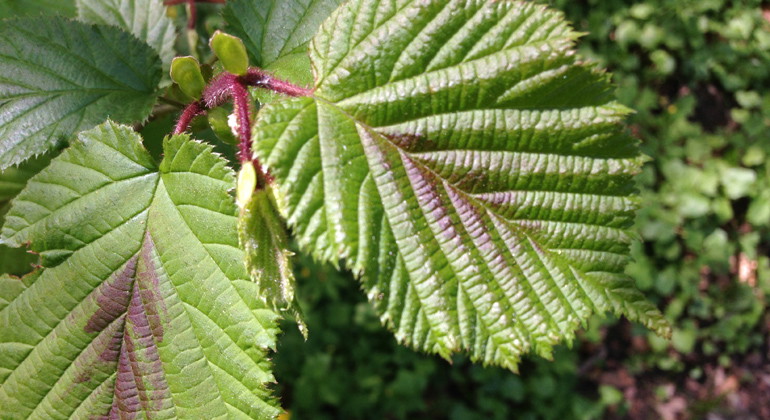
Hassel.
Foto: Tove Hultberg
Augustenborg, Naturreservat
- Naturreservat
- Amt: Skåne län
Handlinger
Beskrivelse
Aktiviteter og faciliteter
- Naturreservat
Fakta
Established: 2022
Size: 3 hectares
Municipality: Lomma
Manager: Lomma municipality
Protection type: Nature reserve
Rutevejledning
Walk, cycle, take public transport or drive here. Map and directions via Google maps or coordinates (WGS84).
Regler
**Within the area, special rules and restrictions apply to the right of public access.
For example, it is forbidden to:
- keeping a dog unleashed
- make an open fire
- setting up a caravan/mobile home
- ride a horse or bicycle when there is no designated trail
- dump garden waste
It is important to note that this is only a selection of the rules.
Full regulations for visitors
In addition to regulations and prohibitions in other laws and regulations, it is forbidden to:
- digging, removing, drilling, painting or otherwise damaging ground surfaces, rocks, water environments or other natural objects
- remove wood or break branches, fell or otherwise damage living or dead trees and shrubs
- pick, collect, dig up or otherwise damage plants, with the exception of pale balsam¹ and other species listed as an invasive species by Lomma municipality or by another authority²,
- pick, collect, dig up or otherwise damage mosses, lichens and wood-living fungi, with the exception of single specimens, provided that the collection does not violate the conservation regulations and that the findings are registered in the Species Portal or equivalent national database for endangered species,
- deliberately disturbing mammals and birds
- capture insects, spiders, shells or other invertebrates other than by hooking, hand picking or other selective method³ with subsequent re-release within the nature reserve, if it is permitted under the conservation regulations. The release requirement does not apply to single specimens of each species for species identification, provided that the findings are registered in the Species Portal or equivalent national database for endangered species,
- sow, plant or release plants, animals or other organisms
- bring an unleashed dog or other loose pet,
- put up a board, poster, poster, sign, light device, make an inscription or the like, other than in a designated place if such exists,
- use or drive vehicles or machines in a disruptive manner,
- drive a motorized vehicle, with the exception of assistive vehicles required to overcome disabilities,
- operate remotely operated unmanned aircraft such as model aircraft or drones at a height of less than 120 meters above ground level
- making open fires
- dumping waste such as garden waste, compost material, stones, rubbish or similar in the area
- set up a caravan, camping car or similar,
- organize competitions or other events without the municipality's permission
- ride a bicycle other than in a designated place if one exists,
- ride a horse other than in a designated area if available.
¹ Impatiens parviflora DC.
² Invasive species means species capable of extirpating any of the country's own species or populations, altering an entire ecosystem, carrying new diseases that attack native species, interbreeding with local populations, outcompeting threatened species for resources and habitat, or hybridizing with the country's own species. German maple
(sycamore maple) is not considered an invasive species.
³ Selective method means hand-picking, netting, screening or other techniques that directly release animals that are not to be studied in detail, and where the impact on their habitat is negligible or can be restored immediately. Traps are not considered selective, regardless of their design.
Jeg har været her
Jeg vil gerne derhen 1

Spørgsmål og svar
Stil et spørgsmål til andre Naturkartan-brugere.
Anmeldelser
0 anmeldelser
- 5 :
- 4 :
- 3 :
- 2 :
- 1 :
Brugernes billeder
Der er endnu ingen brugerbilleder. Vær den første til at dele et!