

Mörbylånga kommun - Öland
Välkommen till vårt fantastiska friluftsliv i v...

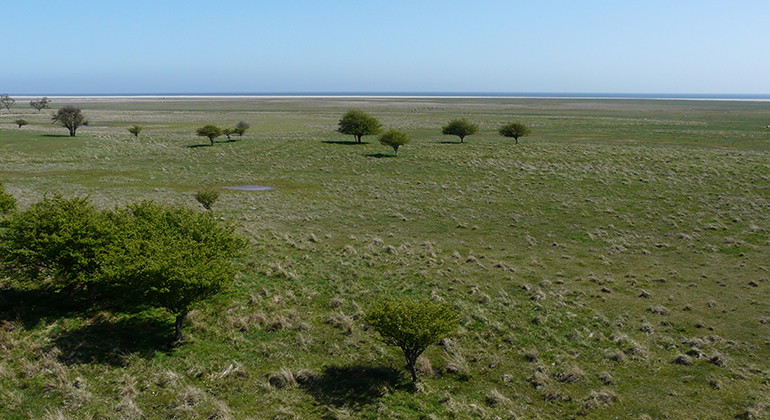
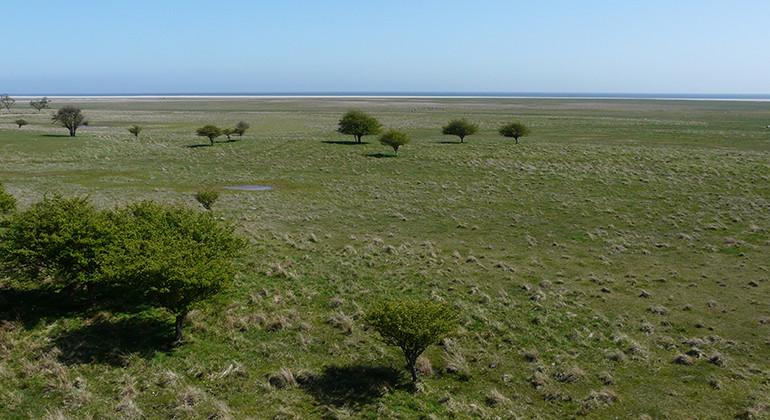
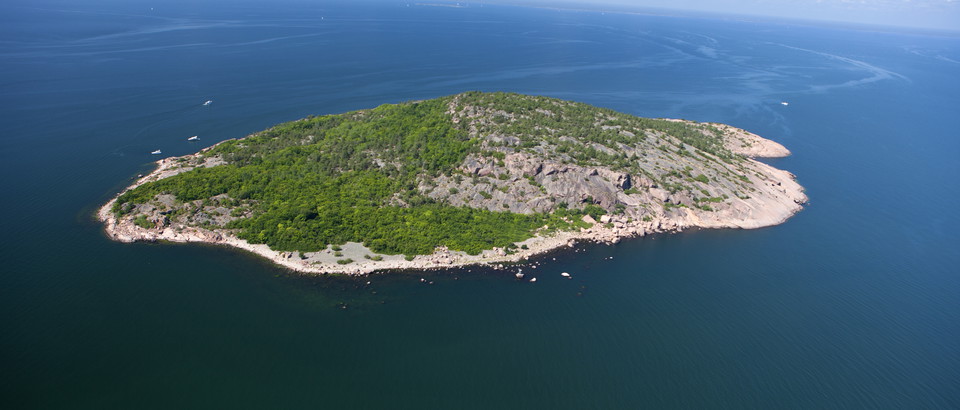
On the southern tip of Öland, one of Sweden's best bird locations, lies the Ottenby nature reserve. The reserve is one of the largest in Kalmar County and covers 995 hectares.
Contact the Nature Management Unit, Kalmar County Administrative Board
Telephone 010-223 80 00 (switchboard)
A birdwatcher's paradise
Ottenby is widely renowned as a birdwatching destination. Lots of resting and breeding species can be seen here every year and rarities often turn up here. At Ottenby fyrby, along the bottom of the headland, there is a bird station run by the Swedish Ornithological Society. Thousands of birds are ringed here every year and there is also flu research going on.
Långe jan
The Långe Jan lighthouse is one of Öland's most famous landmarks. It was built in the 1780s and, at 42 meters, is Sweden's tallest lighthouse.
Varied natural land
The reserve consists of a number of areas, different in character. There are extensive lakelands, scrublands with hawthorn and hawthorn and the magnificent Ottenby grove, which dates back to the 18th century. It is man's way of farming the land according to nature's conditions - ever since ancient times - that has made Ottenby what it is. The large number of grazing animals on the Schäferi meadows and the land along the lighthouse road is a necessity for maintaining the character and biological richness of the landscape. Birdlife and plants have adapted over centuries to the living conditions of the open fields and would disappear if they became overgrown.
The shepherd's meadows
The mowed part of the shepherd's meadow is a grassland. Since 1991, an area of approximately 55 hectares has been managed by haymaking and grazing. Most of the management area consists of herb-rich, healthy land, moist in spring and early summer, with a predominance of bluebell, meadowsweet and sheep's fescue. In the past, this was a well-known site for the corncrake, which thrives in the tall grass of the hay meadow in early summer. Unfortunately, it is now rarely heard in the summer night. The Schäferiängen grazing area includes the entire southern Schäferiängen. The southern part of Schäferiängen is largely occupied by a wet vegetation with creeping bent as the most common species. The vegetation here is strongly mosaic-like due to small variations in the thickness of the soil cover and degree of drying during the summer. A large number of waders and ducks breed here, including the southern marsh fritillary, which is a sign of really well grazed coastal meadows.
West field and Hingsthagen
Västra marken and Hingsthagen's vegetation consists of dry slopes with luddlost, sheep's fescue, black clover and ryegrass as some of the dominant species. Moister areas are occupied by an alder community, with scattered brambles. The beach in the southwest, inside Kapellviken and further south along the lighthouse road, is occupied by beach meadow vegetation dominated by creeping bent and saltwort. There are also plenty of salt marshes here with, among other things, beach grass and dwarf otter. The scrublands are home to birds such as the Eurasian wagtail and the common sandpiper, while on the southern part of the lighthouse road you can see nesting little terns, oystercatchers and oystercatchers.
The forest
Until the beginning of the 20th century, the woodland in Ottenby lund was dominated by birch. Today, Ottenby grove is a mixed deciduous forest, with birch and oak as the dominant tree species. Of great importance, both in terms of nature conservation and cultural history, is the presence of old and large trees. Some 25 old and large oaks grow here, the oldest of which have a trunk circumference of over 400 cm and are over 400 years old. They are home to a large number of lichen species. Around 25 red-listed lichen species were found during an inventory in 1994. These include the critically endangered Opegrapha lyncea, which in the whole country is only known from a single oak in Ottenby grove.
The lakes
There are also a couple of wildlife lakes in the management area: Prästtorpssjön and Ljungbackasjön. The bird choir in early summer in Lunden is outstanding, and among the real eaters can be mentioned both the summer wren and the lesser flycatcher. The small Kyrkängen meadow on the northern edge of Norra lunden is the only one of the meadows in Ottenby lund that has not been affected by fertilization and other management measures. It is therefore of great value as a reference area for what the meadows in the grove may once have looked like. Remnants of the original meadow flora are still preserved here, with species such as maidenhair fern and hogweed.
Skogsudden
The so-called Skogsudden, which starts south of the wall towards Södra lunden, was separated from Ottenby lund with the construction of the wall in 1694. The area is dominated by oak and birch, with alder in the wetlands and marshes that are dammed up by the old embankment systems. This area also contains large oaks and rowan trees with red-listed lichen species. There is also a good chance of encountering the hawk warbler here. Lund Lake in the south-eastern part of the forest headland was created at the end of the 1960s by digging up and embanking a former marshland. This wild water has acted as a magnet for birds such as coots and grebes, which now nest in the lake.
Drive road 136 to the southern tip of Öland. The area has two large parking lots; Södra and Norra lundparkeringarna, here are also toilets. At the entrance there is also the Kungsgård parking lot with information about the reserve
In the nature reserve you are not allowed:
Per Markus Jönsson





Stil et spørgsmål til andre Naturkartan-brugere.
0 anmeldelser
Der er endnu ingen brugerbilleder. Vær den første til at dele et!