
-
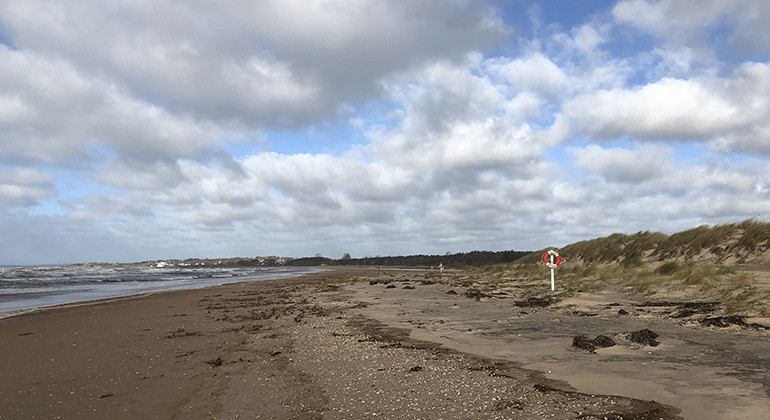
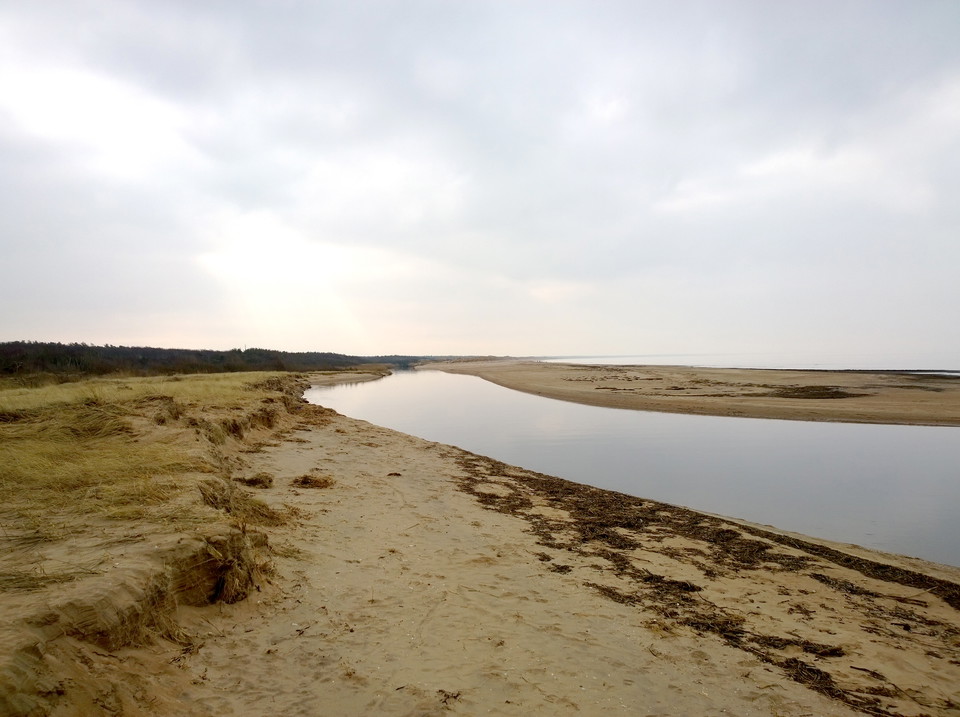
Vy från strandkanten ut över havet -
-
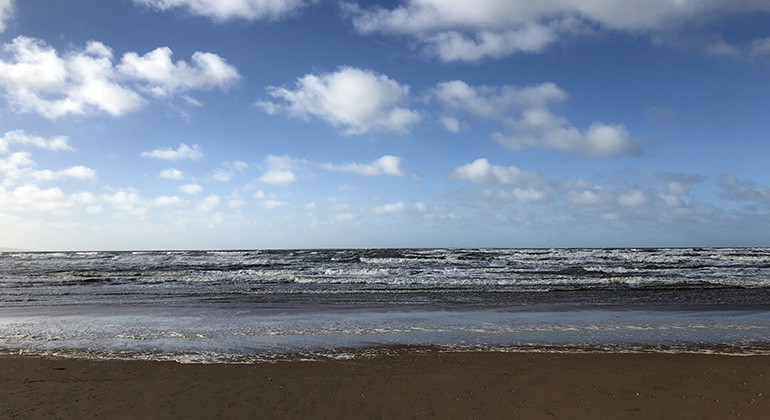
Vy över havet -
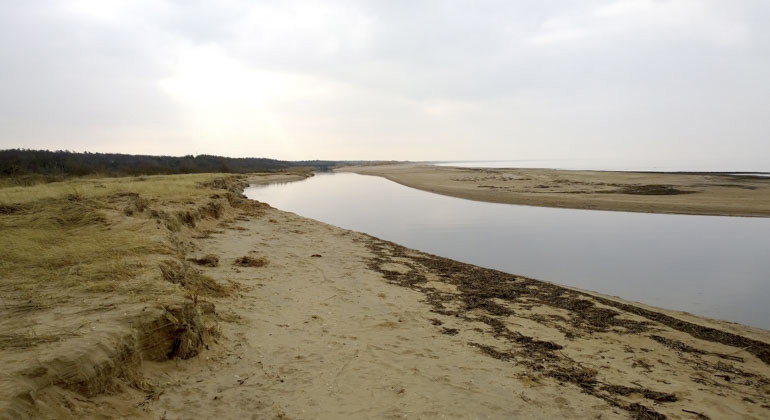
strandremsa i reservatet -
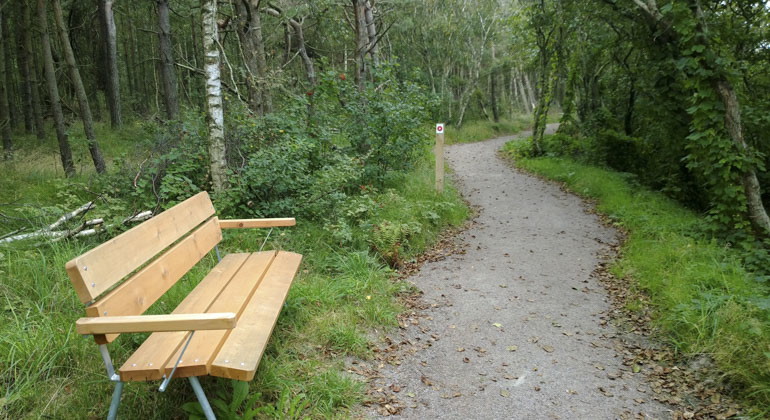
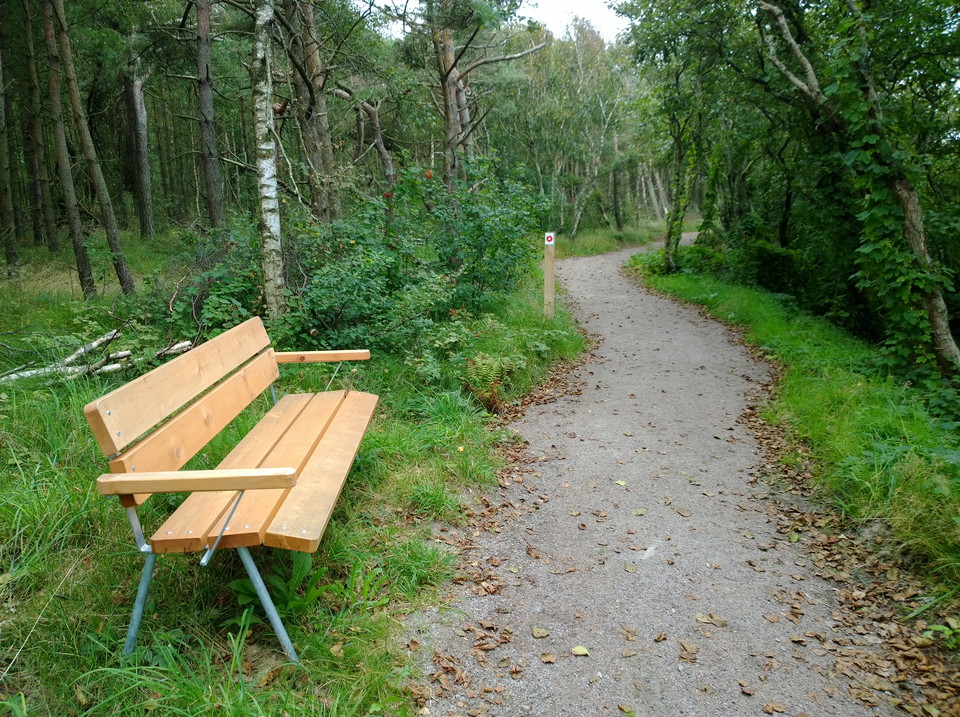
En bänk vid en stig i reservatet -
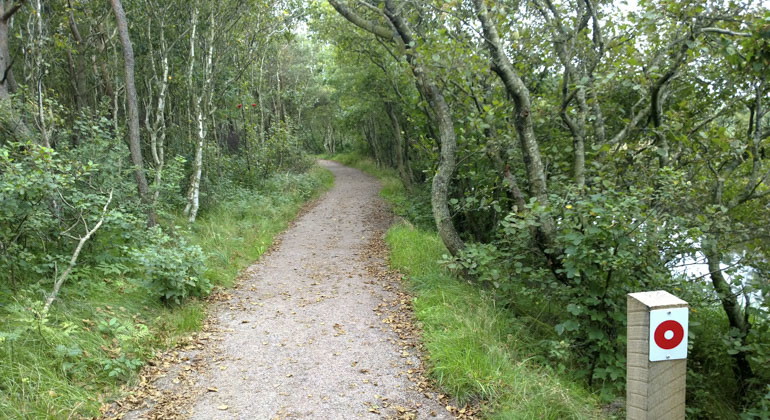
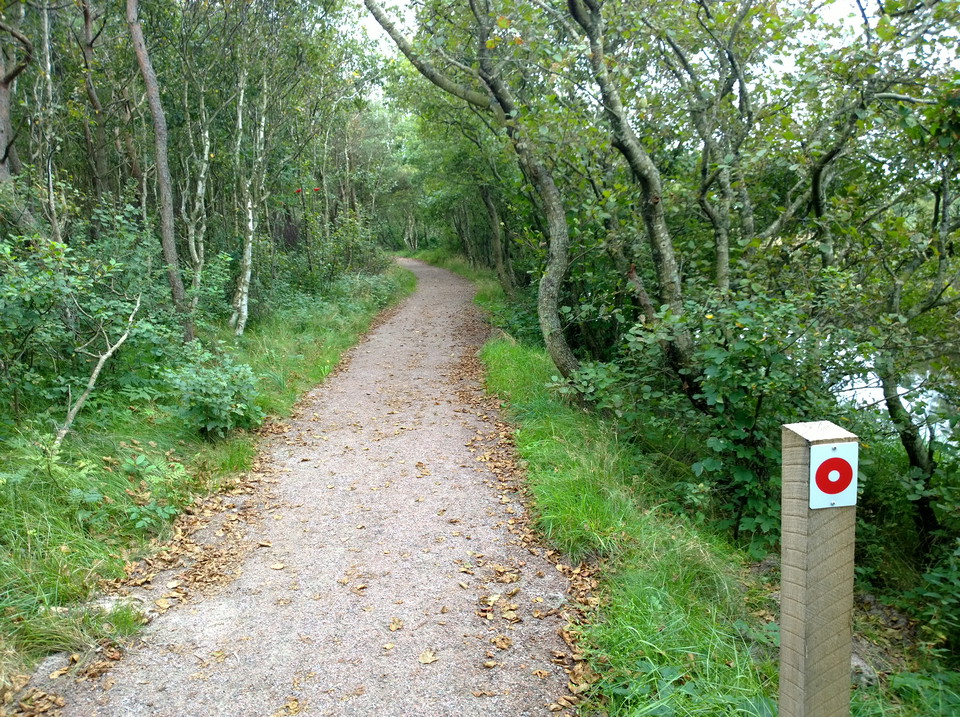
Ledmarkering vid stig -
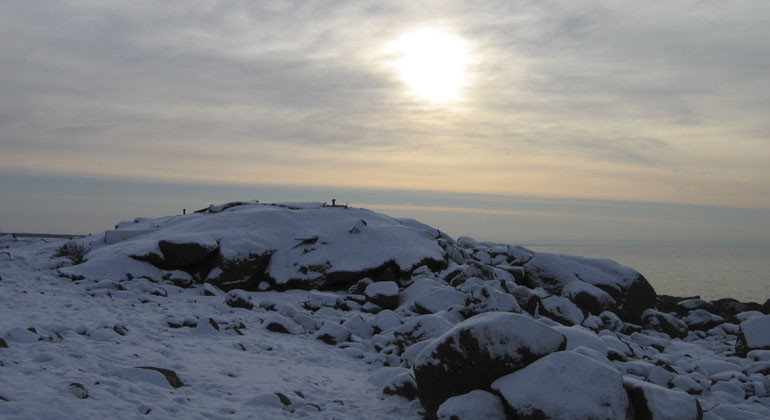
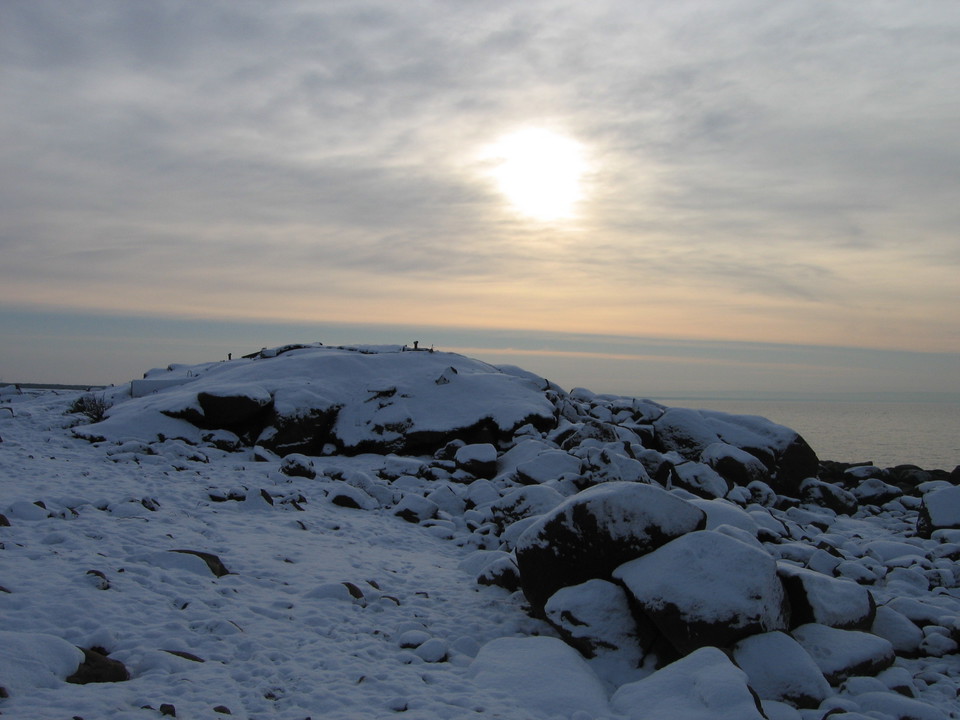
Reservatet på vintern -
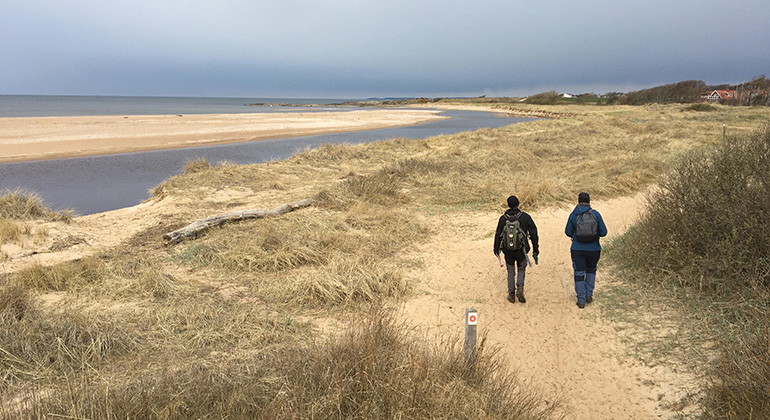
Två personer promenerar på en röd led vid havet -
-
-
Gullbranna, Naturreservat
- Naturreservat
- Amt: Hallands län
Handlinger
Beskrivelse
In Gullbranna, the beach attracts many bathers during the summer months. Just over a century ago, the area was virtually treeless. Nowadays, open sandy areas are a rare habitat with endangered plant and animal life. The outlet of the Genevadsån river divides the reserve into an eastern and a western part, connected by a suspension bridge.
On the dunes closest to the sea, sand reeds and beach rye grow. Within these you will find grass and sedge areas with a sometimes rich flora with species such as monkshood, marsh marigold and meadow violet. Creeping willow grows in damp dune hollows. Swallows, skylarks and partridges nest here. The dunes are also a habitat for several unusual beetles and wasps, such as the unusual bee beetle. In the fall, you may also be lucky enough to find the unusual dune sponge.
Forests with lianas
Both here in the southern parts of Gullbranna and in the neighboring Tönnersa reserve, a lush forest grows today. Bumblebees climb like vines on the old alder trunks. In the wetter parts, in the so-called Trollskogen, the alders have a twisted, exciting growth pattern due to the wind. Here, as well as in the damp alder swamps behind the dunes in the Tönner Reserve, you can see the country's smallest woodpecker, the lesser spotted woodpecker.
Hiking trail and table
There is an excellent hiking trail in the reserve. The northern round is about 1.3 kilometers. To the south there are two stretches of which the short one that you go via the shortcut is about 2.1 kilometers. If you go the late route, the loop is 2.8 kilometers. Map available as PDF further down the page. There are plenty of rest areas in the area where you can sit down and enjoy your coffee. In the northern part of the reserve, at the parking lot by the reserve road, there is also a toilet.
Pine trees as protection from the wind
Other parts of the reserve are covered with pine forest, which was planted in the 19th century to stop the sand escaping. Nowadays, the pine trees grow together with spontaneous deciduous trees. Under the pines, carpets of crowberry spread out. The forest that was once planted in an attempt to bind the sand has today become a problem as it has closed and only a few percent of the once open dunes remain. Instead, the sand dunes have been covered by grasses, sedges and deciduous shrubs. The encroachments and disturbances have had a negative impact on the natural environment and many species that were once common are now red-listed.
Changing landscapes
The location of the mouth of the Genevadsån river is constantly changing. In the past, it flowed into the border between the Gullbranna and Tönnersa reserves. Currents along the seashore build up the estuary with sand and move it northwards. After heavy storms, the river again breaks a straight channel towards the sea. After the storm Gudrun in 2006, the river broke a new such outlet. The open banks of the river and the adjacent sea beaches are the only remaining habitat in Halland for the critically endangered beach sand hunter and sea sandpiper beetles.
Strong currents in the sea and tricky outlet
Laholmsbukten is shallow but can be affected by very strong currents and sudden seabed changes on windy days. If you get caught in the current, try to stay on course along the coastline to get out of it.
As the outlet of the Genevadsån river moves throughout the year depending on the weather and wind, the surfaces around the outlet are sometimes slippery, with soft sand that can feel like quicksand, where you can easily sink. So be extra careful where you put your feet when you are out and about at the outlets.
New management measures
To save the unique flora and fauna of the dunes, we need to restore the dynamics of wind and sand. To achieve this, we have implemented extensive management measures. Clearing, burning and small-scale soil disturbance are examples of such measures. Through restoration, endangered species will be saved and lost species given a chance to find their way back.
Gullbranna Nature Reserve is one of the areas in Halland that has been restored as part of the EU Sand Life project.
Accommodation and catering not far away
Nearby Gullbrannagården Link to another website, opens in new window has tent and caravan sites and is open all year round. There is also a restaurant and café.
Digital folder and maps
Here you will find information and facts about the Sand Life project and Gullbranna, presented in a simple and concise way in text, images and maps.
Swedish version Link to another website, opens in new window
English version Link to another website, opens in new window
German version Link to another website, opens in new window
PDF version Pdf, 1.2 MB, opens in new window.
The northern route is about 1.3 kilometers. To the south, there are two routes, of which the short one via the shortcut is about 2.1 kilometers. If you go the late route, the loop is 2.8 kilometers.
Map of hiking trail (PDF) Pdf, 290.3 kB, opens in new window
Aktiviteter og faciliteter
- Naturreservat
Fakta
Dominant habitat type: Dune landscape
Municipality: Halmstad
Area: 107 hectares
Protected since: 1972
Owner: Hallands Naturskyddsförening
Trustee: County Administrative Board
Other: The area is part of Natura 2000
Rutevejledning
Gullbranna is located in Halmstad municipality.Bicycle: The Kattegatt Trail runs through the reserve.Public transport: "Gullbranna" bus stop. From here it is walking distance to the nature reserve.Car: Take from Halmstad road 117 to Eldsberga, from there there is a smaller road west towards "Gullbranna". Just after a sharp curve, turn west, drive over the E6 and after 300 meters you reach the parking lot in the reserve. There are signs all the way from when you turn into Gullbranna. GPS (WGS84): Lat N 56°35'15" Lon E 12°56'24" (northern parking lot).
Regler
To protect the nature reserve, the County Administrative Board has decided on special regulations, including those that you as a visitor to the area must follow and respect.
In addition to what applies under other legislation, it is forbidden to:
- damage living or dead standing or lying trees and bushes,
- pick or collect grasses, herbs, mosses or lichens without the permission of the County Administrative Board. However, picking berries or edible mushrooms is permitted,
- catch or collect invertebrates without the permission of the County Administrative Board,
- drive motorized vehicles other than on marked roads and park other than in designated places, except for easement holders and for driving motorized wheelchairs,
- cycling other than on roads and marked cycle paths
- camping or staying overnight in a caravan or motorhome,
- organize camp activities or competitions without the permission of the County Administrative Board,
- put up a board, poster, sign or make an inscription,
- permanently moor or put up a boat on land,
- bring an unleashed dog.
Kontakt
Adresse
Kontakta reservatsförvaltningen för frågor, synpunkter och felanmälan.
E-mailadresse
Länsstyrelsen i Hallands län
Organisationens logotype
Jeg har været her 7


Jeg vil gerne derhen 7
Spørgsmål og svar
Stil et spørgsmål til andre Naturkartan-brugere.
Anmeldelser
0 anmeldelser
- 5 :
- 4 :
- 3 :
- 2 :
- 1 :
Brugernes billeder
Der er endnu ingen brugerbilleder. Vær den første til at dele et!