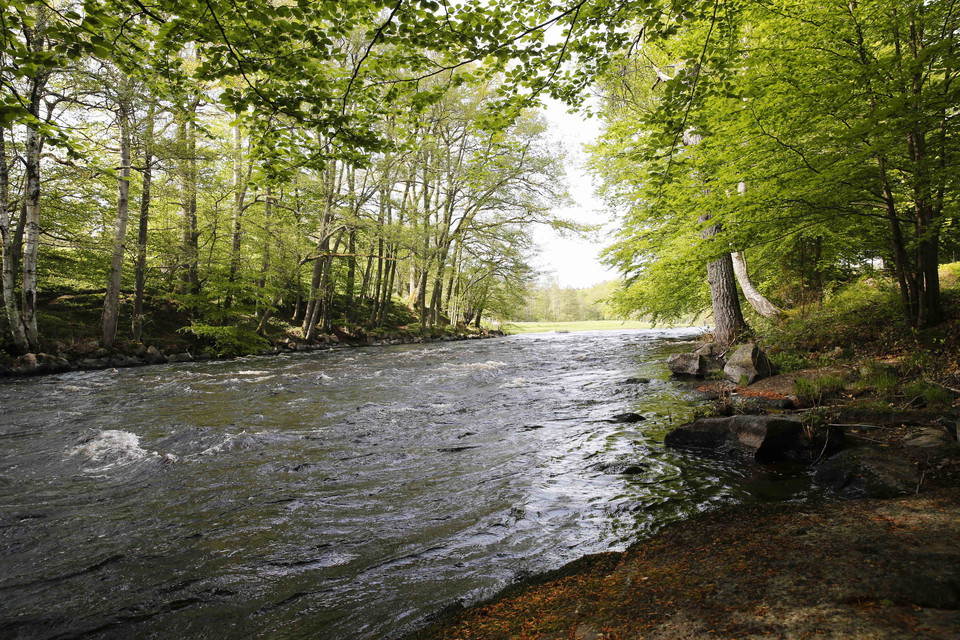
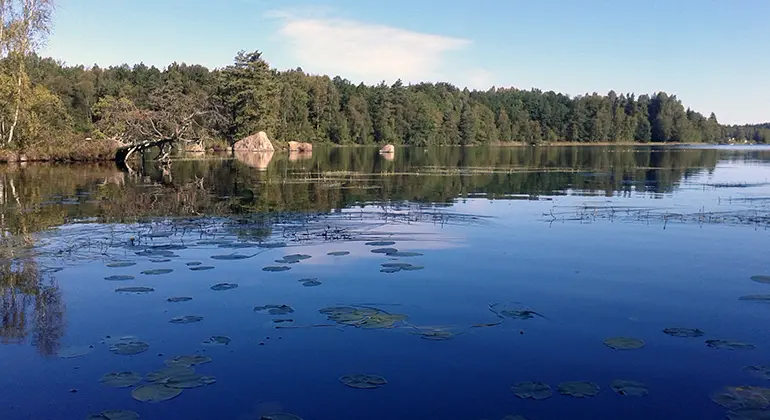
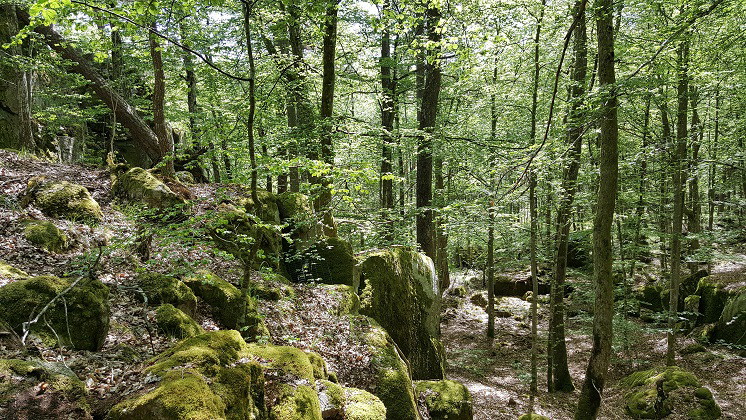
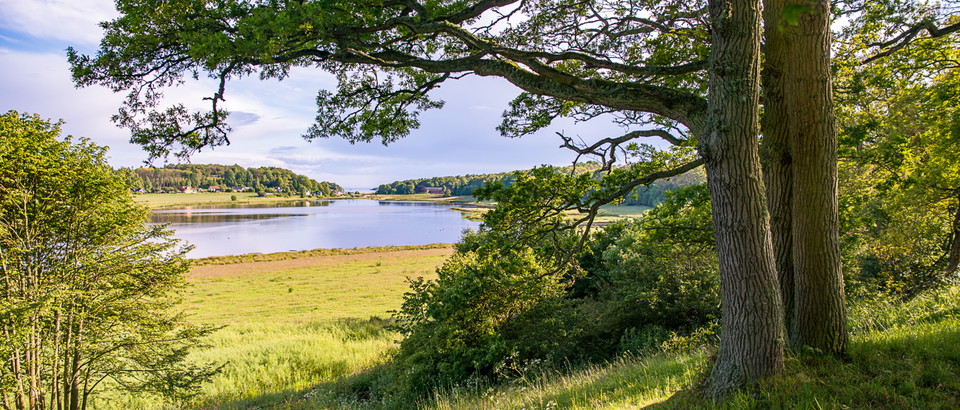
In the Halen nature reserve, you can experience a forest and lake-dominated "wilderness" within walking distance of Olofström's and Jämshög's urban areas. There are rich opportunities for different types of outdoor activities as well as high natural values. Halen is Blekinge's largest lake and about half of its surface is included in the nature reserve.
The nature reserve was established in 1972 for its great value for urban outdoor life. In recent years, attention has also been drawn to the area's great natural values. The nature reserve has been expanded in stages over the years, most recently in 2018, and now consists of 809 hectares of land and water. Directly south of the Halen nature reserve is the Pieboda nature reserve and together they cover almost 1000 hectares of the eastern parts of the Halen area.
Rich outdoor life
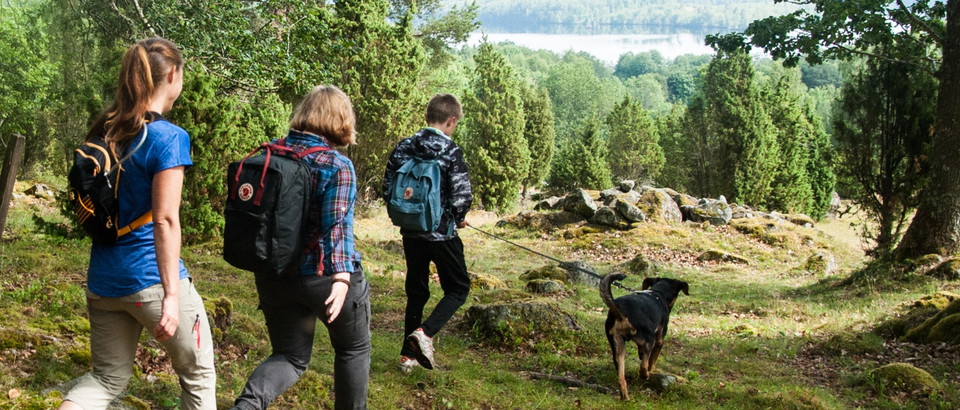
Halen nature reserve offers rich opportunities for outdoor activities. There are hiking trails, running trails, bridleways, picnic areas and shelters. There are also a couple of accessible facilities, including an accessible trail around the small lake Blåsegylet. The area is criss-crossed by roads where you can cycle and sometimes even drive. Halen has bathing areas for people, horses and dogs. The lake is popular with canoeists and is part of a larger lake system together with the neighboring lakes Immeln, Filkesjön and Raslången. There are camping sites, hotels and restaurants directly adjacent to the nature reserve.
Several different local associations are active in the Halen area, such as scouts, orienteers, leisure club, boat club, working dog club and riding club. Schools also use the area in their teaching.
An island that rises and falls
Halen is a nutrient-poor lake with several islands. The lake is home to white and yellow water lilies, hairstreak, rusty nasturtium, pitnasturtium and floating grass. Along the shores you will find, among other things, water clover, water primrose, beach primrose and needle grass.
Lake Halen is regulated. It was raised by about one meter in the early 1900s and today you can see submerged stone walls and tree trunks on the banks. Another exciting phenomenon in Halen is the "Gas Island" in the south-eastern part of the lake. It is an old marshland that normally lies at a depth of about one meter, but rises to the surface with the help of methane gas when the water temperature gets high enough in summer. When the temperature drops in the fall, the island sinks below the surface again.
Older natural forests
Along the shores and inland, steeper rocky knolls alternate with flatter areas and wetlands. The nature reserve contains many older beech, oak and pine forest stands with a natural forest character and "wilderness feeling". Fungi, mosses and lichens such as cinnabar spindle, bronze mushroom, mountain mushroom, candelabra mushroom, oxtongue mushroom, checkerboard moss, trap moss, flat feather moss, barnacle lichen, glossy spot, rust spot, pink grove lichen, small noble lichen, beech spring lichen, and beech edge lichen show that these forests have long continuity.
In parts of the area there are also managed forests of varying age, mainly spruce and deciduous forests. The dark reflections of some mire lakes shimmer in the nature reserve's forests, of which Blåsegylet is the largest. In the south and east, the forests open up in parts into grazed pastures.
Guillemot and osprey
The lake and forest-rich landscape is home to many bird species. If you're lucky, you may see ospreys, with their long, bright, angled wings, catching fish in the lake. The common loon is often seen swimming on the water. Both species are sensitive to disturbance. Respect their nesting sites so as not to scare them away from their nests. Other birds in the area include lapwing, teal, great crested grebe, cuckoo, lesser spotted woodpecker, green wren, skylark, woodcock, nutcracker, wood pigeon, woodlark, skylark, sparrow owl and pearl owl.
From ancient tombs to huts
Despite the wilderness feeling you can experience in parts of the nature reserve, there is a rich cultural history here that stretches from the Neolithic period onwards. Among the 90 or so ancient remains registered in the reserve area are Bronze and Iron Age graves, fossil fields and clearance cairns, crofting and hillfort sites, old roadways, charcoal pits, dry stone walls and storage pits.