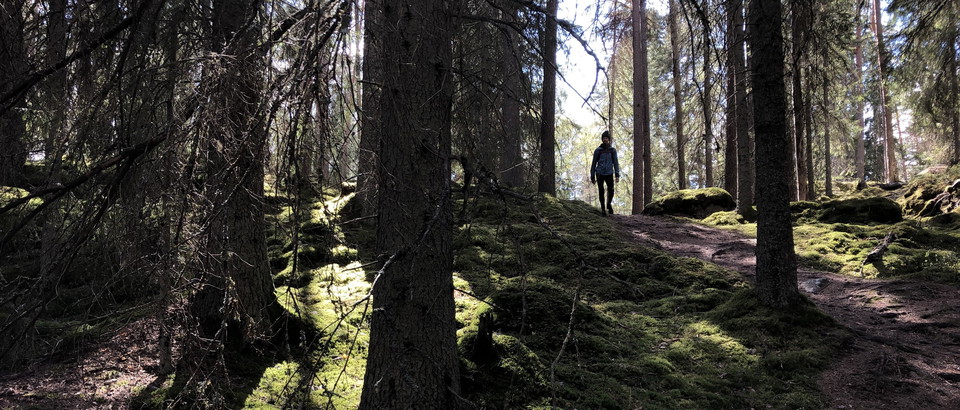
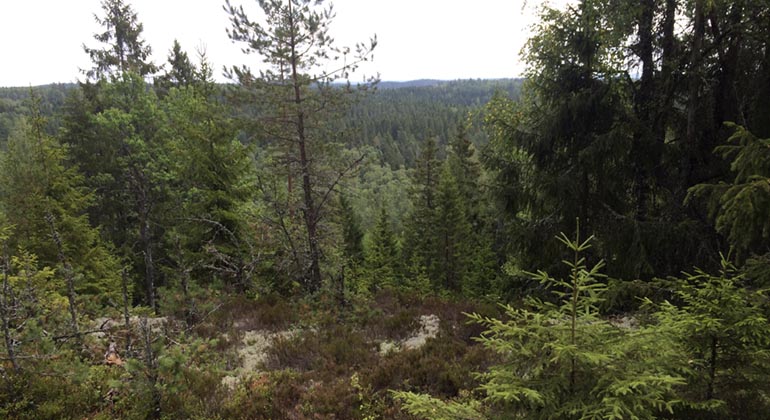
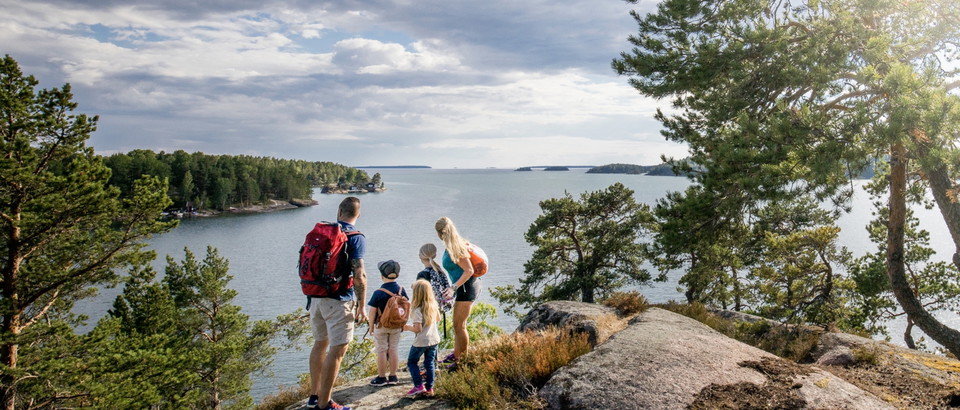
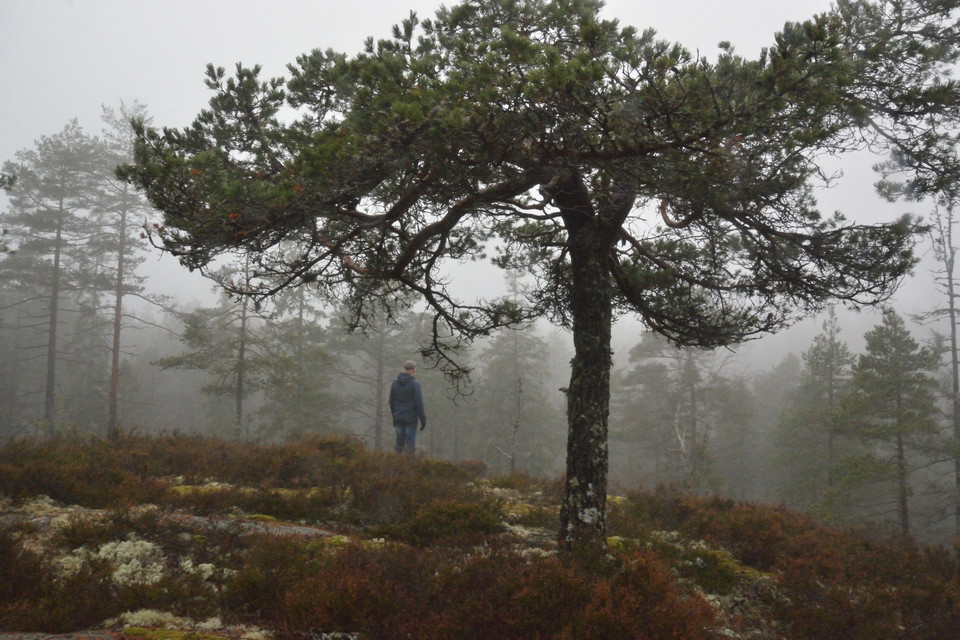
The Flintemon nature reserve is a hilly, highland forest area. Valuable old-growth forest is protected here for the future. The forest is home to a number of plants and animals that do not thrive in modern forests.
Closed paths - risk of falling trees
In the nature reserve there are many dead spruces that have fallen or are at risk of falling. The paths are therefore closed until further notice. Visits are at your own risk.
A real old-growth forest
There is much that distinguishes Flintemon's ancient forests from modern production forests. Both conifers and deciduous trees grow here, and the trees vary in age and size. The oldest trees are up to 150 years old. There is plenty of dead, decaying wood as the forest takes care of itself and the trees die of old age.
Crooked species
Many plants and animals with special requirements for their habitat have found a refuge in the reserve. The environments with old aspen and swamp forest are particularly exciting and species-rich. The beautiful green lungwort grows on the rough bark of the aspens. In the swamp forests around Ryttarsjön you can find rarities such as the coral lichen, the border lichen and the knotweed.
Birds of the forest
The old-growth forest is also home to capercaillie and wolverine. They are forest birds that usually live on the ground. If they are frightened, they fly up with a bang. Sometimes you can also spot the three-toed woodpecker. It has a yellow head and is therefore easy to recognize.
Black Bengt
Black Bengt was a notorious thief who lived in these parts in the 1700s. He stole everything from local farmers, from cattle to food, tools and clothes. He hid the stolen goods on his farm or in caves and gorges in the forest. It is said that one of the hiding places was here in Flintemon. After stealing a cow, Svarte Bengt was sentenced to death. He was pardoned and imprisoned at Marstrand Fortress. It is likely that Svarte Bengt ended his days as a prisoner.