-
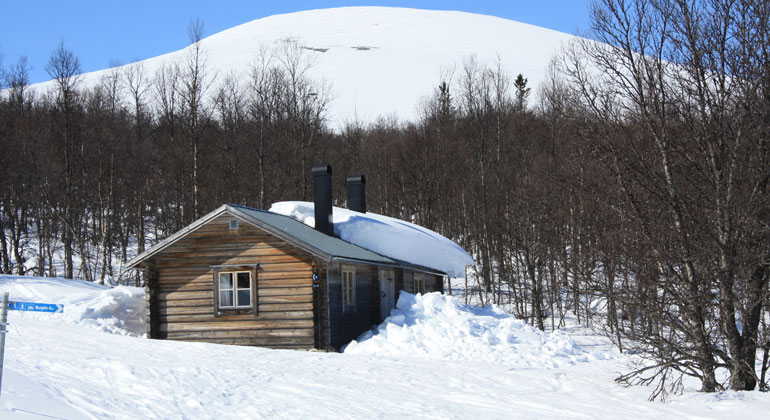
Raststugan vid Röskåsen vintertid.
Foto: Länsstyrelsen i Dalarnas län. -
-
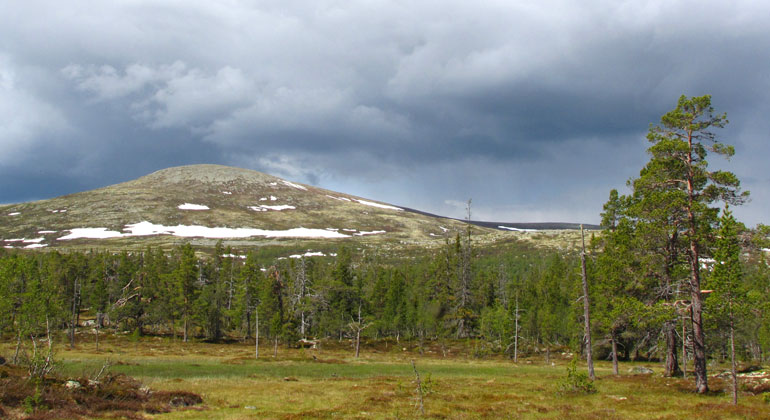
Röskåsen -
-
-
-
-
-
Drevfjällen, Naturreservat
- Naturreservat
- Amt: Dalarnas län
Handlinger
Beskrivelse
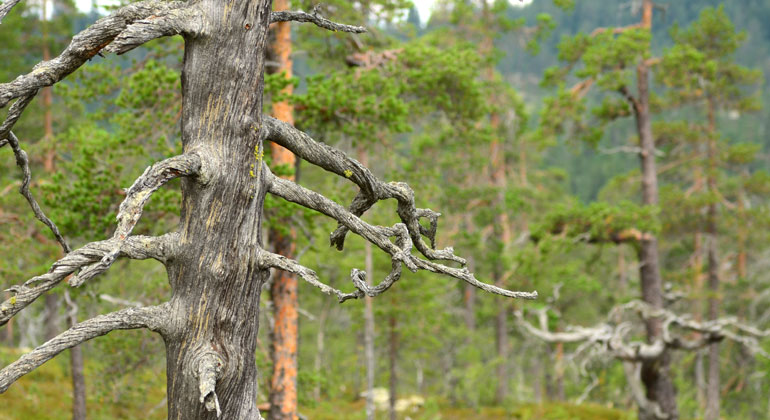
Drevfjället is a vast, roadless wilderness area south of Idre, bordering Norway. It is home to Dalarna’s largest contiguous area of primeval forest, featuring unique natural landscapes, valuable wilderness, and pine trees over 500 years old. The Södra Kungsleden trail runs through the reserve.
What can you do here?
Drevfjällen is Dalarna’s largest primeval forest-like area, a world where time has stood still. The area is almost entirely free of roads. However, there are several mil of marked summer and winter trails. The Södra Kungsleden mountain trail runs through Drevfjällen, stretching from the Sälen Mountains up to the border with Jämtland.
If you find yourself in an emergency, there are two emergency phones located within the reserve. They’re at the Id-Persätern and Nordsjökojan rest shelters.
Are you planning to hike alone?
Keep in mind that you won’t always have cell service in Drevfjällen. Remember to let someone know where you plan to hike and when you expect to be back.
Overnight stays in Drevfjällen
Wind shelters
Wind shelters are located at Gårdsjödalen, Österfjällsbrunnen, Svanbuhån, Lilldrevdagssjön, Brännåsen/Marrkällan, Mellre Långsjön, Drevsjön, and Gröningshållan.
Rest Huts
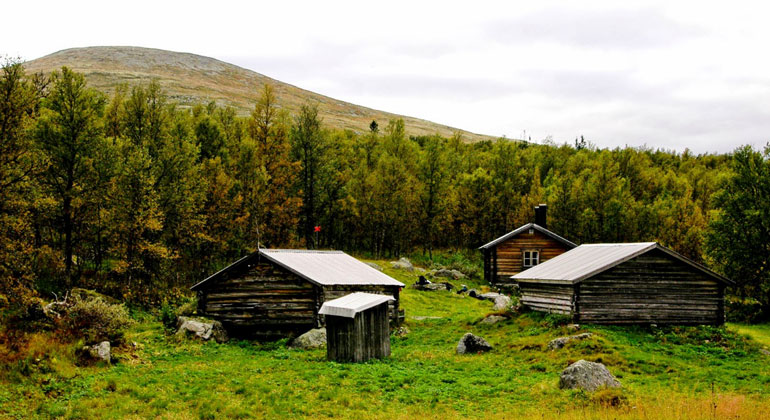
There are several rest shelters (rest huts) in the nature reserve, and they are always open. You are not permitted to spend the night in the rest shelters; this is allowed only in an emergency. The rest shelters are located at Busjön, Motståndskojan, Röskåsen, Nordsjökojan, Skröderdammen, Lekåsen, Id-Persätern, and Drevfjällsstugan.
Snowmobiles
There are also restricted areas to protect nature and species that are particularly sensitive to wear and tear and noise. Follow the regulations regarding these restricted areas to ensure that wildlife and the natural environment are not harmed.
Fishing
The lakes and waterways of Drevfjällen are teeming with fish. Primarily perch and pike, but also char, trout, and burbot. Among the rarities is the exclusive salmonid grayling, which is otherwise uncommon in lakes this far south.
A valid fishing license is required to fish. In Drevfjällen, you must have a fishing license from the Särna Idre Fisheries Conservation Area Association, abbreviated as SIFVOF.
What makes this place unique?
High mountains and vast marshes
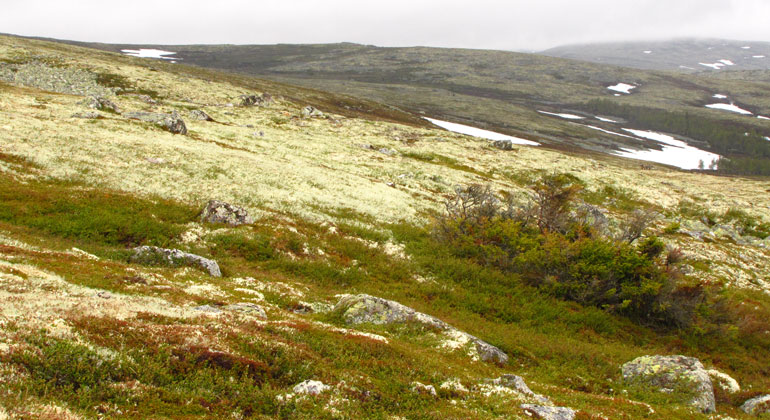
Here lie the border mountains Härjehogna, Vithogna, Rödfjället, and Drevfjället. Of these, Härjehogna is the highest at 1,185 meters above sea level. These low mountains have gently rounded shapes and are generally easy to climb. Adjacent to the bare mountain slopes lies a zone of mountain birch forest. Parts of the area are rich in marshes, where many fascinating wetland birds like to gather.
Bird-rich marshes
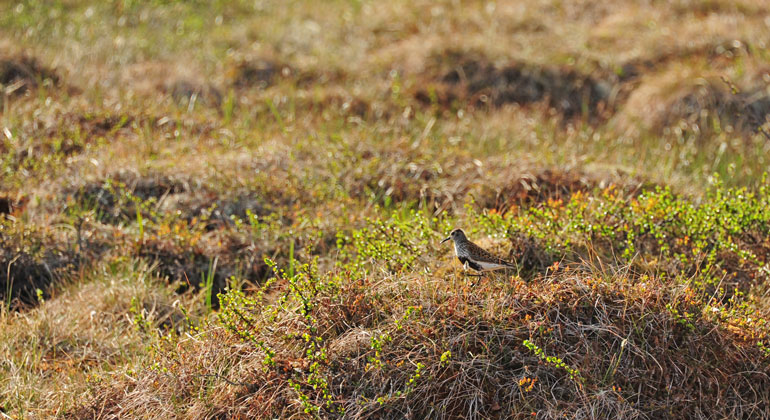
The reserve’s marshes are among the most bird-rich in Dalarna. The Storkölen wetlands are particularly valuable. They are included in the EU’s Ramsar Convention, a network of the world’s most important wetlands. Among the marshes’ winged inhabitants are the little curlew, the common sandpiper, the ruff, the yellow wagtail, and the golden plover.
The golden plover is probably the easiest to recognize. It runs along the ground, whistles a monotonous, somewhat melancholy call, flies up, and lands a short distance away—all to protect its nest, which may contain eggs or newly hatched chicks.
Ancient Pine Forests Untouched by Logging
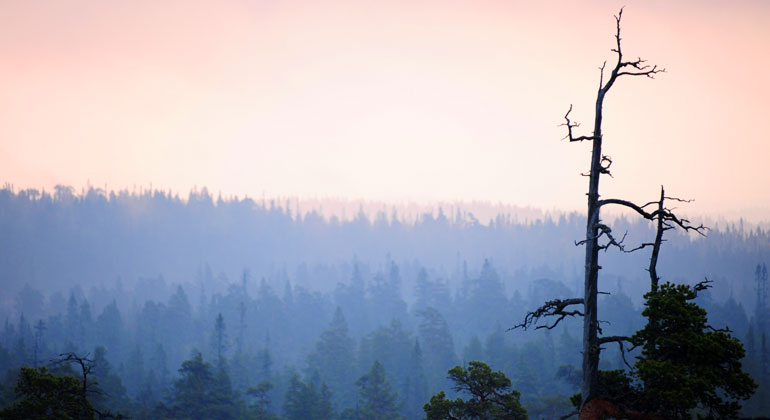
Below the mountains lies a high plain where the landscape consists of a mosaic of forest and marsh. Here lies the county’s largest contiguous area of old-growth forest. Large parts of it are completely untouched by logging.
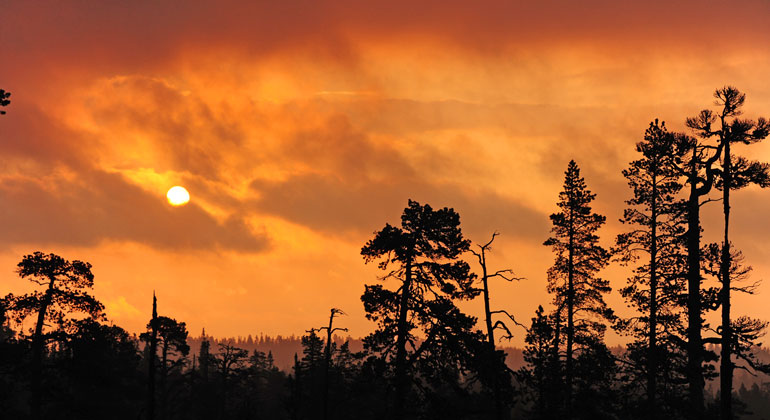
The area is characterized by sparse pine forests with a large proportion of old, large trees. Pine trees older than 500 years have been found, and in some areas there are plenty of dead standing trees. The entire area shows signs of past forest fires.
Monkshood and wolf lichen, corncrake, and otter
The mountain slopes here consist of dry, often lichen-rich scrubland, of the type characteristic of the Dala Mountains—heather is replaced by crowberry, blueberry, and dwarf birch. Härjehågna is an unusually species-rich mountain region because it contains limestone. In the spruce-meadow forest, the monkshood grows as tall as a man.
Another plant unusual for the area is the hairy buttercup, which grows in certain marsh pools. Up near the mountain edge, you may come across the ferns curly fern and spiny fern.
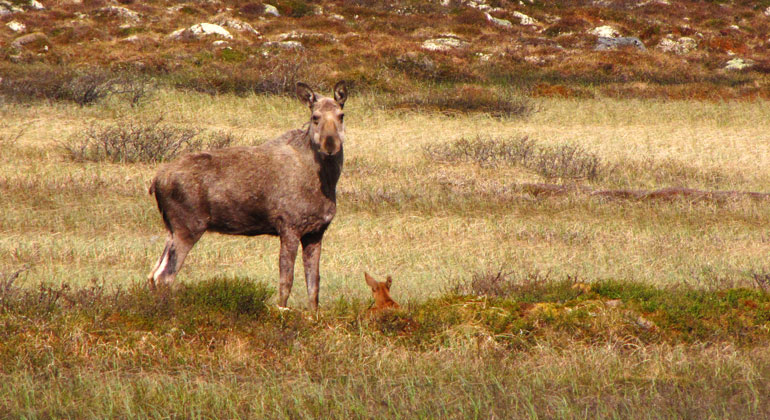
The rare wolf lichen appears here and there on dead, standing trees out in the marshes. The area is home to several large predators, including otters.
Historic mountain pastures still exist
In the past, the sounds of cowbells and the calls of mountain pasture maids could be heard through the forest. About ten mountain pastures still exist in the area. The best-preserved are Id-Perssätern and Lekåsen. The livestock disappeared from Lekåsen in 2003, but hay is still harvested from the mountain pasture’s hay meadows. Before haymaking, the meadows are adorned with bloodroot, mountain timothy,
snake root, meadow bell, and hayflower.
All photos in the slideshow: Dalarna County Administrative Board.
Aktiviteter og faciliteter
- Naturreservat
Fakta
Bildades: 1993Storlek: 33222 haKommun: ÄlvdalenFörvaltare: LänsstyrelsenNatura 2000: Ingår i EU:s nätverk av skyddad natur.Om Natura 2000Beskrivningen av områdets Natura 2000-värden går att läsa i skötselplanen nedan.Ramsar: Delar av området ingår i fågelskyddsområdet Ramsar.Ramsar
Rutevejledning
The area is located about 2.5 mil west of Idre.
Regler
In the nature reserve, it is not permitted to...
- damage growing or dead trees—whether standing or fallen—as well as stumps and shrubs, with the exception of collecting loose, small, dry branches and twigs for the purpose of making a fire. This exception does not apply to dead trees, fallen trees, or tar-covered stumps.
- drive motorized vehicles off-road on bare ground,
- operate snowmobiles within the area near Hammaråsen as shown on the map below.
- landing aircraft,
- damaging the ground or geological features, with the exception of geoscientific surveys intended to contribute to a better understanding of the area’s geology.
Please also note that special rules of conduct for snowmobiling apply in the reserve:
Special Rules of Conduct for Snowmobiling (PDF, 9.1 MB).
Without a permit from the County Administrative Board, it is also prohibited to:
- dig up plants, pick mosses, lichens, and wood-dwelling fungi, or collect animals (such as insects), with the exception of collecting benthic fauna.
- organize or conduct large-scale events—with more than 100 participants—or recurring competitions, camp activities, or other organized events,
- conduct military or police training exercises, or mountain rescue and emergency response drills.
Click on the nature reserve’s name and select the “Documentation” tab to view the documents.
Kontakt
Adresse
E-mailadresse
Organisationens logotype

Jeg har været her 2

Jeg vil gerne derhen 6
Spørgsmål og svar
Stil et spørgsmål til andre Naturkartan-brugere.
Anmeldelser
0 anmeldelser
- 5 :
- 4 :
- 3 :
- 2 :
- 1 :
Brugernes billeder
Der er endnu ingen brugerbilleder. Vær den første til at dele et!