Naturkortet på en ny teknisk platform

Naturkartan har skiftet til en ny teknisk platform. Der kan forekomme driftsforstyrrelser på hjemmesiden og i appen i indkøringsperioden. Indberet eventuelle problemer til emil@outdoormap.com.

  • Foto: Johan Johnmark
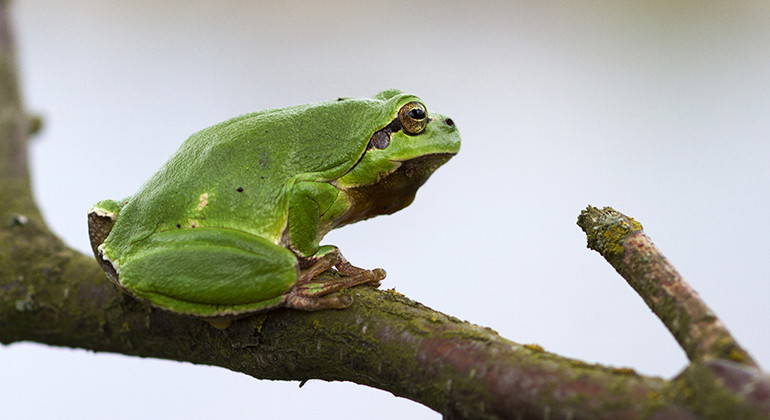
  • Lövgroda.
    Lövgroda.
    Foto: Alex Regnér
  • Foto: Johan Johnmark
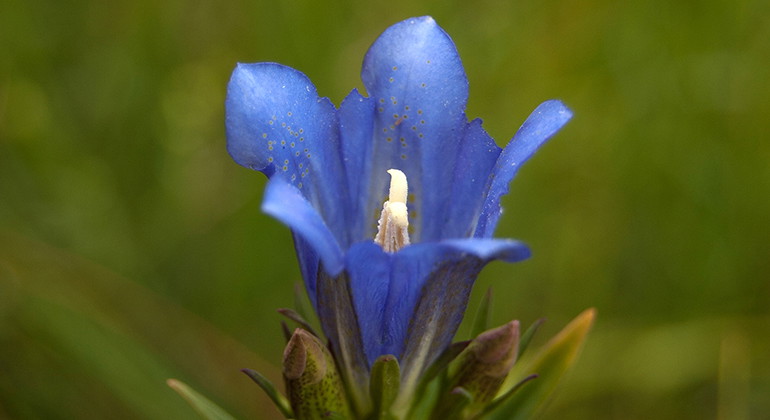
  • Klockgentiana.
    Klockgentiana.
    Foto: Maria Sandell
  • Foto: Alex Regnér
  • Foto: Johan Johnmark
  • Foto: Alex Regnér
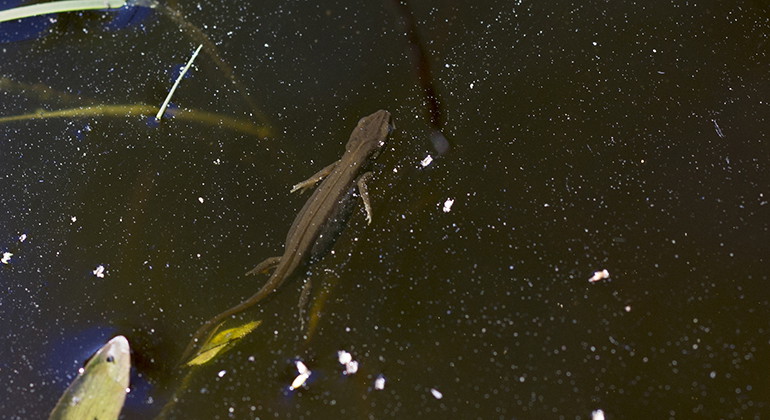
  • Mindre vattensalamander.
    Mindre vattensalamander.
    Foto: Alex Regnér
  • Foto: Alex Regnér
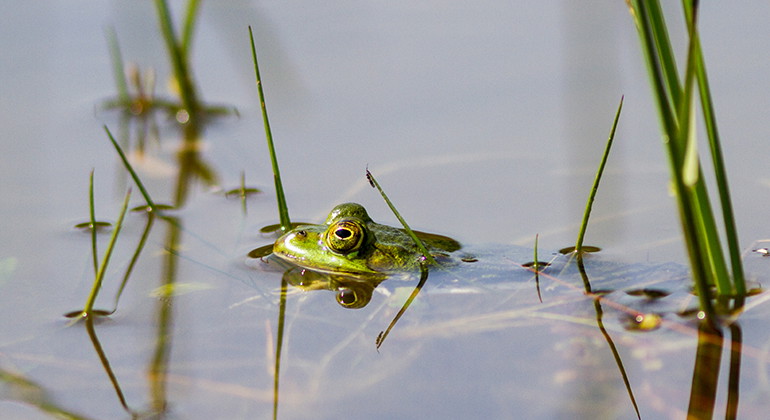
  • Ätlig groda.
    Ätlig groda.
    Foto: Alex Regnér
  • Foto: Alex Regnér
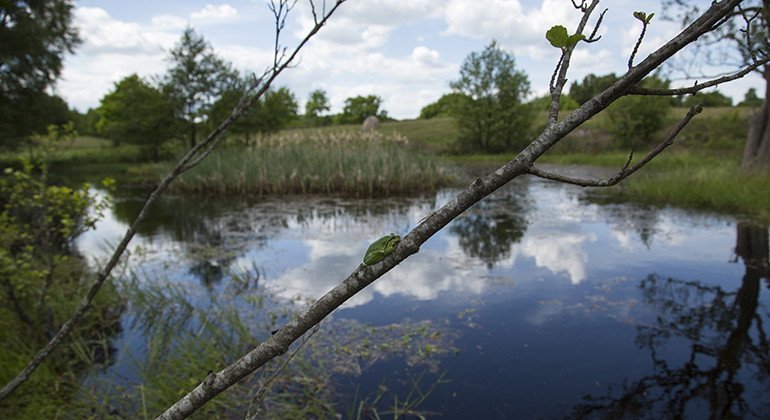
  • Lövgroda på gren vid en av dammarna.
    Lövgroda på gren vid en av dammarna.
    Foto: Alex Regnér

Frihult, Naturreservat

  • Naturreservat
ud af 5 stjerner

Handlinger

Beskrivelse

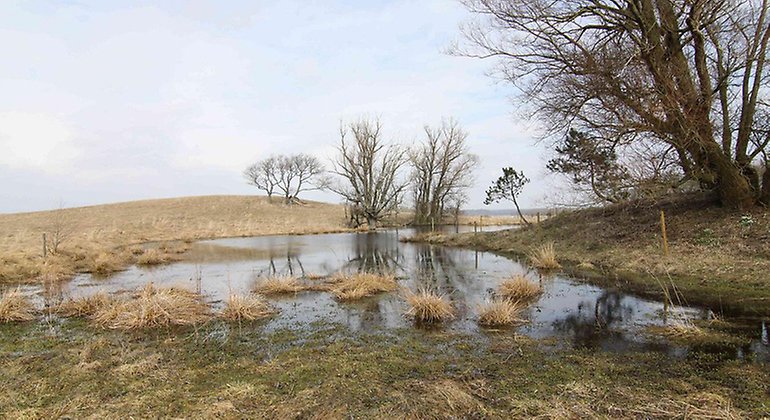
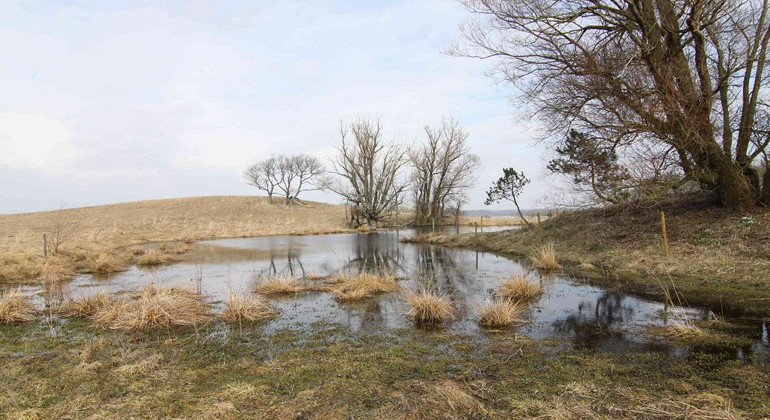
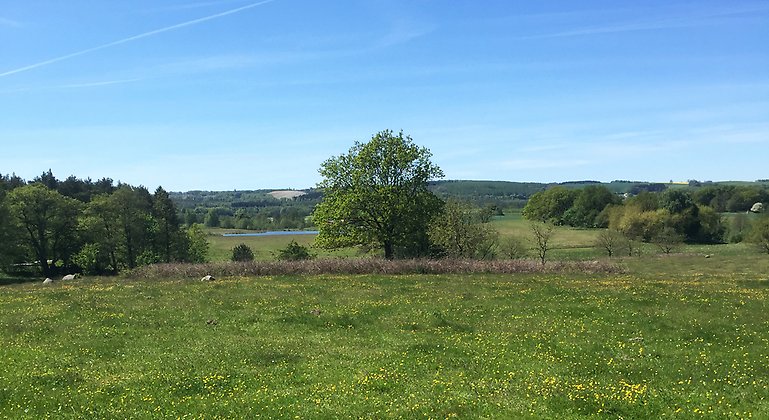
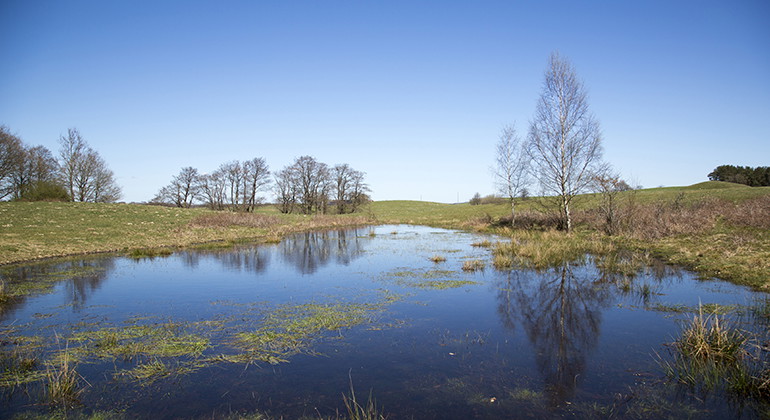
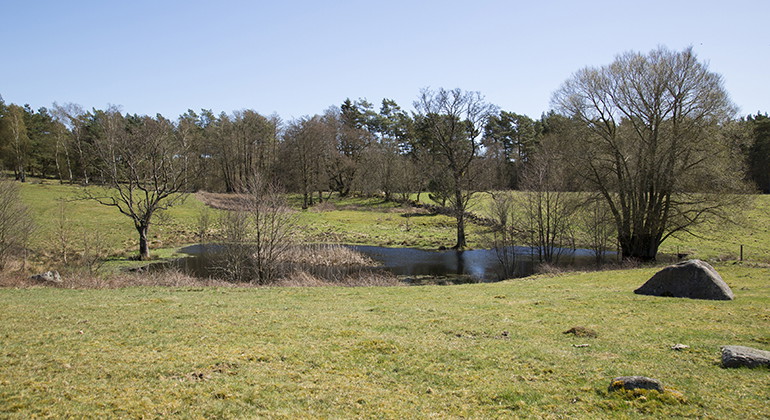
Frihult Nature Reserve is part of a sandy hillside landscape created by the ice sheet around 16,000 years ago. The land has long been used for cultivation and grazing. Nowadays, only the grazing animals keep the land open. There are 11 ponds among Frihult's green hills. These small ponds are a magnet for amphibian enthusiasts.

Play or pause the slideshow

Rare amphibians

Frihult Nature Reserve and the surrounding areas are important habitats for many amphibians and insects. In addition to our common frogs and toads, several species of more or less endangered amphibians can be found here. Among other things, the reserve is an important core area for the rare onion frog in Sweden.

The nature reserve has 11 ponds that are kept free of shading vegetation, fish and crayfish. This is done to protect both aquatic insect larvae and the frogs' eggs and young. As wild boars like to eat frogs, efforts are made to keep them out of the reserve. Today, onion frogs are found in 7 of the ponds. All the ponds also have leaf frogs, common frogs, field frogs, edible frogs, bell frogs, common toads and great and small newts. All amphibians are protected in Sweden.

Insect-rich soils

In addition to the water bodies, the sandy areas with sun-exposed sandy patches are of great importance for both onion frogs and several insect species. Many beetles and butterflies that need sandy and herb-rich soils are found here, including the mealybug, meadow net butterfly and common metalwing swarmers. Sand patches and pollen-rich plants provide good conditions for various species of sand bees.

Outdoor life

Frihult has no marked trails, but you can roam freely in the softly rolling pastures. However, avoid dogs among the grazing animals. You can still hear the frogs playing if you walk on the roads that pass several small lakes. There is a rest area and parking along the thoroughfare in the south. Remember to take your rubbish home. Because there are so many different kinds of frogs here, you can hear frog songs from April to June.

In English

Welcome to Frihult Nature Reserve

It is a part of a sandy moraine hilly landscape that was created from melting ice some 16,000 years ago. The land has long been used by man for cultivation and grazing. There are grazing animals at the whole site today.

Frihult Nature Reserve is one of the most important core areas for the rare spadefoot toad (Pelobates fuscus) in Sweden. Yellow-spotted whiteface dragonfly (Leucorrhinia pectoralis) thrives at the nutrient and plant-rich waters.

There are 11 ponds in the nature reserve which are kept free of shading vegetation, fish and crayfish. This is to protect the aquatic insect larvae and the eggs and larvae of the amphibians. Due to the fact that wild boar like to eat amphibians, the aim is to keep them out of the reserve.

The spadefoot toad currently occurs in seven of the ponds. The ponds also contain common tree frog (Hyla arborea), common frog, moor frog, edible frog, fire-bellied toad (Bombina bombina), common toad, smooth and great crested newt. All amphibians are legally protected in Sweden.

As well as the ponds, the areas with patches of bare sand exposed to the sun are of great importance for the spadefoot toad as well as for many species of insect. There are many beetles and butterflies which require the sandy and herb rich areas that are found here, including the six-spot burnet moth (Zygaena filipendulae), and purple-edged copper (Lycaena hippothoe).

Marsh gentian (Gentiana pneumonanthe) can be found in the pastures. Bare sand and plants rich in pollen provide suitable conditions for different species of sand bees. Dwarf everlasting (Helichrysum arenarium) can be found in the dry, sandy and sunexposed areas.

Regulations

Within Frihult Nature Reserve it is forbidden to:

  • Dig up or damage in any other way natural objects or formations,
  • Light a fire,
  • Remove dead wood, break branches, fell or damage in any other way living or dead trees and bushes,
  • Bring dogs or any other pet not on a lead during the period 1st March to 31st October,
  • Intentionally disturb or affect wildlife,
  • Park up a caravan, camper van or equivalent for more than five hours,
  • Put up posters, signs, plaques, notices, or any equivalent items, with the exception of information signs for the nature reserve and boundary markers,
  • Organize competitions or other activities which can interfere with or disturb the wildlife or the natural environment.

Without permission from the County Administrative Board it is also forbidden to:

  • Wade in the ponds
  • Collect invertebrates, e.g. beetles. Individual samples may be collected on the basis that this does not contravene the Protected Species Legislation and that traps are not used.
  • Put out foreign objects (e.g. geocaches or equivalent).

Vejrudsigt (kl. 12.00)

Indlæser...

Kom hertil med offentlig transport

Aktiviteter og faciliteter

  • Naturreservat

Fakta

Established: 2012

Size: 38 hectares

Municipality: Sjöbo

Administrator: County Administrative Board of Skåne

Protection type: Nature reserve

Rutevejledning

Walk, cycle, take public transport or drive here. Map and directions via Google maps or coordinates (WGS84).

Regler

**Within the area, special rules and restrictions apply to the right of public access.

For example, it is forbidden to:

  • keep dogs off-leash between March 1 and October 31
  • make fires
  • pitching a caravan/mobile home for more than 5 hours
  • disturb the environment
  • collect firewood or pick sticks
  • wade in the ponds

It is important to note that this is only a selection of the rules.

Full regulations for visitors

In addition to regulations and prohibitions in other laws and regulations, it is forbidden to:

  1. digging or otherwise damaging solid natural objects or surface formations
  2. start a fire,
  3. remove dead wood, break branches, fell or otherwise damage living or dead trees and bushes,
  4. bring dogs or other pets that are not kept on a leash during the period March 1 to October 31.
  5. intentionally disturb or affect wildlife,
  6. set up a caravan, camper van or similar for more than 5 hours,
  7. affixing a board, sign, inscription, poster or similar device, with the exception of information signs, for the nature reserve and boundary markers
  8. organize competitions or conduct activities that may disturb wildlife or the natural environment,

Furthermore, it is forbidden without the permission of the County Administrative Board:

9. wade in the ponds

10. collect invertebrates, such as beetles. However, individual specimens may be collected provided that it does not violate the conservation regulations and that traps are not used.

11. placing foreign objects (such as geocaches or similar),

Kontakt

Adresse

Under LÄNKAR kommer du till aktuell reservatssida på Länsstyrelsens webbplats, med fördjupande information som kartor, broschyrer och hänvisning till relevanta aktörer. Här finns även en rapportfunktion för dig som vill lämna uppgifter om naturreservaten som vi förvaltar.

E-mailadresse

Jeg har været her

Jeg vil gerne derhen

Spørgsmål og svar

Stil et spørgsmål til andre Naturkartan-brugere.

Anmeldelser

0 anmeldelser

ud af 5 stjerner

5 :
0.0%
4 :
0.0%
3 :
0.0%
2 :
0.0%
1 :
0.0%

Brugernes billeder

Der er endnu ingen brugerbilleder. Vær den første til at dele et!

Naturkartan

Åbn dette i appen